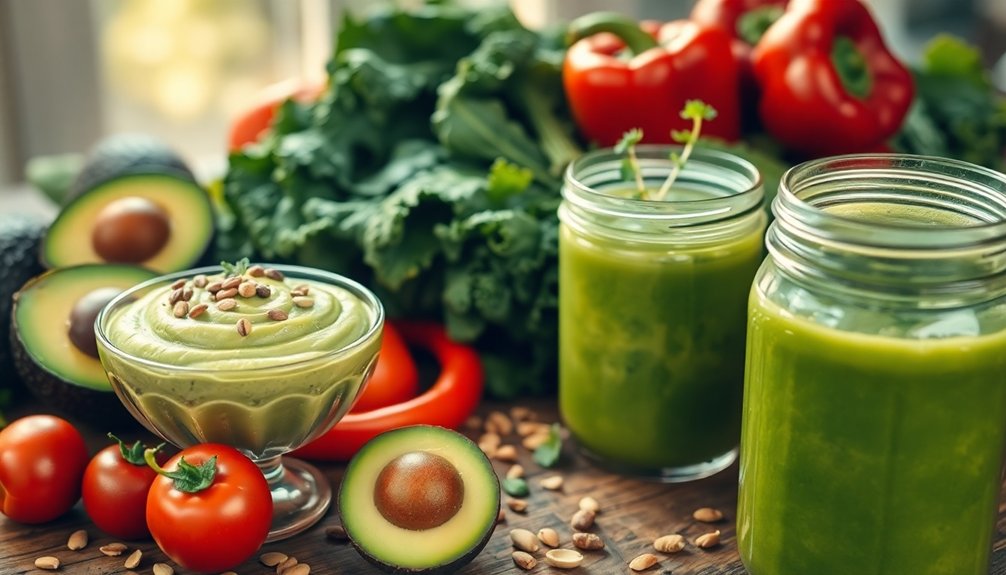
If you’re looking to combine plant-based living with a keto approach, the vegan and vegetarian keto diets might be for you. Both focus on low-carb, high-fat foods but exclude animal products or limit them. You’ll enjoy benefits like improved insulin sensitivity, but be mindful of potential nutrient deficiencies. Incorporating nutrient-dense foods and essential supplements is essential. Stick around to explore meal plans, foods to include, and various strategies to make this diet sustainable for you.
Overview of the Vegan Keto Diet
If you’re looking to combine the principles of a ketogenic diet with veganism, the Vegan Keto Diet offers a unique approach. This diet focuses on a low-carb, high-fat, and moderate-protein lifestyle while eliminating all animal products.
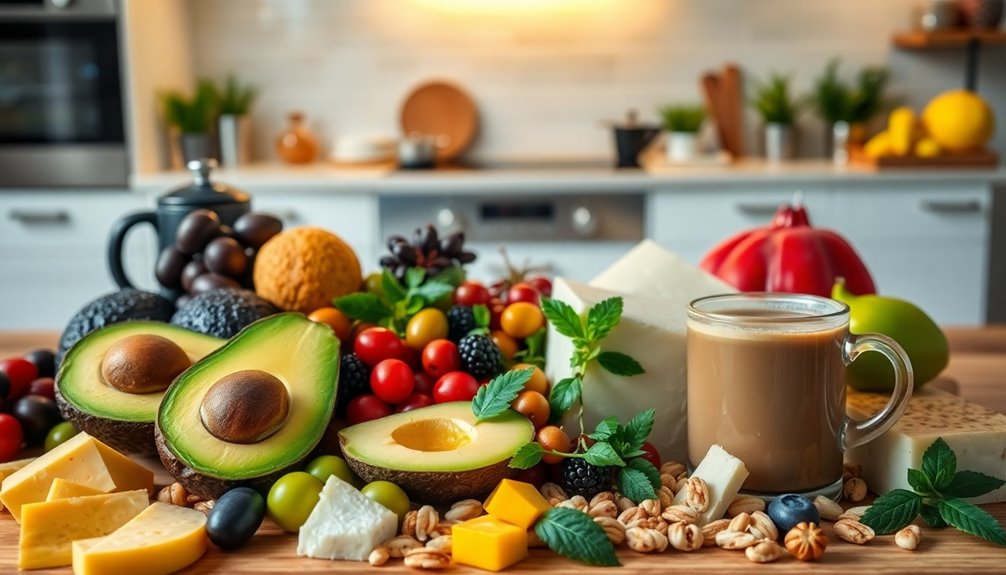
Typically, you’ll limit your net carbs to 20-50 grams per day to achieve ketosis. Emphasizing nutrient-dense foods, you’ll enjoy healthy fats from avocados, coconut, and nuts, along with low-carb veggies like leafy greens and zucchini.
While the Vegan Keto Diet can support weight loss and improved blood sugar control, it comes with potential risks of nutrient deficiencies in vitamin B12, D, iron, and omega-3 fatty acids. Regular monitoring of macronutrient intake is essential to guarantee you’re meeting your nutritional needs. Careful planning and possible supplementation are essential to guarantee you’re meeting your nutritional needs.
Health Benefits of a Vegan Keto Diet
The Vegan Keto Diet not only provides a unique blend of plant-based nutrition and ketogenic principles but also offers numerous health benefits.
By focusing on low-carb vegetables and healthy fats, you can effectively reach your health goals. This diet may lower your risk of chronic diseases like heart disease and type 2 diabetes, thanks to its anti-inflammatory effects and nutrient-rich plant-based foods.
Research shows that vegans have a 75% lower risk of developing high blood pressure, enhancing your cardiovascular health. Additionally, the ketogenic aspect helps stabilize blood sugar levels, reducing insulin resistance.
Moreover, improved insulin sensitivity through a vegan keto diet can further aid in maintaining balanced energy levels and preventing fat storage.
With a vegan keto meal, you can enjoy weight loss success while avoiding low fiber pitfalls, making this diet a smart choice for your overall well-being.
Foods to Include and Avoid
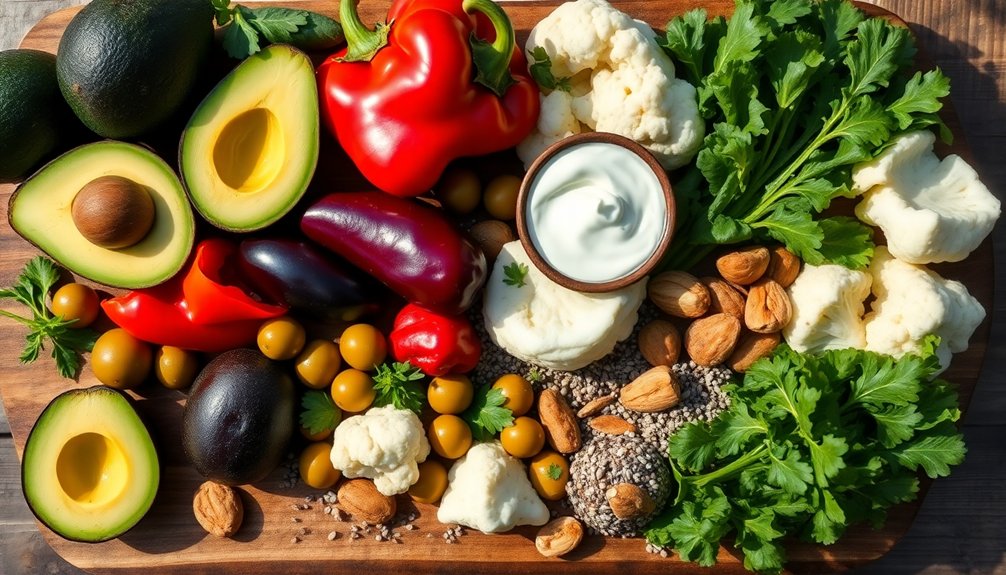
When you’re following a vegan keto diet, it’s essential to know which foods to include and which to steer clear of.
Focus on high-fat vegan options like avocados and nuts, while also enjoying low-carb veggies. Incorporating leafy greens into your meals not only enhances flavor but also boosts your intake of essential nutrients.
At the same time, avoid grains, legumes, and processed snacks that can throw off your carb balance.
Recommended Vegan Keto Foods
As you begin a vegan keto diet, incorporating the right foods is crucial for achieving your nutritional goals.
Focus on healthy fats like avocados, coconut oil, and olive oil, which should constitute a large part of your daily intake. Include low-carb vegetables such as leafy greens, zucchini, and cauliflower to guarantee you’re getting fiber and essential nutrients while keeping carbs low.
Additionally, prioritize vegan protein sources like tofu, tempeh, and hemp seeds to meet your protein needs without animal products. These foods will support your keto journey and help you maintain ketosis effectively.
Foods to Eliminate
To successfully navigate a vegan keto diet, it’s essential to eliminate certain foods that can hinder your progress. First, cut out all animal products, including meat, dairy, eggs, and seafood.
Next, avoid high-carb foods like grains, legumes, and starchy vegetables to maintain the low-carb requirement fundamental to keto diets. Additionally, steer clear of highly processed vegan foods, such as junk food and sugary snacks, as they often contain unhealthy additives and excessive carbs.
Instead, focus on foods to include like healthy fats from avocados, coconut oil, and nuts, along with low-carb vegetables such as leafy greens, zucchini, and cauliflower.
Don’t forget to incorporate vegan protein sources like tofu, tempeh, and hemp seeds for sufficient protein intake.
Sample Vegan Keto Meal Plan
When planning your vegan keto meals, it’s important to break down your daily intake for maximum effectiveness. You’ll want to evaluate nutrient balance while exploring creative recipe ideas that keep carbs low and fats high. Incorporating plant-based protein sources like tofu and legumes is essential for maintaining muscle mass and ensuring a well-rounded diet. Let’s look at how to structure your meals for ideal health and satisfaction.
Daily Meal Breakdown
Crafting a daily meal plan for a vegan keto diet can be both exciting and delicious, allowing you to explore a variety of high-fat, low-carb foods.
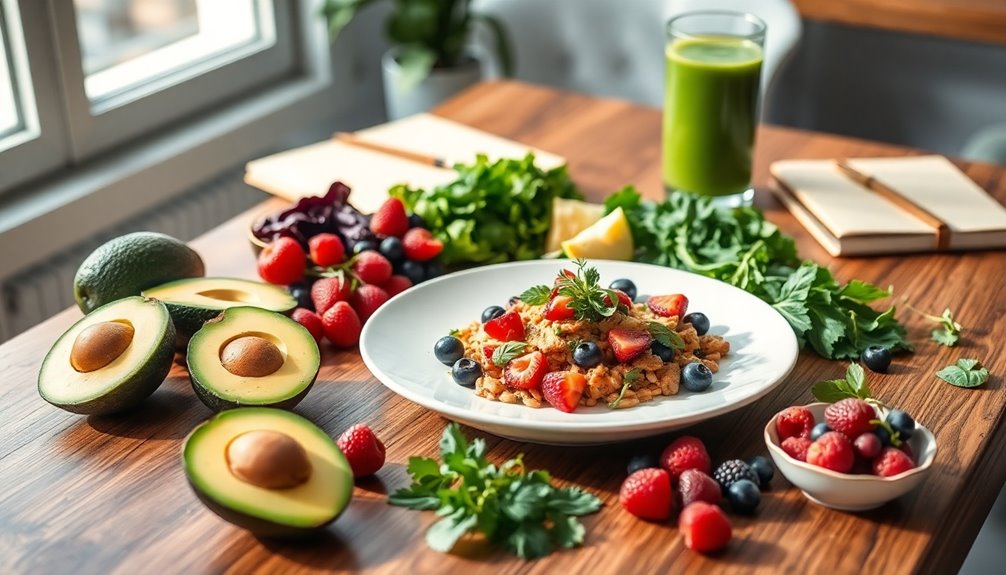
Start your day with a creamy chia pudding topped with nuts and berries for breakfast.
For lunch, enjoy a hearty tofu scramble with leafy greens and a sprinkle of nutritional yeast, providing essential nutrients.
Dinner could feature zucchini noodles with pesto and a side of cauliflower rice stir-fry.
Don’t forget snacks! Opt for sliced cucumbers with guacamole or almond butter with celery sticks to keep your energy up.
This Keto Vegan meal plan guarantees you stay on track while savoring diverse flavors and maintaining your nutritional needs.
Nutrient Considerations
While planning a vegan keto meal, it’s essential to reflect on the nutrient balance to confirm you’re meeting your dietary needs.
Focus on incorporating healthy fats like avocados and coconut oil, along with vegan protein sources such as tofu and tempeh. Low-carb vegetables like spinach and zucchini should also be staples in your meals.
Since the diet limits carbs to 20-50 grams per day, careful planning helps you avoid nutrient deficiencies. Including fortified foods is important, and you might want to take into account supplements for B12 and omega-3 fatty acids, which are often lacking in vegan diets.
A well-structured meal plan guarantees you enjoy the benefits of keto while maintaining adequate nutrition through whole plant-based foods.
Recipe Ideas
Creating delicious meals while following a vegan keto diet can be both enjoyable and satisfying.
Start your day with a chia seed pudding made with coconut milk and flaxseeds, packed with healthy fats.
For lunch, whip up a vibrant spinach salad topped with avocado and hemp seeds or enjoy zucchini noodles tossed in pesto.
As a snack, pair cucumber slices with almond butter for a quick energy boost.
Dinner can be a comforting vegan coconut curry served over cauliflower rice stir-fry, or enjoy a warm bowl of vegan “cheesy” broccoli soup.
These meal ideas not only adhere to the keto diet but also showcase the variety of vegan foods you can enjoy while maintaining your health goals.
Importance of Supplements and Nutritional Quality
When following a vegan or vegetarian keto diet, it’s essential to pay attention to supplements and nutritional quality, as these diets can often lack essential nutrients.
To maintain your health, consider the following:
To support your health on a vegan or vegetarian keto diet, prioritize essential nutrients and consider supplementation.
- Vitamin B12: It’s critical for energy and brain health; supplementation is often necessary.
- Vitamin D: Helps with calcium absorption; choose fortified foods or supplements.
- Omega-3 fatty acids: Important for heart health; consider algal oil supplements or flaxseeds.
- Nutritional deficiencies: They can lead to fatigue and poor immune function, making meal planning fundamental.
Incorporating fortified foods and consulting a registered dietitian can help you create a balanced meal plan, ensuring you meet your nutritional needs while enjoying your vegan or vegetarian keto lifestyle. Additionally, consider adding MCT oil to your routine, as it can increase feelings of fullness and support weight management.
Potential Drawbacks and Side Effects
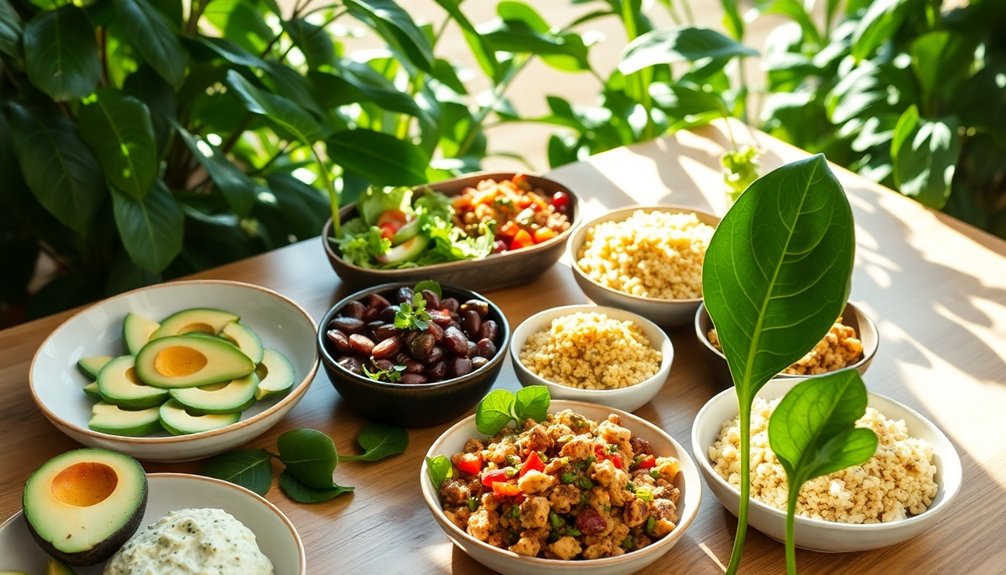
Changing to a vegan keto diet can bring about several potential drawbacks and side effects that you should be aware of.
You might experience keto flu, which includes fatigue, nausea, irritability, and headaches as your body adjusts to lower carbs.
Nutritional deficiencies are another concern, especially for vitamins B12, D, iron, omega-3s, and calcium, due to the elimination of animal products.
A low fiber intake can lead to digestive issues like constipation, making meal planning essential to guarantee you get enough nutrients.
Additionally, the strict nature of this diet may be hard to maintain long-term, possibly resulting in weight regain once you stop.
It’s wise to consult with a healthcare professional before starting to avoid these pitfalls. Furthermore, maintaining stable blood sugar levels is crucial for minimizing energy crashes during the transition to a vegan keto diet.
How to Follow a Vegetarian Keto Diet
Following a vegetarian keto diet can seem intimidating at first, but with careful planning, it’s entirely achievable. Here are some steps to guide you:
Adopting a vegetarian keto diet may feel daunting, but with thoughtful preparation, it is fully attainable.
- Focus on high-fat options: Include avocados, nuts, seeds, and full-fat dairy in your meals.
- Monitor your carb intake: Aim for 5-10% of your daily calories from low-carb vegetables like leafy greens and zucchini.
- Plan meals to avoid nutritional deficiencies: Be mindful of vitamins B12, D, iron, and omega-3s, which might require supplementation.
- Facilitate a smooth changeover: Gradually reduce carbs while increasing healthy fat consumption, allowing your body to adapt to this new lifestyle. Including high-protein options in your meals can help maintain muscle mass during this transition.
Risks and Benefits of a Vegetarian Keto Diet
While the Vegetarian Keto Diet offers potential benefits like weight loss and improved health markers, it also comes with significant risks that require careful consideration.
You’ll need to plan your meals meticulously to guarantee you’re getting essential nutrients, as the exclusion of animal products can lead to deficiencies in vitamin B12, vitamin D, zinc, iron, and omega-3 fatty acids.
Although you might experience initial weight loss, be cautious of digestive issues like constipation due to low fiber intake.
Limited research on the long-term effects of this low-carb diet means you may struggle with nutrient adequacy.
Consulting a registered dietitian can help you make strategic food choices and appropriate supplementations to mitigate these risks and enhance your overall health. Additionally, monitoring carbohydrate intake is crucial for maintaining blood sugar levels and preventing potential complications associated with insulin resistance.
Conclusion
Incorporating a vegan or vegetarian keto diet can be a transformative journey, one where you nourish your body while respecting your values. By choosing the right foods and being mindful of your nutritional intake, you can thrive on this plan. Remember, it’s not just about cutting carbs; it’s about crafting a lifestyle that fuels your passions. So take the plunge, embrace the green, and watch how it blossoms into a healthier, happier you.