
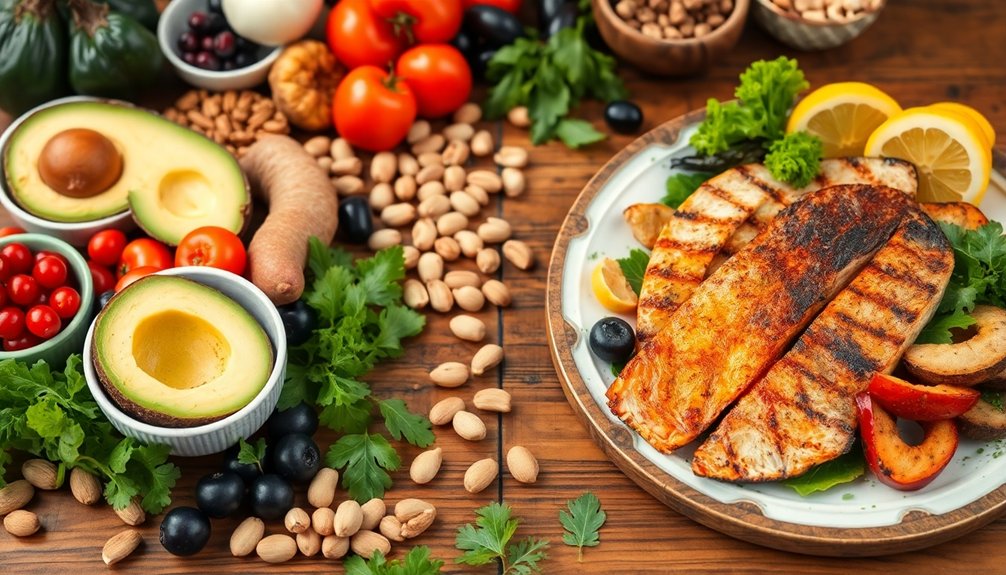
The Paleo and Keto diets both emphasize whole, unprocessed foods, but they differ in macronutrient compositions and food restrictions. Keto pushes for high-fat intake and limits carbs, while Paleo allows a broader range of fruits and starchy vegetables. Dairy’s not permitted in Paleo but is allowed in Keto, which can influence nutrient intake. Each diet has unique benefits and potential risks. To fully grasp their connections and decide which might suit you best, explore the details further.
Overview of Paleo and Keto Diets
When you explore the Paleo and Keto diets, you’ll find they both emphasize whole, unprocessed foods but take different approaches to nutrition.
The Paleo diet focuses on foods that early humans would’ve eaten, excluding grains, legumes, and most dairy while promoting meats, fish, fruits, and vegetables.
In contrast, the Keto diet aims for ketosis by drastically reducing carbohydrate intake to around 5-10%, primarily from low-sugar vegetables and berries.
While both diets eliminate grains and legumes, the Keto diet restricts carbs more severely than the Paleo diet, which allows a wider variety of fruits and natural sweeteners.
Ultimately, the Paleo diet promotes overall wellness, whereas the Keto diet specifically targets macronutrient ratios to shift your body’s energy source from glucose to ketones. Additionally, the Keto diet has been shown to improve insulin sensitivity, making it a potential option for those looking to enhance metabolic health.
Key Differences in Macronutrient Composition
The Keto diet typically consists of about 70-80% fat, 20-25% protein, and only 5-10% carbohydrates, emphasizing low carbohydrate intake to achieve ketosis. In contrast, the Paleo diet doesn’t follow strict macronutrient ratios, allowing for higher carbohydrate intake from fruits and vegetables.
While Keto permits high-fat dairy like cream and cheese, Paleo excludes all dairy, focusing on non-dairy fat sources. Additionally, starchy vegetables are restricted on Keto but can be enjoyed in moderation on Paleo, offering a greater variety of carbohydrate sources. Understanding the benefits of improving insulin sensitivity is crucial for those considering these diets, as it can influence overall metabolic health.
Allowed Foods: Fruits, Vegetables, and Proteins
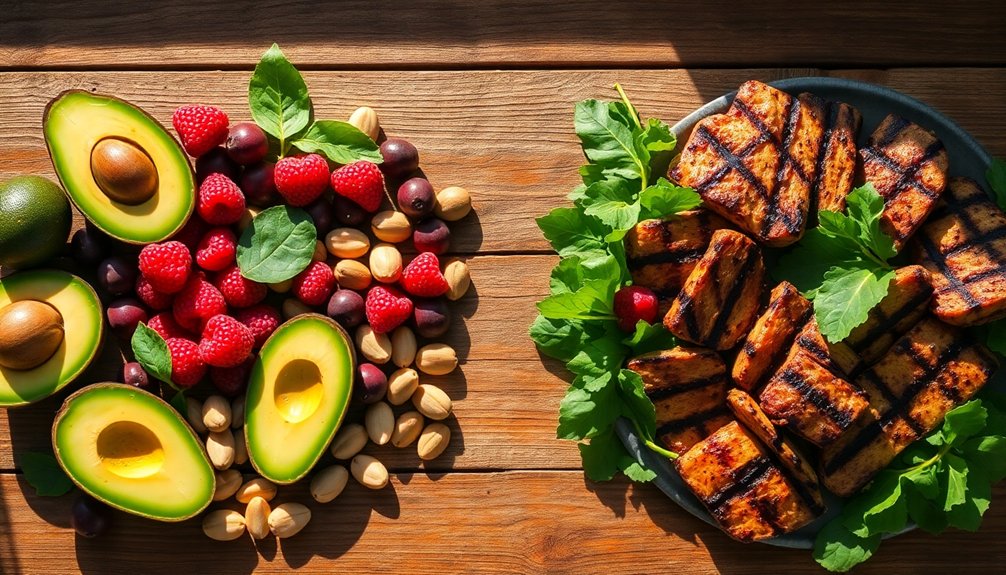
While both the Paleo and Keto diets offer a variety of allowed foods, their approaches to fruits, vegetables, and proteins differ considerably.
The Paleo diet encourages a wide range of fruits and vegetables, focusing on whole-food sources without restrictions. In contrast, the Keto diet limits fruit intake to low-sugar options, primarily berries, and restricts starchy vegetables. For instance, the Keto diet prominently features keto-friendly fruits like avocados and berries, which are low in carbohydrates and high in nutrients.
When it comes to proteins, the Paleo diet emphasizes meats, fish, and eggs without fat restrictions, while the Keto diet prioritizes higher fat intake, allowing for more fatty cuts of meat.
Both diets exclude grains and legumes, but Paleo allows for more carbohydrates from fruits and starchy vegetables, whereas the Keto diet strictly limits carbs to maintain ketosis.
The Role of Dairy in Each Diet
Dairy plays a pivotal role in distinguishing the Paleo and Keto diets, influencing their nutritional profiles and health impacts.
The Paleo diet strictly excludes all dairy products, believing they weren’t part of the Paleolithic era, while the Keto diet permits high-fat dairy options like butter, cream, and cheese.
For you, this means that if you’re following Paleo, you’ll need to find alternative fat sources, such as avocados and nuts.
In contrast, Keto allows for low-lactose dairy to help meet macronutrient goals, providing extra fat and protein.
While Paleo advocates claim dairy can cause inflammation and digestive issues, Keto dieters often thrive on the additional nutrients dairy provides.
Incorporating low-carb, high-fat dairy can enhance the variety of meals and snacks while adhering to keto guidelines.
Ultimately, your choice will affect how you approach these diets.
Sweeteners and Sugar: What’s Permitted?

When it comes to sweeteners, each diet has its own rules.
You can enjoy natural sweeteners like honey and maple syrup on Paleo, while Keto keeps it strict with low-carb options like stevia. Understanding these differences helps you navigate your choices effectively. Additionally, exploring keto-friendly sugar substitutes can enhance your recipes without compromising your dietary goals.
Allowed Sweeteners Comparison
As you explore the sweeteners permitted in both the Paleo and Keto diets, it’s essential to understand their differing philosophies.
The Paleo diet embraces natural sweeteners like honey, maple syrup, and coconut sugar, while firmly excluding refined sugars and artificial options.
In contrast, the Keto diet restricts sweeteners to those with minimal carbohydrates, allowing allowed sweeteners such as stevia, erythritol, and monk fruit sweetener.
While Paleo permits higher sugar content, Keto limits total daily carbohydrate intake to 5-10% to maintain ketosis.
Both diets discourage high-calorie, processed sweeteners, but Keto requires stricter carbohydrate counting.
If you’re maneuvering through these diets, knowing which sweeteners fit your goals can help you make informed choices.
Sugar Restrictions Overview
Steering through the sweeteners allowed in both the Paleo and Keto diets can be tricky, especially with their differing rules.
The Keto diet primarily restricts sugar and sweeteners high in carbs, allowing only non-caloric options like stevia and erythritol.
On the other hand, the Paleo diet embraces whole food sweeteners such as honey and maple syrup, though still in moderation.
Both diets eliminate refined sugars, but Paleo focuses on unrefined options, while Keto emphasizes minimizing carb intake to maintain ketosis.
You can enjoy a variety of lower-sugar fruits on Paleo, whereas Keto limits fruit intake to low-sugar berries.
Understanding these differences helps you navigate sweetener choices effectively on your dietary journey.
Natural vs. Artificial Options
While you’re traversing the world of sweeteners on Paleo and Keto diets, understanding the distinction between natural and artificial options is essential.
The Paleo diet embraces natural sweeteners like honey and maple syrup, promoting unrefined sources that align with ancestral eating habits. In contrast, the Keto diet strictly limits sweeteners to low-carbohydrate options such as stevia and erythritol, aiming to maintain low carbohydrate intake for ketosis.
Both diets eliminate refined sugars, but their sweetener philosophies diverge considerably. Paleo allows a broader range of fruits, while Keto restricts most due to high sugar content.
Ultimately, your choice between these diets will determine which natural sweeteners you can enjoy and how strictly you must adhere to carbohydrate limitations.
Impact on Gut Health and Inflammation
The impact of the Paleo and ketogenic diets on gut health and inflammation is significant, especially since both emphasize whole, unprocessed foods. By eliminating gluten and refined sugars, you reduce irritants that can harm the gut lining and contribute to inflammation.
The ketogenic diet may excel in alleviating symptoms of irritable bowel syndrome (IBS), as its high-fat content can lower inflammation and support a healthier gut microbiome. Meanwhile, both diets encourage the intake of vegetables, nuts, seeds, and berries, which are essential for promoting a balanced gut microbiota.
This combination helps enhance digestion and mitigates gut-related issues, ultimately leading to improved gut health and reduced inflammation. Additionally, the ketogenic diet’s ability to reduce oxidative stress enhances overall gut health, making it a valuable option for those seeking to improve their wellness. Adopting either diet can be a beneficial step toward better overall wellness.
Nutritional Considerations and Potential Deficiencies
When you’re following the Paleo or Keto diet, it’s essential to be aware of potential nutrient deficiencies that can arise from excluding certain food groups. You might need to take into account supplementation, especially for electrolytes and omega-3s on Keto, while focusing on a variety of fruits and vegetables on Paleo. Regular check-ins with your healthcare provider can help guarantee you’re meeting your nutritional needs. Additionally, understanding the importance of insulin sensitivity can help you make informed dietary choices that support your overall metabolic health.
Nutrient Deficiencies Risks
Nutrient deficiencies can pose significant risks for those following the Paleo or Keto diets, especially since both approaches eliminate entire food groups.
On the Keto diet, restricting carbohydrates may lead to a lack of fiber, B vitamins, and essential minerals.
Meanwhile, the Paleo diet‘s exclusion of dairy and grains often results in inadequate calcium and vitamin D intake.
You might also struggle with dietary fiber due to the absence of legumes and certain grains, impacting your digestive health.
If you have specific health conditions, it’s important to be proactive about these risks.
Consider strategic supplementation or carefully chosen foods to help meet your nutritional needs and mitigate potential deficiencies while adhering to your chosen diet.
Supplementation Recommendations
To guarantee you’re meeting your nutritional needs while following the Paleo or Keto diets, considering targeted supplementation can be crucial. Both diets can lead to nutrient deficiencies due to the elimination of certain food groups.
For the Keto diet, supplements like magnesium, potassium, and sodium can help ease “keto flu” symptoms and maintain electrolyte balance.
If you’re following the Paleo diet, you might need calcium supplementation since dairy, a primary calcium source, is excluded. Additionally, vitamin D is often recommended for both diets, especially if sunlight exposure is limited.
Omega-3 fatty acids are also essential, so consider fish oil supplements if your fish intake is low—these fatty acids support heart and brain health effectively.
Long-term Sustainability and Lifestyle Adaptation
While both the Paleo and Keto diets offer health benefits, their long-term sustainability markedly differs.
The Paleo diet emphasizes whole foods and provides flexibility, making it easier for you to stick with it over time. You can enjoy a wider variety of fruits and vegetables, which helps combat feelings of deprivation.
In contrast, the strict macronutrient ratios of the Keto diet can make long-term adherence challenging, requiring meticulous tracking of fat, protein, and carbs.
If you shift from Paleo to a well-formulated Keto diet, you might experience positive lifestyle adaptations, like increased energy and reduced cravings. This is partly due to the decreased inflammation levels that the Keto diet promotes, enhancing overall well-being.
However, the more flexible approach of the Paleo diet enhances long-term sustainability, allowing for a more enjoyable and manageable dietary change.
Health Benefits and Risks of Each Diet
When comparing the health benefits and risks of the Keto and Paleo diets, it’s essential to take into account how each approach affects your body and well-being.
The Keto diet can promote rapid weight loss and improve blood sugar control, but it may raise LDL cholesterol levels and cause “keto flu” symptoms like headaches and fatigue.
On the other hand, the Paleo diet emphasizes whole, unprocessed foods, enhancing nutrient intake and potentially reducing inflammation, yet it may lead to deficiencies in calcium and certain micronutrients.
Both diets support gut health, but Keto may relieve gastrointestinal issues more effectively. Additionally, the Keto diet’s insulin sensitivity benefits can significantly aid in managing blood sugar levels over time.
Ultimately, understanding these health risks and benefits helps you make an informed decision about which diet aligns with your health goals.
Choosing the Right Diet for Your Needs
How do you choose the right diet for your needs? Start by defining your health goals.
If you’re looking for flexibility and variety, the Paleo diet might suit you better, as it includes a range of whole foods without strict macronutrient counting.
However, if rapid weight loss and better blood sugar control are your priorities, the Keto diet could be more effective, thanks to its low carbohydrate intake. Additionally, the increased insulin sensitivity achieved through the Keto diet can significantly aid in maintaining stable blood sugar levels.
For those prioritizing rapid weight loss and improved blood sugar control, the Keto diet’s low carb approach may be your best option.
Keep in mind that the Keto diet requires adherence to specific macronutrient ratios, which can be challenging for some.
If you’re concerned about nutrient deficiencies, the Paleo diet offers a broader selection of fruits and vegetables.
Always consult a healthcare professional before making significant dietary changes to guarantee your choice aligns with your individual health needs.
Conclusion
In the end, choosing between the Paleo and Keto diets is like picking a path through a dense forest; both lead to health but require different journeys. You’ll want to reflect on your lifestyle, preferences, and nutritional needs as you navigate. Whether you embrace the ancestral roots of Paleo or the fat-fueled energy of Keto, remember that the best diet is the one that feels right for you, allowing you to thrive rather than just survive.