

The Dirty Keto diet lets you enjoy a low-carb lifestyle while including processed foods, making it easier to stick to than traditional keto. You’ll focus on hitting your macronutrient goals, prioritizing high fat intake for weight loss. However, relying on processed options can lead to nutritional deficiencies and long-term health risks. To balance things, it’s smart to incorporate nutrient-dense foods. If you’re curious about how to make it work for you, there’s more to explore.
What Is the Dirty Keto Diet?

The Dirty Keto Diet, while similar to the traditional ketogenic approach, allows for a more relaxed stance on food quality.
The Dirty Keto Diet offers a flexible approach, prioritizing low carbs over food quality for a more sustainable lifestyle.
With Dirty Keto basics, you focus on maintaining low carbohydrate intake while enjoying greater dietary flexibility. Instead of stressing over wholesome ingredients, you can indulge in processed foods that fit your macro goals.
This means you might opt for fast food burgers without the bun or snacks like cheese puffs, all while keeping your carb count low. The idea is to make keto more sustainable and less restrictive, appealing to those who struggle with strict diets.
If you crave convenience and want to simplify your meal prep, Dirty Keto could be the solution you’re looking for. Additionally, this approach may still promote increased fat burning similar to traditional keto, helping some individuals manage their weight effectively.
How Does Dirty Keto Differ From Traditional Keto?
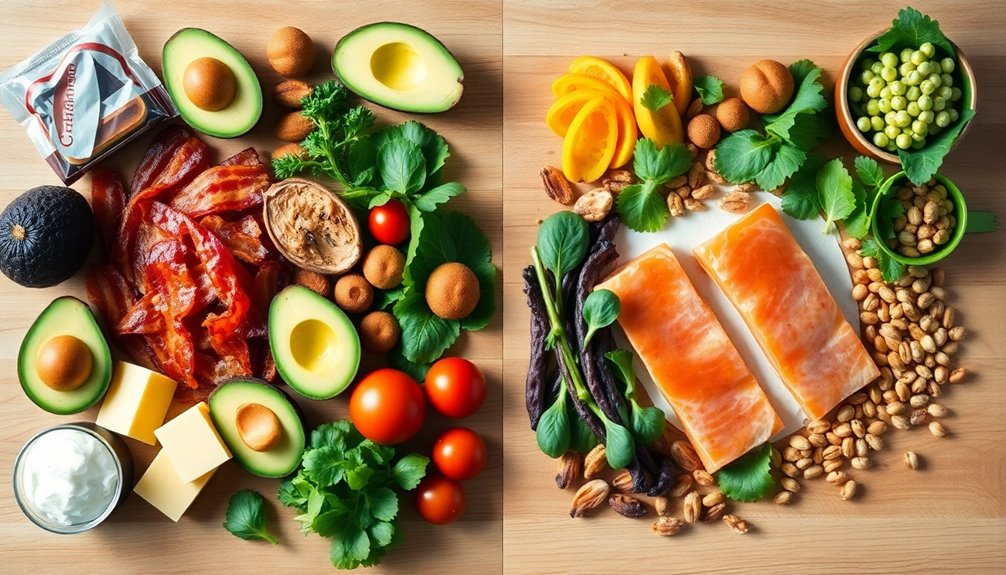
Dirty Keto stands out from traditional keto primarily in its approach to food quality. While both aim for low carb intake, dirty keto embraces convenience and flexibility, often leading to common keto misconceptions.
Here’s how they differ:
- Food Quality: Dirty keto allows processed and unhealthy foods, while traditional keto emphasizes whole, nutrient-dense options.
- Dietary Flexibility: You can eat items like fast food and snacks without worrying about ingredients, making it more adaptable.
- Nutrient Balance: Traditional keto focuses on balanced macros, whereas dirty keto often overlooks vitamins and minerals.
- Long-term Sustainability: The ease of dirty keto can be appealing, but it may not support long-term health like traditional keto does.
Choose the approach that aligns with your goals and lifestyle!
Who Is the Ideal Candidate for Dirty Keto?

Are you someone who values convenience and flexibility in your diet? If so, you might be an ideal candidate for Dirty Keto.
This approach suits those with busy lifestyles who want to lose weight without strict meal prep. You don’t have to worry about sourcing organic or clean ingredients; instead, you can focus on hitting your macronutrient targets with whatever fits your dietary preferences.
If you’re looking to achieve specific health goals without the hassle of traditional meal planning, Dirty Keto offers a straightforward path. It’s perfect for individuals who prioritize convenience factors while still aiming for weight loss. Additionally, this method allows you to leverage the benefits of ketosis as a metabolic state while enjoying a wider variety of foods.
Ultimately, if you’re flexible and want to enjoy a variety of foods, Dirty Keto may align well with your lifestyle.
What Are the Key Principles of Dirty Keto?
When you explore the key principles of Dirty Keto, you’ll notice a strong focus on macros. Unlike traditional keto, this approach embraces processed foods, giving you more flexibility in your choices. It’s all about finding what works best for you while still hitting those carb limits. This flexibility can lead to the incorporation of low-carb ingredients that still satisfy cravings while adhering to dietary goals.
Focus on Macros
While following a Dirty Keto diet, you’ll want to prioritize your macronutrient intake to confirm you’re staying in ketosis.
Effective macro tracking is essential for achieving your goals, even if you’re not focusing on whole foods. Here are some key principles to keep in mind:
- High Fat: Aim for about 70-80% of your daily calories from fats.
- Moderate Protein: Keep protein intake around 20-25% to maintain muscle mass.
- Low Carbs: Limit carbohydrates to roughly 5-10% to stay in ketosis.
- Nutrient Balance: Even with processed foods, try to verify you’re not completely neglecting essential nutrients.
Processed Food Inclusion
Incorporating processed foods into your Dirty Keto approach can simplify meal planning and provide variety without sacrificing your carb limits. You can easily find processed snack options like cheese crisps, pork rinds, and low-carb protein bars that fit your macros.
These choices save time and effort, especially when you’re busy.
For effective meal prep strategies, consider bulk cooking meats and pairing them with convenient, pre-packaged salads or veggies. This way, you can create quick meals throughout the week while staying within your dietary goals.
Flexibility in Choices
Dirty Keto thrives on flexibility, allowing you to adapt your food choices to fit your lifestyle and preferences. You don’t have to stick to a rigid meal plan, which opens up a world of meal variety and snack options.
Here are some key principles to keep in mind:
- Choose Your Foods: You can opt for high-fat, low-carb processed foods that fit your macros.
- Enjoy Convenience: Fast food and snacks are perfectly acceptable, making it easier to stay on track.
- Mix and Match: Feel free to combine different ingredients to create meals you love.
- Listen to Your Body: You can adjust based on how you feel, ensuring a sustainable approach.
With Dirty Keto, you can truly make it your own!
What Foods Are Allowed on the Dirty Keto Diet?
If you’re exploring the Dirty Keto diet, you’ll find that it allows a wide range of foods, often prioritizing convenience over strict nutritional guidelines.
You can enjoy high-fat options like greasy burgers, full-fat cheese, and bacon. Processed snacks like pork rinds, cheese chips, and sugar-free candies fit right in.
For meal ideas, think quick and easy: a salad topped with ranch dressing and grilled chicken, or a breakfast omelet loaded with sausage and cheese.
Don’t shy away from ready-made meals, as long as they’re low in carbs. This flexibility means you can adapt your meals and snack options to match your lifestyle without sacrificing your keto goals. Just remember to keep an eye on your carb intake! Including anti-inflammatory foods in your meals can further enhance your health while on this diet.
Are Processed Foods Really Okay on Dirty Keto?
When it comes to Dirty Keto, you might wonder if processed foods are really okay.
While they can fit into your carb limits, their health implications and nutritional quality are worth considering.
Are you sacrificing your overall well-being for convenience? Moreover, it’s important to note that insulin sensitivity can be negatively impacted by consuming too many processed foods, potentially undermining the benefits of the ketogenic diet.
Health Implications of Processed Foods
While the Dirty Keto diet allows for a range of processed foods, it’s essential to assess their health implications. Relying on these items can lead to several health risks that may affect your overall well-being.
Here are some key points to take into account:
- High Sodium Levels: Processed foods often contain excessive salt, which can elevate blood pressure.
- Additives and Preservatives: These can disrupt nutrient balance and may have long-term health effects.
- Low Nutritional Value: Many processed options lack essential vitamins and minerals, impacting your health.
- Increased Inflammation: Some ingredients can trigger inflammation, leading to various chronic conditions.
Being mindful of these factors can help you make better choices on your Dirty Keto journey.
Nutritional Quality Considerations
Processed foods can seem like a convenient option on the Dirty Keto diet, but their nutritional quality raises important questions.
While you might enjoy the ease of grabbing packaged snacks, these foods often lead to a nutrient imbalance. Many processed items are low in essential vitamins and minerals while being high in unhealthy fats and additives.
This compromise in food quality can impact your overall health, particularly if you’re relying on these options consistently. You may find yourself missing out on crucial nutrients that whole foods provide, which can hinder your wellness goals.
Ultimately, while Dirty Keto offers flexibility, prioritizing nutrient-dense foods alongside your favorite treats can help you achieve a healthier balance.
What Are the Potential Benefits of Dirty Keto?
Although it might seem counterintuitive, the Dirty Keto diet can offer several potential benefits for those looking to lose weight or improve their health. Here are some key advantages you might experience:
- Weight Loss: By focusing on high-fat, low-carb foods, you can enter ketosis, which may help you shed pounds.
- Simplicity: You don’t have to worry about tracking nutritional quality, making meal prep easier and more convenient.
- Flexibility: Enjoying a broader range of foods means you can satisfy cravings without feeling restricted.
- Sustained Energy: Many find that high-fat foods provide lasting energy, helping you stay active throughout the day. Additionally, maintaining electrolyte balance can enhance cognitive function and concentration, supporting your overall energy levels.
Dirty Keto can be appealing, especially if you want to enjoy food while pursuing health benefits and weight loss.
What Are the Common Misconceptions About Dirty Keto?
What misconceptions do people have about the Dirty Keto diet? Many folks believe that dirty keto is just an excuse to eat junk food. While it’s true that the diet allows for less whole foods, it doesn’t mean you should fill your plate with processed items.
Another common myth is that you can’t lose weight on dirty keto; however, you can still achieve your goals if you maintain the right macronutrient ratios.
Some keto misconceptions also suggest that dirty keto is unhealthy, but quality matters—opting for better sources of fat can make a difference. Ultimately, understanding these dirty keto myths helps you make informed choices while following the diet. Additionally, increased fat burning on a dirty keto diet can still support weight loss goals when combined with effective macronutrient management.
What Are the Possible Drawbacks of Dirty Keto?
While dirty keto can be appealing for its flexibility, it also comes with potential drawbacks that you should consider. Here are some key points:
- Nutrient Density: Relying on processed foods may lead to nutrient deficiencies, impacting your overall health.
- Keto Sustainability: The long-term viability of a dirty keto approach is questionable, as it can become monotonous and hard to maintain.
- Health Risks: Consuming unhealthy fats and additives could increase the risk of heart disease and other health issues; in fact, a high intake of saturated fats may increase heart disease risk.
- Digestive Issues: A lack of fiber from whole foods might lead to digestive discomfort, making it harder to stick with the diet.
Keep these drawbacks in mind to guarantee a well-rounded approach to your dietary choices.
How to Balance Dirty Keto With Nutrient-Dense Foods
Finding the right balance between dirty keto and nutrient-dense foods can greatly enhance your diet’s effectiveness and health benefits.
Start by focusing on nutrient timing—aim to incorporate whole foods during your meals, especially around your workout sessions. Plan your meals to include leafy greens, healthy fats, and quality protein. For instance, pair avocado and salmon with low-carb veggies for a satisfying meal.
Focus on nutrient timing by incorporating whole foods around workouts, like avocado and salmon with low-carb veggies.
While indulging in dirty keto options, limit them to occasional treats.
Meal planning helps you stay on track, ensuring you have nutrient-rich foods readily available. This way, you can enjoy the freedom of dirty keto while still fueling your body with essential vitamins and minerals, supporting overall wellness and energy levels. Additionally, tracking your macro consumption can help maintain the right balance of nutrients and enhance your weight loss efforts.
What Should You Watch Out for on Dirty Keto?
When you follow Dirty Keto, you need to be cautious about nutritional deficiencies. Relying on unhealthy food choices can leave you missing out on essential vitamins and minerals. It’s vital to find a balance to guarantee you’re fueling your body properly. Additionally, focusing on healthy fats can help mitigate some risks associated with poor dietary choices.
Nutritional Deficiencies Risk
As you immerse yourself in the Dirty Keto diet, it’s crucial to be aware of potential nutritional deficiencies that could arise. The focus on high-fat, low-carb foods can hinder nutrient absorption and lead to various vitamin deficiencies.
Here are four key areas to watch out for:
- Vitamin D: Essential for bone health, often lacking in high-fat diets.
- Magnesium: Critical for muscle function and energy, may drop due to limited food variety.
- B Vitamins: Important for energy metabolism; inadequate sources can lead to fatigue.
- Fiber: Low intake can affect gut health and digestion, leading to discomfort.
Being mindful of these nutrients can help you maintain a balanced approach while following Dirty Keto.
Unhealthy Food Choices
While Dirty Keto can offer quick weight loss, it often leads to unhealthy food choices that can undermine your health. You might find yourself reaching for unhealthy snacks like cheese puffs or low-carb candy instead of whole foods.
Fast food options, which are often marketed as keto-friendly, can be loaded with unhealthy fats, preservatives, and additives that don’t support your well-being. Relying on these quick fixes might satisfy your cravings but can lead to nutritional imbalances and long-term health issues.
Being mindful of what you consume is essential. Opt for whole, nutrient-dense foods whenever possible to truly benefit from a keto lifestyle. Remember, quality matters just as much as quantity in your diet choices.
How to Track Your Macros on the Dirty Keto Diet?
How can you effectively track your macros on the Dirty Keto diet? It’s all about keeping tabs on your carb, fat, and protein intake, even if you’re indulging in less-than-ideal foods. Here’s how to make macro tracking simple:
- Use a tracking app: Apps like MyFitnessPal or Cronometer can help you log your food and calculate macros easily.
- Read labels: Get into the habit of checking nutrition labels to understand what you’re consuming.
- Plan your meals: Prepare meals in advance to guarantee you hit your macro targets without guessing.
- Adjust as needed: Monitor your progress and tweak your intake to stay aligned with your Dirty Keto goals.
Staying consistent will help you succeed!
What Are the Long-Term Health Implications of Dirty Keto?
Tracking your macros on the Dirty Keto diet can help you manage your diet, but it’s important to evaluate the long-term health implications of this approach.
While you might see quick weight loss, you should consider the potential long-term effects on your health. Relying on processed foods and unhealthy fats can lead to increased cholesterol levels, heart disease, and nutritional deficiencies.
Quick weight loss may tempt you, but processed foods and unhealthy fats pose serious long-term health risks.
You may also experience digestive issues due to a lack of fiber. Over time, these health risks could outweigh the short-term benefits.
Balancing your food choices with whole, nutrient-dense options is essential to mitigate these risks, ensuring that your health remains a priority while pursuing your dietary goals.
How to Transition From Traditional Keto to Dirty Keto?
Shifting from traditional keto to dirty keto requires you to evaluate your food choices carefully.
You’ll need to adjust your macronutrient ratios to fit the dirty keto approach, focusing more on convenience and less on quality.
Keep an eye on your progress to guarantee you’re still meeting your goals while enjoying a wider variety of foods.
Evaluate Your Food Choices
As you consider shifting from traditional keto to dirty keto, it’s essential to evaluate your food choices carefully.
While dirty keto allows for more flexibility, maintaining a good nutrient balance and considering food quality is vital.
Here are some tips to help you navigate smoothly:
- Stick to Low-Carb Basics: Choose high-fat, low-carb foods like meats, cheeses, and oils.
- Limit Processed Foods: While you can indulge, try to minimize your intake of heavily processed items.
- Incorporate Nutrient-Dense Options: Include avocados and leafy greens for added nutrients.
- Watch Portion Sizes: Even with junk food, keep an eye on portions to maintain balance.
Adjust Macronutrient Ratios
To successfully adjust your macronutrient ratios when shifting from traditional keto to dirty keto, focus on embracing a more flexible approach.
Start by prioritizing your macronutrient balance. While traditional keto emphasizes strict ratios, dirty keto allows for more variety in your food choices. You can still aim for high fats, moderate proteins, and low carbs, but don’t stress if those numbers wobble a bit.
Make dietary adjustments by incorporating less conventional options like processed snacks. Just remember to keep an eye on your overall carb intake to maintain ketosis.
This way, you can enjoy some of your favorite foods while still benefiting from the keto lifestyle. Flexibility can make it easier to stick with your new plan long-term.
Monitor Your Progress
- Set Clear Goals: Define what you want to achieve with dirty keto, whether it’s weight loss or increased energy.
- Log Your Meals: Use an app or journal to record what you eat, focusing on your macronutrient intake.
- Weigh Yourself Regularly: Monitor your weight weekly to see if you’re progressing as planned.
- Adjust as Needed: If you’re not hitting your goals, reassess your food choices and portion sizes.
What Resources Can Help You Succeed on Dirty Keto?
While diving into the Dirty Keto diet, having the right resources can make all the difference in your success.
Start with meal planning to simplify your week and stay on track. Explore recipe ideas that fit your preferences, ensuring you enjoy your meals.
Joining support groups can provide motivation and encouragement from others on the same journey. Utilize tracking apps to monitor your macros and progress effectively.
Cooking tips can help you create delicious, keto-friendly dishes without the fuss. Don’t forget to consult nutritional guides for a better understanding of what fits your goals.
Finally, budgeting strategies will help you maintain your diet without breaking the bank.
With these resources, you’ll be well-equipped for your Dirty Keto adventure!
Conclusion
So, if you think embracing dirty keto means you can indulge in fast food and still shed pounds, you might be onto something—at least for a while. But remember, while the scale may tip in your favor, your health could be taking a backseat. It’s a bit ironic, isn’t it? You can have your cake and eat it too, but that cake might just come with a side of regret. Choose wisely!