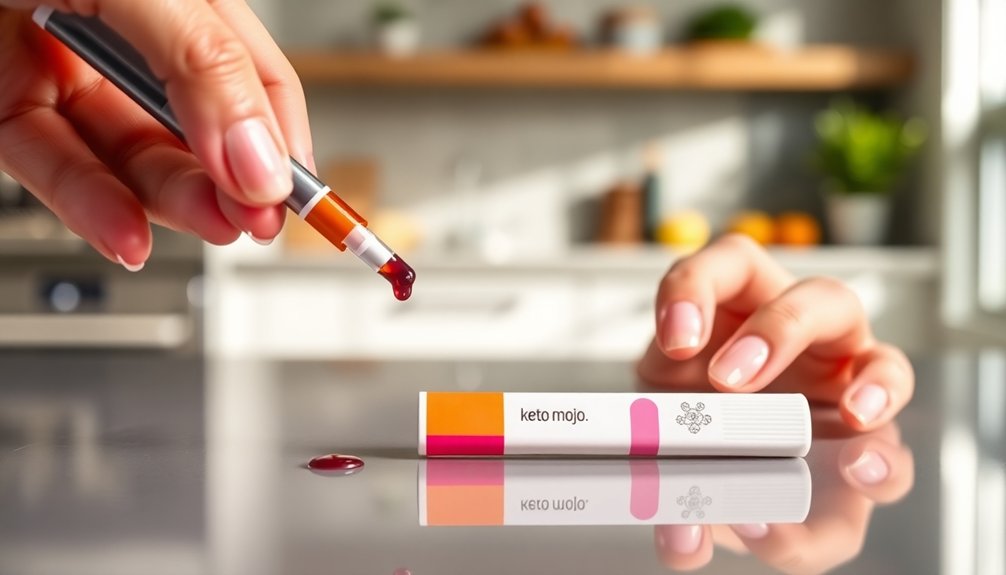

Yes, fasting can effectively induce ketosis without following a strict ketogenic diet. When you fast, your body quickly depletes glycogen stores and shifts to burning fat for energy, producing ketones in the process. This leads to improved mental clarity and energy levels. Plus, fasting promotes autophagy, aiding cellular detoxification. If you’re curious about how long it takes to enter ketosis or tips for successful fasting, there’s plenty more to explore about this powerful approach.
What Is Ketosis and How Does It Work?

When you considerably cut back on carbohydrates, your body enters a state known as ketosis, where it shifts from using glucose to burning fat for energy.
In this metabolic state, your body produces ketones, which serve as an alternative fuel source for both your brain and body. Typically, ketosis kicks in when you consume less than 50 grams of carbohydrates per day.
You may start evolving into this state within just 16 hours of fasting, although individual factors like your diet history and activity level can influence the timing.
To reap the benefits of ketosis—such as weight loss and enhanced cognitive function—it’s essential to maintain high ketone levels in your blood. Additionally, improved insulin sensitivity can further enhance the effectiveness of this metabolic shift, aiding in better blood sugar regulation.
This shift can be a powerful tool in your health journey.
How Fasting Induces Ketosis: The Science Behind It

Fasting triggers ketosis by depleting glycogen stores in your liver, prompting your body to switch from glucose to fat as its primary energy source. Within 16 to 72 hours, as you fast, your liver converts fatty acids into ketones, providing an efficient fuel source for your brain and body.
Here are three key benefits you might experience:
- Enhanced energy levels: You’ll feel more energized as your body taps into fat stores.
- Improved mental clarity: Ketones can boost cognitive function, helping you think sharper.
- Cellular repair: Fasting promotes autophagy, aiding in cellular detoxification and regeneration. Additionally, the increased fat burning that occurs during fasting can further enhance your overall energy levels.
Stay hydrated during your fasting journey to support these processes and ease the shift into ketosis.
Differences Between Fasting and the Ketogenic Diet

When you compare fasting and the ketogenic diet, you’ll notice key differences in their metabolic processes and nutritional approaches.
Fasting triggers ketosis by quickly depleting glycogen stores, while the ketogenic diet requires a strict low-carb, high-fat intake. Understanding these distinctions can help you choose the method that best fits your lifestyle and goals. Additionally, both methods can improve insulin sensitivity, which is crucial for managing blood sugar levels effectively.
Metabolic Processes Compared
While both fasting and the ketogenic diet can shift your body into ketosis, they do so through different metabolic pathways. Fasting quickly depletes glycogen stores, pushing your body to burn fat for fuel, often achieving ketosis within 16 hours.
In contrast, the ketogenic diet takes longer and requires strict macronutrient ratios. Here’s how they differ:
- Speed: Fasting can elevate ketone levels rapidly, while the ketogenic diet is a gradual process.
- Autophagy: Fasting triggers this cellular detox, while its occurrence on keto isn’t guaranteed.
- Side Effects: Fasting avoids some keto flu symptoms, making it a gentler approach for many.
Understanding these differences can help you choose the right path for achieving ketosis.
Nutritional Approaches Differentiated
Both fasting and the ketogenic diet offer unique pathways to reach ketosis, yet they differ markedly in their approaches.
Fasting quickly depletes glucose stores, allowing your body to enter ketosis in as little as 16 hours. In contrast, the ketogenic diet requires a strict reduction in carbohydrates, typically under 50 grams daily, which can take several days for your body to fully adapt.
Fasting leverages your natural metabolic processes, while the ketogenic diet demands careful macronutrient management, emphasizing high fat intake.
Additionally, fasting promotes autophagy, aiding cell detoxification, a benefit not directly linked to the ketogenic diet.
Finally, fasting tends to have a more gradual metabolic impact, often perceived as safer compared to the potential acidity increase from a ketogenic approach.
What Happens to Your Body During Fasting?
When you fast, your body shifts from using glucose to burning fat for energy, which kicks off a metabolic transformation.
As this process unfolds, ketone production ramps up, offering you a steady source of energy and mental clarity.
Plus, fasting activates autophagy, helping your body detoxify and regenerate at a cellular level. This shift towards burning fat can also lead to improved insulin sensitivity, crucial for maintaining stable blood sugar levels.
Metabolic Shift Occurs
As your body enters a fasting state, it quickly depletes glycogen stores and begins to shift toward burning fat for energy.
This metabolic shift is essential for reaching ketosis, as your body adapts to rely on fat and enhances fat oxidation.
You’ll notice some significant changes:
- Increased ketone levels can lead to improved mental clarity and focus.
- Enhanced fat oxidation helps you feel lighter and more energized.
- The process of autophagy promotes healing, giving your cells a fresh start.
2. Ketone Production Increases
Once your body shifts to fat metabolism, ketone production ramps up considerably.
As you enter a fasting state, your glycogen stores deplete, pushing your body to utilize fat for energy. This change can lead to significant increases in ketone levels, often reaching nutritional ketosis within 16 to 72 hours of fasting, depending on how long you fast.
The rise in ketone production not only fuels your body but also helps preserve muscle mass while promoting fat loss.
Staying hydrated during this process is essential, as it supports kidney function and helps manage the potential side effects of elevated ketone levels.
3. Autophagy Activation Begins
Fasting initiates a remarkable process called autophagy, where your body begins to break down and recycle damaged cells and proteins. This powerful mechanism kicks in within 16-24 hours of fasting, promoting cellular repair and detoxification.
As you embrace fasting, you may experience:
- Enhanced metabolic health, making weight loss easier.
- A clearer mind, thanks to increased ketone production for energy.
- Reduced inflammation, paving the way for longevity.
Staying hydrated during this process is vital, as it supports detoxification and helps alleviate discomfort from released toxins.
How Long Does It Take to Enter Ketosis Through Fasting?
How quickly can you expect to enter ketosis through fasting? If you’re dry fasting, you might enter ketosis in as little as 16 hours. This happens when your body depletes its glucose stores and starts breaking down fat for energy.
With water fasting, it usually takes around 72 hours, though your individual metabolic rate and past dietary habits play a role. Engaging in intermittent fasting can speed up this process, allowing you to enter ketosis more quickly, often with shorter fasting windows.
You can monitor your progress through increased ketone production, which you can test via blood or urine. Additionally, fasting can mimic some benefits of the ketogenic diet, enhancing insulin sensitivity and promoting fat burning. So, listen to your body, and stay consistent for the best results.
Benefits of Achieving Ketosis Without Dietary Restrictions
Achieving ketosis without strict dietary restrictions can be a game-changer for your health and lifestyle. By utilizing fasting, you can enjoy the benefits of ketosis while maintaining some flexibility in your eating habits.
Here are three key advantages to evaluate:
- Significant Fat Loss: Fasting promotes fat burning efficiently, allowing you to shed pounds without rigid dieting.
- Enhanced Mental Clarity: Many people experience improved focus and energy levels during the fasting state, making daily tasks easier and more enjoyable.
- Cellular Detoxification: The autophagy process during fasting helps detoxify cells, leading to better overall health markers. Additionally, fasting can improve insulin sensitivity, which is crucial for better blood sugar regulation.
With these benefits, you can achieve ketosis and improve your well-being—all without the constraints of a traditional ketogenic diet.
Common Misconceptions About Fasting and Ketosis
Many people hold misconceptions about fasting and its role in achieving ketosis. They often think ketosis can only happen through a strict ketogenic diet, but fasting can actually induce ketosis by depleting glycogen stores and promoting fat breakdown in just 16 to 72 hours.
Some worry that fasting leads to starvation, but it allows your body to use fat for energy while increasing ketone production without restricting carbs.
Others assume fasting’s benefits are limited to weight loss, overlooking its ability to promote autophagy and enhance overall health.
It’s also a myth that fasting must be prolonged; even intermittent fasting can elevate ketone levels effectively.
With mindful practice, fasting can be a safe and sustainable option for many individuals. Additionally, fasting can improve insulin sensitivity, further supporting blood sugar regulation and overall metabolic health.
The Role of Hydration in Fasting and Ketosis
While fasting can effectively promote ketosis, staying hydrated is essential for a smooth experience. Proper hydration supports your fasting state by maintaining electrolyte balance and preventing dehydration-related headaches and fatigue.
Here are a few reasons to prioritize hydration:
- Detox Support: Drinking enough water aids detoxification, helping your body shift into ketosis more efficiently.
- Cognitive Boost: Staying hydrated enhances your cognitive function and energy levels, making fasting easier.
- Electrolyte Balance: Incorporating electrolyte-rich fluids, like bone broth, can alleviate common side effects and support fat metabolism. Additionally, consuming healthy fats can further support your body during this transition.
Aim for 2-3 liters of water daily to optimize your fasting experience.
With the right hydration, you’ll not only feel better but also make your journey into ketosis smoother and more effective.
How Intermittent Fasting Can Enhance Ketosis
Proper hydration sets the stage for exploring how intermittent fasting can enhance ketosis.
When you engage in intermittent fasting, your glycogen stores deplete, prompting your body to switch from glucose to fat as its primary energy source. This shift can lead you into a state of ketosis within as little as 16 hours of fasting.
By combining intermittent fasting with short eating windows, you can boost ketone production, resulting in higher energy levels and improved mental clarity. Additionally, fasting promotes autophagy, which supports cellular health and amplifies ketosis benefits. This process enhances fat oxidation, allowing for more efficient utilization of stored fat.
Potential Side Effects of Fasting for Ketosis
It’s essential to stay hydrated and manage your electrolyte levels to minimize discomfort. Understanding these potential side effects can help you navigate your fasting journey more effectively. Additionally, research suggests that reduced brain inflammation during fasting can enhance cognitive function, making it an appealing option for those seeking mental clarity.
Common Fasting Side Effects
Many people experience common side effects when fasting, especially during the initial shift into ketosis. You might feel like you’re battling the “fasting flu,” a term that captures the discomfort many face.
Here are three common fasting side effects you should watch for:
- Headaches and Fatigue: As your body adjusts, these symptoms can sap your energy and focus.
- Digestive Issues: Changes in your eating patterns may lead to constipation or bloating.
- Mood Swings: Emotional fluctuations and irritability can arise as your body adapts to lower energy availability.
Don’t forget about hydration, either; forgetting to drink enough water could lead to dizziness and dry mouth.
Understanding these side effects can help you prepare for your fasting journey.
Managing Discomfort During Fasting
As you navigate fasting, managing discomfort is key to a successful change into ketosis. You might experience what’s often called “keto flu,” with symptoms like headaches, fatigue, and nausea as your body adjusts.
Temporary discomfort can also arise from autophagy, which releases toxins during fasting. To combat these effects, it’s essential to stay hydrated; dehydration can exacerbate dizziness and fatigue.
If you’re new to fasting, expect some hunger or irritability as your body learns to burn fat for fuel instead of carbohydrates.
Listen to your body and ease into fasting gradually, allowing for a smoother change. By being mindful of these factors, you can minimize discomfort and enhance your overall fasting experience.
Is Fasting Safe for Everyone? Key Considerations?
Fasting can offer various health benefits, but it isn’t suitable for everyone. Before diving into a fasting state, consider these key factors:
- Medical Conditions: If you have diabetes or an eating disorder, fasting could worsen your condition.
- Pregnancy and Breastfeeding: Fasting may jeopardize maternal and fetal health, so it’s best to avoid it during this time.
- Medications: If you’re on medications that require food, consult a healthcare professional first.
Individual responses to fasting can vary, so always listen to your body. Staying hydrated is vital to support detoxification processes.
If you experience adverse effects, seek medical guidance to guarantee your health remains a priority while exploring fasting’s potential benefits.
Tips for Successfully Fasting to Achieve Ketosis
To successfully fast and achieve ketosis, it’s crucial to plan your approach carefully. Start with at least 16 hours of fasting to deplete glycogen stores and enter a fasted state where your body begins to burn fat for fuel.
Stay hydrated throughout your fast; water helps support detoxification and eases discomfort during autophagy. Incorporating light physical activity, like a 15-minute walk, can further enhance ketone production by using up stored carbohydrates.
Consider intermittent fasting as an effective strategy, allowing your body to naturally switch to fat-burning mode without strict carb restrictions.
Finally, monitor how your body responds and consult a healthcare professional to guarantee a safe and effective path to ketosis.
How to Monitor Your Ketone Levels During Fasting
To effectively monitor your ketone levels during fasting, you’ll want to choose the right method, such as a blood ketone meter for precise measurements.
Aim for a BHB level between 0.5 and 3.0 mmol/L to guarantee you’re in nutritional ketosis.
Checking your levels every few hours can help you track your progress and make necessary adjustments.
Monitoring Methods Available
Monitoring your ketone levels during fasting is essential for understanding your body’s state of ketosis. You’ve got several effective monitoring methods to choose from:
- Ketone Testing Strips: Quick and cost-effective, these strips measure acetoacetate in urine, but may lose accuracy over time.
- Blood Ketone Meters: Offering the most precise results, these devices measure beta-hydroxybutyrate levels. Aim for 1.5 to 3.0 mmol/L for ideal ketosis.
- Breath Analyzers: These non-invasive tools detect acetone in your breath, though hydration can affect accuracy.
Remember to check your ketones consistently, like before meals or after fasting periods, to track your progress and make necessary adjustments.
Knowing your levels can keep you motivated on your journey!
Ideal Ketone Levels
Understanding ideal ketone levels is essential for anyone fasting, as these levels indicate whether you’re successfully entering ketosis.
For nutritional ketosis, aim for ketone levels between 0.5 to 3.0 millimoles per liter (mmol/L) in your blood. You can monitor these levels using blood tests, breath analyzers, or urine strips, with blood tests being the most reliable.
Ketone levels typically start rising within 16 hours of fasting and can reach optimal levels after 24-72 hours, depending on your metabolism and activity.
Regularly checking your ketones helps you assess if you’re in ketosis, allowing you to adjust your fasting duration or dietary choices as needed.
Remember to stay hydrated and maintain electrolyte balance for the best results.
Timing for Testing
Knowing your ideal ketone levels sets the stage for effective monitoring during fasting. To guarantee you’re on track, consider these key moments for testing ketone levels:
- Morning Baseline: Test 1-2 hours after waking to get an accurate starting point.
- Post-Exercise: Check your levels after workouts; they often spike during fasting periods.
- Regular Intervals: For prolonged fasting, test every few hours to see how your body responds.
Using blood ketone meters gives you the best accuracy, aiming for 1.5 to 3.0 mmol/L for ketosis.
Combining Fasting With Other Health Strategies for Better Results
While fasting alone can yield impressive health benefits, combining it with other strategies can amplify those results.
For instance, engaging in low-intensity exercise, like morning walks, helps deplete glycogen stores efficiently, boosting ketone production and allowing your body to burn fat more effectively.
Additionally, staying hydrated during fasting flushes toxins and aids your body’s shift into ketosis.
Skipping breakfast can naturally induce ketosis within 16 hours, making it easier for you to fast for energy instead of relying solely on a strict keto diet.
You might also consider ketone supplements like HVMN Ketone IQ for an immediate boost in ketone levels, supporting mental clarity without the risks of low blood sugar.
Conclusion
To sum up, achieving ketosis through fasting is not only possible, but it can also be an effective strategy for many. By understanding how your body responds to fasting, you can harness its power to enhance your health. But isn’t it fascinating that you can tap into such a metabolic state without strictly adhering to a keto diet? As you explore fasting, remember to listen to your body and prioritize safety for the best results.