

Lentils aren’t typically considered keto-friendly due to their high carb content. One cup of cooked lentils has about 36 grams of total carbs, potentially exceeding your daily limit on a strict keto diet. While they offer health benefits, like high protein and fiber, portion control is key if you decide to include them. Using alternatives like mushrooms or eggplant can help you stick to keto while still enjoying similar textures and flavors. You’ll find more insights ahead.
Understanding the Keto Diet
When you commence on the ketogenic diet, you aim to enter a metabolic state called ketosis, where your body shifts from burning carbohydrates to burning fat for energy.
To achieve this, you need to greatly reduce your carb intake, typically limiting it to 5–10% of your total daily calories, or about 25–50 grams of net carbs per day.
A strict keto approach means avoiding foods high in carbs, like grains, starchy vegetables, and most fruits. Instead, you’ll focus on high-fat foods, making up 70-80% of your daily intake, and moderate protein for energy needs.
This powerful diet can lead to rapid weight loss, improved blood sugar control, and even therapeutic benefits for certain conditions, as it enhances insulin sensitivity and helps regulate blood sugar levels effectively.
Nutritional Profile of Lentils
When you look at the nutritional profile of lentils, you’ll notice their high carbohydrate content, which can be a concern for those on a keto diet.
However, lentils also pack a punch with their protein and essential nutrients, making them a valuable addition to many diets. Additionally, their high carbohydrate content may complicate achieving optimal insulin sensitivity for those following a ketogenic lifestyle.
Let’s compare their benefits to other legumes and see how they stack up.
Carbohydrate Content Overview
Lentils, while nutritious, pack a considerable carbohydrate punch that can challenge your keto diet. One cup of cooked lentils contains about 39.8 grams of total carbs, with 15.6 grams from dietary fiber, leaving you with roughly 24.2 grams of net carbs.
For those on a strict ketogenic diet, this high carb content can consume up to 50% of your daily allowance, which usually ranges from 25 to 50 grams of net carbs. Even a 100-gram serving has 19.5 grams of carbs, classifying lentils as a high-carb food option.
Nutritional Benefits Highlighted
Although lentils are often sidelined in a keto diet due to their carbohydrate content, they offer a wealth of nutritional benefits that can enhance your overall health.
A cup of cooked lentils packs an impressive 17.9 grams of protein and 15.6 grams of dietary fiber, which supports digestive health and promotes satiety. With approximately 24.2 grams of net carbs, they provide a balance of nutrients that can fit into a well-planned diet.
Lentils are also rich in essential nutrients, including potassium, folate, and phosphorus, which can be tough to find in other keto-friendly foods. Plus, their low fat content—just 0.75 grams per cup—makes them a heart-healthy choice for anyone looking to improve their nutrition.
Comparison to Other Legumes
While lentils boast impressive nutritional benefits, their carbohydrate content can be a concern for those on a keto diet.
With approximately 39.8 grams of total carbs per cup and 24.2 grams of net carbs, lentils have a high number of total carbs compared to other legumes.
Here’s how lentils stack up against some other options:
- Black beans: About 13 grams of net carbs per half-cup.
- Chickpeas: Roughly 32 grams of total carbs per cup.
- Peas: Approximately 10 grams of net carbs per half-cup, making them more keto-friendly.
Carb Content of Lentils
When considering the carb content of lentils, you’ll find that they contain about 36 grams of carbohydrates per cup of cooked lentils.
After factoring in their high fiber content, you get approximately 22 grams of net carbs per cup. This amount can take up at least 50% of your daily carb limit if you’re following a strict ketogenic diet, which typically allows for 25–50 grams of carbs.
Lentils contain about 22 grams of net carbs per cup, potentially exceeding your daily limit on a strict ketogenic diet.
For a 100-gram serving, lentils yield around 11.7 grams of net carbs, making it clear that you may want to avoid lentils altogether. If you’re serious about maintaining ketosis, it’s best to swap lentils for lower-carb alternatives to stay within your daily carbohydrate limits. One great option is cauliflower rice, which offers a nutritious and versatile way to enjoy meals without the carbs.
The Role of Legumes in a Keto Diet
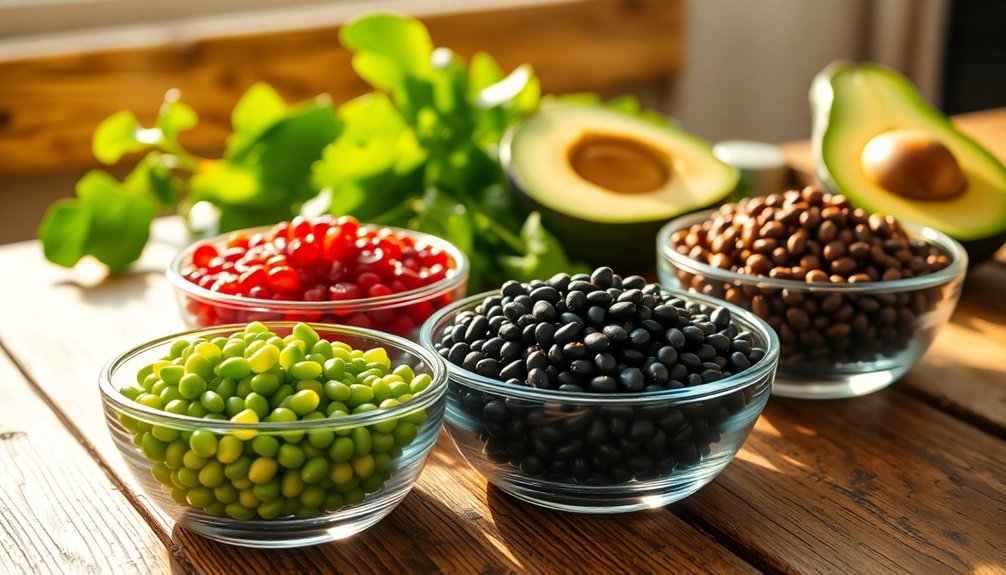
Legumes can play a complex role in a keto diet, as their high carbohydrate content often makes them unsuitable for strict adherence to ketosis. One cup of cooked lentils contains around 36 grams of total carbs and 22 grams of net carbs, consuming a hefty portion of your daily allowance.
If you’re considering incorporating legumes, keep these points in mind:
- Limit portions to avoid exceeding your daily carb limits.
- Focus on low-carb alternatives like mushrooms, eggplant, and certain nuts for similar textures.
- Remember that while beans can offer fiber and nutrients, they may hinder your ability to maintain ketosis. Additionally, lower insulin levels from reducing carbohydrate intake can help further enhance fat burning for those adhering to a keto diet.
Ultimately, prioritize nutrient-dense foods that align with your carb restrictions to stay on track with your keto goals.
Health Benefits of Lentils
Lentils pack a powerful nutrient-rich profile that supports your overall health, providing essential vitamins and minerals.
Their high fiber content boosts digestive health and helps regulate blood sugar levels, making them a smart choice for your meals.
Plus, with low fat and heart-healthy benefits, adding lentils to your diet can be a proactive step towards better heart health. Additionally, their high fiber content contributes to improved insulin sensitivity, which is vital for metabolic health.
Nutrient-Rich Profile
Though often overlooked in low-carb diets, lentils pack a powerful nutritional punch that can benefit your overall health.
These nutrient-dense foods offer a wealth of advantages, including:
- High protein and fiber: With 17.9 grams of protein and 15.6 grams of dietary fiber per cup, they help keep you full.
- Essential vitamins and minerals: Lentils are rich in potassium, folate, and iron—important nutrients that can be hard to get on a keto diet.
- Low in fat: With just 0.75 grams of total fat per cup, they’re heart-healthy while providing significant amounts of magnesium and phosphorus.
Their high fiber content also helps regulate blood sugar levels, making them a smart choice for maintaining balanced energy throughout your day.
Digestive Health Benefits
Incorporating lentils into your diet not only boosts your nutrient intake but also offers significant digestive health benefits.
One cup of cooked lentils contains about 15.6 grams of fiber, which promotes healthy digestion and regular bowel movements. This high fiber content supports gut bacteria, enhancing gut health and potentially lowering the risk of gastrointestinal disorders.
By adding bulk to your stool, lentils can help prevent constipation, making your digestive system function smoothly. Additionally, the soluble fiber in lentils aids in regulating blood sugar levels by slowing sugar absorption, further contributing to overall digestive health.
Heart Health Support
When you’re looking to support heart health, including lentils in your diet is a smart choice. These tiny legumes pack a powerful punch with their nutrient profile. Here’s why you should consider adding them to your meals:
- Rich in protein: Lentils help with weight loss and manage hunger, reducing the risk of obesity-related heart diseases.
- Low in carbs: They’re a great option for those on a keto diet, providing energy without the carb overload.
- Vitamins and minerals: Packed with potassium and magnesium, lentils help maintain healthy blood pressure.
Their fiber content lowers cholesterol levels and supports overall heart health by improving lipid profiles.
Plus, their antioxidant properties help reduce inflammation, making lentils a heart-healthy choice!
Alternatives to Lentils on Keto
If you’re looking for alternatives to lentils while on a keto diet, there are plenty of tasty options to contemplate.
Consider mushrooms as a low-carb option; they offer a similar texture and absorb flavors well, making them versatile in various dishes.
Eggplant is another great substitute, mimicking the consistency of legumes in stews and dips.
Ground meat, like beef, turkey, or chicken, serves as a zero-carb alternative for recipes traditionally using legumes, such as chili.
For those wanting a keto-friendly legume, black soybeans are a fantastic choice, with only 5 grams of net carbs per ½ cup.
Finally, lupini beans provide a high-fiber, low-carb option, containing just 1 gram of net carbs per ½ cup. Incorporating low-carb vegetable alternatives can further enhance your meals and keep them nutritious.
Portion Control and Carb Counting

To maintain a successful ketogenic diet, portion control and meticulous carb counting are critical.
Successful adherence to a ketogenic diet relies heavily on careful portion control and precise carb counting.
When it comes to lentils, you’ll need to be aware of your portion sizes to stay within your carb allowance. One cup of cooked lentils has about 22 grams of net carbs, which can quickly take up a significant portion of your daily limit.
Consider the following strategies:
- Use small portions, like 1/4 cup, to reduce net carbs to around 9 grams.
- Track total carbs from all meals to guarantee you don’t exceed your daily goal.
- Calculate net carbs from lentils against your other meals to maintain ketosis. Regular physical activity can also aid in lowering blood sugar levels, making it easier to manage your diet effectively.
Impact of Lentils on Ketosis
Lentils, while nutritious, can greatly disrupt your ability to stay in ketosis due to their high net carb content. A cup of lentils contains about 36 grams of total carbohydrates, translating to roughly 22 grams of net carbs after fiber deduction.
For people following a strict ketogenic diet, which typically limits daily intake to 25-50 grams of net carbs, consuming just one cup can use up to 50% or more of your allowance. This significant impact makes lentils generally unsuitable for maintaining ketosis.
While smaller portions, like 1/2 cup, might fit into your plan, careful tracking is essential. Remember, seeking keto-friendly alternatives like leafy greens is crucial for staying on track, especially if you’re following medical advice. Moreover, reducing high glycemic index carbohydrates is vital for improving insulin sensitivity and supporting overall health.
Incorporating Lentils in a Cyclical Keto Diet
When you’re following a cyclical keto diet, timing your lentil consumption on high-carb days can be essential. You’ll need to adjust your carb allowance to fit in about half a cup of lentils, which packs around 18 grams of net carbs. Plus, don’t forget the nutrient benefits lentils offer, making them a great addition to your meal plan when managed properly. However, keep in mind that tracking daily nutrition is essential to maintain your keto goals.
Timing Lentil Consumption
Incorporating lentils into your cyclical keto diet can enhance your meals, especially during high-carb days.
Timing lentil consumption is essential for keeping your carb intake in check. Here’s how to enjoy them effectively:
- Stick to a standard serving of cooked lentils, which is about half a cup, containing roughly 12-20 grams of net carbs.
- Combine lentils with low-carb vegetables for balanced meals while adhering to your keto guidelines.
- Track your overall daily carb intake to guarantee you stay within the typical limit of 25-50 grams of net carbs.
Adjusting Carb Allowance
While balancing your carb intake, it’s important to contemplate how lentils fit into your cyclical keto diet.
On high-carb days, you can think about adjusting your carb allowance to include lentils, which contain a high number of net carbs. One cup of cooked lentils has about 44 grams of net carbs, so portion control is essential.
To stay within your total calories and avoid exceeding the typical 50 grams of net carbs, consider using lentils in moderation, like in soups or stews. This way, you can enjoy their nutritional benefits while maintaining your dietary goals.
Just remember, the key is to keep track of your overall carb intake to guarantee you fit lentils into a keto-friendly framework.
Nutrient Benefits of Lentils
Lentils offer a wealth of nutrient benefits that can complement your cyclical keto diet. While they’re considered a high-carb food, small portions can fit into your plan on designated high-carb days.
Here’s what makes lentils a great choice:
- Rich in Plant-Based Protein: One cup provides about 18 grams, helping you meet your protein needs.
- High Fiber Content: Lentils are packed with fiber, supporting digestive health and keeping you full during high-carb phases.
- Essential Vitamins and Minerals: They’re loaded with potassium, magnesium, folate, and iron, which are crucial for overall health.
Incorporating lentils in moderation can enhance your meals while ensuring you enjoy the nutrient benefits without compromising your cyclical keto goals.
Making Informed Dietary Choices
Understanding the carbohydrate content in foods is essential for anyone on a keto diet. Lentils contain 36 grams of carbs per cup, with 22 grams net carbs after fiber deduction, which can quickly consume your daily limit of 25-50 grams.
To make informed dietary choices, it’s vital to seek low-carb options like leafy greens, mushrooms, and nuts that provide nutritional benefits without derailing your ketogenic lifestyle. These alternatives help fulfill your nutritional needs while keeping carb intake in check. Incorporating low-carb vegetables into your meals can significantly enhance your dietary variety and nutrient intake.
Consulting with a registered dietitian can also support you in steering through these dietary choices, ensuring that you maintain a balanced and healthy approach to your keto journey.
Focus on both your carbohydrate intake and overall nutrition for the best results.
Conclusion
In the grand tapestry of your keto journey, lentils can be both a vibrant thread and a potential snag. While their nutritional benefits shine like gems, their carb content can pull you away from ketosis if you’re not careful. Think of them as a tempting detour on a winding road. By practicing portion control and mindful choices, you can enjoy their richness without losing sight of your keto goals. Stay aware, and let the journey unfold beautifully!