
Yes, peanuts can fit into a keto diet when consumed in moderation. Each ounce contains about 4 grams of net carbs, along with 7 grams of protein and 14 grams of healthy fats. This makes them a good choice for a low-carb lifestyle. However, portion control is key to prevent excess calorie intake. You can enhance your meals with peanuts, but it’s essential to explore their benefits and potential drawbacks for a balanced approach to your keto journey.
What Is a Keto-Friendly Diet?
When you follow a keto-friendly diet, you greatly reduce your carbohydrate intake, typically limiting it to around 20-50 grams per day. This restriction induces a metabolic state known as ketosis, where your body shifts from using glucose to burning fat for energy.
By focusing on healthy fats and moderate protein, you can maintain nutrient balance while adhering to your low-carb diet. You’ll want to avoid high-carb foods like bread, pasta, and sugary snacks, directing your attention instead to sources of healthy fats, such as avocados, olive oil, and certain nuts.
A well-structured keto diet can offer benefits like improved blood sugar control and reduced inflammation, making it a viable option for those seeking weight loss and better metabolic health. Additionally, the ketogenic diet improves insulin sensitivity, enhancing your body’s ability to manage blood sugar levels effectively.
How Peanuts Fit Into a Keto Diet
Peanuts can be a surprisingly versatile addition to a keto diet, as they provide a balance of protein, healthy fats, and moderate carbohydrates.
When considering how peanuts fit into your low-carb lifestyle, keep in mind these key points:
- Peanuts contain about 4 grams of net carbs per ounce.
- Each ounce provides 7 grams of protein per serving, making them a great plant-based protein source.
- They’re rich in unsaturated fats, which can help support heart health.
- Portion control is essential, as peanuts have higher net carbs compared to other low-carb nuts like pecans and macadamia nuts.
Incorporating peanuts in moderation can enhance your meals while keeping you aligned with your keto goals. Additionally, peanuts can be a great source of protein, similar to almonds, which also aid in muscle mass maintenance.
Nutritional Profile of Peanuts
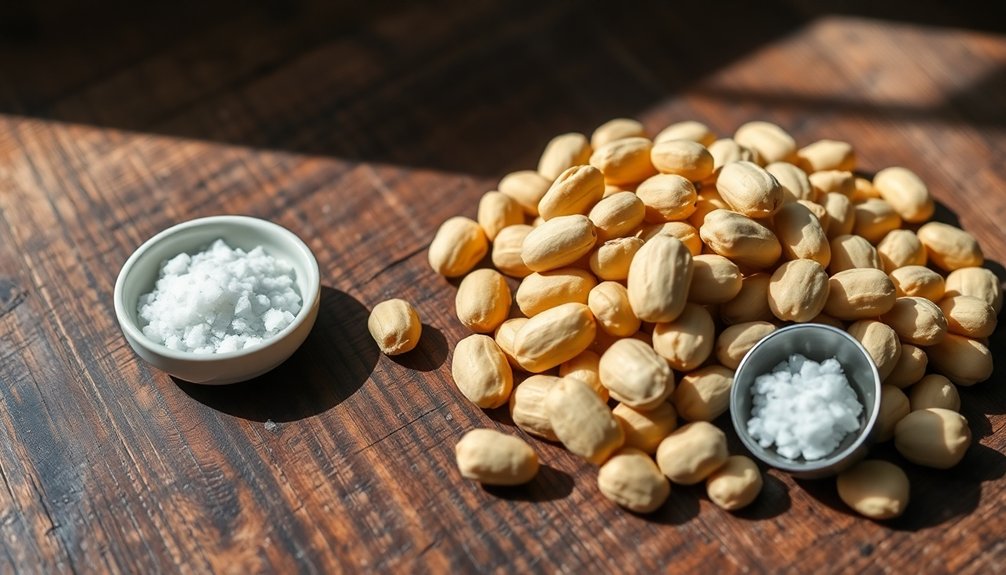
Including peanuts in your low-carb diet not only offers a tasty snack option but also brings a wealth of nutritional benefits.
Each 1-ounce (28-gram) serving contains approximately 6 grams of total carbohydrates, with just 4 grams of net carbs after accounting for 2 grams of dietary fiber.
Peanuts serve as a significant source of plant-based protein, providing around 7 grams per serving, which can help you meet your protein needs on a keto diet.
Peanuts are an excellent plant-based protein source, offering 7 grams per serving to support your keto diet.
Additionally, they’re rich in healthy unsaturated fats, offering about 14 grams of fat, which promotes heart health and increases satiety.
With essential vitamins and minerals like magnesium and vitamin E, peanuts make a nutritious addition to your low-carb lifestyle. Furthermore, incorporating healthy unsaturated fats into your diet can further enhance heart health and overall well-being.
Benefits of Low-Carb Peanuts
While you explore low-carb options, incorporating peanuts into your diet can yield numerous health benefits. As a low carb nut, peanuts are packed with nutrients that support your overall well-being.
Here are some key advantages:
- Source of Protein: With 7 grams of plant-based protein per ounce, peanuts aid in muscle repair and growth.
- Weight Management: Their nutrient density promotes fullness, helping you manage health and weight effectively.
- Heart Health: Rich in unsaturated fats, peanuts can lower cholesterol levels and support cardiovascular health.
- Digestive Support: The fiber content helps maintain stable blood sugar levels, which is crucial on a low-carb diet.
Incorporating peanuts can enhance your low-carb lifestyle while providing essential nutrients. Additionally, they contain healthy fats that contribute to overall heart health and wellness.
Peanuts vs. Other Nuts on a Keto Diet
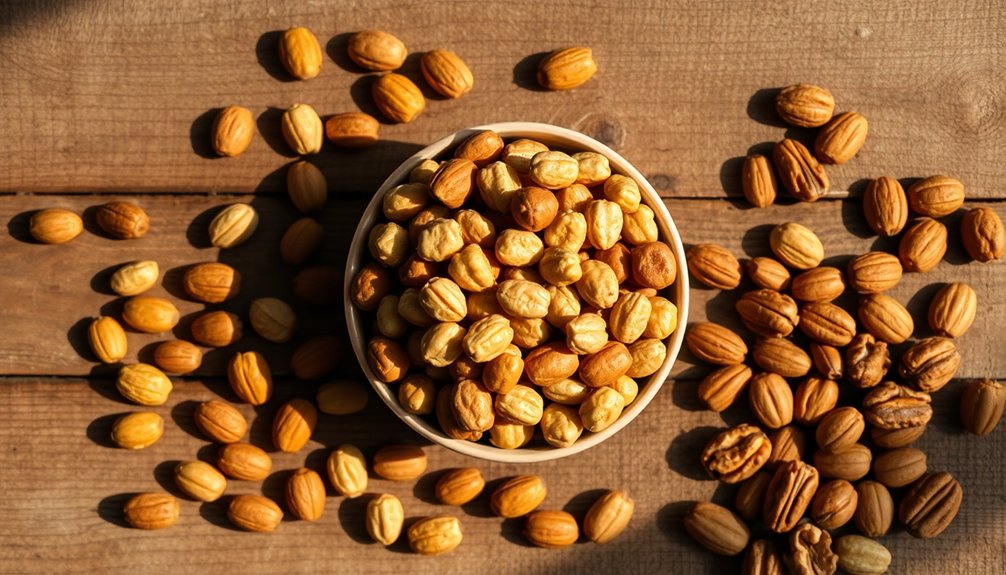
When you compare peanuts to other nuts on a keto diet, you’ll notice significant differences in carb content.
While peanuts have about 4 grams of net carbs per ounce, many other low-carb options like pecans and Brazil nuts contain just 1 gram.
Understanding these nutritional benefits can help you make informed choices for your low-carb lifestyle. Additionally, incorporating healthy fats from nuts like almonds and walnuts can further enhance your keto diet.
Carb Content Comparison
Peanuts are an appealing choice for those on a keto diet, as they contain about 1 gram of net carbs per ounce, which is lower than many other nuts.
Here’s how peanuts stack up against some popular options:
- Almonds: 6 grams of total carbs per ounce (5 grams net carbs).
- Walnuts: 4 grams of total carbs per ounce (3 grams net carbs).
- Macadamia nuts: Approximately 2 grams of net carbs per ounce.
- Pecans: Roughly 2 grams of net carbs per ounce.
While peanuts have a moderate carb content compared to some nuts, they still fit within the guidelines for keto diets.
Just remember, portion control is key to maintaining your carb count!
Nutritional Benefits Overview
Considering the low carb content of peanuts, their nutritional benefits make them a standout choice for those on a keto diet.
With only 4 grams of total carbohydrates per ounce and a net carb count of just 1 gram, peanuts easily fit within your daily carb limits. Compared to almonds, which have 6 grams of total carbs, and cashews with a staggering 22 grams, peanuts are a much better option for weight loss.
They also provide 7 grams of plant-based protein per ounce, supporting muscle repair essential for your ketogenic diet.
In addition, the healthy unsaturated fats in peanuts can help lower cholesterol levels, adding to their overall nutritional benefits as a versatile snack in your low-carb lifestyle.
Best Serving Practices
Choosing the right nuts for a keto diet can greatly impact your carb intake and overall health. To effectively incorporate peanuts while maintaining best serving practices, consider these guidelines for portion control:
- Stick to One Ounce: Limit your peanut consumption to about one ounce, which has just 1 gram of net carbs.
- Balance with Other Nuts: Pair peanuts with lower net carb options, like pecans or macadamia nuts, to diversify your nutrient intake.
- Monitor Total Carbs: Keep track of your total daily carb intake to avoid exceeding your limits.
- Prioritize Protein: Remember that peanuts offer 7 grams of plant-based protein per ounce, supporting satiety and muscle maintenance.
Portion Control and Serving Sizes
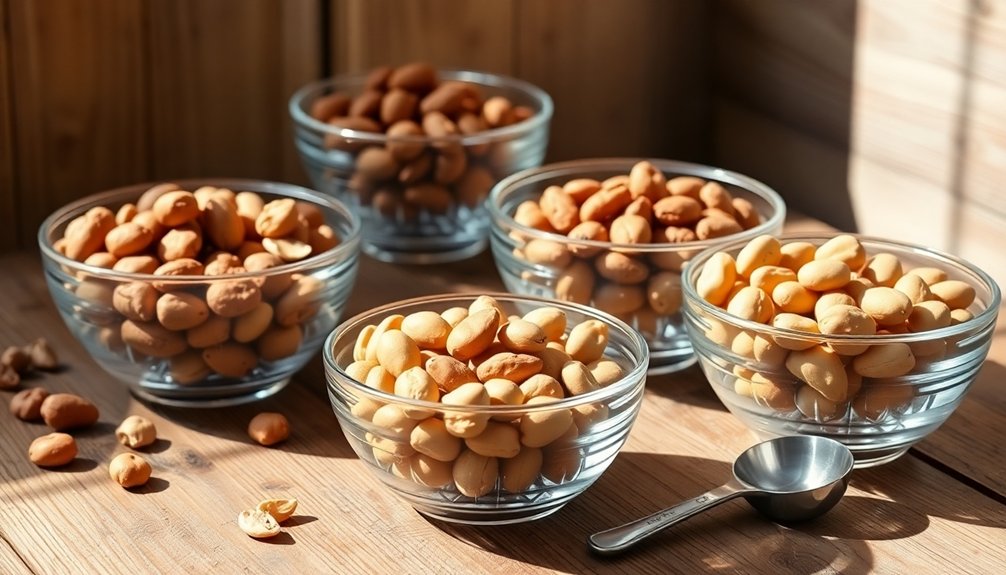
When incorporating peanuts into your low-carb diet, it’s essential to stick to the recommended serving size of one ounce, which contains just 3 grams of net carbs. Accurately measuring your portions helps prevent unintentional carb overload that could disrupt your ketosis. Additionally, consider using low-carb sweeteners as alternatives to sugar when preparing snacks or recipes that include peanuts, to maintain your keto goals.
Recommended Serving Sizes
To effectively manage your carbohydrate intake while enjoying peanuts on a low-carb diet, it’s crucial to stick to the recommended serving size of about 1 ounce (28 grams). This amount contains approximately 4 grams of total carbohydrates and 3 grams of net carbs, making it a suitable choice for your dietary goals.
To maintain portion control, consider these strategies:
- Pre-portion peanuts into small containers or bowls.
- Aim for a small handful, roughly equivalent to 1 ounce.
- Consume nuts mindfully, without distractions, to enhance satisfaction.
- Regularly monitor your intake to prevent exceeding the recommended serving sizes.
Measuring Portions Accurately
Accurate measurement of portion sizes is essential for maintaining a successful low-carb diet, especially when including peanuts. The recommended serving size for peanuts is about one ounce (28 grams), which contains approximately 4-6 grams of total carbohydrates and about 4 grams of net carbs.
To guarantee you’re measuring portions accurately, consider using a kitchen scale. This helps prevent excessive calorie and carbohydrate intake. Pre-portioning peanuts into small containers or bags can also aid in portion control, preventing mindless snacking.
Creative Ways to Incorporate Peanuts
Incorporating peanuts into your low-carb diet can elevate both the nutritional profile and flavor of your meals. Here are some creative ways to enjoy them:
- Blend peanuts into smoothies for added creaminess and a protein boost, offering about 7 grams of plant-based protein per ounce.
- Spread natural peanut butter on celery or cucumber sticks for a crunchy, satisfying low-carb snack.
- Use peanuts as a topping for salads or stir-fries, enhancing texture while keeping the dish low in carbs with just 4 grams of net carbs per ounce.
- Create a low-carb trail mix by combining peanuts with almonds and pecans for a nutritious on-the-go snack.
In addition to their versatility, peanuts also provide healthy fats that align with your ketogenic goals, making them a great addition to your diet. These methods not only enrich your meals but also help you stay aligned with your low-carb goals.
Potential Drawbacks of Peanuts
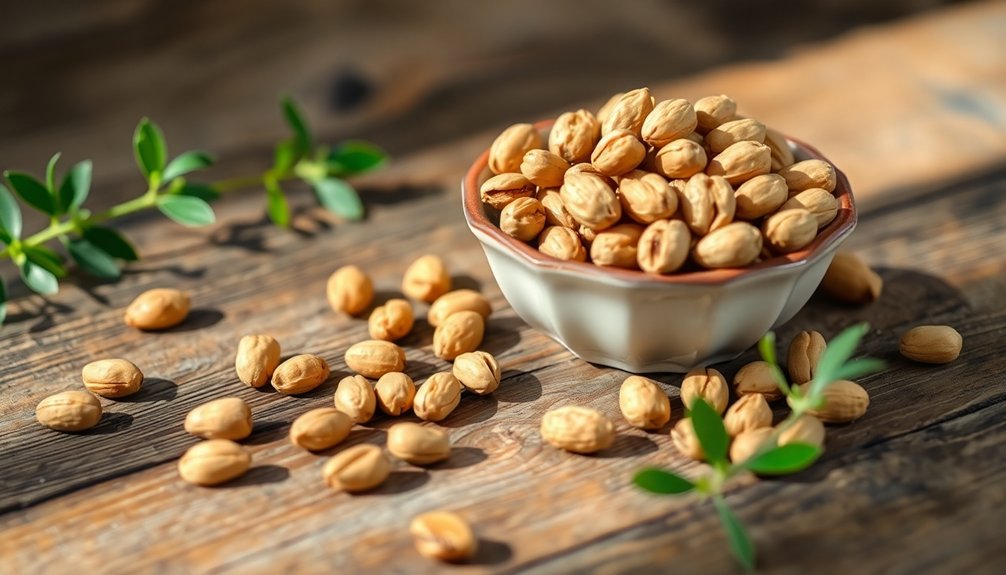
While peanuts can be a tasty addition to your low-carb diet, they come with some potential drawbacks. Their high omega-6 fat content may disrupt your fatty acid balance, and if you’re allergic, even a small amount can trigger a reaction. Additionally, it’s easy to overconsume these calorie-dense legumes, which can hinder your weight management efforts. Furthermore, their high fiber content can contribute to digestive discomfort for some individuals if consumed in large quantities.
High Omega-6 Fat Content
Although peanuts offer various nutritional benefits, their high omega-6 fatty acid content can pose potential drawbacks, especially when consumed in large quantities.
While they’re high in healthy fats, an excess of omega-6 fatty acids can lead to an imbalance, increasing risks related to:
- Inflammation
- Cardiovascular disease
- Arthritis
- Overall health issues
The typical Western diet already contains excessive omega-6, primarily from processed foods, making moderation important.
To maintain a healthy fatty acid balance in a low-carb diet, consider complementing your peanut intake with omega-3 rich foods, like fatty fish or flaxseeds.
Potential Allergic Reactions
Many people may not realize that peanuts are among the most common food allergens, impacting about 1-2% of the population. If you have a peanut allergy, even trace amounts can trigger potential allergic reactions, which can range from mild hives to severe anaphylaxis.
Symptoms may include digestive issues, skin reactions, and respiratory problems. Anaphylactic shock is a life-threatening emergency requiring immediate medical attention.
The prevalence of peanut allergies has increased, particularly among children, leading to heightened awareness in food labeling and preparation. Additionally, individuals with a peanut allergy face an increased risk of developing other allergies, such as tree nut allergies, due to cross-reactivity.
Always read labels carefully to avoid accidental exposure.
Overconsumption Risks
When you indulge in peanuts, it’s easy to overlook the potential risks of overconsumption that can undermine your dietary goals. While they’re high in fiber and can fit into your keto plan, the following overconsumption risks should be on your radar:
- Excessive Calorie Intake: Their moderate carb content (4 grams net carbs per ounce) can disrupt your efforts to lose weight.
- Omega-6 Imbalance: Eating too many may promote inflammation if not balanced with omega-3 sources.
- Digestive Issues: Overeating can lead to bloating or gas due to their fiber content and antinutrients.
- Mindless Snacking: Their palatability can lead to overeating, which hinders your dietary goals.
Stay mindful of your portions to enjoy peanuts without compromising your health.
Alternatives to Peanuts for Keto
Are you on a keto diet and looking for tasty alternatives to peanuts? You’ve got plenty of keto-friendly nuts to choose from.
If you’re following a keto diet and miss peanuts, discover a variety of delicious keto-friendly nut alternatives.
Pecans stand out with only 1 gram of net carbs per ounce, making them a top choice. Macadamia nuts follow closely, offering 2 grams of net carbs per ounce while providing healthy monounsaturated fats.
Walnuts can also serve as a substitute, containing 2 grams of net carbs per ounce and packed with heart-healthy omega-3 fatty acids. Hazelnuts are another excellent option, also at 2 grams of net carbs per ounce, rich in vitamin E.
Finally, almonds, with 3 grams of net carbs per ounce, work well as snacks or in keto recipes. High in healthy fats, these alternatives can enhance your overall health while keeping your carb intake low. Explore these alternatives for variety in your diet!
Final Thoughts on Peanuts in a Low-Carb Diet
Peanuts can be a valuable addition to your low-carb diet, especially when you consider their nutritional profile. Here’s why peanuts deserve a spot in your keto-friendly snacks:
- Low in Net Carbs: With about 3 grams of net carbs per ounce, they fit well within your carb limits.
- Protein Source: Peanuts provide around 7 grams of plant-based protein, supporting muscle maintenance.
- Heart Health Benefits: Their healthy unsaturated fats can improve cholesterol levels and promote heart health.
- Moderation Matters: While slightly higher in carbs than other nuts, enjoying them in moderation helps maintain your ketogenic goals.
Incorporating peanuts thoughtfully can enhance your low-carb diet without compromising ketosis. Additionally, peanuts are often paired with other nuts that are also low in carbs, providing a diverse range of nutrients and flavors.
Just remember to keep an eye on portion sizes!
Conclusion
Incorporating peanuts into your keto diet can be a tasty and nutritious choice, but it’s essential to balance them with other low-carb options. With their protein, healthy fats, and fiber, peanuts can support your low-carb goals. However, remember to monitor portion sizes to avoid excess carbs. So, are peanuts keto? Absolutely, if you enjoy them wisely. Ultimately, the key lies in moderation—after all, a little goes a long way in maintaining that coveted ketosis.