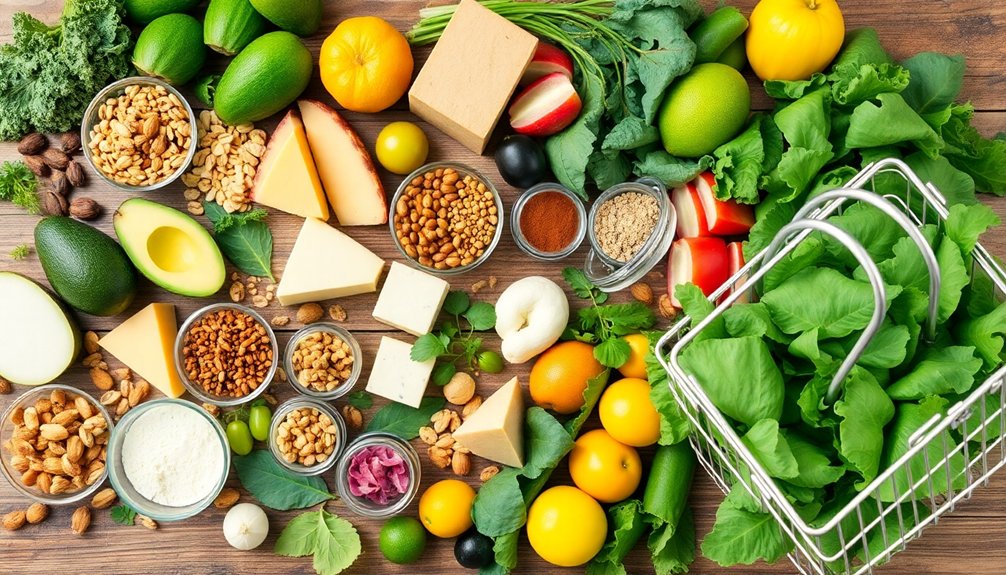
The ultimate grocery shopping list for your keto kitchen covers everything you need to succeed on the diet. Start with proteins like fatty cuts of meat and seafood, then move on to low-carb veggies and healthy fats such as avocados and olive oil. Don’t forget dairy options and low-carb snacks! Sticking to this list will keep you on track and energized. Keep exploring, and you’ll discover even more tips for your keto journey ahead.
What Is Keto?
If you’ve ever wondered how a low-carb diet can transform your body, the ketogenic diet, or keto, might be the answer.
This approach restricts your daily carbohydrate intake to about 30-50 grams, pushing your body into a state called ketosis. In ketosis, you switch from using glucose as fuel to burning fat stores, generating ketones for energy.
The typical macronutrient breakdown for the keto diet is around 70-80% fats, 20-30% proteins, and 5% or fewer carbohydrates.
The keto diet typically consists of 70-80% fats, 20-30% proteins, and 5% or fewer carbohydrates.
A well-planned keto diet emphasizes whole foods like meats, healthy fats, low-carb vegetables, and limited low-carb fruits. By focusing on these nutrient-dense options, you can maintain your macronutrient goals and support your overall health while enjoying delicious meals. Ketosis leads to increased fat burning, which can significantly enhance your weight loss efforts.
Benefits of Keto
When you adopt the ketogenic diet, you might discover a range of benefits that extend beyond weight loss. Research shows that keto can lead to significant weight reduction, often outperforming low-fat diets.
You’ll likely enjoy increased satiation from the high-fat, low-carb meals, which helps reduce your overall calorie intake, supporting your weight loss efforts.
Additionally, a diet rich in keto-friendly foods can improve cardiovascular health by enhancing cholesterol levels and lowering triglycerides.
If you have type 2 diabetes, keto may stabilize your blood glucose levels, potentially decreasing your insulin dependency.
Plus, the steady supply of ketones can boost mental clarity and cognitive function, making you feel sharper throughout the day. Low carbohydrate intake can also lead to improved insulin sensitivity, further supporting your overall health and weight management goals.
How to Use the Grocery List
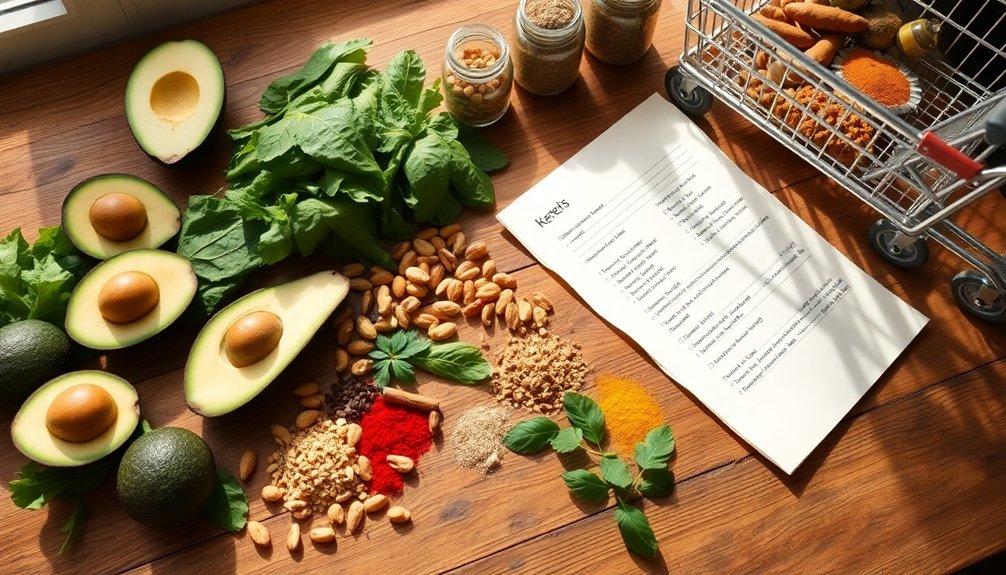
To make the most of your grocery list, start by organizing it into categories like proteins, dairy, and vegetables. This way, you can efficiently stock up on essential ingredients while planning your weekly meals around what’s on the list. Keeping a handy copy will help you stay focused and avoid unnecessary impulse buys. Additionally, consider including nutrient-dense ingredients to enhance the health benefits of your keto meals.
Organizing Your Grocery List
Organizing your grocery list is essential for a successful keto shopping experience. Start by categorizing it into sections like proteins, vegetables, dairy, healthy fats, and pantry staples. This way, you streamline your grocery shopping and guarantee you cover all essential food groups.
Before creating your keto shopping list, make a meal plan for the week ahead to identify specific ingredients you need. This helps you avoid impulse buys that can derail your carb goals.
Stick to the store’s perimeter, where fresh produce, meats, and dairy are located. Finally, utilize a checklist format for your grocery list to stay organized and focused while shopping, minimizing the chances of forgetting key ingredients that align with your keto diet.
Planning Weekly Meals
Creating a weekly meal plan not only enhances your keto journey but also guarantees you make the most of your grocery list. Start by incorporating a variety of low-carb proteins, healthy fats, and keto-friendly vegetables to maintain balanced nutrition and keep meals interesting.
Use your grocery list to stock up on versatile staples like eggs, avocados, and fatty fish that can be used across multiple recipes. Plan your meals around seasonal produce and bulk items to save money and minimize waste.
Designate specific days for meal prep, like cooking proteins in bulk or pre-chopping veggies, to simplify your week. Finally, track your net carb intake using your list to stay within the recommended 30-50 grams daily.
Stocking Essential Ingredients
Meal planning sets the stage for your grocery list, ensuring you have everything you need to stay on track with your keto diet.
Start by focusing on low-carb proteins like chicken, beef, and fatty fish, which contain 0g total carbs. Next, incorporate healthy fats such as olive oil, avocado oil, and butter to hit that vital 70-80% fat intake.
Don’t forget to stock up on low-carb veggies, especially leafy greens and cruciferous options like spinach and broccoli. Include keto-friendly pantry staples like almond flour and sugar-free sweeteners for easy meal prep.
Finally, use a printable keto grocery list to keep all your essential ingredients organized, making your shopping experience smoother and more efficient.
Meat Selections
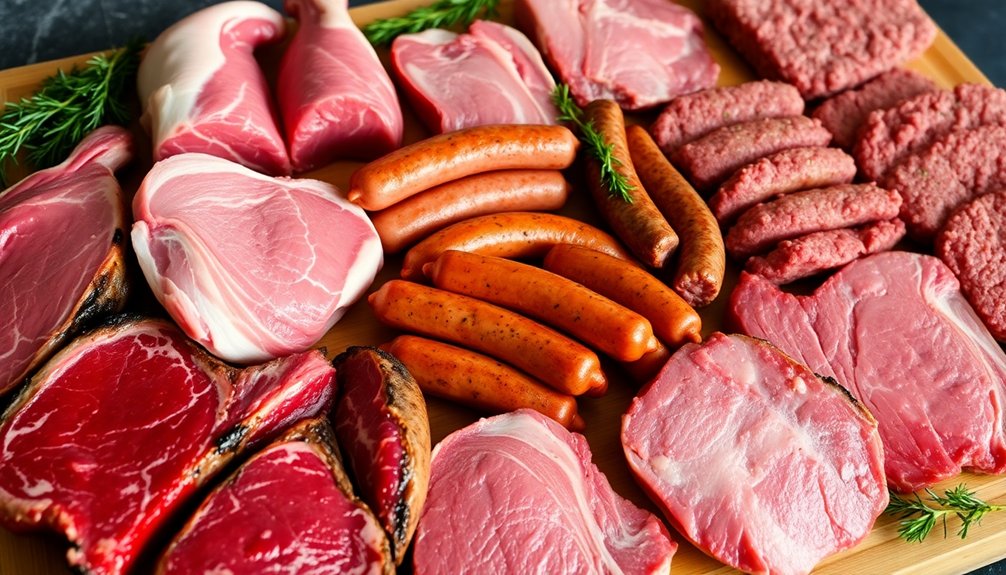
When it comes to your keto kitchen, selecting the right meats is essential for staying on track.
You’ll want to focus on choices like ground beef, fatty fish, and even organ meats to maximize your nutrition. Additionally, incorporating high-protein meats into your diet can provide essential nutrients while keeping your carbohydrate intake low.
Let’s also explore cooking methods and storage tips to keep your meals delicious and convenient.
Best Meat Choices
To thrive on a ketogenic diet, you’ll want to prioritize meat selections that are rich in healthy fats and low in carbs. Choosing the right cuts can make all the difference.
- Fatty cuts like ribeye steak and pork belly
- Grass-fed beef for superior quality fats
- Fatty fish such as salmon and mackerel
- Seafood options like shrimp and canned sardines
Incorporating these options guarantees you get essential nutrients while keeping your carb intake at bay.
Opt for pasture-raised pork and consider visiting local butchers or farms for fresher, higher-quality selections.
With these choices, you’ll fuel your body effectively while enjoying delicious meals that fit perfectly into your keto lifestyle.
Cooking Methods Explained
Choosing the right cooking methods can elevate your keto meal prep and keep your meat deliciously satisfying. Grilling, roasting, and sautéing are fantastic options that retain the high fat content essential for maintaining ketosis.
If you’re working with tougher cuts, slow cooking not only tenderizes but also enhances flavors while keeping carbs low. For precision, sous vide cooking guarantees consistent doneness, preserving moisture and flavor without adding extra carbs.
Pan-searing pork chops or chicken thighs creates a flavorful crust while keeping the insides juicy. Additionally, baking fatty fish like salmon in parchment paper locks in moisture and nutrients, making for a delightful keto meal.
Each method helps you enjoy your meat while sticking to your low-carb lifestyle.
Storage and Preservation Tips
Properly storing and preserving your meat selections is essential for maintaining freshness and safety. Here are some key tips to keep in mind:
- Refrigerate fresh meat below 40°F (4°C) and use it within 1-2 days for the best quality.
- Freeze meat in airtight packaging, ideally vacuum-sealed, to prevent freezer burn and extend shelf life (beef can last 6-12 months).
- Cook or freeze ground meats within 1-2 days to reduce the risk of spoilage.
- Label your meat packages with the freezing date to track storage time effectively.
Always thaw frozen meat in the refrigerator to minimize bacterial growth.
With these storage tips, you can guarantee your meat remains delicious and safe for your keto meals.
Seafood Options
When it comes to seafood options for your keto kitchen, you’ll find plenty of delicious choices that fit perfectly within your low-carb lifestyle.
Fatty fish like salmon and mackerel aren’t only low-carb, with 0g total carbs per serving, but they’re also rich in omega-3 fatty acids, which promote heart health.
Canned options such as tuna and sardines offer convenience and stay shelf-stable while maintaining the same carb count.
Shrimp and other shellfish provide lean protein with minimal carbohydrates, making them a great addition to your meals. Incorporating seafood into your diet not only enhances flavor but also aligns with the ketogenic principle of high-fat, low-carb eating, ensuring you stay on track with your keto goals. Including high-protein meats in your meals can further support muscle growth and repair while adhering to your dietary preferences.
Eggs and Dairy Products
Eggs and dairy products are essential staples in your keto kitchen, offering a wealth of nutritional benefits. Chicken eggs provide a low-carb protein source, while full-fat dairy options like heavy cream and cream cheese add richness to your meals without breaking your carb count. Additionally, eggs are a high-fat low-carb profile food that helps maintain fullness and supports ketosis. Let’s explore the best choices to stock up your fridge and keep your keto journey on track.
Nutritional Benefits of Eggs
A powerhouse in the keto kitchen, eggs offer a wealth of nutritional benefits that align perfectly with your low-carb lifestyle. With just 0.4g of total carbs per egg, they’re an ideal choice for maintaining ketosis.
Here’s why you should include eggs in your diet:
- Packed with high-quality protein for muscle repair and growth
- Rich in healthy fats, especially omega-3s, for heart health
- Loaded with essential nutrients like vitamins A, B12, D, and choline
- Promote satiety, helping to reduce overall calorie intake
Incorporating eggs into your meals not only supports your nutritional needs but also keeps you satisfied while you pursue your keto goals.
Enjoy their versatility and health benefits!
Dairy Product Options
While eggs are a fantastic staple in your keto kitchen, dairy products also play an essential role in enhancing your low-carb meals. Incorporating full-fat dairy options can boost both flavor and nutrition.
For instance, chicken eggs contain about 0.4g of total carbs, making them a versatile protein choice. Full-fat butter is another excellent option, offering just 0.1g of carbs per 100g, perfect for adding healthy fats to your dishes.
Cream cheese, with 1g of carbs per tablespoon, adds creaminess to recipes, while heavy cream provides richness at 3g of carbs per 100g. Don’t forget unsweetened Greek yogurt, which has 5g of carbs per 100g—great for a protein-rich snack or ingredient in your keto meals.
Low-Carb Vegetables
Incorporating low-carb vegetables into your ketogenic diet is crucial for maintaining your health without sacrificing flavor. These veggies provide important nutrients while keeping your carbohydrate intake low, usually around 2-5g net carbs per serving.
Leafy greens, like spinach and kale, are particularly beneficial. Here are some great low-carb options to include in your meals:
- Spinach
- Broccoli
- Zucchini
- Bell peppers
Cruciferous vegetables like broccoli and cauliflower are also excellent choices, offering high fiber and antioxidants. Additionally, vegetables like asparagus and green beans can provide a variety of flavors and nutrients to further enhance your meals.
Remember to steer clear of starchy vegetables like potatoes and corn, as they can hinder your ketosis. Emphasizing low-carb vegetables guarantees you stay nourished and satisfied on your keto journey!
Keto-Friendly Fruits
Adding a variety of keto-friendly fruits to your diet can enhance flavors and provide essential nutrients without greatly impacting your carb count.
Avocado tops the list, with only 2g of net carbs per 100-gram serving, and it’s packed with healthy fats.
Avocado is a keto superstar, boasting just 2g of net carbs per 100 grams and loaded with healthy fats.
Blackberries and raspberries are also great options, offering 5g of net carbs per 100-gram serving each—perfect for snacking or adding to recipes.
Lemons, containing 6g of net carbs per 100-gram serving, can brighten up your water or dressings.
While blueberries have a higher carb count at 12g per 100-gram serving, you can still enjoy them in moderation.
Just remember, consuming fruits on a keto diet should be done carefully to maintain your low carbohydrate intake. Additionally, incorporating high-fiber fruits can help promote fullness and support digestive health.
Nuts and Seeds
Nuts and seeds are essential components of a keto kitchen, offering a satisfying crunch along with healthy fats and protein. They’re not only delicious but also low in carbs, making them perfect for your ketogenic diet.
Here are some top picks to evaluate:
- Macadamia nuts: 2g net carbs per ¼ cup
- Almonds: 3g net carbs per ¼ cup
- Brazil nuts: 1g net carbs per ¼ cup, rich in selenium
- Chia seeds: 3g net carbs per ¼ cup, packed with fiber and omega-3s
Remember to keep an eye on portion sizes, especially with nut butters. High fiber content promotes feelings of fullness, aiding in weight management.
Almond butter is typically a better choice than peanut butter for your keto lifestyle. Enjoy these nutrient-dense options!
Healthy Fats and Oils
Healthy fats and oils are essential for your keto diet, making up a significant portion of your daily caloric intake.
You’ll want to choose options like olive oil, avocado oil, and coconut oil for cooking and adding flavor to your meals.
Incorporating these healthy fats not only supports ketosis but also boosts your overall health. Additionally, using coconut oil in your cooking can provide rapid energy and increase satiety.
Types of Healthy Fats
While starting your keto journey, understanding the types of healthy fats is vital for success. Healthy fats should make up 70-80% of your caloric intake, promoting ketosis and fat burning.
Here are some key types to include in your diet:
- Saturated Fats: Found in coconut oil and butter, these can provide quick energy through medium-chain triglycerides (MCTs).
- Monounsaturated Fats: Present in avocados and olive oil, they’re great for heart health and reducing inflammation.
- Polyunsaturated Fats: Including omega-3 and omega-6 fatty acids from fatty fish and flaxseeds, these are essential for brain function.
- Trans Fats: Avoid these unhealthy fats, often found in processed foods, as they can harm your health.
Incorporate these healthy fats for ideal benefits!
Cooking Oils Recommendations
Cooking oils play an essential role in your keto kitchen, providing flavor and important nutrients while supporting your dietary goals.
Olive oil is a staple, offering heart-healthy monounsaturated fats and anti-inflammatory properties, perfect for dressings and cooking.
Coconut oil’s medium-chain triglycerides (MCTs) boost ketone production and deliver quick energy, making it versatile for various dishes.
Avocado oil is another excellent choice, rich in healthy fats and ideal for high-heat methods like frying and sautéing.
For a quick energy boost, MCT oil easily integrates into smoothies and coffee.
Remember to avoid oils high in Omega-6 fatty acids, such as corn and soybean oil, as they can promote inflammation and aren’t suitable for your healthy ketogenic diet.
Condiments and Dressings
When you’re stocking your keto kitchen, choosing the right condiments and dressings is essential to maintain your low-carb lifestyle. Many traditional condiments are loaded with added sugars, so opt for sugar-free options to avoid hidden carbs.
Here are some fantastic low-carb choices:
- Mustard
- Hot sauce
- Mayonnaise (made with healthy oils)
- Vinaigrettes (olive oil and vinegar)
Also, consider homemade condiments for better control of ingredients. You can whip up your own ranch or blue cheese dressing using full-fat sour cream or Greek yogurt.
Just remember to keep an eye on serving sizes, as even low-carb options can add up quickly. Enjoy flavor without sacrificing your ketogenic goals!
Sweeteners for Keto
Finding the right sweeteners is essential for maintaining your keto lifestyle, especially since many traditional options can derail your low-carb goals.
Opt for keto-friendly sweeteners like monk fruit, stevia, and erythritol. Erythritol, a sugar alcohol, has only 0.2 calories per gram and won’t raise your blood glucose or insulin levels, making it a fantastic choice.
Monk fruit sweetener is derived from monk fruit and is 100-250 times sweeter than sugar, meaning you need just a tiny amount to achieve the desired sweetness without adding carbs.
Stevia, extracted from the leaves of the Stevia rebaudiana plant, has zero calories and carbs, making it another popular option.
Always check ingredient labels for hidden sugars or high-carb fillers to stay on track.
Snacks and Treats
While sticking to a keto diet, satisfying your snack cravings can be a breeze with the right choices. Look for keto snacks that are packed with healthy fats and low in carbs. Here are some delicious options to contemplate:
- No-sugar jerky: A protein-packed, flavorful treat.
- Dark chocolate: Opt for 70% cocoa or higher for a guilt-free indulgence.
- Cheese sticks or slices: Convenient and perfect for on-the-go snacking.
- Pork rinds: Crunchy and zero-carb, ideal for satisfying cravings.
You can also enjoy hard-boiled eggs, which are nutrient-dense and low in carbs.
These snacks not only keep you within your carb limits but also help you stay energized throughout the day. Enjoy these tasty treats while maintaining your keto lifestyle!
Baking Essentials
When you’re baking on a keto diet, choosing the right flours and sweeteners is essential.
Almond and coconut flours are excellent low-carb options that can transform your favorite recipes.
Pair these with keto-friendly sweeteners, and you’ll create delicious treats without the carbs.
Low-Carb Flour Options
If you’re looking to create delicious keto-friendly baked goods, choosing the right low-carb flour is essential.
Here are some fantastic low-carb flour options to evaluate:
- Almond flour: Approximately 2g net carbs per 2-tablespoon serving, perfect for your baking needs.
- Coconut flour: About 6g net carbs, but be cautious as it absorbs a lot of liquid.
- Flaxseed meal: With nearly 0g net carbs, it adds a nutty flavor and boosts omega-3s.
- Psyllium husk powder: Nearly 0g net carbs, it helps bind your ingredients and enhances texture.
These flours not only keep your carb count low but also elevate the taste and texture of your keto treats!
Keto Sweeteners Choices
Choosing the right sweetener can transform your keto baking experience, allowing you to enjoy the sweetness you crave without the carbs.
Popular keto sweeteners include stevia, erythritol, and monk fruit, each providing a delicious alternative to traditional sugar.
Erythritol, with just 0.2 calories per gram and a glycemic index of 0, is a top choice for many keto enthusiasts.
Stevia, derived from the Stevia rebaudiana plant, can be over 100 times sweeter than sugar, boasting zero calories and carbs.
Monk fruit sweetener, made from monk fruit extract, offers a similar sweetness profile without adding carbs.
Just remember, when baking, adjust your recipes for these sweeteners, as their sweetness levels differ from regular sugar.
Enjoy guilt-free treats!
Pantry Staples
To create delicious and satisfying keto meals, stocking your pantry with the right staples is essential.
Stocking your pantry with essential staples is key to crafting delicious keto meals.
These pantry staples will help you whip up quick and tasty dishes while keeping your carb count low. Here are some must-haves for your keto food list:
- Essential herbs and spices (1g net carbs per teaspoon)
- Canned sardines and chicken breast (0g total carbs per 100g)
- Nut butters like almond and macadamia (1g total carbs per teaspoon)
- Shirataki rice or noodles (0g net carbs per 100g)
With these ingredients on hand, you’ll have everything you need to make flavorful meals that fit perfectly into your keto lifestyle.
Enjoy experimenting with these versatile staples!
Foods to Avoid
When you’re shopping for a keto kitchen, it’s essential to steer clear of high-carb foods that can kick you out of ketosis.
This means avoiding sugary snacks and drinks, which pack a serious carbohydrate punch.
High-Carb Foods
While following a keto diet, you’ll want to steer clear of high-carb foods that can derail your progress.
Avoiding these items is essential to maintaining ketosis and achieving your health goals:
- Grains: Wheat, rice, and oats can greatly increase your carb intake.
- Refined sugars: Candies, sodas, and baked goods spike blood sugar levels.
- Starchy vegetables: Potatoes, corn, and peas are high in carbs—avoid starchy options.
- Certain fruits: Bananas, grapes, and apples should be limited to stay within your daily carb limit.
Sugary Snacks and Drinks
Sugary snacks and drinks can sabotage your keto journey, as they’re often packed with hidden carbs.
Candies and chocolate bars are notorious for their high carb content, often spiking your blood glucose levels and hindering ketosis. Regular sodas are another culprit, with a single can containing around 39 grams of sugar!
Even fruit juices, which seem healthy, can pack over 30 grams of carbs per serving. Processed snacks like cookies, cakes, and pastries are typically made with refined sugars and flours, exceeding 20 grams of carbs each.
Finally, sugar alcohols in sugar-free snacks can still affect your blood sugar, especially those containing maltitol. Always read labels carefully to stay on track with your keto goals.
Meal Prep Tips
To successfully navigate your keto journey, meal prep becomes essential, as it helps you stay on track with your diet while saving time and effort.
Focus on high-quality proteins, healthy fats, and low-carb vegetables to guarantee your meals are keto-friendly.
- Stock up on staples like eggs, avocados, and cheese.
- Prepare meals in bulk using freezer-friendly items like frozen shrimp.
- Plan your meals ahead and buy in bulk to reduce waste.
- Explore a variety of keto recipes to keep things interesting.
Budgeting for Keto
Budgeting for a keto diet can feel overwhelming, especially when you’re trying to balance health and expenses. Start by calculating the costs of low-carb staples like eggs, chicken, and fatty fish—they’re often more economical than high-carb processed foods.
Buying in bulk can also cut costs on essential items like nuts, seeds, and healthy oils. Don’t forget to utilize seasonal produce and local markets for fresh vegetables, ensuring variety while saving money.
Meal prepping and creating a shopping list based on planned meals can curb impulse buys and reduce food waste.
Finally, track your expenses and prioritize nutrient-dense, affordable foods to make your budgeting for keto sustainable and effective at the grocery store.
Shopping Strategies
When you’re ready to shop for your keto kitchen, having a solid strategy can make a significant difference in staying on track.
Here are some effective shopping strategies to help you succeed:
Effective shopping strategies are key to staying on track with your keto goals.
- Create a detailed meal plan to streamline your grocery list and avoid impulse buys.
- Stick to the store’s perimeter where fresh produce, meats, and dairy are found—these typically offer lower-carb options.
- Use a standardized keto grocery list to focus on low-carb, high-fat foods.
- Consider shopping at local farmers’ markets or butchers for higher-quality ingredients.
Seasonal Produce
Incorporating seasonal produce into your keto kitchen not only boosts the freshness of your meals but also guarantees you’re enjoying a variety of low-carb options throughout the year.
In summer, load up on zucchini and bell peppers for their invigorating crunch and minimal carbs, perfect for salads and stir-fries.
As fall arrives, embrace cruciferous vegetables like cauliflower and Brussels sprouts, which are high in fiber and packed with essential vitamins.
Year-round, don’t forget avocados—they’re a keto staple due to their healthy fats and low net carbs.
In winter, vegetables like broccoli and asparagus not only stay fresh longer but also add exciting flavors to your dishes, keeping your low-carb lifestyle vibrant and enjoyable.
Organic vs. Conventional
When choosing between organic and conventional foods, you might consider the nutritional differences, costs, and environmental impact.
Organic options often boast fewer chemicals and potentially higher nutrient levels, but they usually come with a higher price tag.
It’s important to weigh these factors based on your health goals and budget.
Nutritional Differences Explained
While both organic and conventional produce can nourish your body, the nutritional differences between them often lead to significant health benefits.
Choosing organic options may enhance your keto kitchen by providing:
- Higher levels of antioxidants and polyphenols
- Lower pesticide residues for safer consumption
- Meat and dairy from animals raised without antibiotics or growth hormones
- Increased omega-3 fatty acids, particularly in grass-fed products
These nutritional differences can contribute to better overall health and support your intake of healthy fats.
Remember, factors like soil health and farming practices also play a role, so it’s essential to evaluate multiple variables when making your choices.
Embracing organic foods may be a worthwhile investment in your health journey.
Cost Considerations
Choosing between organic and conventional foods often comes down to budget considerations, as organic options typically carry a higher price tag.
Organic produce can cost 20-50% more than conventional items due to expensive farming practices and certification. When it comes to meat, the price difference can be even steeper, sometimes reaching 100%.
However, many believe that the long-term health benefits of organic foods, like reduced exposure to harmful chemicals, justify the extra cost.
If you’re concerned about expenses, consider buying organic staples in bulk, like nuts and seeds, to save money.
Prioritizing organic options for the “Dirty Dozen” can also enhance your health without breaking the bank.
Choose wisely based on your budget and health goals.
Environmental Impact
The environmental impact of your food choices can greatly differ between organic and conventional options. By opting for organic farming, you’re not just making a personal health choice but also supporting environmental sustainability.
Here are some key points to reflect on:
- Lower levels of synthetic pesticides minimize environmental contamination.
- Organic practices enhance biodiversity, supporting healthier ecosystems.
- Techniques like crop rotation improve soil health and reduce erosion.
- Organic farming often has a lower carbon footprint due to reduced fossil fuel use.
Choosing organic can lead to more sustainable farming practices and a healthier planet.
As you fill your keto kitchen, remember that your choices affect not just your health but the environment too!
Cooking Techniques
When you embrace keto cooking, mastering various techniques can greatly elevate your meals. Utilize cooking methods like roasting, grilling, and sautéing to enhance the flavors of low-carb vegetables and meats while keeping their nutritional integrity intact.
Steaming or blanching vegetables helps preserve their vitamins and minerals, ensuring they stay low in carbohydrates. Experiment with slow cooking or pressure cooking to tenderize tougher cuts of meat, creating flavorful, keto-friendly dishes without added carbs.
Infuse proteins like chicken, beef, or fish with rich flavors using marinades or spice rubs. Finally, don’t forget to use keto-friendly cooking oils, such as olive oil or coconut oil, which can add healthy fats and enhance the overall taste of your meals.
Dining Out on Keto
How can you enjoy dining out while sticking to your keto diet? It’s easier than you think! Focus on protein-rich dishes and low-carb sides to keep your meals keto-friendly.
- Choose grilled chicken, steak, or salmon for your main course.
- Swap starchy sides for low-carb veggies like leafy greens or broccoli.
- Don’t hesitate to ask for substitutions, like adding healthy fats such as avocado or butter.
- Stick to water, unsweetened tea, or black coffee for drinks.
Be mindful of sauces and dressings; opt for oil-based options or request them on the side to avoid hidden sugars.
Be cautious with sauces and dressings; choose oil-based varieties or ask for them on the side to steer clear of hidden sugars.
With these tips, you can savor delicious keto meals without sacrificing your diet!
Incorporating Variety
Finding variety in your keto meals keeps your taste buds engaged and your diet enjoyable.
To create a vibrant keto meal plan, mix low-carb vegetables like leafy greens, cruciferous veggies, and colorful bell peppers.
Explore different protein sources, such as fatty fish, grass-fed beef, and organic chicken, to keep your meals exciting and rich in nutrients.
Don’t forget to experiment with healthy fats like olive oil, avocado oil, and coconut oil, which can enhance flavors and support overall health.
Incorporate low-carb fruits, including avocados, berries, and lemons, to add sweetness without spiking carb counts.
Finally, toss in a mix of nuts and seeds, like macadamia nuts and chia seeds, for added crunch, fiber, and healthy fats.
Staying Motivated
Staying motivated on your keto journey is essential, especially as you encounter challenges along the way.
To keep your motivation high, consider these strategies:
- Set specific, achievable goals like tracking your weight loss or measuring ketone levels.
- Join a supportive community, whether online or locally, to gain encouragement and accountability.
- Maintain a food diary to log your meals, snacks, and feelings; this helps identify patterns and reinforces positive changes.
- Celebrate small milestones, such as completing a week on the diet or trying a new keto recipe.
Tracking Your Progress
Tracking your progress on the keto diet is essential for maintaining motivation and ensuring you’re on the right path. Start by monitoring your daily carbohydrate intake, keeping it within the target of 30-50 grams of net carbs.
Regularly measuring your ketone levels can confirm if you’re in ketosis, aiming for over 0.5mM. A food diary helps identify patterns in your eating habits, allowing you to adjust macronutrient ratios for optimal outcomes.
Weight loss varies, but aiming for 1-2 pounds per week is safe and sustainable. Don’t forget to track body measurements, like waist circumference, alongside weight for a more thorough view of your progress and body composition changes.
Conclusion
Embracing a keto lifestyle doesn’t mean sacrificing flavor or variety. With this ultimate grocery shopping list, you’ll discover delicious options that keep your meals exciting and satisfying. Don’t worry if you’re new to keto; just take it one step at a time, and soon you’ll find your groove. Remember, it’s all about enjoying the journey and celebrating your progress. So grab your list, hit the store, and start creating tasty, low-carb meals that you’ll love!