The ketogenic diet’s a low-carb, high-fat plan that shifts your body into ketosis, helping with weight loss and mental clarity. Stick to the key rules: understand your macros (70% fats, 25% protein, 5% carbs), stay hydrated, and track your progress. Avoid common pitfalls like hidden carbs or overeating healthy fats. Incorporate tasty, keto-friendly foods into your meals, and set achievable goals to stay committed. There’s plenty more to discover to enhance your keto journey!
What Is the Ketogenic Diet and How Does It Work?
The ketogenic diet, often simply called keto, is a low-carb, high-fat eating plan designed to shift your body into a state of ketosis. In this state, your body burns fat for fuel instead of carbohydrates.
You’ll typically consume about 70% of your calories from fats, 25% from protein, and just 5% from carbs. This shift can lead to various ketogenic benefits, such as improved mental clarity and reduced appetite. Additionally, the Keto Diet promotes weight loss, which enhances insulin sensitivity.
Many people also notice a significant boost in energy levels, as fat becomes a more efficient fuel source. By limiting carbs, you’ll help stabilize your blood sugar, which can keep those energy highs and lows at bay.
Key Rules for Following the Keto Diet Effectively
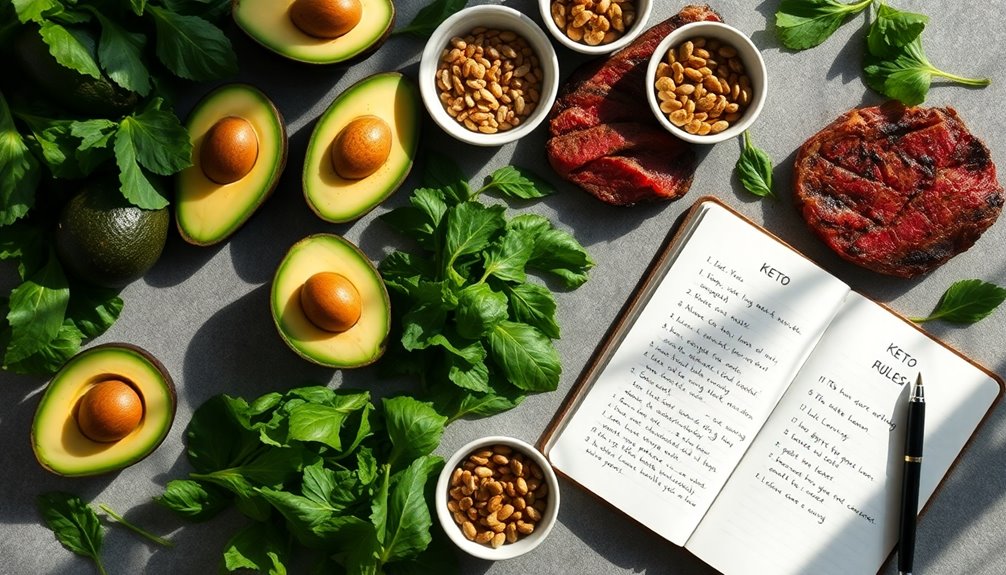
To follow the keto diet effectively, you need to grasp macronutrient ratios. This means balancing your intake of fats, proteins, and carbs to stay in ketosis. Plus, don’t forget to stay hydrated daily—it’s essential for your overall health and success on this diet. Regular exercise can also enhance insulin sensitivity, making it easier to maintain stable blood sugar levels while on the keto diet.
Understand Macronutrient Ratios
Understanding macronutrient ratios is essential for anyone looking to follow the keto diet effectively. To achieve ideal macronutrient balance, you’ll want to focus on specific ratios that support ketosis.
Here are the general guidelines:
- Fat: 70-75% of your daily intake
- Protein: 20-25% of your daily intake
- Carbohydrates: 5-10% of your daily intake
- Keto Flexibility: Adjust these ratios based on your activity level
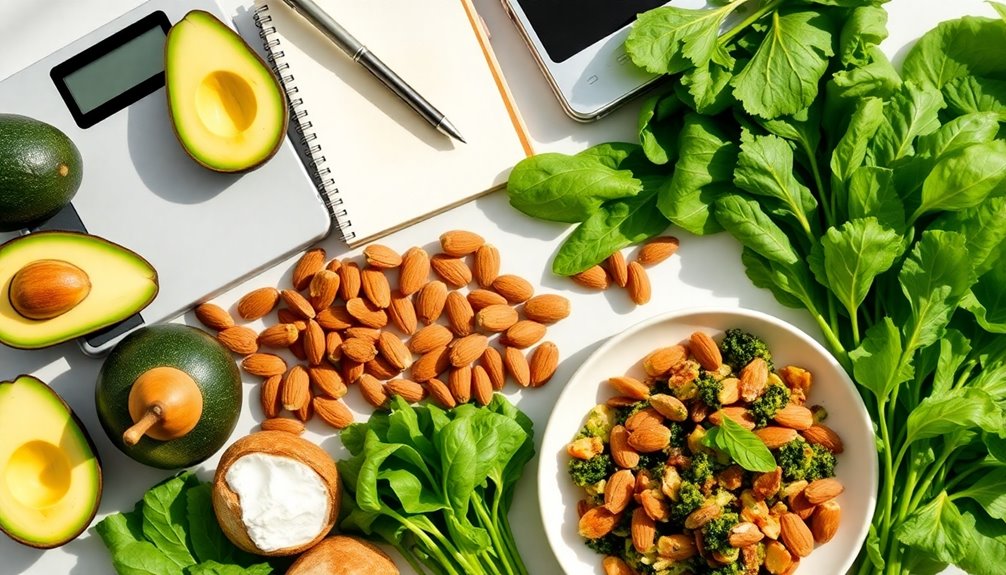
- Track Progress: Use apps or journals to monitor your intake
Stay Hydrated Daily
Maintaining proper hydration is essential while following the keto diet, as it helps your body adapt to the changes in macronutrient intake. When you cut carbs, your body releases stored water, leading to increased urination and potential dehydration.
To reap hydration benefits, aim for at least 8-10 glasses of water daily, adjusting based on your activity level.
In addition to water, consider incorporating electrolytes to balance your intake. Low-carb diets can lead to a loss of important minerals, so adding a pinch of salt or sipping on electrolyte drinks can help.
Understanding Macronutrients: Carbs, Fats, and Proteins

Macronutrients are the building blocks of your diet, and grasping their roles is essential for a successful keto journey. You’ll want to focus on the right balance of carbs, fats, and proteins to achieve fat adaptations and maintain energy levels.
Macronutrients are crucial for a successful keto journey, helping you balance carbs, fats, and proteins for optimal energy and fat adaptation.
Consider these key points:
- Carb cycling can help manage your energy needs.
- Choose high-quality protein sources to support muscle maintenance.
- Prioritize healthy fats for nutrient density.
- Pay attention to meal timing to optimize metabolism.
- Don’t neglect fiber intake for digestive health.
Also, keep an eye on portion control and maintain proper electrolyte balance to avoid keto flu. The ketogenic diet’s emphasis on reducing carbohydrate intake can significantly enhance your insulin sensitivity, making your journey even more effective.
Understanding these macronutrients will set you up for success on your keto path!
How to Calculate Your Ideal Macros for Keto?
To make the most of your keto journey, calculating your ideal macronutrient ratios is essential. Start by determining your daily caloric needs based on your age, weight, activity level, and goals.
A common macronutrient ratio for keto is 70% fat, 25% protein, and 5% carbs. Use these percentages in your macro calculation to find how many grams of each macronutrient you should consume.
For example, if you aim for 1,800 calories, that translates to about 140 grams of fat, 113 grams of protein, and 22 grams of carbs. Understanding how improved insulin sensitivity can impact your overall health will also help you stay motivated on your keto journey.
Common Keto Mistakes and How to Avoid Them
While starting a keto diet can be exciting, many people trip over common pitfalls that can hinder their progress. To help you stay on track, here are some common misconceptions and mistakes to watch out for:
Starting a keto diet can be thrilling, but beware of common pitfalls that may impede your journey. Stay informed to succeed.
- Neglecting electrolytes: Low-carb diets can lead to imbalances; make sure to replenish sodium, potassium, and magnesium.
- Overeating healthy fats: Even healthy fats can add up; keep portions in check.
- Ignoring hidden carbs: Read labels closely; sneaky carbs can derail your efforts.
- Not tracking macros: Use apps to monitor your intake and stay within your goals.
- Focusing solely on weight loss: Remember, keto isn’t just about losing weight; it’s about overall health. Additionally, maintaining proper electrolyte balance is crucial for sustaining energy levels and optimizing your performance on the diet.
Delicious Keto-Friendly Foods to Include in Your Diet
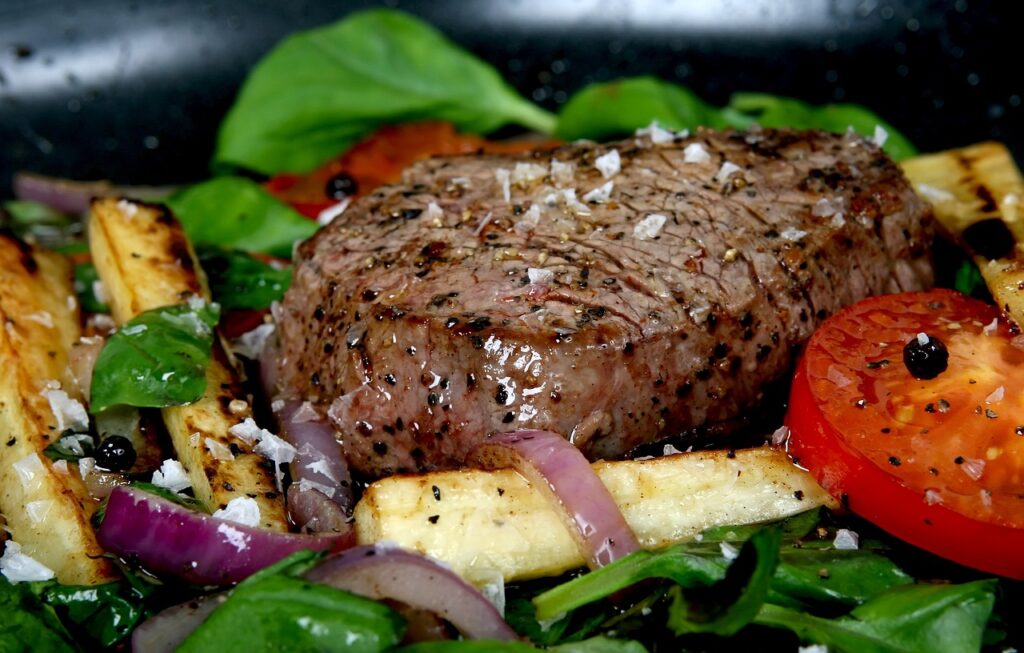
When you’re following a keto diet, embracing healthy fats and choosing low-carb vegetables can make your meals both satisfying and delicious. Incorporating these foods not only keeps you in ketosis but also adds variety to your plate. For instance, adding high-protein meats to your meals can enhance satiety and support muscle growth. Let’s explore some tasty options that fit perfectly into your keto lifestyle.
Healthy Fats To Embrace
Embracing healthy fats is essential for your success on the keto diet, as they not only provide necessary nutrients but also keep you feeling full and satisfied.
Here are some delicious options to include in your meals:
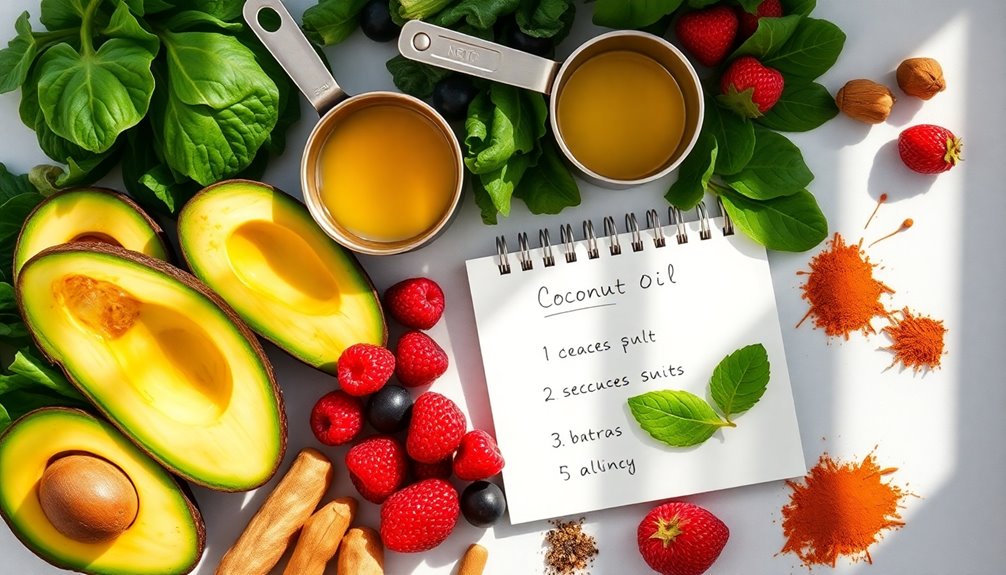
- Healthy oils: Use olive oil or grass-fed butter for cooking.
- Fatty fish: Salmon and mackerel are packed with omega-3s.
- Avocado benefits: Enjoy avocados for their healthy fats and fiber.
- Nut varieties: Snack on almonds, walnuts, or macadamia nuts.
- Coconut products: Incorporate coconut oil or unsweetened coconut flakes.
Don’t forget about cheese options and a good seeds selection to enhance your meals.
With these healthy fats, you’ll not only enjoy great flavors but also promote overall health on your keto journey!
Low-Carb Vegetables Choices
Incorporating low-carb vegetables into your meals is a fantastic way to enhance your keto diet. You can enjoy zucchini noodles instead of traditional pasta or use cauliflower rice as a versatile base for your dishes.
Spinach salads topped with bell pepper and cucumber slices provide invigorating crunch, while asparagus spears and broccoli florets add essential nutrients. Don’t forget about crispy kale chips as a tasty snack or radish alternatives for a zesty kick.
Leafy greens like arugula and romaine are also excellent choices for salads or wraps. By incorporating these delicious low-carb veggies, you’ll stay satisfied while keeping your carb intake low and your health on track.
Embrace these options and enjoy the variety they bring to your meals!
Sample 7-Day Keto Menu to Kickstart Your Journey
Ready to immerse yourself in the keto lifestyle? A well-structured 7-day menu can make all the difference. Here’s a sample to get you started, perfect for keto meal prepping:
- Day 1: Scrambled eggs with avocado; snack on cheese sticks.
- Day 2: Grilled chicken salad with olive oil; enjoy nuts for a snack.
- Day 3: Zucchini noodles with pesto; keep some celery with cream cheese handy.
- Day 4: Salmon with asparagus; a handful of berries makes a great snack.
- Day 5: Beef stir-fry with broccoli; try pork rinds as a crunchy snack option.
Incorporating high-protein meals can support energy levels while you adapt to the keto diet.
This menu not only offers variety but also keeps your macros in check.
Immerse yourself and embrace the deliciousness of keto!
Tips for Staying Motivated and Committed to Keto
Sticking to a keto diet can be challenging, especially when the initial excitement of a new meal plan starts to fade. To stay motivated, focus on meal prep; planning your meals in advance can help you avoid last-minute temptations.
Batch cooking keto-friendly dishes guarantees you have quick options ready when cravings strike. Incorporating nutrient-packed greens into your meals can also enhance flavor and boost your overall health.
Find accountability partners who share your goals—whether they’re friends or online communities—can provide support and encouragement. Share your progress, challenges, and victories to keep each other motivated.
Set realistic goals and celebrate small wins to bolster your commitment.
Conclusion
Embracing the keto diet can feel like stepping into a new world of flavors and energy. While the initial adjustment might seem intimidating, the rewards—like newfound vigor and delicious meals—make it worthwhile. Picture swapping out heavy pasta for creamy zucchini noodles, or trading sugary snacks for rich, satisfying avocados. By understanding the rules, mastering your macros, and staying committed, you’ll not only transform your diet but also elevate your lifestyle. Your keto journey awaits—are you ready?