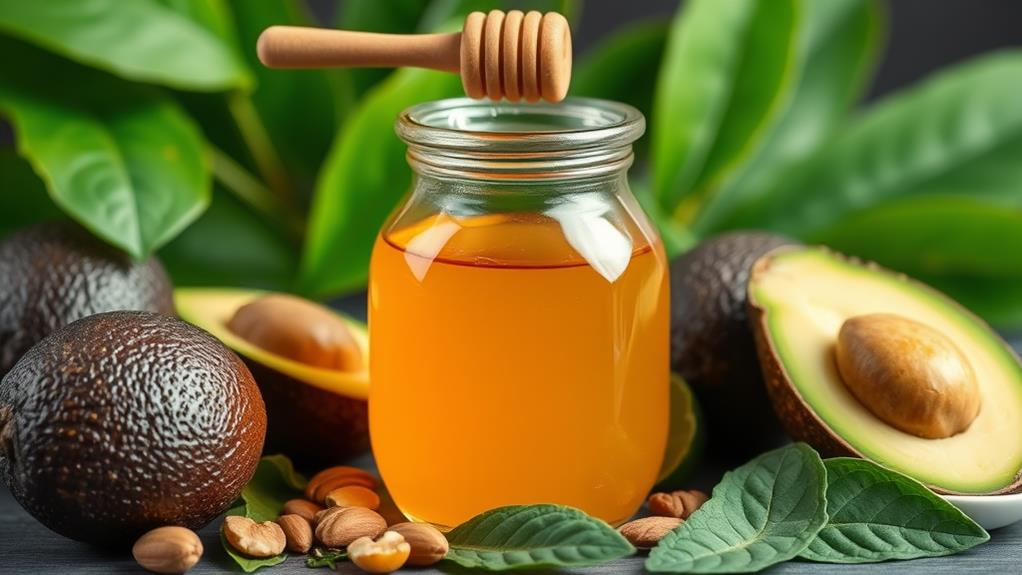
Yes, honey is generally considered keto unfriendly. Just one tablespoon contains around 17 grams of carbohydrates, which can quickly bump you over your daily limit to maintain ketosis. Its high sugar content can cause blood sugar spikes, making it risky for those strictly following a keto diet. While honey offers some health benefits, like antioxidants, they don't outweigh the carbohydrate overload. If you're aiming to stick to keto, it's best to opt for low-carb sweeteners like stevia or erythritol. There's more to discover about maintaining your keto lifestyle effectively.
Understanding the Keto Diet
When it comes to the keto diet, many people find that it's all about rethinking how you fuel your body. The keto diet relies on a low-carb, high-fat intake to shift your body's primary fuel source from sugar (glucose) that comes from carbohydrates to ketone bodies.
To achieve this metabolic state known as ketosis, you'll typically limit your carbohydrate intake to anywhere between 0g to 40g per day, depending on your individual goals and tolerance. This dietary approach can lead to improved insulin sensitivity, which is essential for regulating blood sugar levels and preventing energy fluctuations, making it particularly beneficial for those at risk of type 2 diabetes.
By focusing on long-term strategies for maintaining insulin sensitivity, you can enhance your metabolic health. This means you'll want to avoid foods high in starches and sugars, such as grains and most fruits, which can quickly push you over your carb limit. Instead, focus on incorporating healthy fats and proteins into your meals.
By doing so, you can stabilize blood sugar levels and promote fat burning. The benefits of the keto diet are compelling. Many people report improved mental clarity, increased energy levels, and effective weight loss as their bodies adapt to utilizing stored fat for fuel.
Understanding this diet's foundations can help you make informed choices about what to eat and how to reach your health goals.
Honey's Carb Content
When you look at honey's carb content, you'll notice that just one tablespoon packs about 17 grams of carbohydrates, mostly from sugars.
This high sugar content can quickly throw you out of ketosis if you're following a strict keto diet. Additionally, with a glycemic index ranging from 32 to 85, honey can lead to potential blood sugar spikes, making moderation even more important monitoring carbohydrate intake.
If you're considering adding honey to your meals, it's vital to think about moderation and how it fits into your carb limits.
Honey's Carbohydrate Composition
Although honey is often praised for its natural sweetness and potential health benefits, its carbohydrate composition raises concerns for those on a ketogenic diet. One tablespoon of honey contains about 17 grams of carbohydrates, primarily made up of glucose and fructose. Out of those 17 grams, around 12 grams come from sugar, making honey high in natural sugar content.
For anyone following a strict keto plan, this high carb content can be problematic. The daily carbohydrate limits typically set for maintaining ketosis can be easily exceeded with just a small amount of honey. With approximately 64 calories per tablespoon, the caloric value adds up considerably if you indulge in more than one serving.
When incorporating honey into your diet, moderation is vital. Even small amounts can contribute to your total carbohydrate intake and potentially disrupt your keto goals.
If you're keen on maintaining your ketosis, it's important to be mindful of how honey fits into your overall carbohydrate consumption. Balancing this sweetener with your daily macros is key to staying on track while enjoying the occasional taste of honey.
Impact on Ketosis
Honey's high carbohydrate content can greatly impact your ability to maintain ketosis. Just one tablespoon of honey packs around 17 grams of carbohydrates, and 12 of those grams are sugars. This high sugar content can quickly disrupt your efforts to stay in ketosis, especially since the keto diet typically limits carbohydrate intake to under 10% of your daily calories.
When you're on a strict keto diet, every gram counts. That single tablespoon of honey also adds about 64 calories to your day, which can be significant in a low-carb lifestyle.
If you're trying to adhere to your daily carb limits, consuming honey—even in small amounts—can lead you to exceed your allowable intake, making it harder to remain in ketosis.
Moderation and Consumption Limits
Striking a balance between enjoying sweet flavors and adhering to a keto diet requires careful consideration of honey's carb content. One tablespoon of honey packs about 17 grams of carbohydrates, with roughly 12 grams coming from sugars. This amount can greatly impact your daily carb limits, especially on a keto diet where maintaining low carbohydrate intake is vital.
With 64 calories derived entirely from carbohydrates, honey isn't ideal for strict carb-restricted diets. For those committed to the keto lifestyle, moderation is key. Recommendations suggest limiting your intake to no more than 1 teaspoon of honey per day to avoid disrupting ketosis.
Before indulging, it's important to account for honey's high carb content within your overall daily carbohydrate intake. This means you'll need to be diligent about your consumption limits.
If you do choose to enjoy honey, consider it an occasional treat rather than a staple. By being mindful of your choices and practicing moderation, you can still appreciate the flavor of honey without jeopardizing your keto diet goals.
Nutritional Profile of Honey
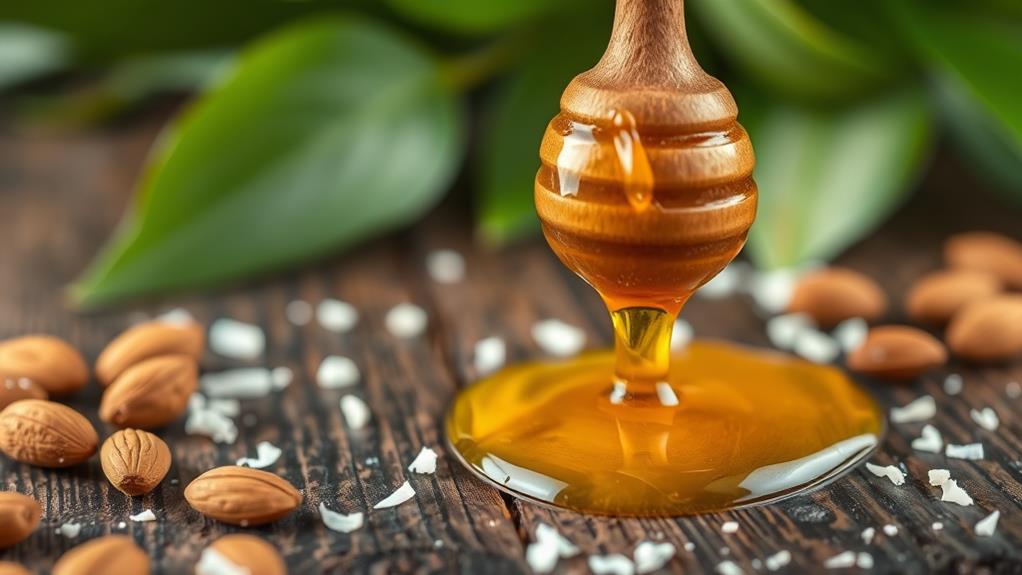
When you look at honey's nutritional profile, you'll see it's primarily made up of carbohydrates, specifically sugars.
This high carbohydrate content can lead to increased insulin levels, which is counterproductive for those following a ketogenic diet aimed at improving insulin sensitivity.
While it does offer some vitamins and minerals, these benefits are minimal compared to its high carb content.
Let's explore how honey stacks up against sugar alternatives and what that means for your diet.
Carbohydrate Content Overview
Honey is a sweetener packed with carbohydrates, making it a high-carb food choice. If you're following a keto diet, understanding honey's carbohydrate content is essential. One tablespoon of honey contains 17 grams of carbohydrates, all of which are sugars. This means that the net carbs in honey equal 17 grams since there's no fiber to offset that total.
Here are some key points about honey's carbohydrate content:
- High-Carb Food: With 17 grams of carbs per tablespoon, honey isn't suitable for strict keto dieters.
- Impact on Ketosis: Consuming honey can quickly exceed your daily carb limit, disrupting ketosis.
- Caloric Content: Honey has about 64 calories per tablespoon, primarily from carbohydrates.
- Keto Incompatibility: Due to its high sugar content, honey generally doesn't align with ketogenic dietary guidelines.
If you're aiming to stay in ketosis, it's best to limit or avoid honey. Understanding its carbohydrate profile will help you make informed choices while following your diet plan.
Nutritional Benefits Explained
While honey's high carbohydrate content makes it a poor choice for those on a keto diet, it's still worth examining its nutritional profile. One tablespoon of honey contains about 17 grams of carbohydrates, which are all sugars, translating to 64 calories mostly from carbs. While this can impact your daily caloric intake, it's essential to take into account what honey offers regarding health benefits.
Though honey has trace amounts of vitamins and minerals like vitamin C and potassium, these quantities are minimal and don't greatly enhance your overall diet. However, honey does contain antioxidants, including polyphenols, which may provide some anti-inflammatory benefits.
Keep in mind, though, that these advantages are limited due to the small servings typically consumed. If you're seeking keto sweeteners, honey isn't the best fit due to its high glycemic content.
But understanding the benefits of honey can help you appreciate its role in a balanced diet, even if it doesn't align with strict ketogenic guidelines. Just remember to consume it mindfully, given its impact on carbohydrate intake.
Comparison With Sugar Alternatives
The stark contrast in nutritional profiles between honey and sugar alternatives highlights the challenges of maintaining a ketogenic diet. If you're aiming for ketosis, honey's high carbohydrate content can be problematic. One tablespoon of honey packs around 17 grams of carbohydrates, primarily glucose and fructose, which can easily kick you out of ketosis.
In contrast, keto-friendly sweeteners are a far better choice.
Consider these key differences:
- Carbohydrate Content: Honey's high carbs versus negligible carbs in sweeteners like stevia and erythritol.
- Glycemic Index: Honey has a higher glycemic index, leading to spikes in blood sugar levels, unlike low-calorie options.
- Nutritional Benefits: While honey offers some vitamins and antioxidants, they don't outweigh its sugar content.
- Taste Profile: Sweeteners like allulose and erythritol mimic the taste of honey without the carbohydrate burden.
Impact of Honey on Ketosis
When considering your carbohydrate intake on a ketogenic diet, honey can be a challenging addition. With approximately 17 grams of carbohydrates per tablespoon, just a small amount can greatly affect your daily carb limit. Since the typical intake for maintaining ketosis is only 20-40 grams, it's easy to see how honey could push you over the edge.
Additionally, many people on a keto diet seek to replace high-carb sweeteners with top keto-friendly sugar substitutes that provide sweetness without the added carbohydrates.
The high sugar content in honey, primarily made up of glucose and fructose, can disrupt ketosis by raising your blood sugar and insulin levels. Even if honey has a lower glycemic index compared to refined sugars, it still poses a risk to those who are strict about their carb consumption.
To maintain ketosis, you'll want to limit or avoid honey altogether. Instead, consider opting for keto-friendly sweeteners that contain minimal to zero carbohydrates.
These alternatives can satisfy your sweet tooth without jeopardizing your state of ketosis. Remember, achieving and maintaining ketosis is vital for reaping the benefits of a ketogenic diet, so being mindful of what sweeteners you choose is essential.
Health Benefits of Honey

Honey offers a range of health benefits that extend beyond its role as a natural sweetener. When you choose raw honey, you tap into its impressive nutritional profile, which includes essential vitamins and minerals.
Significantly, incorporating honey into your diet can complement a balanced approach to health, particularly for those aiming to improve insulin sensitivity. Here are some key health benefits you can enjoy:
- Antioxidants: Raw honey contains flavonoids that help regulate blood sugar and support wound healing.
- Anti-inflammatory properties: It may alleviate allergy symptoms and boost your overall immunity.
- Natural cough remedy: Moderate consumption of honey can soothe sore throats and alleviate cough symptoms.
- Natural energy source: Its carbohydrate content makes honey a quick fuel source for your body.
These benefits highlight that honey isn't just a sweet treat but also a valuable addition to your diet.
By incorporating raw honey, you can enjoy these health perks while satisfying your sweet tooth. Remember, moderation is key to reaping the benefits without compromising your overall health goals.
Comparing Honey and Sugar
When you compare honey and sugar, you'll notice some key differences in their nutritional profiles.
Honey has a lower glycemic index, but both still pack a high carbohydrate punch that can impact ketosis.
While honey does contain some beneficial antioxidants, it's still high in sugars and can hinder your progress on a keto diet, unlike options like natural sweeteners which provide sweetness without the carbs.
Understanding these distinctions can help you make better choices for your diet.
Nutritional Profile Comparison
The nutritional profiles of honey and sugar reveal significant differences that impact those following a keto diet. While both sweeteners are high in carbohydrates, honey contains about 17 grams of carbohydrates per tablespoon, compared to sugar's 12.6 grams. This makes honey a less favorable option for maintaining ketosis.
Here are four key points to reflect upon:
- Carbohydrate Content: Honey has a higher carbohydrate count, which can disrupt ketosis more easily.
- Glycemic Index: Although honey has a lower glycemic index than refined sugar, its carbohydrate content remains a concern for keto dieters.
- Nutritional Benefits: Honey does provide some vitamins and antioxidants, but these benefits don't offset its high sugar content for those on a low-carb approach.
- Protein and Fat: Both honey and sugar are nearly devoid of protein and fat, meaning they don't contribute to satiety or balance in a keto diet.
Impact on Ketosis
In evaluating the impact on ketosis, it's crucial to understand how honey and sugar differ in their effects on blood sugar levels.
Honey contains about 17 grams of carbohydrates per tablespoon, primarily from sugars, which can greatly affect ketosis for those on a strict low-carb diet. Although honey has a lower glycemic index compared to refined sugar, its high carbohydrate content still poses risks for disrupting ketosis.
The simple sugars in honey digest more slowly than sucrose, but they still raise your blood sugar levels, potentially hindering your state of ketosis.
If you're committed to a ketogenic lifestyle, consuming small amounts of honey—like a teaspoon—might be acceptable, but exceeding this can push you over your daily carb limits.
Alternatives to Honey
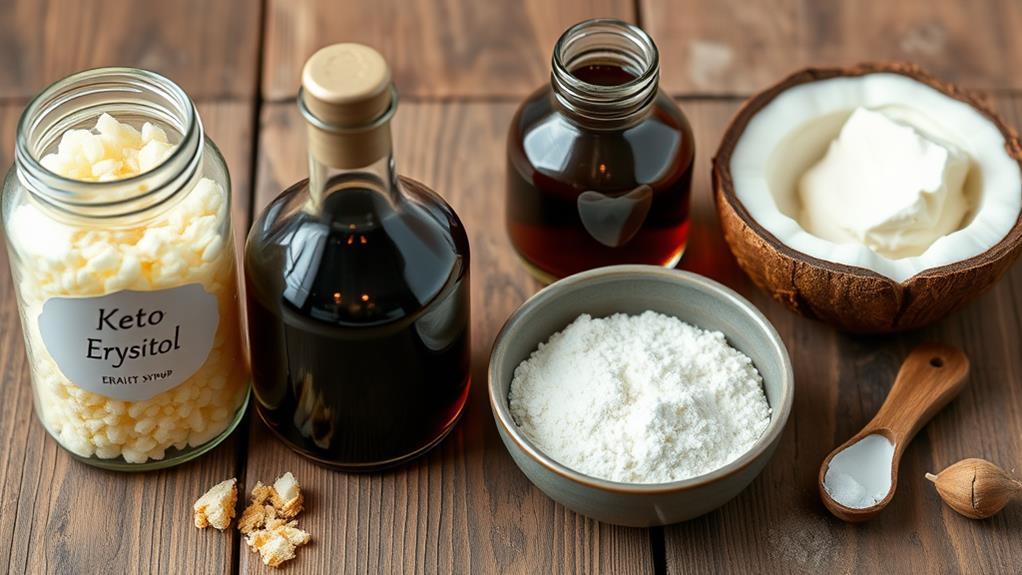
If you're looking for ways to satisfy your sweet tooth without compromising your keto diet, there are several excellent alternatives to honey. These sugar substitutes can help you enjoy sweetness while keeping your carb intake in check.
Here are four great options to contemplate:
- Stevia: This popular sweetener contains 0 calories and only 1 gram of carbohydrates per packet, making it ideal for low-carb diets.
- Monk Fruit Sweetener: With just 8 grams of carbohydrates per 2 teaspoons, it has a negligible impact on blood sugar levels, making it a safe choice.
- Erythritol: A sugar alcohol that boasts virtually zero calories and only 1 gram of carbs per serving, erythritol allows you to enjoy sweetness without affecting ketosis.
- Allulose: This low-calorie sweetener offers about 0.4 calories per gram and mimics sugar's taste, making it another suitable sweetener to use on a keto diet.
Additionally, contemplate keto pancake syrups from brands like ChocZero, which provide a sweet flavor without the high carbohydrate content of honey.
These alternatives to honey can keep your keto journey enjoyable and delicious!
Moderation on a Keto Diet
Many people find that moderation is essential when following a keto diet, especially when it comes to incorporating sweeteners like honey.
While honey boasts antioxidants and potential health benefits, its high carbohydrate content can jeopardize your ketosis. With one tablespoon containing about 17 grams of sugars, it's vital to be mindful of your intake.
To enjoy honey while sticking to your keto diet, aim for a limit of about 1 teaspoon per day, which amounts to roughly 6 grams of net carbs.
Even in these small quantities, honey's sugar content must be carefully balanced with your other macronutrients, particularly fats and proteins.
You might consider experimenting with honey in recipes, but remember to keep a close eye on your overall carbohydrate intake. Exceeding your daily limits can quickly disrupt your state of ketosis.
It's also important to understand your personal tolerance to carbohydrates, as even minor amounts of honey can impact your ketosis differently.
Incorporating Sweeteners in Keto
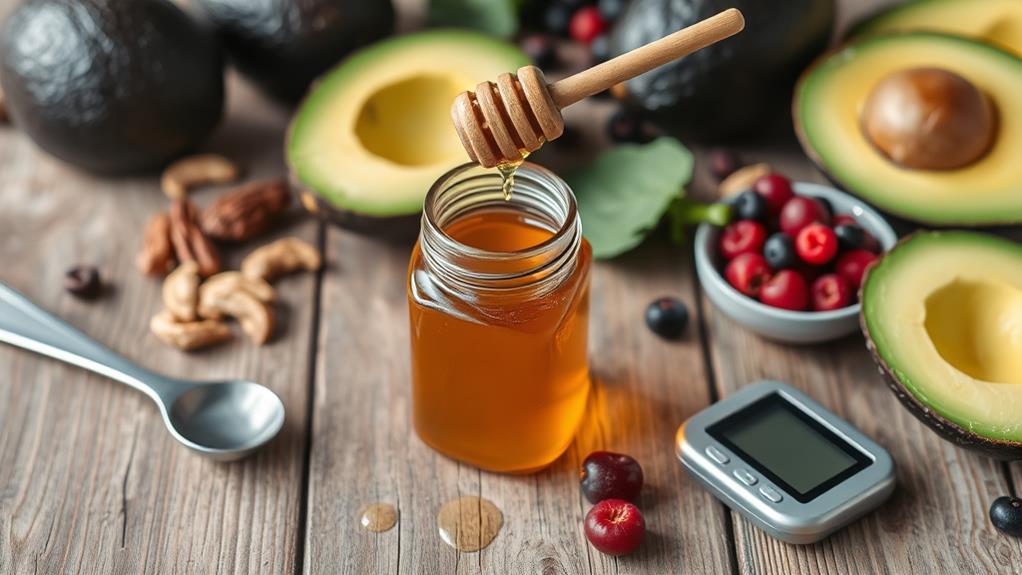
When it comes to incorporating sweeteners into your keto diet, choosing wisely can make all the difference. You want to select sweeteners with zero or near-zero calories from carbohydrates to maintain your ketosis. Traditional sweeteners, like honey, can sabotage your efforts, as just one tablespoon packs about 17 grams of carbs.
Instead, consider these keto-friendly options:
- Stevia – A natural sweetener with no calories or carbs.
- Erythritol – A sugar alcohol that's low in calories and doesn't spike blood sugar.
- Allulose – A rare sugar that mimics the taste of sugar without the carbs.
- Monk Fruit – A natural sweetener that offers sweetness with minimal carbs.
Using these sweeteners can satisfy your cravings without the negative effects on blood sugar and insulin levels that honey can cause.
However, it's crucial to monitor your tolerance to different sweeteners, as some may still affect your glycemic response and disrupt ketosis. By being mindful of your choices, you can enjoy sweetness while sticking to your keto diet.
Final Thoughts on Honey
Ultimately, honey isn't a friend to those strictly adhering to a keto diet. With about 17 grams of sugar in just one tablespoon, honey is undeniably high in carbohydrates, which can quickly disrupt ketosis. Since the keto diet restricts daily carb intake to under 10% of your total calories, incorporating honey can easily push you over that limit.
While honey does boast some health benefits, like antioxidants and anti-inflammatory properties, these advantages don't outweigh its high-carb content for keto followers. If you decide to indulge in honey, moderation is key. Limiting your intake to around one teaspoon per day, which totals approximately 6 grams of net carbs, might be feasible for some. However, this amount still requires careful consideration.
For those looking for sweetness without the carb overload, keto-friendly alternatives like stevia, erythritol, and monk fruit are excellent options. These substitutes provide the sweetness you crave without the high-carb drawbacks.
Ultimately, it's best to prioritize these alternatives if you want to maintain your keto lifestyle while still enjoying a touch of sweetness.
Conclusion
To sum up, while honey might not be the most keto-friendly option due to its high carb content—about 17 grams of carbs per tablespoon—it can still be enjoyed in moderation. Notably, studies show that honey has over 200 compounds that may benefit your health, including antioxidants. If you're craving something sweet, consider using honey sparingly or opt for keto-friendly alternatives. Balancing your cravings with your diet goals can lead to a satisfying and delicious keto journey!