When it comes to the keto diet, understanding which foods fit is key. Sour cream is keto-friendly due to its low carb content and high fat. On the other hand, lentils are too high in carbs to be suitable for keto. When choosing nuts, go for almonds or macadamias, as some varieties have higher carb counts. Dairy is generally acceptable, but focus on full-fat options. There’s so much more to explore about these foods and their roles in your keto journey.
Understanding the Keto Diet: Basics and Principles
The keto diet, a low-carb, high-fat eating plan, has gained popularity for its potential to promote weight loss and improve health.
To understand the keto diet fundamentals, it’s essential to grasp how drastically reducing carbohydrate intake shifts your body into ketosis. In this state, your body burns fat for fuel instead of carbs, leading to effective weight loss.
You’ll enjoy a variety of foods high in healthy fats, like avocados and nuts, while limiting grains and sugars.
The ketogenic lifestyle benefits extend beyond weight loss; many report increased energy levels, better mental clarity, and reduced cravings. Additionally, ketones serve as a primary fuel source during ketosis, providing a steady energy supply that enhances both physical endurance and mental performance.
Embracing this approach can transform not just your diet, but your overall well-being, making it a lifestyle worth considering.
Is Sour Cream Keto-Friendly? Nutritional Breakdown?
You might be wondering if sour cream fits into your keto lifestyle.
Let’s break down its nutritional composition, focusing on the carb count and its culinary uses. Understanding these aspects will help you decide if sour cream is a good option for your meals.
Nutritional Composition Overview
While many people on a keto diet seek to limit their carbohydrate intake, sour cream often emerges as a surprisingly versatile ingredient. Its rich, creamy texture adds flavor to various dishes without packing on the carbs.
When you look at sour cream’s nutritional composition, you’ll notice it’s relatively high in fat, which aligns with the keto lifestyle. Its nutrient density makes it a great choice for adding healthy fats to your meals.
However, ingredient sourcing matters; choose full-fat sour cream for the best results, as lower-fat versions often contain added sugars or fillers that can derail your keto goals.
Carb Count Analysis
How many carbs are in sour cream, and is it truly keto-friendly? Sour cream typically contains about 1-2 grams of carbs per tablespoon, making it a low-carb option that fits well within a ketogenic diet.
When you look at the ingredient breakdown, you’ll notice that it’s primarily made up of cream and a bit of lactic acid, which contribute to its creamy texture without adding significant carbs.
This low carb count allows you to enjoy sour cream as a topping for your favorite keto dishes without worrying about exceeding your daily carb limit. Just be cautious with portion sizes, as those grams can add up if you use it generously.
Culinary Uses Explained
Sour cream isn’t just low in carbs; it also boasts a range of culinary uses that can elevate your keto meals.
You can use it as a creamy base for sauces, enhancing flavor with herbs and spices. Try incorporating it into soups for a rich texture or dolloping it on top of chili for a zesty finish.
Sour cream pairs well with bold flavors, making it perfect for tacos or as a dip for veggies. You can also mix it into egg dishes or salads to add creaminess without the carbs.
The Truth About Lentils: Are They Compatible With Keto?
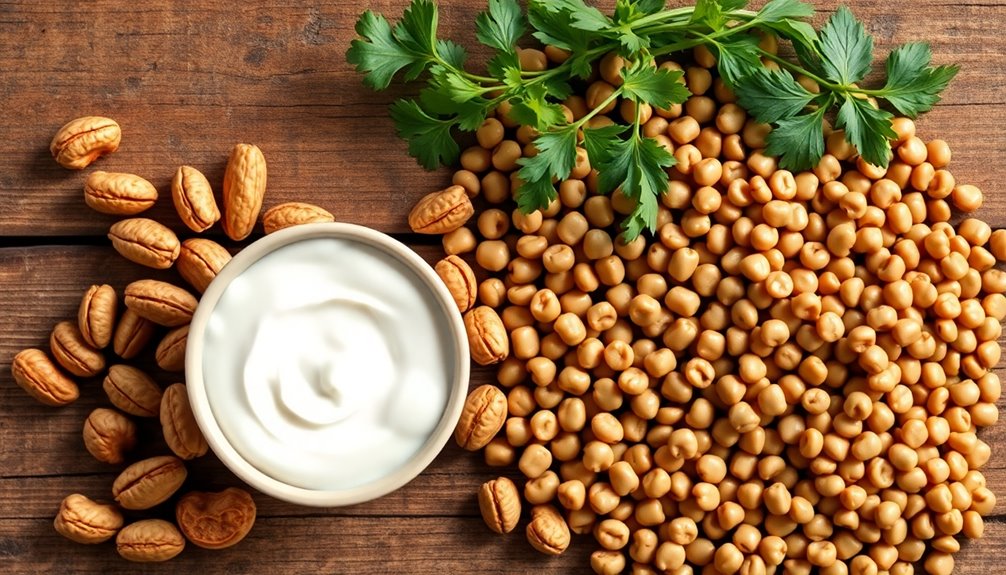
Are lentils a hidden danger for your keto diet? While they’re packed with protein and fiber, lentils are also high in carbohydrates, which can greatly impact your daily carb allowance.
Just one cup of cooked lentils contains around 40 grams of carbs, making them less than ideal for strict keto eating.
One cup of cooked lentils packs around 40 grams of carbs, making them unsuitable for a strict keto diet.
If you’re looking for lentil alternatives, consider options like cauliflower, zucchini, or mushrooms, which are lower in carbs and can provide similar textures in your meals. Additionally, opting for lower carbohydrate content can help maintain your keto diet effectively.
By swapping out lentils for these alternatives, you can keep your carb count in check while still enjoying hearty dishes.
Nuts on Keto: Which Varieties Are Best for Your Diet?
While lentils may not fit into your keto meal plan, there are plenty of other nutritious options to explore, particularly when it comes to nuts.
In a nut variety comparison, almonds, macadamias, and pecans stand out as top choices for a keto diet. Almonds are versatile and can be enjoyed as snacks or in almond flour, while macadamias are rich in healthy fats and perfect for adding to salads. Pecans are also low in carbs and work well in keto desserts.
For nut serving suggestions, stick to a handful (about 1 ounce) to keep your carb intake in check. Remember, moderation is key, and mixing different nuts can add variety to your meals while keeping your keto goals intact. Additionally, incorporating nuts regularly supports cardiovascular health and enhances overall well-being.
Dairy Products and Keto: What You Need to Know
When following a keto diet, choosing the right dairy products is essential. You’ll want to focus on keto-friendly options while being mindful of lactose intolerance and understanding the nutritional value of each choice. Incorporating keto-friendly cheese options can enhance your meals while supporting your weight loss goals. Let’s explore what works best for your diet and how to incorporate dairy effectively.
Keto-Friendly Dairy Options
Dairy can be a delicious addition to your keto diet, but not all dairy products are created equal.
You’ll want to focus on keto-friendly cheese options like mozzarella, cheddar, and cream cheese, which are low in carbs and high in fat. These cheeses can enhance your meals while keeping you within your carb limits.
When it comes to yogurt, look for low carb yogurt varieties, such as Greek yogurt or unsweetened coconut yogurt. These options are typically lower in sugar and perfect for a keto lifestyle.
Just remember to check the labels for hidden carbs and added sugars, ensuring you stay on track with your dietary goals. Enjoy incorporating these tasty dairy choices into your meals!
Lactose Intolerance Considerations
If you’re following a keto diet and love dairy, it’s important to take into account lactose intolerance. Many people experience discomfort from dairy, which can make enjoying your favorite keto-friendly options tricky.
You don’t have to give up dairy entirely, though. Consider lactose free alternatives like lactose-free yogurt, cheese, and cream that allow you to enjoy the creamy texture without the digestive issues.
When you do indulge in regular dairy, pay attention to your body’s signals and consider managing symptoms with digestive aids if needed.
Nutritional Value Comparison
While you may love the rich flavors of dairy, understanding the nutritional values of different dairy products is crucial for maintaining your keto diet.
When considering options, focus on their nutritional density. Full-fat options like cheese and heavy cream offer higher fat content with fewer carbs, making them ideal for keto.
In ingredient comparisons, Greek yogurt can be tricky; it’s higher in protein but often contains more carbs, so choose unsweetened varieties.
Cottage cheese is another option, but watch portions as it can add up in carbs. Always check labels to verify you’re staying within your macro limits.
Balancing these factors will help you enjoy dairy while adhering to your keto lifestyle.
Exploring Low-Carb Vegetables: What Fits the Keto Lifestyle?
Have you ever wondered which vegetables can seamlessly fit into your keto lifestyle? Your keto vegetable selection should focus on low carb options that keep you in ketosis while providing essential nutrients.
Leafy greens like spinach and kale are fantastic choices, as they’re packed with vitamins and have minimal carbs.
Cruciferous vegetables like broccoli and cauliflower are also great; they’re versatile and can be used in various dishes.
Zucchini and bell peppers add flavor without loading you up on carbs.
Don’t forget about asparagus and mushrooms, which are low in carbs and high in fiber.
Incorporating nutrient-dense fats like avocado into your meals can further enhance your overall health while maintaining a low-carb intake.
By choosing these low-carb vegetables, you can enjoy delicious meals while staying true to your keto goals.
Happy cooking!
Sweeteners on Keto: Which Ones Keep You in Ketosis?
Are you curious about which sweeteners will keep you in ketosis? Choosing the right sweetener types is essential for maintaining your keto lifestyle.
Opt for keto alternatives like stevia, erythritol, and monk fruit. These sweeteners have minimal impact on your blood sugar levels, helping you stay in ketosis while still satisfying your sweet tooth. Additionally, natural zero-calorie sweeteners like stevia can provide antioxidant benefits, enhancing your overall health.
Avoid sugar and high-carb sweeteners, as they can kick you out of ketosis. Always check labels, as some products contain hidden carbs.
Additionally, remember that moderation is key; even keto-friendly sweeteners can affect some individuals differently.
The Role of Protein Sources in a Keto Diet: Meat and Alternatives
Maintaining a keto diet involves not just monitoring your carb intake but also ensuring you get enough protein to support your health. Sourcing quality protein is essential for muscle maintenance and overall well-being.
While meat is a primary protein source on keto, don’t overlook meat alternatives like tofu, tempeh, and seitan. These options can help you achieve a balanced protein intake, especially if you’re looking to reduce animal products. Just be mindful of their carb content—some can be higher than you’d expect. Aim for a protein balance that meets your needs while keeping you in ketosis. Incorporating high-protein meats can significantly enhance your diet’s nutritional profile and support your weight loss goals.
Fats on Keto: Healthy Fats vs. Unhealthy Fats
While following a keto diet, understanding the difference between healthy fats and unhealthy fats is essential for your success.
Incorporating healthy fat sources like avocados, olive oil, and nuts can provide your body with the nutrients it needs while keeping your carb intake low. These fats support heart health and help maintain energy levels. Additionally, including high-fat dairy products in your meals can enhance flavor and provide crucial nutrients necessary for maintaining ketosis.
On the other hand, unhealthy fat effects can derail your progress. Trans fats and heavily processed oils can lead to inflammation and other health issues, undermining your keto goals.
Always choose whole, unprocessed options when possible, and pay attention to the quality of fats you consume. Being mindful of your fat choices can make a significant difference in how you feel and achieve your desired results on keto.
Common Misconceptions About Keto Foods: Debunking Myths
You might think keto means you have to cut out all carbs, but that’s not the whole story.
Many people also assume all nuts fit perfectly into a keto diet, and that dairy is a no-go.
Let’s clear up these myths and explore what keto foods really look like. Additionally, certain types of pepperoni can fit into a low-carb diet, provided you check the carb content to ensure they align with your dietary goals.
Keto Is Always Zero-Carb
Many people mistakenly believe that the ketogenic diet is synonymous with zero-carb eating, but this couldn’t be further from the truth.
One of the biggest keto misconceptions is that you must eliminate all carbohydrates to achieve ketosis. In reality, many foods with low carb counts can fit perfectly into your keto lifestyle.
For instance, non-starchy vegetables, certain dairy products, and nuts can all have a place in your diet while still keeping your carb intake low enough to remain in ketosis.
Understanding these carb misconceptions can help you create a balanced meal plan that provides essential nutrients without overloading on carbs.
All Nuts Are Keto
Not all nuts are created equal when it comes to the ketogenic diet. While many nut varieties can fit into your keto lifestyle, some are higher in carbs than you’d expect.
For instance, cashews and pistachios contain more carbohydrates, making them less ideal for strict keto. On the other hand, almonds, walnuts, and macadamia nuts are lower in carbs and offer significant nut benefits, like healthy fats and protein.
Including these keto-friendly nuts in moderation can help you maintain your daily carb limits while providing essential nutrients. Always be mindful of portion sizes, as even low-carb nuts can add up quickly.
Dairy Is Off-Limits
While some people believe that dairy is off-limits on the ketogenic diet, this isn’t entirely true. In fact, many dairy products can fit perfectly into your keto lifestyle. You just need to choose wisely!
Here are some options to take into account:
- Full-fat cheese (cheddar, mozzarella)
- Heavy cream for cooking or coffee
- Greek yogurt (plain, unsweetened)
- Butter and ghee for cooking
- Lactose-free options if you’re sensitive
If you’re looking for dairy alternatives, options like coconut milk or almond milk can also work. Just make sure they’re unsweetened to keep your carb count low.
Embrace dairy in moderation, and you can enjoy tasty, satisfying meals while staying within your keto goals!
Meal Planning on Keto: How to Incorporate These Foods
When planning your meals on a keto diet, it’s essential to focus on incorporating low-carb, high-fat foods that keep you satisfied and energized.
Start your meal prep by creating a weekly menu that features keto-friendly ingredients like leafy greens, avocados, and healthy fats.
Consider ingredient substitutions, such as using cauliflower rice instead of traditional grains or swapping out high-carb snacks for cheese and nuts. This not only helps you stay within your carb limits but also adds variety to your meals.
Don’t forget to batch cook your proteins and store them for easy access throughout the week. Including nutritious low-carb breakfasts can set a positive tone for your day and support your overall health goals.
With a little planning, you’ll find it easier to stick to your keto goals and enjoy delicious meals without the stress.
Tips for Staying on Track: Navigating Social Situations With Keto
As you navigate social situations on a keto diet, it’s essential to have strategies in place to stay on track without feeling deprived.
Here are some tips to help you handle peer pressure and enjoy social dining:
- Communicate your preferences to friends and family, so they understand your choices.
- Choose restaurants wisely that offer keto-friendly options.
- Practice portion control by sharing dishes or asking for smaller servings.
- Mindful eating can make a difference; savor each bite to feel satisfied.
- Have party strategies in mind, like bringing your own snacks or appetizers.
With these strategies, you can enjoy social events while sticking to your keto goals!
Conclusion
In your keto journey, think of yourself as a culinary explorer, steering through the seas of food choices. With a solid understanding of what’s keto-friendly—like creamy sour cream and selective nuts—you can craft delicious meals without feeling deprived. Remember, even the mighty Odysseus faced temptations, but staying true to your path guarantees you reach your goal. Embrace these tips and make your keto adventure both satisfying and sustainable, and you’ll conquer any challenge that comes your way!