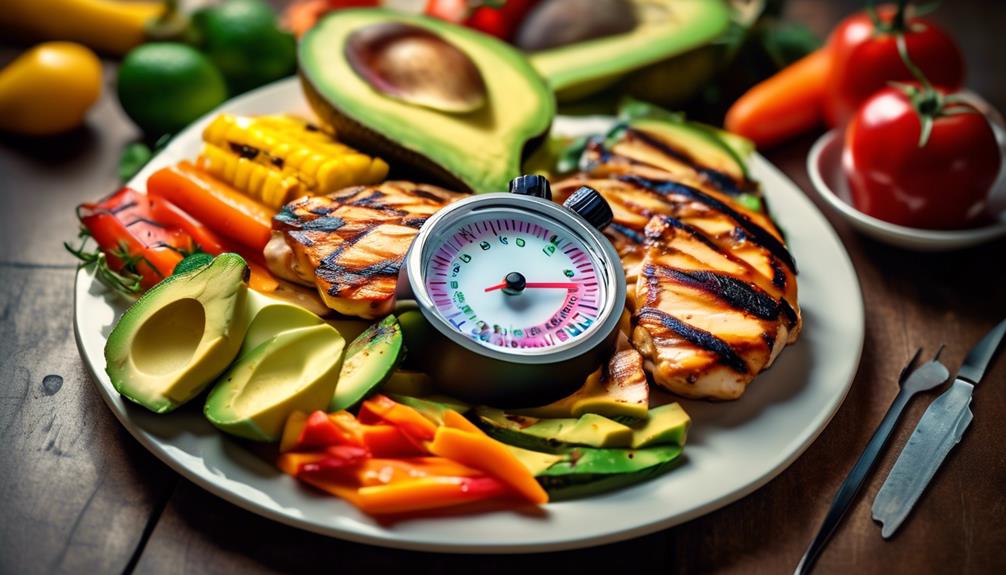
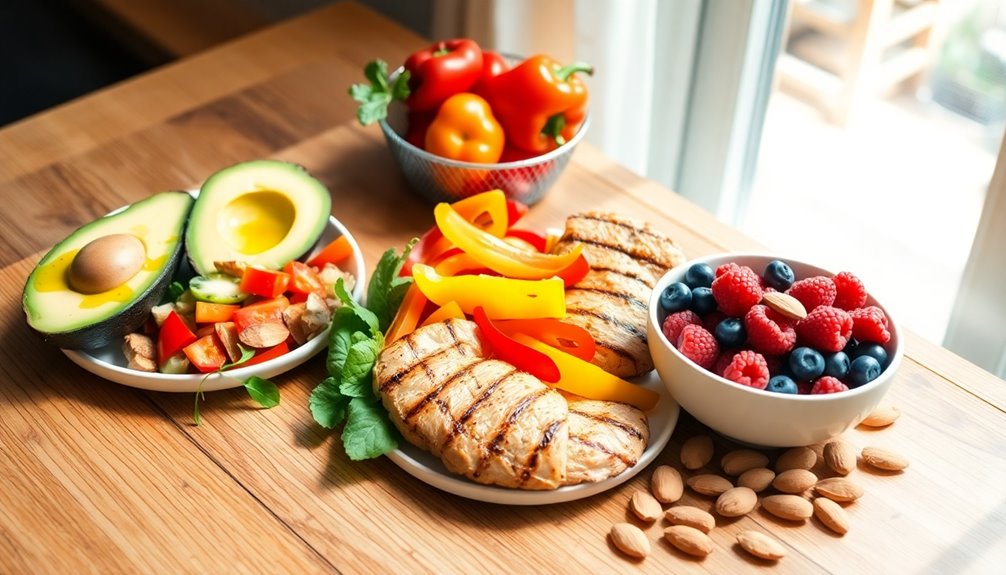
If you’re considering a keto diet for diabetes, focus on low-carb vegetables, healthy fats like avocados and olive oil, and quality protein sources such as chicken and fish. Avoid high-carb processed foods, sugary snacks, and refined grains, as these can spike your blood sugar. Aim for balanced meals that keep insulin levels stable. Interested in knowing more about meal planning and tips to succeed on this diet? There’s plenty more to explore!
Understanding the Keto Diet Basics for Diabetics
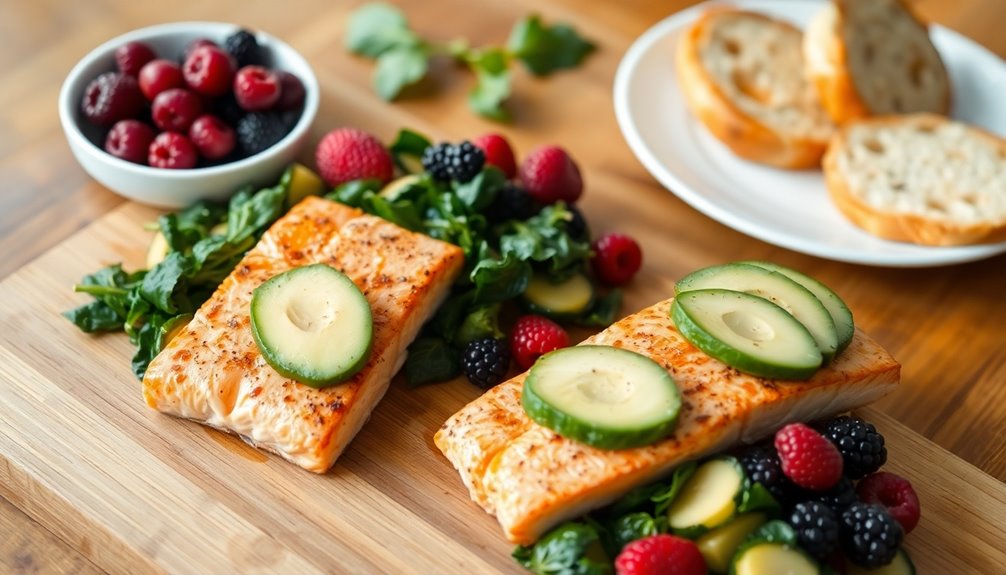
When you consider the keto diet, it’s essential to understand how it can specifically benefit diabetics. The keto diet fundamentals revolve around low carbohydrate intake and high fat consumption, which can lead to reduced insulin spikes.
Understanding the keto diet’s low carb, high fat approach can significantly benefit diabetics by reducing insulin spikes.
By drastically cutting carbs, you encourage your body to enter ketosis, where it burns fat for fuel instead of glucose. This shift can help you make effective diabetic lifestyle adjustments, enabling better blood sugar management.
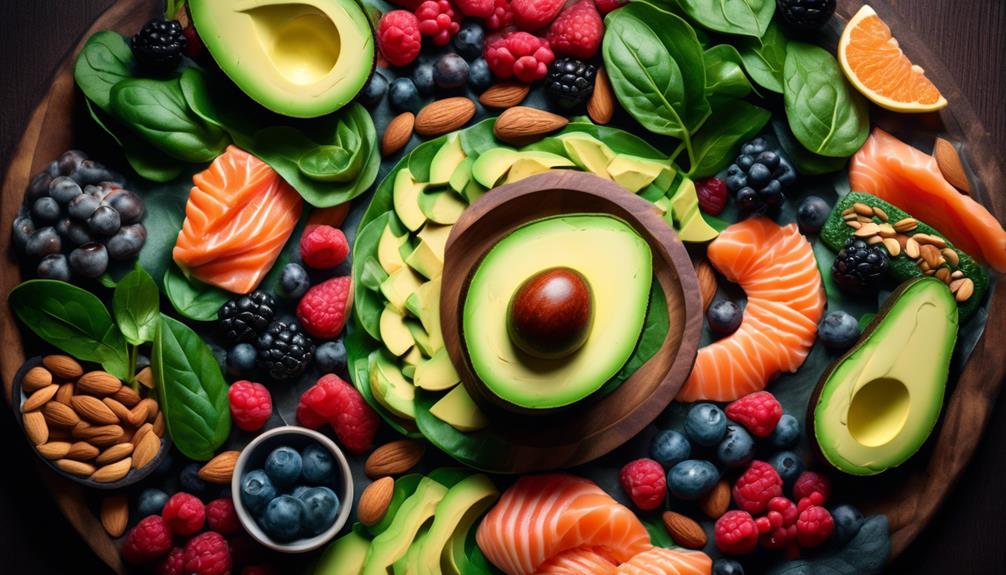
It’s vital to focus on whole foods like avocados, nuts, and leafy greens while avoiding sugary snacks and processed carbs. Adopting these principles can simplify meal planning and enhance your overall health. Additionally, the keto diet has been shown to reduce risk factors for heart disease, which is particularly beneficial for diabetics.
Understanding these basics lays the groundwork for successfully integrating the keto diet into your daily routine.
The Benefits of Keto for Blood Sugar Control
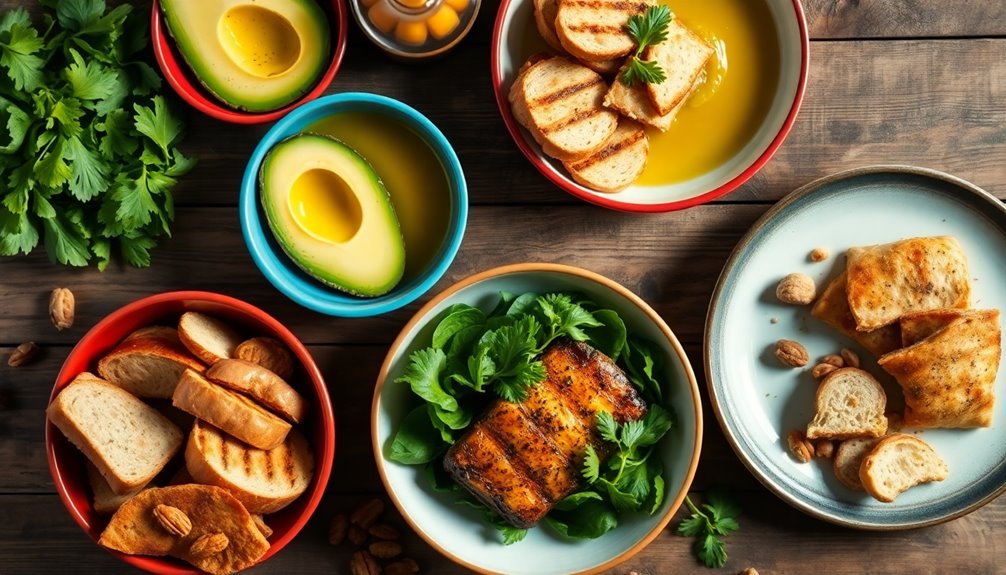
The keto diet can greatly improve your insulin sensitivity, making it easier for your body to manage blood sugar levels. Additionally, this diet promotes metabolic flexibility, allowing your body to efficiently switch between fuel sources, which further aids in blood sugar regulation.
Improved Insulin Sensitivity
When you limit carbs, your body needs less insulin to manage blood sugar levels, which can lead to better overall blood sugar control. This shift makes carbohydrate counting easier and more effective, as you’ll notice fewer fluctuations in your glucose levels.
As a result, you may feel more energized and experience fewer cravings. Adopting a keto approach helps your body become more efficient at using fat for fuel, minimizing the need for large insulin doses.
This can empower you to take control of your health and improve your quality of life.
Reduced Blood Sugar Spikes
By adopting a keto diet, you can greatly reduce blood sugar spikes, which is essential for effective diabetes management.
This low-carb approach helps stabilize your blood sugar levels, minimizing the insulin response your body needs to produce after meals. When you limit carbs, your body relies on fat for fuel, leading to fewer fluctuations in glucose levels.
As a result, you’ll experience more consistent energy throughout the day. Plus, reduced blood sugar spikes can lower your risk of complications associated with diabetes.
Foods to Embrace on a Diabetic Keto Menu
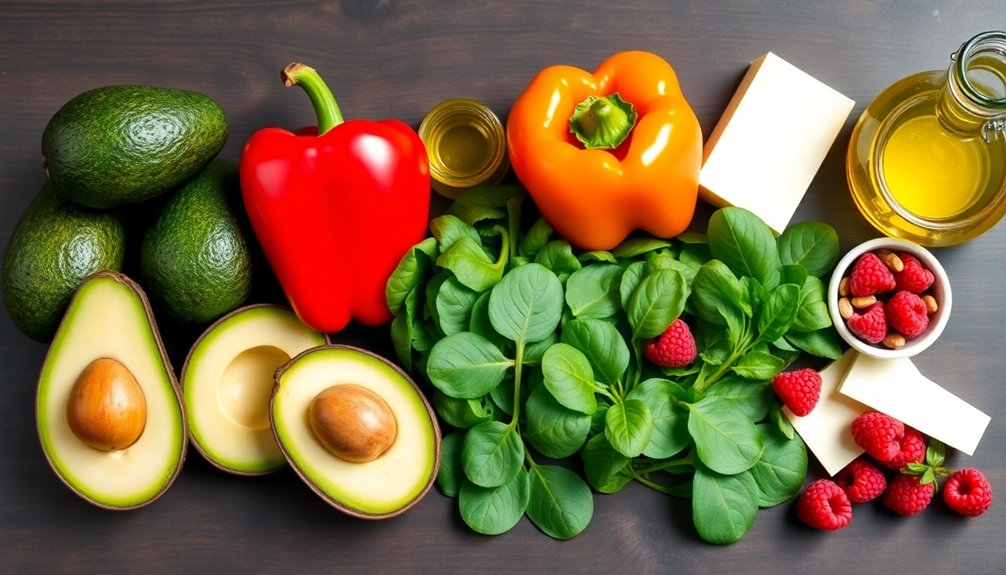
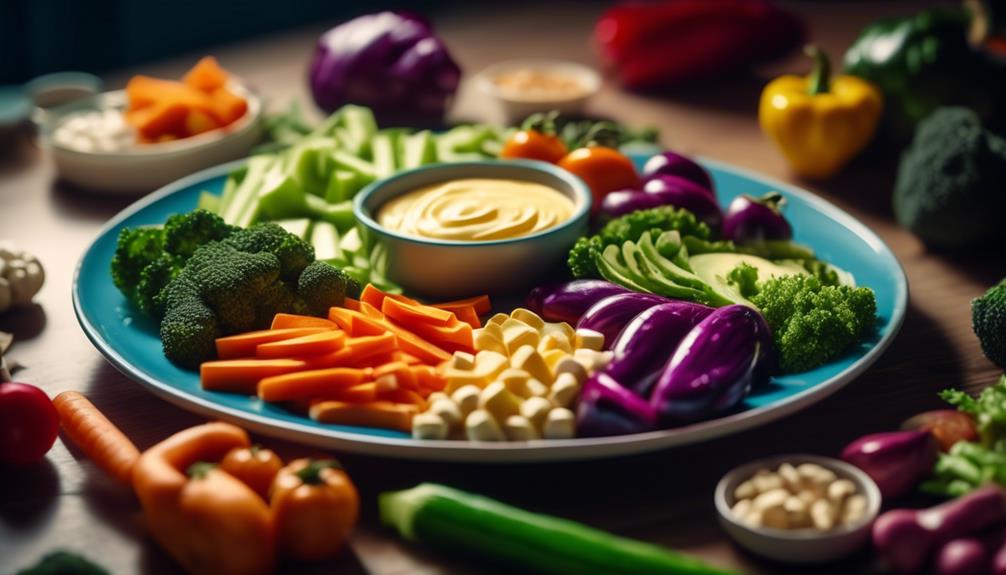
When you’re steering through a diabetic keto menu, choosing the right foods can make all the difference. Embrace healthy fats like avocados and olive oil to support your energy needs. Load up on low carb vegetables such as spinach and zucchini for essential nutrients without spiking your blood sugar. Focus on quality protein sources like chicken, fish, and eggs to help you feel full. Adding healthy cooking oils can enhance flavor while providing beneficial fats to your meals. Meal prepping is key, allowing you to control portions and maintain fiber intake with added chia or flaxseeds. Stay hydrated with water or herbal teas, and use flavor enhancers like herbs and spices to elevate your meals. Pay attention to cooking methods, opting for grilling or steaming to keep meals nutritious and satisfying.
Foods to Avoid: What Can Spike Blood Sugar?
When managing your blood sugar, it’s essential to steer clear of high-carb processed foods.
Sugary beverages and snacks can quickly elevate your levels, making it harder to maintain stability. Additionally, understanding the impact of carbohydrates on insulin resistance is crucial for your keto journey.
Let’s explore these culprits and how they can impact your keto journey.
High-Carb Processed Foods
While you may be tempted by the convenience of high-carb processed foods, they can greatly spike your blood sugar levels. High-carb snacks, like chips and granola bars, often contain processed sugars that can lead to rapid glucose spikes.
Refined grains, found in many breads and pastas, lack the fiber your body needs to stabilize blood sugar. Even seemingly harmless sugary desserts can sabotage your efforts, as they typically pack a hefty dose of carbs and sugars.
Sugary Beverages And Snacks
Many people underestimate the impact of sugary beverages and snacks on blood sugar levels. These items can cause rapid spikes, leaving you feeling fatigued and craving more.
Instead of reaching for sodas or sweetened teas, consider healthier alternatives, like sparkling water infused with fruit or herbal teas. These options keep you hydrated without the added sugars.
When it comes to snacks, ditch the candy bars and pastries. Opt for nuts, cheese, or low-carb veggies with dip.
These choices not only satisfy your hunger but also support stable blood sugar levels. By being mindful of what you consume, you’ll make better decisions that align with your keto diet and help manage your diabetes effectively.
Sample Keto Meal Plan for Diabetics
Creating a sample keto meal plan for diabetics can simplify your journey toward better blood sugar control and weight management.
By focusing on keto meal timing and portion control, you can make healthier choices. Here’s a quick meal plan to get you started:
- Breakfast: Scrambled eggs with spinach and avocado. Pair it with a side of bacon for added protein.
- Lunch: Grilled chicken salad with mixed greens, olive oil dressing, and a sprinkle of feta cheese.
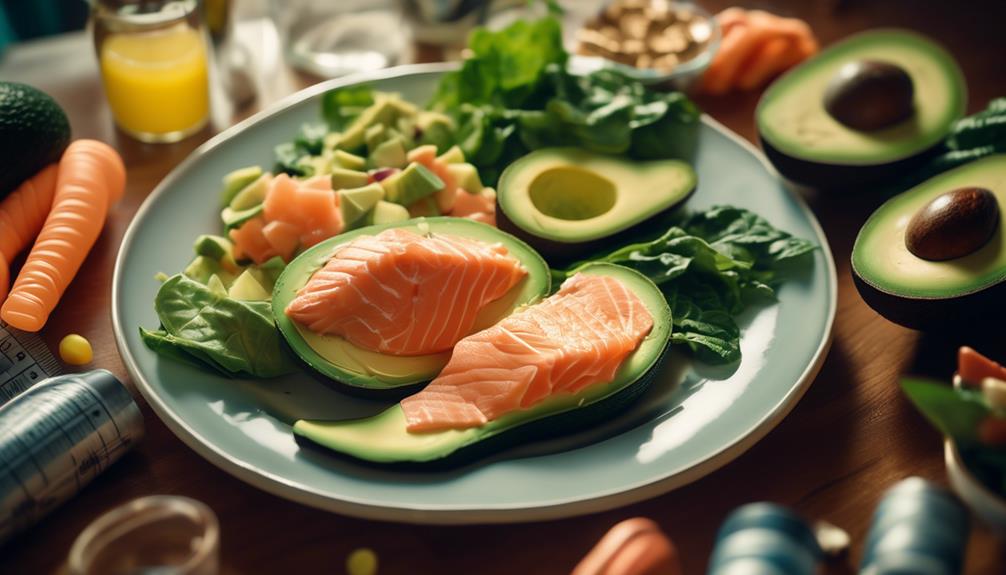
- Dinner: Baked salmon with asparagus and cauliflower rice.
This plan emphasizes low-carb, high-fat foods while ensuring you maintain proper portion sizes. Additionally, incorporating high-protein options like eggs and salmon can help keep you satisfied throughout the day.
Snacks That Fit Into a Keto Diet for Diabetics
Snacking can be a delicious way to maintain energy levels between meals, especially on a keto diet for diabetics.
Focus on nutrient-dense options that keep your carbs low while providing essential nutrients. Consider snacks like cheese sticks, nuts, or sliced avocado.
You might also enjoy celery with almond butter or hard-boiled eggs for a satisfying crunch. Incorporating healthy fats into your snacks can help promote satiety and support overall health.
How to Monitor Your Blood Sugar on Keto
While following a keto diet, keeping an eye on your blood sugar levels is essential for managing diabetes effectively. You can use various methods for blood glucose monitoring to guarantee you stay on track.
Here’s how to do it:
- Use glucose meters: Regularly check your blood sugar levels, adjusting your testing frequency based on your dietary adjustments and activity levels.
- Consider continuous glucose monitoring: This allows you to track fluctuations in real-time, helping you manage stress and understand your body’s responses.
- Incorporate ketone testing: Monitoring ketones can provide insight into your metabolic state, especially when carb counting to stay in ketosis. Additionally, understanding how ketones improve cognitive function can help you optimize your diet for better overall health.
Tips for Dining Out While on Keto
Dining out on a keto diet can be enjoyable and manageable with a bit of planning. Start by choosing restaurants that offer keto-friendly options.
Review the menu strategies beforehand—look for dishes featuring meats, fish, and plenty of veggies. Practice portion control; you can always take leftovers home.
When it comes to sauce selections, opt for oil-based dressings or sauces without added sugars. For dessert alternatives, consider asking for berries or cheese instead of traditional sweets.
Communication tips are key—don’t hesitate to inform your server about your dietary needs.
Finally, maintain ingredient awareness; ask about hidden carbs in sauces or sides. Following these dining etiquette tips will help you stick to your keto diet while enjoying your meal out. Additionally, consider bringing along savory low-carb snacks like beef jerky to keep hunger at bay while you wait for your meal.
Common Mistakes to Avoid on a Keto Diet for Diabetics
When starting a keto diet as a diabetic, it’s easy to make some common mistakes that can hinder your progress. To help you stay on track, avoid these pitfalls:
- Ignoring Carb Counting: Many believe they can eat unlimited fats, but proper carb counting is vital to manage your blood sugar levels effectively.
- Falling for Keto Misconceptions: Don’t assume all keto-friendly foods are healthy. Processed snacks and high-calorie items can derail your goals.
- Neglecting Nutrient Balance: Focusing solely on low carbs may lead to nutrient deficiencies. Incorporate a variety of low-carb vegetables and healthy fats to guarantee you get essential vitamins, especially since the keto diet emphasizes high-quality fat sources to maintain energy levels.
Conclusion
Incorporating a keto diet can be a game changer for managing diabetes, with studies showing that around 60% of diabetics experience improved blood sugar levels on a low-carb diet. By focusing on the right foods and monitoring your intake, you can enjoy tasty meals while keeping your health in check. Remember, making informed choices is key, so stay mindful of your body’s reactions and enjoy the journey toward better blood sugar control!