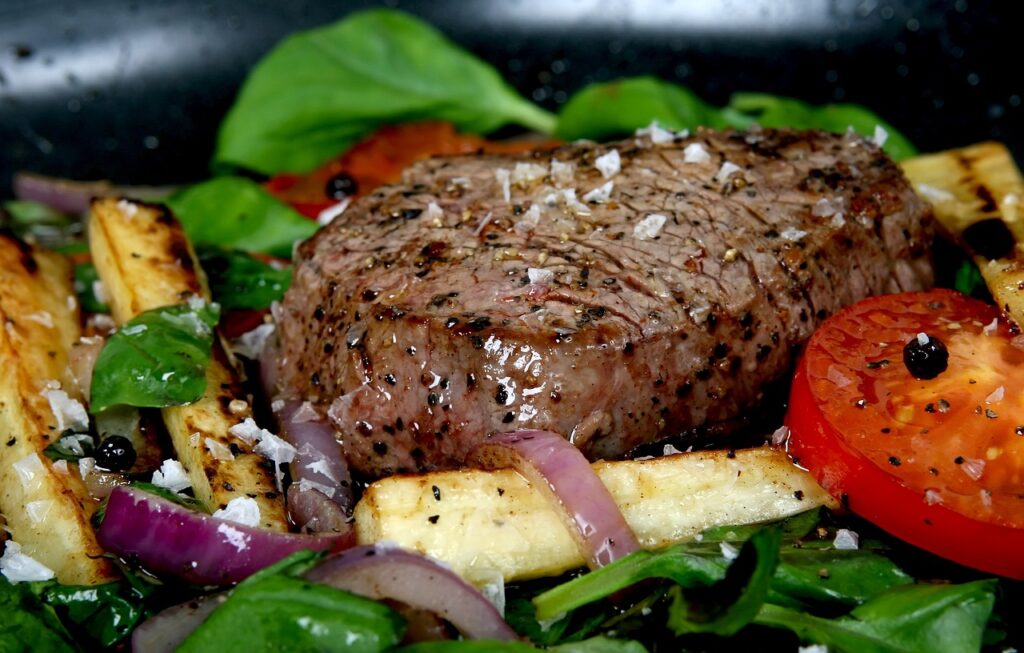

The ketogenic diet is a low-carb eating plan that forces your body into ketosis, where it burns fat for fuel instead of carbs. By restricting carbs to 20-50 grams daily, your insulin levels drop, and your liver starts converting stored fat into ketones. Key foods you’ll enjoy include fatty meats, fish, eggs, and low-carb veggies. It’s important to monitor your macronutrients and stay hydrated to avoid potential pitfalls. There’s so much more to know about making keto work for you.
Understanding the Ketogenic Diet
The ketogenic diet is a low-carb eating plan that shifts your body’s energy source from glucose to fat. By drastically reducing carbohydrate intake to just 20-50 grams per day, ketogenic diets promote a metabolic state called ketosis.
The ketogenic diet transforms your body’s energy source from glucose to fat by significantly reducing carb intake.
In this state, your body uses fat as its primary fuel source, converting stored fat into ketone bodies for energy. This process not only lowers blood sugar and insulin levels but can also lead to weight loss and improved health.
Foods in a healthy low carb diet include fatty meats, fish, eggs, and low-carb veggies, while avoiding high-carb options like grains and sugars.
However, careful planning is essential to mitigate risks like nutrient deficiencies and increased saturated fat intake. Additionally, maintaining adequate hydration is critical for optimal performance on the diet.
The Science Behind Ketosis
Achieving ketosis involves a fascinating metabolic shift that transforms how your body generates energy.
To reach this metabolic state called ketosis, you need to reduce your carbohydrate intake to about 20-50 grams per day. When you do this, your insulin levels drop, prompting your liver to break down stored fat into ketone bodies for fuel.
It can take several days of low-carb eating for your ketone levels to reach ideal levels. Be cautious with high protein intake, as excess protein can convert to glucose through gluconeogenesis, hindering fat burning.
During this change, you might experience symptoms related to the “keto flu,” such as increased thirst and decreased appetite, but these typically resolve within a few weeks as your body adapts. Additionally, this transition plays a crucial role in improving insulin sensitivity, which can benefit overall metabolic health.
Key Foods to Include

To succeed on the keto diet, you’ll want to focus on essential fats, quality protein sources, and low-carb vegetables.
Incorporating foods like avocados, fatty cuts of meat, and leafy greens will help you meet your nutritional needs while keeping carbs in check. Additionally, including healthy fats such as olive oil and grass-fed butter can further enhance your meals and support overall health.
Let’s explore the key ingredients that will support your journey into ketosis.
Essential Fats to Consume
While following a ketogenic diet, incorporating essential fats is crucial for maintaining energy levels and achieving ketosis. Focus on healthy unsaturated fats like olive oil, avocados, nuts, and seeds. These should make up a significant portion of your daily caloric intake.
You’ll want to aim for about 165 grams of fat daily to stay in ketosis. Don’t shy away from saturated fats, either—coconut oil, butter, and lard can provide energy density.
Remember to keep your protein intake moderate, as excessive protein can interfere with ketosis. Include low-carb vegetables like leafy greens to get essential vitamins while avoiding high in carbs foods.
Emphasizing these fats will help you thrive on your low carb or keto journey.
Protein Sources for Keto
When you’re following a ketogenic diet, selecting the right protein sources is essential for maintaining your energy levels and supporting muscle health.
Focus on high fat diet protein foods that align with your goals. Fatty cuts of meat, like ribeye and pork belly, provide both protein and healthy fats, while fatty fish such as salmon and sardines deliver omega-3s alongside protein.
Eggs are another great option, with one large egg packing about 6 grams of protein and beneficial fats.
Don’t forget dairy; full-fat cheese, cream, and Greek yogurt offer excellent protein content with low carbs.
Aim for around 20% of your total calories from protein, ensuring your body burns fat efficiently while fueling your energy source.
Low-Carb Vegetables Options
Incorporating low-carb vegetables into your ketogenic diet is a smart way to boost your nutrient intake while keeping your carb count in check.
Leafy greens like spinach, kale, and arugula offer essential nutrients and fiber, all while containing fewer than 5 grams of net carbs per serving.
Don’t forget about cruciferous vegetables such as broccoli, cauliflower, and Brussels sprouts, which are keto-friendly and packed with antioxidants that promote digestive health.
Zucchini and bell peppers add versatility to your meals, enhancing flavor without spiking your carb intake.
Avocado stands out as a low-carb vegetable high in healthy fats and fiber, perfect for increasing satiety and supporting overall health on your keto journey.
Potential Health Benefits

The ketogenic diet offers several potential health benefits that can enhance your overall well-being.
By shifting your body into a metabolic state of ketosis, you may experience:
Shifting your body into ketosis can lead to a range of health benefits.
- Fat Loss: You’ll likely see significant fat loss, averaging 2 pounds more than traditional low-fat diets due to reduced appetite from burning fat.
- Lower Blood Sugar: The diet can improve insulin sensitivity, leading to lower blood sugar levels, which is beneficial for those with type 2 diabetes.
- Improved Blood Markers: You’ll notice better cardiovascular health, including reduced blood pressure and triglycerides, while increasing HDL cholesterol.
- Neuroprotective Benefits: The ketogenic diet may help manage neurological conditions like Alzheimer’s and Parkinson’s, providing additional health benefits.
Additionally, the keto diet’s ability to stabilize blood sugar levels makes it an effective option for those looking to improve metabolic health.
Risks and Considerations
While the ketogenic diet can offer various health benefits, it’s essential to evaluate the potential risks associated with its restrictive nature.
One major concern is nutrient deficiencies, as limiting food variety can impact your overall health. Additionally, the high protein intake may overload your kidneys, particularly if you have pre-existing kidney issues.
You might also face side effects like “keto flu,” which includes fatigue, headaches, and digestive discomfort during your body’s adjustment to ketosis.
Furthermore, if you have existing liver conditions, the increased fat consumption could exacerbate your symptoms.
Also, the high levels of saturated fat can elevate LDL cholesterol, increasing your risk of heart disease.
Always consult a healthcare professional before starting the keto diet. Moreover, it’s important to note that the ketogenic diet may exacerbate certain risks associated with chronic inflammation, potentially leading to complications for individuals with inflammatory conditions.
Common Mistakes to Avoid
As you commence on your ketogenic journey, it’s crucial to steer clear of some common pitfalls that could derail your progress.
Here are four mistakes to avoid:
Here are four common pitfalls to avoid on your ketogenic journey.
- Excessive Protein Intake: Overdoing protein can lead to gluconeogenesis, hindering your ability to achieve ketosis.
- Consuming High-Carb Fruits: Many beginners overlook carb intake and indulge in fruits that can easily push you over the 20-50 grams of carbs per day limit.
- Insufficient Healthy Fats: Not consuming enough fats can prevent your body from shifting into fat-burning mode, undermining the diet’s effectiveness.
- Neglecting Macronutrient Intake: Failing to plan meals and monitor your macronutrient intake may result in unintentional carb consumption, making it tough to maintain ketosis.
Additionally, ensuring you consume healthy fats is essential for improving insulin sensitivity and supporting your overall health on the Keto diet.
Tips for Success on Keto
To succeed on the keto diet, it’s essential to adopt strategies that help you stay on track and fully embrace this lifestyle change.
Start by planning your meals in advance to stay within the recommended levels of 20-50 grams of carbs per day. Focus on high-fat foods like avocado, nuts, and oils, while you avoid on a keto items like bread and pasta.
A lot of people find it helpful to track macronutrients using apps or journals to maintain the right balance of fats, proteins, and carbs. Gradually easing into keto can minimize symptoms of the “keto flu.” Additionally, incorporating intermittent fasting can enhance weight loss and improve insulin sensitivity during your keto journey.
Finally, stay hydrated and consider supplementing with electrolytes to combat fatigue and cramping that can arise during this diet.
How to Transition Back to a Regular Diet
Shifting back to a regular diet can be a delicate process, especially after following the keto diet. To ease this change, consider these steps:
Transitioning from the keto diet requires careful planning to ensure a smooth return to a regular diet.
- Gradually increase your carbohydrate intake by 5-10 grams per week to help your body adjust.
- Focus on incorporating whole, nutrient-dense carbohydrates like fruits, whole grains, and legumes, while minimizing processed foods.
- Maintain a balanced intake of proteins and healthy fats to support muscle retention and overall health.
- Monitor your body’s response to the reintroduction of carbs, paying attention to changes in energy levels, mood, or digestive health.
Don’t forget to stay hydrated and consider electrolytes to manage any potential symptoms as your body adapts back to a higher carbohydrate diet. It’s important to recognize that improved insulin sensitivity can play a role in how efficiently your body handles the transition.
Comparing Keto to Other Diets
When you compare the keto diet to low-fat diets, you’ll notice a major difference in fat and carbohydrate ratios.
While keto can lead to quicker weight loss in the short term, maintaining that success long-term can be tricky. Improving insulin sensitivity is a significant benefit of the keto diet that can aid in weight management and overall metabolic health.
Understanding these distinctions can help you choose the diet that best fits your lifestyle and goals.
Keto vs. Low-Fat
Although both the ketogenic and low-fat diets aim to promote weight loss, they do so through fundamentally different approaches to macronutrient intake.
Here’s a quick comparison:
- Macronutrient Ratios: Keto diets consist of 70% fat, while low-fat diets aim for 30% or less.
- Carbohydrate Intake: Keto severely limits carbs to 20-50 grams daily, promoting ketosis, whereas low-fat diets typically increase carb consumption.
- Satiation and Calorie Intake: Fats in keto diets help you feel fuller, potentially reducing overall calorie intake without strict counting.
- Metabolic Effects: Keto alters your body’s energy source, leading to lower blood sugar and insulin levels, unlike low-fat diets that rely on calorie restriction.
Ultimately, choosing between these diets depends on your personal preferences and lifestyle.
Short-Term vs. Long-Term
While many people turn to the ketogenic diet for quick weight loss, its long-term sustainability often poses challenges. Initially, you might see rapid results—often losing about 2 pounds more than with low-fat diets.
However, like other low-carb diets, the keto diet can lead to weight regain once you return to regular eating habits. Long-term adherence may expose you to health risks, including nutrient deficiencies and elevated cholesterol levels due to high saturated fat intake.
Research indicates that while the ketogenic diet is effective for short-term weight loss, its benefits fade over time. Consulting healthcare professionals before starting the keto diet is essential, especially for those considering long-term changes, to guarantee balanced nutrition and mitigate potential risks.
Resources for Further Exploration
There are many valuable resources available to help you dive deeper into the ketogenic diet and its principles. Research suggests that this diet can be effective for weight loss, making it essential to educate yourself thoroughly.
Here are some resources to explore:
- Reputable Websites: Check out the American Journal of Clinical Nutrition and the National Institute of Health for in-depth research.
- Books: Read titles like “The Complete Ketogenic Diet for Beginners” by Amy Ramos and “Keto Clarity” by Jimmy Moore and Eric Westman.
- Apps: Use MyFitnessPal or Carb Manager to track your macronutrient intake.
- Community: Join online forums or social media groups for support and recipe sharing with fellow dieters.
Additionally, it’s beneficial to understand the mechanism of ketosis as it plays a crucial role in the diet’s effectiveness.
These resources can enhance your understanding and experience on the ketogenic diet.
Conclusion
To sum up, the keto diet can be a powerful tool for weight loss and improved health, but it’s not for everyone. Think of it like a strict training regimen: it demands commitment and planning. If you’re considering going keto, stay informed and listen to your body. Remember, success comes from understanding your unique needs and adapting the diet to fit your lifestyle. With the right approach, you can make keto work for you and enjoy its benefits.