

When comparing the Keto and Carnivore diets, both focus on low-carb eating, but they differ considerably. Keto includes healthy fats, moderate protein, and low-carb vegetables, while Carnivore strictly relies on animal products. Keto can improve metabolic health and aid weight loss, whereas Carnivore may enhance mental clarity for some. Each diet has potential benefits and drawbacks, so understanding both can help you choose what’s best for your health goals. There’s more to explore on their unique features and impacts.
Understanding the Keto Diet
When you’re exploring the Keto Diet, it’s essential to understand its unique macronutrient composition, which typically consists of about 60-75% fat, 15-30% protein, and only 5-10% carbohydrates.
The Keto diet focuses on achieving a metabolic state called ketosis, where your body burns fat for energy instead of carbohydrates. To get there, you’ll usually limit your daily carb intake to around 20-50 grams, which requires careful tracking of your food consumption.
This low-carb diet emphasizes healthy fats, meat, fish, eggs, and low-carb vegetables while excluding sugary items and high-carb foods.
The health benefits may include weight loss and improved blood sugar control. Additionally, a ketogenic lifestyle can reduce inflammation and support heart health, making it a compelling choice for many. However, be aware of potential dietary restrictions and side effects like “keto flu” during the adjustment phase.
Understanding the Carnivore Diet
While many diets emphasize a variety of food groups, the Carnivore Diet takes a radically different approach by exclusively consuming animal products. This zero-carb diet focuses on meat, fish, eggs, and some dairy, promoting fat and protein as energy sources.
Advocates claim several health benefits, including:
- Weight Loss: By eliminating carbs, you may reduce hunger and calorie intake.
- Reduced Inflammation: Some find that avoiding plant foods can minimize inflammatory responses.
- Improved Mental Clarity: Many report enhanced focus and cognitive function.
However, the restrictive nature of the Carnivore Diet raises concerns about nutrient deficiencies and overall health risks, as it lacks extensive long-term studies. Additionally, the diet may also lead to decreased inflammation levels through the reduction of carbohydrate intake, which can regulate blood sugar and decrease inflammatory responses.
It’s essential to contemplate these factors before committing to this diet.
Similarities Between Keto and Carnivore Diets

Both the Keto and Carnivore diets share a strong low-carb structure, drastically limiting carbohydrate intake to promote fat as the main energy source.
You’ll notice that both diets focus heavily on protein, emphasizing animal products like meat and eggs while excluding sugars and grains.
This shared foundation can lead to similar health benefits, but it’s important to reflect on the unique aspects of each approach. Additionally, both diets can enhance insulin sensitivity, crucial for stable blood sugar maintenance.
Low-Carb Structure
Many people are drawn to the Keto and Carnivore diets for their low-carb structures, which greatly limit carbohydrate intake.
While both diets promote fat for energy, they’ve some differences. Here are three key similarities:
- Carbohydrate Limitation: The Keto Diet restricts carbs to 5-10% of daily intake, while the Carnivore Diet aims for 0%.
- Focus on Fat: The Keto Diet consists of 70-75% fat, whereas the Carnivore Diet primarily relies on animal fats and proteins without a strict ratio.
- Weight Loss Potential: Both diets can enhance weight loss by increasing satiety and reducing calorie intake, aligning with various health goals and food preferences.
High Protein Focus
When you immerse yourself in the Keto and Carnivore diets, you’ll notice a strong emphasis on high protein intake that sets them apart from traditional dietary approaches.
The Carnivore diet primarily consists of protein sources like meat and fish, often exceeding 1.6 grams of protein per kilogram of body weight, which supports muscle maintenance and growth.
Conversely, Keto dieters aim for protein to make up 15-30% of their total caloric intake, allowing for ketosis while ensuring adequate protein for bodily functions.
This high protein focus enhances satiety, helping you feel fuller longer and potentially aiding in weight loss.
Both diets can improve muscle mass retention, particularly beneficial if you engage in resistance training or physical activities.
Key Differences Between Keto and Carnivore Diets
While both the ketogenic and carnivore diets focus on high-fat consumption, they differ greatly in their approach to macronutrients and food variety. Here are the key differences:
- Macronutrient Ratios: The keto diet allows for 60-75% fat, 15-30% protein, and 5-10% carbohydrates, promoting a controlled reduction in carb intake. In contrast, carnivore diets are zero-carb, relying solely on animal products.
- Food Variety: Keto encourages nutritional diversity by including low-carb vegetables, nuts, and dairy, while the carnivore diet strictly limits choices to meat and animal products.
- Research and Health Effects: The keto diet has more studies supporting its long-term health benefits, whereas the carnivore diet raises concerns about sustainability and potential deficiencies due to its dietary restrictions. Additionally, the ketogenic diet has shown improved metabolic health markers, which may not be as prevalent in the carnivore approach.
Health Benefits of the Keto Diet

The Keto Diet offers several health benefits that you might find compelling.
It’s known for promoting weight loss, improving blood sugar control, and enhancing heart health. Additionally, the diet improves insulin sensitivity by reducing carbohydrate intake, which stabilizes blood sugar levels and enhances metabolic health.
Weight Loss Effectiveness
A ketogenic diet can be an effective approach for weight loss, especially in the short term, as it considerably reduces carbohydrate intake and shifts the body into a state of ketosis, where fat becomes the primary fuel source.
Here are some significant differences you might notice with the Keto Diet:
- Weight Loss: You could lose 5-10 pounds initially as your body enters ketosis and utilizes fat for energy.
- Appetite Control: Increased satiety and reduced appetite help maintain weight loss, making it easier to stick to dietary restrictions.
- Metabolic Benefits: Improved insulin sensitivity can support weight management, especially for individuals with type 2 diabetes, under the guidance of a health care provider.
Incorporating foods high in healthy fats can enhance your weight loss journey.
Blood Sugar Regulation
Effective weight loss often leads to significant improvements in health, including blood sugar regulation.
The ketogenic diet helps stabilize your blood sugar levels by drastically reducing carbohydrate intake, which lowers insulin production and enhances insulin sensitivity—particularly beneficial for those with type 2 diabetes.
Research shows that individuals on a keto diet can experience a decrease in fasting blood glucose levels by up to 30% after several weeks.
The high-fat foods and moderate protein intake promote stable energy levels, avoiding blood sugar spikes and crashes common in carb-heavy diets.
By encouraging ketosis, your body shifts to using fat as its primary fuel source, aiding in better long-term blood sugar management.
Always consult your healthcare provider before making dietary changes.
Heart Health Impact
While many diets claim to boost heart health, the ketogenic diet stands out for its potential benefits supported by research. Here are some key points regarding its impact on heart health:
- The Keto diet may raise HDL cholesterol, which helps reduce cardiovascular disease risk.
- Significant decreases in triglyceride levels have been observed, enhancing overall heart health.
- Improved insulin sensitivity from reduced carbohydrate intake can lower the risk of type 2 diabetes and related heart complications.
Additionally, the Keto diet may help reduce blood pressure, another important factor in minimizing heart disease risk.
However, it’s crucial to monitor your LDL cholesterol levels, as some may experience an increase. Regular check-ups with your healthcare provider are essential to guarantee your heart health remains ideal while following this diet.
Health Benefits of the Carnivore Diet
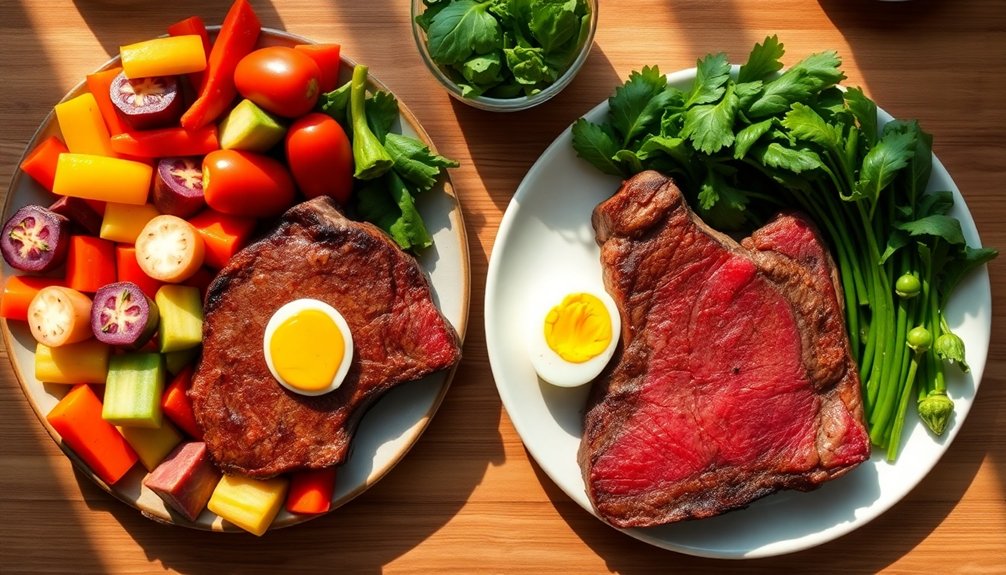
As you explore the health benefits of the Carnivore Diet, you might be intrigued by its potential to promote weight loss and enhance overall well-being. By eliminating fruits and carbohydrates, this diet focuses on high-protein and high-fat animal products, leading to increased satiety and reduced calorie intake.
Many followers report improved mental clarity, likely due to stable blood sugar levels from avoiding sugar and processed foods. Additionally, the Carnivore Diet may reduce inflammation and alleviate symptoms of autoimmune conditions by eliminating plant toxins and anti-nutrients that can hinder nutrient absorption. Its high protein content supports muscle maintenance, making it a healthier choice for those looking to boost physical fitness while also raising good HDL cholesterol levels. Furthermore, the diet’s focus on reducing inflammation through the elimination of carbohydrates may enhance overall metabolic health.
Potential Drawbacks of the Keto Diet
The Keto diet, despite its popularity, comes with several potential drawbacks that warrant consideration. Here are three key concerns:
- Elevated LDL cholesterol: The high-fat intake can lead to increased LDL cholesterol levels, posing heart health risks.
- Nutritional deficiencies: Limiting fruits and vegetables may result in missing essential vitamins and minerals, impacting overall health.
- Keto flu: During the initial phase, you might experience symptoms like fatigue, headache, and irritability as your body adjusts to ketosis.
Additionally, sustainability can be challenging due to strict macronutrient ratios, making long-term adherence difficult. It’s important to note that regular monitoring of cholesterol levels is essential to assess the diet’s impact and make necessary adjustments.
Those with certain medical conditions, such as liver or pancreatic disorders, should consult healthcare providers to monitor potential health risks associated with this low-carbohydrate diet.
Potential Drawbacks of the Carnivore Diet
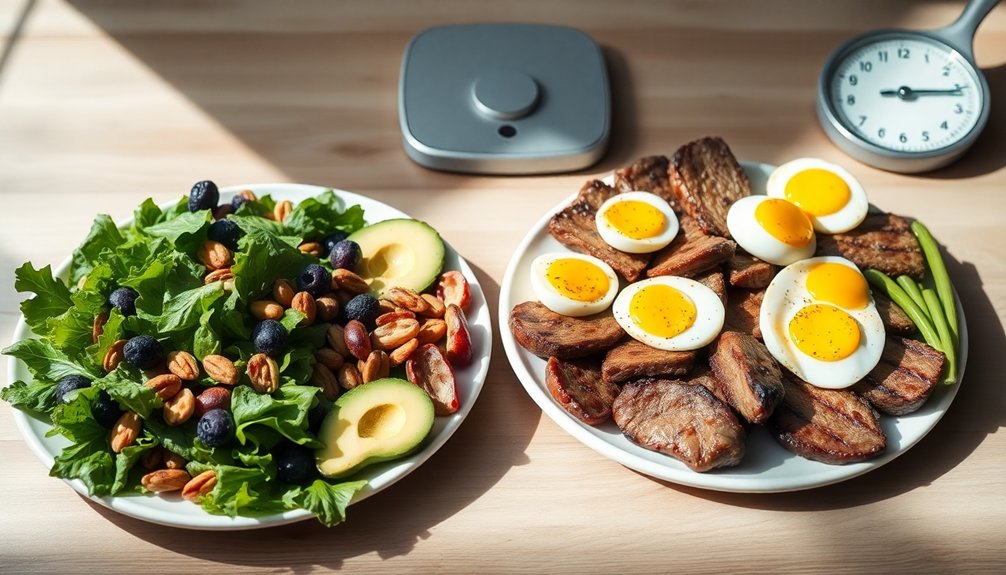
Although many people are drawn to the carnivore diet for its simplicity and potential weight loss benefits, it carries several significant drawbacks that must be considered.
The restrictive nature of this diet can lead to limited dietary diversity, increasing the risk of nutrient deficiencies, particularly vitamins C and E, and fiber essential for gut health.
Furthermore, a high intake of saturated fats could elevate your risk of heart disease, as the lack of fiber is detrimental to cardiovascular health.
Additionally, potential digestive issues, such as constipation, may arise from not consuming fiber-rich foods.
With limited research on the long-term effects, it’s important to exercise caution before fully committing to this extreme dietary approach. The lack of dietary diversity may also hinder the anti-inflammatory benefits typically associated with more balanced diets.
Choosing the Right Diet for Your Needs
When weighing your options between the Keto and Carnivore diets, it’s important to align your choice with your specific health goals and lifestyle.
Here are three key factors to evaluate:
Consider these key factors when choosing between the Keto and Carnivore diets for your health journey.
- Health Goals: Determine if your priority is weight loss, blood sugar control, or mental clarity; both diets offer unique benefits.
- Dietary Flexibility: The Keto diet allows for a variety of food choices, including low-carb veggies and nuts, making it easier to maintain long-term compared to the strict Carnivore diet.
- Individual Reactions: Monitor how your body responds to each diet, as individual reactions can greatly influence sustainability and effectiveness in achieving your health goals. Additionally, consider how increased fat burning can impact your weight loss journey and overall energy levels.
Consulting with a healthcare provider is also essential, especially if you have pre-existing conditions.
Conclusion
Choosing between the keto and carnivore diets is like steering through a winding road—both paths can lead to weight loss and health benefits, but the journey feels different for everyone. Keto offers a wider array of foods, while carnivore focuses solely on animal products. Consider your goals, lifestyle, and how your body responds to each diet. Ultimately, the right choice is the one that aligns with your needs and makes you feel your best on your health journey.