
The Keto diet’s all about transforming your eating habits by shifting to a high-fat, low-carb lifestyle. When you cut down on carbs, your body enters ketosis and starts burning fat for energy. This can lead to impressive weight loss and better blood sugar control. You’ll enjoy substantial benefits, but it’s crucial to know the types of Keto and what foods you can eat. Keep going to uncover tips for success and potential challenges along the way.
What Is a Keto Diet?
The ketogenic diet, often called keto, is a high-fat, low-carb eating plan designed to shift your body into a state of ketosis. By consuming 60-80% healthy fats, 15-20% protein, and limiting carbohydrates to a maximum of 50 grams daily, you encourage your body to burn fat instead of glucose for energy.
This low-carbohydrate diet helps many achieve weight loss and can improve blood sugar control, particularly for those with type 2 diabetes. To enter ketosis efficiently, you might consider incorporating intermittent fasting, which can accelerate this change. Additionally, increased fat burning during ketosis can significantly enhance your overall weight loss results.
Variations of the keto diet, like the Standard Ketogenic Diet (SKD) and Cyclical Ketogenic Diet (CKD), cater to different lifestyles and fitness needs, making it versatile for various individuals.
How Does the Diet Work?
The ketogenic diet shifts your body’s energy source from carbs to fat by drastically reducing carbohydrate intake.
When you lower your carb consumption, your liver converts fatty acids into ketones, fueling your brain and muscles in a state called ketosis.
This metabolic process not only helps with weight loss but can also boost your energy and mental clarity once you adjust. Additionally, the stabilization of blood sugar levels helps prevent energy crashes, enhancing overall focus and vitality throughout the day.
Ketosis Metabolic Process
When you considerably reduce carbohydrate intake, your body enters a metabolic state called ketosis, where it shifts from relying on glucose to burning fat for energy. This process typically occurs within 3 to 7 days of limiting carbs to 20-50 grams per day.
During ketosis, your liver converts body fat into ketones, which serve as an alternative energy source for your brain and other tissues. As you adapt to this new metabolic state, you may experience increased energy levels and reduced hunger due to stable blood sugar levels.
Monitoring your ketone levels through urine strips or blood tests can help you determine if you’ve entered ketosis and keep you on track with your dietary goals to burn fat effectively.
Energy Source Transition
As your carbohydrate intake drops considerably, your body begins to adapt by shifting its primary energy source from glucose to fat. This process, known as ketosis, typically kicks in about four days after you cut carbs to 20-50 grams daily.
During ketosis, your liver converts fatty acids into ketones, providing an efficient alternative fuel source for your brain and muscles, enhancing fat burning. Lower insulin levels allow your body to tap into stored fat for energy, leading to increased energy and mental clarity over time.
However, the shift may come with some challenges, commonly referred to as the “keto flu,” causing fatigue and irritability as your body adjusts to this new metabolic state.
Key Benefits of the Keto Diet
One of the most appealing aspects of the keto diet is its ability to facilitate weight loss effectively. This weight loss method often leads to significant reductions in body fat, as your body burns fat for energy during ketosis.
Additionally, the keto diet helps lower blood sugar levels, which can improve your health and insulin sensitivity, potentially reversing type 2 diabetes for many. You’ll likely notice reduced hunger and cravings thanks to the high fat and protein intake, making it easier to stick to the plan.
Beyond weight loss, the ketogenic diet shows promise in managing neurological diseases like epilepsy and Alzheimer’s, enhancing cognitive function and memory. Embracing keto can truly transform your overall well-being. Furthermore, the diet’s ability to promote decreased inflammation levels contributes to improved overall health and well-being.
Types of Keto Diet
There are several types of keto diets, each catering to different lifestyles and goals.
The Standard Ketogenic Diet (SKD) is the most common, typically consisting of a macronutrient ratio of 70% fat, 20% protein, and 10% carbohydrates, promoting ketosis efficiently.
If you prefer flexibility, the Cyclical Ketogenic Diet (CKD) alternates between 5 days of strict keto and 2 days of higher carbs to replenish glycogen stores.
The Targeted Ketogenic Diet (TKD) allows for extra carbs around workouts, giving you energy while maintaining ketosis.
Finally, the High Protein Ketogenic Diet (HPKD) offers a macronutrient ratio of 60% fat, 35% protein, and 5% carbohydrates, ideal for those who want more protein.
Choose the one that aligns with your needs! Additionally, incorporating regular aerobic exercise can further enhance your insulin sensitivity while following any of these keto diets.
Foods to Eat on a Keto Diet
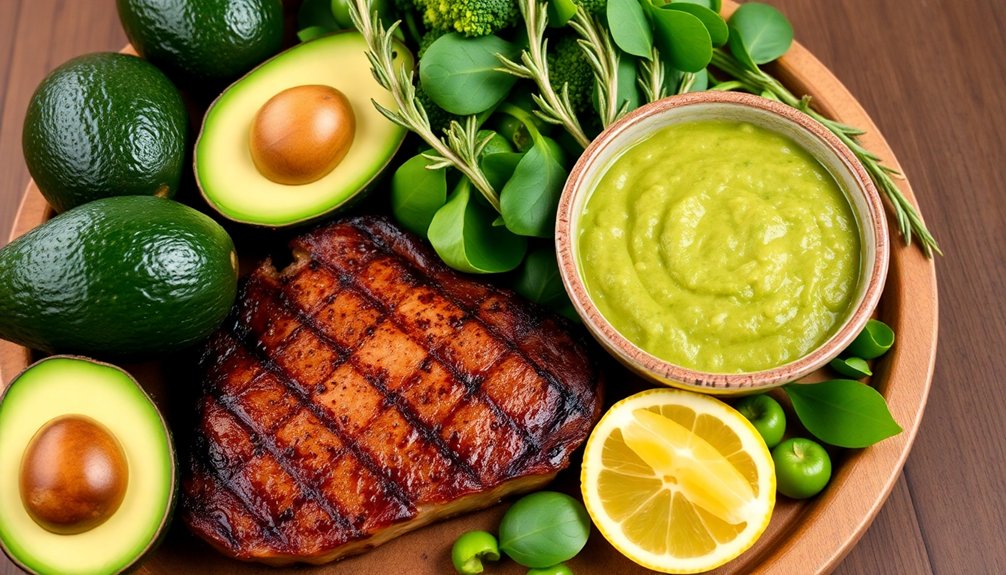
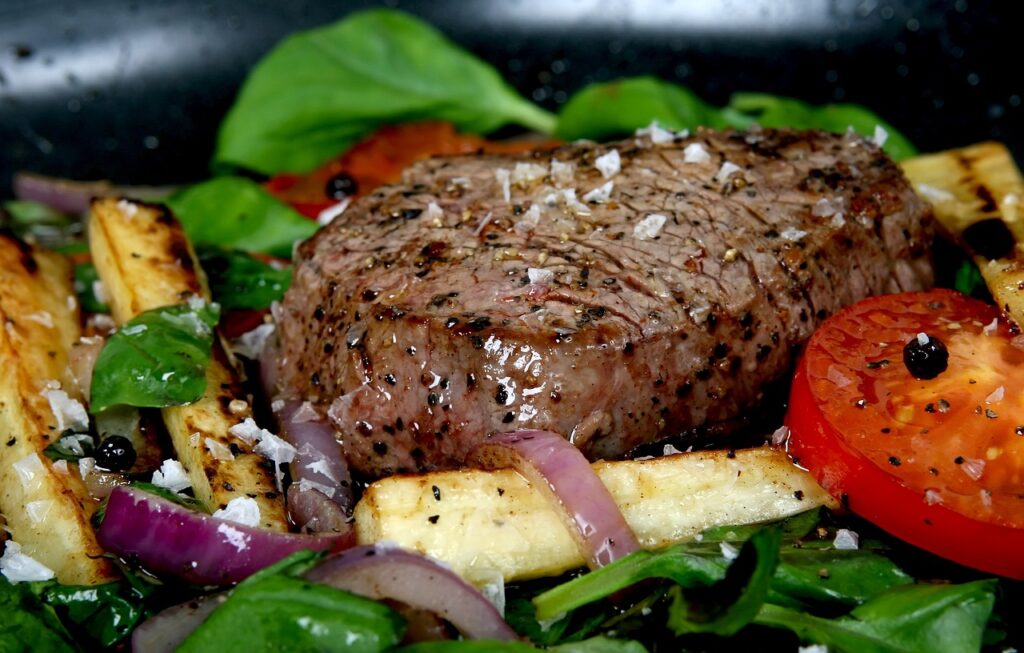
Embracing the keto diet means filling your plate with delicious high-fat foods that support your journey into ketosis. Start with high-fat options like red meat, poultry, and fatty fish, all containing 0 grams of net carbs.
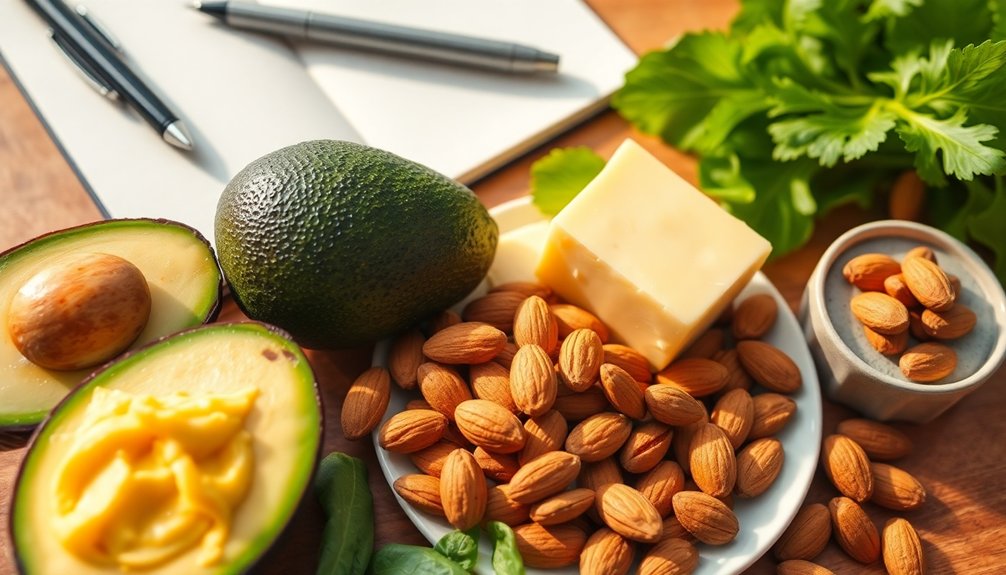
Incorporate healthy low carb choices like cheese and eggs, which add flavor and protein to your meals. Don’t forget non-starchy vegetables such as leafy greens, cauliflower, and zucchini; they provide essential nutrients while keeping your carb count in check. Additionally, include healthy fat sources like avocados and olive oil for added nutrition and satisfaction.
To stay on track, avoid high-carb items like bread, pasta, rice, sugary snacks, and most fruits.
Common Side Effects and How to Manage Them
As you shift into the ketogenic diet, you might experience some common side effects often referred to as the “keto flu.” These symptoms, which can include fatigue, headache, irritability, brain fog, dizziness, and muscle cramps, typically result from changes in your body’s fluid and electrolyte balance.
To manage symptoms, it’s essential to stay well-hydrated and replenish electrolytes by increasing your salt intake and consuming potassium- and magnesium-rich foods. Additionally, incorporating anti-inflammatory foods can further support your body during this transition.
You may also encounter digestive issues; increasing fiber intake through low-carb veggies or fiber supplements can help.
Finally, bad breath is common due to elevated ketone levels, so drink plenty of water and chew sugar-free gum for temporary relief.
Monitoring nutrient intake is crucial to avoid deficiencies on this high fat diet.
Getting Started With Keto: Tips for Success
Getting started with keto can feel overwhelming, but proper meal planning is essential for your success.
You’ll want to avoid common beginner pitfalls, like not tracking your macros or stocking up on high-carb foods.
With a little preparation, you can make this shift smoother and more effective. Additionally, understanding the role of insulin in regulating your metabolism can enhance your weight loss journey on the keto diet.
Meal Planning Essentials
Meal planning is essential to your success on the keto diet. Start by creating a weekly meal plan that includes your protein source, low-carb vegetables, and healthy fats to guarantee balanced nutrition.
Focus your shopping list on low-carb foods like meats, fish, eggs, nuts, and non-starchy vegetables—this helps you avoid high-carb items that can derail your progress.
Incorporate meal prep and batch cooking to save time during the week, making it easier to stick to your keto plan.
Don’t forget to track your macronutrient intake to maintain the ideal ratio of 70% fat, 20% protein, and 10% carbohydrates.
Utilizing keto-friendly recipes can keep your meals enjoyable and sustainable while adhering to the ketogenic diet’s restrictions.
Common Beginner Pitfalls
Despite your best intentions, starting a keto diet can lead to several common pitfalls that may hinder your progress. One major issue is underestimating your carbohydrate intake; to achieve ketosis, you should limit carbs to 20-50 grams per day.
Many beginners also overconsume protein, disrupting the ideal macronutrient ratio of 70% fat, 20% protein, and 10% carbs.
Don’t forget about the “keto flu”—symptoms like fatigue and irritability can arise, so staying hydrated and maintaining your electrolyte balance is vital.
Tracking your food intake is essential to avoid unintentional high carb consumption, and don’t skip on high-fiber vegetables; they help with digestion and support your health while on this low-carb journey.
Potential Risks and Considerations
While the ketogenic diet can offer significant benefits, it’s important to be aware of potential risks and considerations that could arise during your journey.
You may experience “keto flu” symptoms like fatigue and headaches as your body adjusts to low-carb eating. If not managed properly, the diet can lead to kidney stones and vitamin deficiencies due to reduced nutrient intake.
Individuals with diabetes or those on high blood pressure medications should consult a healthcare provider to avoid complications. Long-term effects of keto are still under research, and monitoring your health is essential, especially regarding LDL cholesterol levels.
Additionally, breastfeeding individuals should be cautious, ensuring they meet their nutrient needs while following the diet. Incorporating a variety of foods rich in antioxidants can help mitigate some of the potential nutrient deficiencies associated with the diet.
Maintaining Ketosis: Strategies for Long-Term Success
To maintain ketosis effectively, you need to plan your meals carefully and keep a close eye on your ketone levels. Tracking your macronutrient intake is vital for maintaining ketosis and achieving your weight loss goals.
Meal Planning Tips
How can you guarantee long-term success on the keto diet? Effective meal planning is key. Here are some tips for beginners to help you stay on track:
- Meal Prepping: Prepare several days’ worth of meals in advance. This reduces the temptation to grab high-carb options during busy times.
- Healthy Fats: Incorporate sources like avocados, olive oil, and nuts to meet your daily fat intake of 70-80%.
- Carbohydrate Intake: Aim for 20-50 grams of net carbs daily, focusing on high-fiber vegetables while avoiding starchy foods.
- Keto-Friendly Options: When dining out, research menus to find meals that fit your macronutrient intake and keep you in ketosis.
Tracking Ketone Levels
Wondering how to effectively maintain your state of ketosis? Tracking ketone levels is essential for achieving nutritional ketosis. You can use blood ketone meters, breath analyzers, or urine strips, but blood meters offer the most accurate readings.
Aim for blood ketone levels between 0.5 to 3.0 mmol/L to guarantee your body’s utilizing fat for energy. Regular monitoring helps you adjust your macronutrient ratios and keep carbohydrate consumption low enough to stay in ketosis.
Test your levels in the morning or a few hours after eating for consistent results, avoiding fluctuations from recent meals. Remember, achieving and maintaining ketosis may also involve fine-tuning hydration and electrolyte balance, which can greatly influence ketone production.
Frequently Asked Questions About Keto
Curious about the ketogenic diet? You’re not alone! Here are some frequently asked questions to help you navigate your keto journey:
- What’s the keto diet? It limits carbs to 20-50 grams, inducing ketosis, where your body burns fat for energy.
- How does it aid weight loss? Studies show participants can lose an average of 2 pounds more than those on low-fat diets.
- What are the foods to eat and avoid? Focus on high-fat foods like meat, fish, and healthy oils, while avoiding bread, pasta, sugar, and most fruits.
- What’s the keto flu? This refers to common side effects like fatigue and headaches during your body’s adjustment phase, often caused by shifts in macronutrient intake. Additionally, maintaining electrolyte balance is crucial to alleviate these symptoms and support your transition into ketosis.
Conclusion
So, you’re ready to immerse yourself in the keto lifestyle, embracing a diet that restricts carbs while encouraging fats—because who doesn’t want to love avocados more than bread? As you commence this journey, remember that you might just find joy in counting net carbs instead of calories. With a little patience and dedication, you’ll be on your way to enjoying a new relationship with food. After all, isn’t it ironic that a diet that limits can actually set you free?