
The Keto diet can be risky for you if you have high cholesterol. While some see improved HDL levels, initial spikes in LDL cholesterol are common. If you have existing heart issues or kidney and liver concerns, caution is vital. You should focus on healthy fats and monitor nutrient intake carefully. Regular check-ups with a healthcare provider are essential to managing your health while on this diet. There’s more to reflect on about the impacts and benefits, so keep exploring.
What Is the Keto Diet and How Does It Work?

When you follow the keto diet, you’re diving into a low-carbohydrate, high-fat eating plan that shifts your body’s energy source from glucose to ketone bodies. Typically, you’ll consume about 75% fats, 20% protein, and only 5% carbohydrates.
By limiting your carbs to 20-50 grams daily, you induce a metabolic state known as ketosis, where your body breaks down fat for energy.
Limiting carbs to 20-50 grams daily triggers ketosis, prompting your body to burn fat for energy.
While this diet can lead to an initial increase in total and LDL cholesterol levels, it may also elevate HDL cholesterol over time. The type of fat consumed is more significant than the amount, emphasizing the importance of healthier fats, like monounsaturated and polyunsaturated fats, while avoiding saturated fats from processed foods.
Always exercise caution, especially if you have pre-existing high cholesterol.
How Does Keto Impact Cholesterol Levels?

When you start a ketogenic diet, you might notice an initial spike in your total and LDL cholesterol levels. This short-term change can be concerning, but the long-term effects aren’t as clear-cut. Understanding how your body responds over time is essential for managing your cholesterol effectively. Additionally, many individuals experience increased HDL cholesterol levels, which can contribute to better cardiovascular health.
Short-Term Cholesterol Changes
Adopting a keto diet can lead to noticeable short-term changes in your cholesterol levels, often resulting in an initial spike in total and LDL cholesterol due to increased saturated fat intake.
This short-term rise might be concerning, but many individuals find that their cholesterol levels stabilize over time.
While you’re on a ketogenic diet, you might also see an increase in HDL (good) cholesterol, which can help mitigate the effects of elevated LDL.
However, if you have preexisting high cholesterol, it’s essential to monitor your levels closely and consult with healthcare professionals.
Some people, particularly those with the “lean mass hyper-responder” phenotype, may experience elevated LDL without increased coronary plaque burden, making individual responses important to take into account.
Long-Term Implications Unclear
How does the keto diet influence cholesterol levels over the long term? While you might notice an initial rise in total and LDL cholesterol, long-term effects can vary.
For many, especially those who are overweight, cholesterol levels stabilize over time. Research highlights the “lean mass hyper-responder” phenotype, where lean individuals on keto see increased LDL, but studies suggest this doesn’t necessarily correlate with higher heart disease risk.
A meta-analysis of 41 trials shows that the keto diet impacts individuals differently based on body composition. This underscores the importance of personalized approaches in managing cholesterol levels.
Ongoing research aims to clarify these long-term implications, so stay informed about how the keto diet could affect you specifically.
Who Should Avoid the Keto Diet?
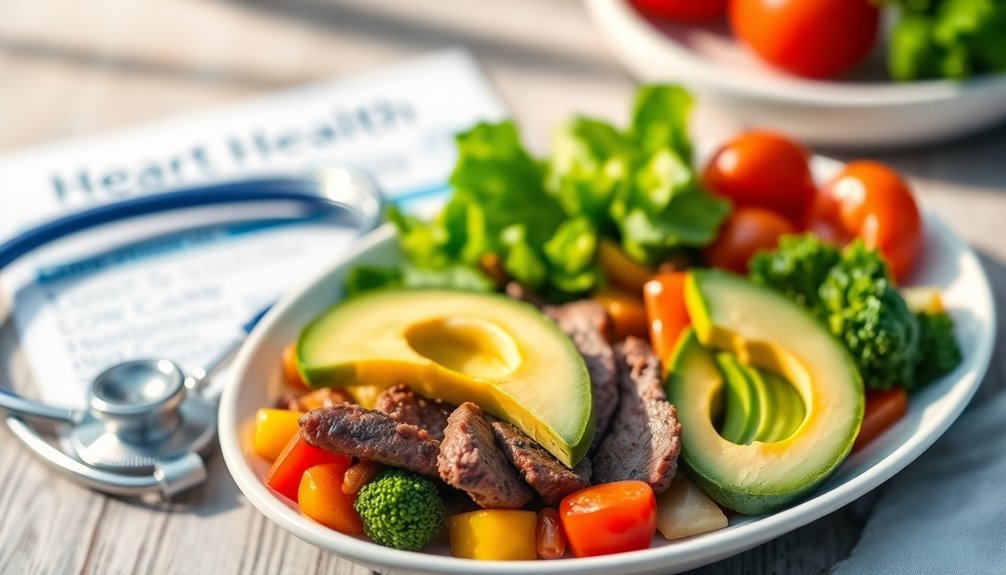
If you have high cholesterol conditions, kidney or liver issues, or heart disease risks, the keto diet mightn’t be the best choice for you. This high-fat approach can strain your organs and exacerbate existing health problems. Always consult a healthcare professional before making significant dietary changes. Additionally, individual responses to the keto diet can vary greatly, making it essential to tailor dietary choices to your specific health needs.
High Cholesterol Conditions
While the keto diet can be effective for many, certain individuals should steer clear due to potential health risks. If you have high cholesterol levels or conditions that affect cholesterol management, the ketogenic diet mightn’t be for you. Here’s why:
- Individuals with familial hypercholesterolemia risk worsening their already high cholesterol levels.
- Those with existing kidney or liver diseases may find their conditions exacerbated.
- If you experience fat-induced lipemia, the high-fat content of the keto diet could be contraindicated.
Always seek medical advice before starting a ketogenic diet, especially if you’re already managing high LDL cholesterol or have health concerns like type 1 diabetes.
Prioritizing your health is essential in making dietary choices.
Kidney Or Liver Issues
For those with kidney or liver issues, the keto diet can pose significant risks. If you have kidney disease, the increased protein intake can strain your kidney function, making it harder for your body to filter waste.
Similarly, if you have liver disease, a high-fat diet may worsen your condition, as your liver struggles to metabolize saturated fat effectively. Additionally, if you have familial hypercholesterolemia, be cautious; the keto diet might elevate your cholesterol levels further due to its focus on saturated fats.
Individuals with existing lipid metabolism disorders could face complications like fat-induced lipemia. Always consult a healthcare provider before starting the keto diet, especially if you have type 1 diabetes or gallbladder issues, to avoid serious health risks.
Heart Disease Risks
Taking into account the potential heart disease risks, it’s crucial to assess whether the keto diet is right for you. If you have a history of heart disease or high LDL cholesterol levels, you should be particularly cautious. The keto diet can increase LDL cholesterol, potentially worsening your condition.
Here are some key points to reflect on:
- Those with familial hypercholesterolemia should avoid the keto diet due to significant cholesterol elevation.
- Long-term adherence to a low-carb diet may elevate heart disease risk, including atrial fibrillation.
- Always consult a healthcare professional to evaluate your individual risks before starting the keto diet.
Considering these factors can help you make a more informed decision about your diet and heart health.
What Are the Potential Heart Risks of Keto?
As you explore the ketogenic diet, it’s vital to understand its potential heart risks. Keto diets can lead to short-term increases in LDL cholesterol levels, especially in lean individuals, raising concerns about heart disease.
While some studies suggest that those with the “lean mass hyper-responder” phenotype may not face increased coronary plaque burden, long-term adherence to a strict keto diet could elevate the risk of atrial fibrillation.
Additionally, high saturated fat intake, particularly from unhealthy sources, is linked to atherosclerosis. It’s essential to consult healthcare professionals if you have high cholesterol, as tailored dietary adjustments can help manage the risk of heart complications while on a keto diet. Furthermore, understanding how diet significantly influences cholesterol levels can help you make informed choices.
Are There Health Benefits Beyond Weight Loss?
Here are some potential health benefits you could experience:
- Increased HDL cholesterol levels, which may support cardiovascular health.
- Better blood sugar control and increased insulin sensitivity, helping those with diabetes.
- Significant reductions in triglycerides and LDL cholesterol levels over time.
- The diet may also promote weight loss, further reducing strain on the heart and improving overall wellness.
How to Choose Healthy Fats on Keto?
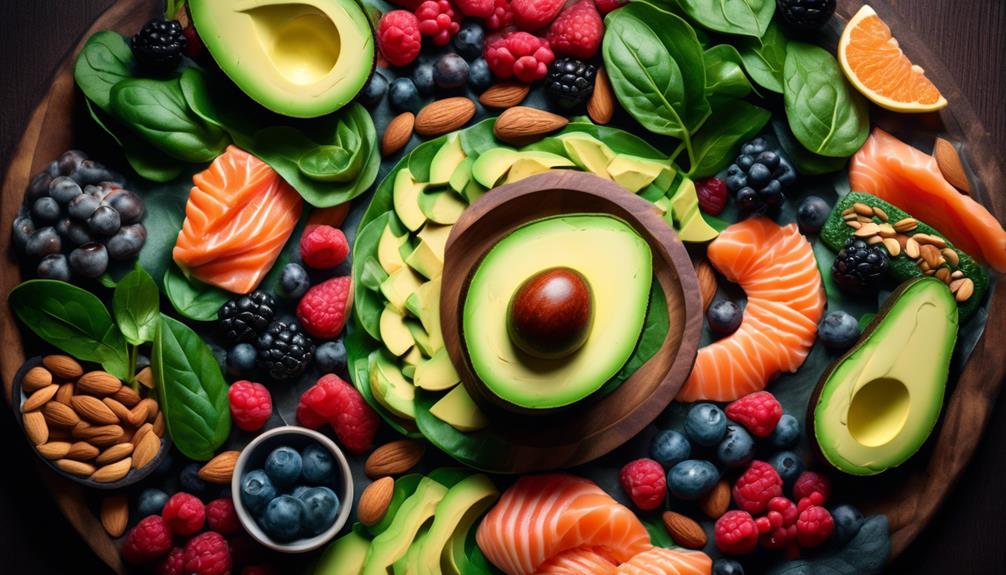
Choosing healthy fats on the keto diet is essential for maintaining heart health and optimizing your overall wellness. Incorporate monounsaturated fats, like those in olive oil and avocados, to help lower LDL cholesterol levels.
Don’t forget polyunsaturated fats from fatty fish, such as salmon, and walnuts, which are rich in omega-3 fatty acids and can positively influence cholesterol levels. Limit saturated fats found in processed meats and fast food, as these can increase the risk of atherosclerosis.
Instead, opt for healthy fat sources like nuts, seeds, and moderate amounts of full-fat dairy. Regularly monitor your cholesterol levels and consult a healthcare professional to tailor your fat intake to your individual health needs. Additionally, a well-formulated keto diet can enhance insulin sensitivity and support overall metabolic health.
What Nutrients Might Be Lacking on a Keto Diet?
Maintaining a balanced nutrient intake becomes challenging on the keto diet, especially when you’re cutting back on fruits and vegetables. This restriction can lead to deficiencies in essential nutrients that are fundamental for your overall health and heart health.
Maintaining a balanced nutrient intake on the keto diet can be challenging, especially with reduced fruits and vegetables.
Key nutrients you might miss include:
- Vitamin C: Important for immune function and skin health.
- Potassium: Critical for maintaining healthy blood pressure and cholesterol levels.
- Magnesium: Supports muscle and nerve function.
While you’re focusing on fat for energy, don’t overlook these essential nutrients. A diet too high in fat can lead to imbalances and affect your cholesterol levels negatively. Additionally, improved insulin sensitivity from a balanced nutrient intake can further support overall metabolic health.
Regular monitoring and adjustments may be necessary to guarantee you’re getting everything your body needs.
How to Monitor Your Health While on Keto?
How can you effectively monitor your health while on the keto diet? Start by regularly checking your cholesterol levels, particularly LDL and HDL, to see how the diet affects your heart health.
Initial increases in LDL may happen, so consulting a healthcare professional can help tailor your choices to maintain healthy cholesterol levels.
Don’t forget to track your blood sugar levels; while keto can improve insulin sensitivity, ongoing monitoring is vital, especially for pre-existing conditions.
Incorporate fiber-rich, low-carb vegetables and nuts to support cholesterol management.
Finally, keep an eye on overall health markers like blood pressure and triglyceride levels to guarantee your lifestyle changes aren’t adversely impacting your cardiovascular health. Additionally, focus on healthy fat sources to help manage your cholesterol profile effectively.
What Should You Discuss With Your Healthcare Provider?
What key points should you cover when speaking with your healthcare provider about the keto diet?
It’s crucial to discuss how the diet might affect your cholesterol levels, especially if you already have high cholesterol.
Be sure to address the types of fats you’re consuming, focusing on healthy fats while minimizing saturated fats.
Address the types of fats in your diet, prioritizing healthy fats and reducing saturated fats for optimal health.
Also, bring up any existing health conditions that might complicate your keto journey.
- Discuss your current LDL cholesterol levels and any changes.
- Inquire about the balance of healthy fats in your diet.
- Talk about regular monitoring and potential risks, like the “lean mass hyper-responder” phenotype.
Additionally, consider discussing how the ketogenic diet’s anti-inflammatory properties can influence overall health and potentially affect cholesterol levels.
This conversation will help guarantee the keto diet aligns with your health goals.
Conclusion
In summary, the keto diet can be safe for some with high cholesterol, but it’s vital to approach it carefully. For instance, consider Jane, who improved her cholesterol levels by choosing healthy fats like avocados and olive oil while on keto. However, monitoring and consulting your healthcare provider is essential to guarantee it suits your individual health needs. Your journey can be rewarding, but staying informed is key to making the best choices for your heart.