
Yes, the keto diet often raises cholesterol levels, particularly LDL cholesterol. Some people experience significant increases, while others, known as lean mass hyper-responders, show no increased cardiovascular risk despite higher LDL levels. Your genetic makeup plays a big role in how you respond to this diet. It’s essential to monitor your cholesterol and consider the quality of fats you consume. Curious about the nuances of keto and cholesterol? There’s much more to explore!
What Is the Keto Diet and How Does It Work?

The ketogenic diet, often called “keto,” is a low-carb, high-fat eating plan that shifts your body into ketosis. This process occurs when your glucose stores are depleted, prompting your body to produce ketone bodies for energy instead of relying on carbohydrates.
On the keto diet, about 75% of your intake comes from fats, 20% from protein, and only 5% from carbs. You’ll focus on high-fat foods like meats, eggs, and oils, while considerably cutting back on processed carbohydrates and sugars.
While some studies show a modest increase in LDL cholesterol for certain individuals, the long-term effects of the ketogenic diet on cholesterol and cardiovascular health remain under investigation. Additionally, many experts recommend healthy fats to help manage cholesterol levels effectively, making it essential to monitor your health as you follow this plan.
Why Do People Choose the Keto Diet?

Many people choose the keto diet because they’re enthusiastic for rapid weight loss results. The diet’s high-fat approach keeps you feeling full, helping to curb hunger and make it easier to stick with.
If you struggle with diabetes or insulin resistance, the keto diet might be appealing due to its potential for improving blood sugar levels and boosting insulin sensitivity. Additionally, the increase in HDL cholesterol associated with keto can draw in those looking to lower their heart disease risk.
Followers often aim to transform their metabolic health, enjoying sustained energy levels by utilizing fat instead of carbs. This combination of benefits makes the keto diet an attractive option for many seeking a healthier lifestyle. Furthermore, the keto diet can help improve insulin sensitivity, making it particularly beneficial for individuals managing blood sugar levels.
How Does the Keto Diet Impact Cholesterol Levels?

The keto diet often leads to higher LDL cholesterol levels, with some people seeing significant increases.
However, if you’re a lean mass hyper-responder, those elevated levels mightn’t mean a greater risk for heart problems.
Understanding these dynamics can help you navigate your health while on the keto journey. Additionally, the keto lifestyle can reduce LDL cholesterol and improve overall cholesterol management, benefiting your cardiovascular health.
Potential LDL Elevation
Adopting a ketogenic diet can lead to a striking increase in LDL cholesterol levels; studies show averages can jump from 129 mg/dL to 316 mg/dL.
If you’re lean and focused on muscle gain, you might notice even more dramatic elevations. This rise in LDL can raise concerns about cardiovascular disease, especially since elevated levels are often linked to health risks.
However, some research indicates that for certain “lean mass hyper-responders,” increased LDL doesn’t correlate with a rise in coronary plaque burden.
It’s essential to evaluate individual responses and genetic factors when assessing the impact of the ketogenic diet on your cholesterol levels.
Monitoring your health and consulting with professionals is vital to making informed dietary choices.
Lean Mass Hyper-Responder Phenomenon
While following a ketogenic diet, some individuals experience a notable rise in LDL cholesterol, a phenomenon known as Lean Mass Hyper-Responder (LMHR).
If you’re a lean mass hyper-responder, you might notice your LDL cholesterol levels surpassing 200 mg/dL. Curiously, research suggests that despite these elevated levels, you may not face increased coronary plaque burden, indicating a unique risk profile.
Most overweight individuals on a keto diet don’t show significant changes in LDL over time, while those leaner and focused on muscle gain often do.
Genetic factors may play a role in this exaggerated cholesterol response. Ongoing studies emphasize the importance of personalized dietary management and the need to assess long-term cardiovascular risk factors for LMHR individuals.
Understanding LDL Cholesterol: The Good and the Bad
Understanding LDL cholesterol can be vital for anyone considering the ketogenic diet, especially since it often leads to considerable changes in cholesterol levels.
LDL cholesterol is classified into two types: LDL-C (total cholesterol) and LDL-P (particle number). Elevated LDL levels, particularly small, dense particles, are linked to a higher risk of coronary disease.
LDL cholesterol comprises LDL-C (total cholesterol) and LDL-P (particle number), with small, dense particles posing a greater risk for coronary disease.
While some individuals, like lean mass hyper-responders, may see increased LDL without added cardiovascular risk, it’s important to monitor your levels.
The ketogenic diet can raise LDL cholesterol notably, with some participants experiencing increases up to 316 mg/dL. Elevated LDL-C can contribute to plaque buildup in arteries, increasing your risk of heart disease and stroke over time. Improved insulin sensitivity may help mitigate some cardiovascular risks associated with elevated cholesterol levels.
Awareness and monitoring are key.
New Research Findings on Keto and Cholesterol
Recent findings shed light on how the ketogenic diet impacts cholesterol levels, revealing notable variations among individuals.
Some studies show that keto diets can considerably raise LDL cholesterol levels, with participants’ averages jumping from 129 mg/dL to 316 mg/dL.
Interestingly, overweight individuals often see no change, while lean individuals might become “lean mass hyper-responders,” experiencing elevated LDL without increased coronary plaque burden.
Research from the University of Bath highlights that keto diets increase small and medium LDL particles while decreasing beneficial gut bacteria.
Although the keto diet may aid in fat loss, it also poses potential risks with cholesterol and gut health.
It’s essential for you to assess these factors when considering a keto lifestyle, as improved insulin sensitivity may help mitigate some of the risks associated with elevated cholesterol levels.
Does Individual Genetics Play a Role in Cholesterol Response?
Genetics can greatly shape how your body responds to the ketogenic diet, especially regarding cholesterol levels. Some people, known as “hyper responders,” may see dramatic increases in LDL cholesterol when following this high-fat regimen.
Genetic testing has uncovered cases where individuals with LDL-R gene mutations are predisposed to higher cholesterol levels on a ketogenic diet.
Additionally, the “lean mass hyper-responder” phenotype shows that you might experience elevated LDL without increased coronary plaque burden.
These genetic factors play an essential role in determining how your body metabolizes fats and responds to dietary changes. Understanding your genetic predisposition can help tailor dietary recommendations and management strategies for effectively maneuvering the ketogenic diet, as diet significantly influences cholesterol levels.
Are All Fats Created Equal on the Keto Diet?
When it comes to the ketogenic diet, how can you determine which fats are beneficial? Not all fats are created equal.
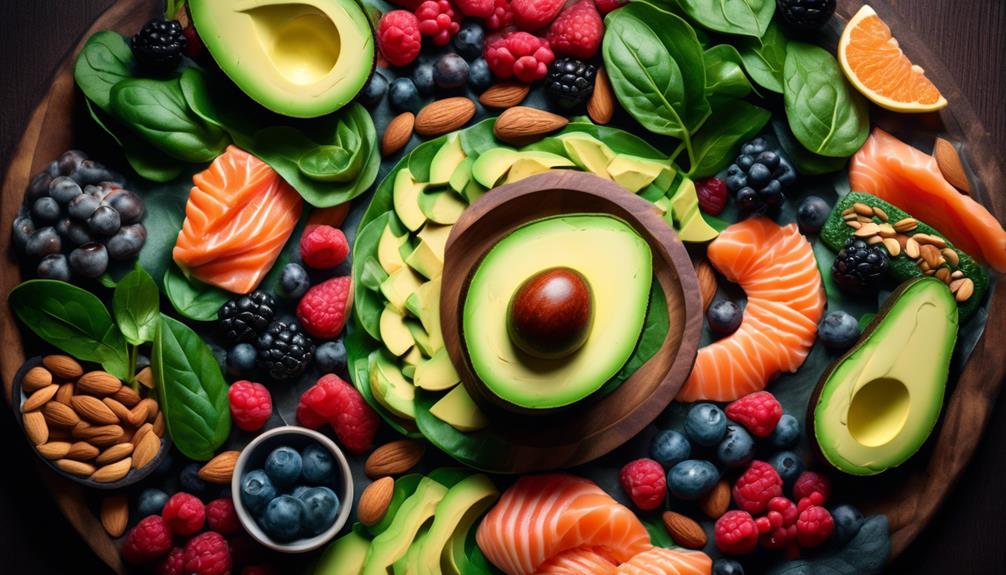
Emphasizing healthy fats like monounsaturated and polyunsaturated options from fish, nuts, and olive oil can help minimize elevated low-density lipoprotein (LDL) cholesterol levels.
In contrast, consuming too many saturated fats found in red meats and full-fat dairy can raise LDL cholesterol and increase atherosclerosis risk.
While some may see an initial rise in LDL and triglycerides, these levels may stabilize over time.
Remember, genetic factors also play a role, as some individuals, like lean mass hyper-responders, can experience significant LDL increases without the same cardiovascular risks.
Tailoring your fat intake is essential for ideal health. Incorporating heart-healthy foods into your diet can further enhance cardiovascular benefits.
What Do Studies Say About Keto’s Long-Term Heart Health Risks?
When considering the long-term heart health risks of the keto diet, you might be concerned about its impact on cholesterol levels.
Studies show significant increases in LDL cholesterol, especially in those with a lean physique, which could raise your risk of heart disease and stroke. Additionally, the diet’s effect on gut bacteria and dietary fiber may complicate your overall heart health. Furthermore, healthy fats are essential in managing cholesterol levels effectively while following the keto diet.
Potential Heart Disease Links
While many people embrace the ketogenic diet for its short-term benefits, concerns about its long-term heart health implications are rising.
Studies reveal that adhering to the keto diet can considerably elevate lipoprotein (LDL) cholesterol levels, jumping from an average of 129 mg/dL to 316 mg/dL. Although some individuals, classified as “lean mass hyper-responders,” show increased LDL without a corresponding rise in coronary plaque, the overall impact on heart disease remains unclear.
Additionally, the diet’s limited intake of fruits, vegetables, and whole grains may elevate inflammation and other cardiovascular risks.
While short-term gains like weight loss are appealing, the uncertain long-term effects on heart health warrant careful consideration before committing to the keto lifestyle.
Long-Term Cholesterol Effects
The long-term effects of cholesterol on heart health for those following a ketogenic diet raise important questions.
Studies show that while your cholesterol levels might initially spike—rising from 129 mg/dL to 316 mg/dL—there’s potential for them to drop back to 142.7 mg/dL after stopping the diet.
However, the increase in small and medium LDL particles is concerning, as these are linked to a higher risk of heart disease and stroke.
The “lean mass hyper-responder” phenotype complicates things further, showing elevated LDL without increased plaque burden.
Plus, the diet’s low fiber intake could harm your gut health over time.
Ultimately, the long-term cardiovascular risks of sustained high cholesterol on keto remain unclear, highlighting the need for more research.
How Does Keto Compare With Other Low-Carb Diets?
How does the ketogenic diet stack up against other low-carb diets? The keto diet typically consists of about 75% fats, which is much higher than other low-carb diets that often feature a more balanced macronutrient distribution.
While both approaches can lead to weight loss, studies show that the keto diet can elevate LDL cholesterol levels, especially in those classified as “lean mass hyper-responders.”
Research also indicates that keto may increase small and medium LDL particles, heightening cardiovascular risk compared to other low-carb diets.
Additionally, the keto diet’s strict carb restriction can limit your intake of beneficial nutrients found in fruits and vegetables, unlike other low-carb approaches that allow for a more diverse range of food choices. Furthermore, improved insulin sensitivity from reduced carbohydrate intake can also play a role in cardiovascular health.
How to Monitor Your Cholesterol on Keto?
Are you aware that monitoring your cholesterol is essential when following a ketogenic diet? The keto diet can raise cholesterol levels, particularly LDL, so it’s vital to keep an eye on your numbers.
Monitoring cholesterol is crucial on a ketogenic diet, as it can increase LDL levels, making regular checks essential.
Here are some effective ways to monitor your cholesterol:
- Regularly check your LDL and triglyceride levels to track changes.
- Focus on consuming healthy fats, like monounsaturated and polyunsaturated fats, to help mitigate any negative effects.
- Consult a healthcare provider for guidance and establish a baseline before starting the diet. Additionally, understanding the impact of dietary fat composition on heart health can inform your choices while on keto.
What Are Potential Alternatives to Keto for Weight Loss and Health?
If you’re looking for effective alternatives to the keto diet for weight loss and health, consider a balanced diet approach or plant-based options.
Intermittent fasting can also offer benefits without the strict limitations of keto.
Each of these alternatives supports weight management while promoting overall well-being.
Balanced Diet Approach
While the keto diet has gained popularity for quick weight loss, many people overlook the benefits of a balanced diet approach that emphasizes whole, nutrient-rich foods. This method supports long-term health and helps manage cholesterol levels without extreme restrictions.
Consider these alternatives:
- Mediterranean diet: Focuses on healthy fats from olive oil and nuts, linked to lower cardiovascular risks.
- Increased fiber intake: Found in fruits and vegetables, it helps regulate cholesterol and improves gut health.
- Low-sugar diet: Reduces processed sugars while allowing a variety of foods, improving metabolic markers.
Adopting a balanced diet, including moderate carbohydrates, can promote sustainable weight loss and provide essential nutrients, making it a healthier option compared to a low-carbohydrate diet like keto.
2. Intermittent Fasting Benefits
How can intermittent fasting (IF) transform your approach to weight loss and health? This method promotes fat oxidation and enhances insulin sensitivity, leading to effective weight loss while regulating blood sugar levels.
Studies show that IF can greatly reduce body weight, fat mass, and waist circumference over time. Plus, it may lower LDL cholesterol and triglycerides, reducing your risk of heart disease without the drawbacks of high-fat diets like keto.
IF also supports improved brain health by promoting autophagy and decreasing inflammation. Unlike the ketogenic diet, intermittent fasting allows a wider variety of food choices, making it easier for you to meet your nutritional needs while achieving your weight loss and health goals.
3. Plant-Based Options
As you explore alternatives to the keto diet, consider the benefits of a plant-based approach. Research shows that plant-based diets can greatly improve your cholesterol levels and enhance heart health. By incorporating more fruits, vegetables, whole grains, and legumes, you can enjoy a balanced diet without the stringent restrictions of keto.
Here are some key advantages:
- Lower LDL cholesterol: Studies indicate a 32% reduction in LDL cholesterol compared to typical Western diets.
- Weight management: Plant-based diets can help reduce body weight by an average of 5% over six months.
- Nutrient-rich foods: Oats, beans, and nuts provide essential nutrients and promote better metabolic health.
Embracing a plant-based lifestyle might just be the healthy shift you’re looking for!
What Do Real-Life Experiences Show About Keto and Cholesterol?
What do real-life experiences reveal about the ketogenic diet and its impact on cholesterol levels? Many individuals on keto report significant increases in LDL cholesterol, with some seeing levels soar to 810 mg/dL.
Notably, a subgroup known as “lean mass hyper-responders” experiences elevated LDL without a corresponding increase in coronary artery plaque, suggesting a different risk profile.
A study of 53 healthy adults confirmed that ketogenic diets raise cholesterol levels, particularly small and medium LDL particles linked to plaque buildup.
Additionally, participants noted a drop in beneficial gut bacteria like Bifidobacterium, which could affect overall health.
While short-term weight loss and metabolic gains are common, the long-term cardiovascular risks tied to elevated cholesterol levels need careful consideration.
What Should You Consider Before Starting Keto?
Experiencing changes in cholesterol levels can raise important questions about the ketogenic diet. Before diving in, consider these factors:
- Cholesterol Levels: Be aware that the keto diet, rich in fats, might increase LDL cholesterol, especially if you’re genetically predisposed.
- Quality of Fats: Focus on healthier fats, like monounsaturated and polyunsaturated options, to help mitigate heart disease risks.
- Nutrient Intake: The diet may limit essential nutrients from fruits, vegetables, and whole grains, potentially leading to long-term health issues.
It’s essential to consult with healthcare providers before making significant lifestyle changes, particularly if you have existing health conditions or take medications.
Understanding these aspects can help you make informed decisions about your health journey.
Conclusion
To wrap it up, the keto diet can feel like a wild rollercoaster ride for your cholesterol levels—sometimes thrilling, sometimes terrifying. While some studies suggest it might raise LDL cholesterol, others show potential benefits. Before you hop on this crazy ride, weigh the pros and cons, and stay informed. After all, your health isn’t just a game; it’s the most important investment you’ll ever make. So buckle up and make sure you’re ready for the journey ahead!