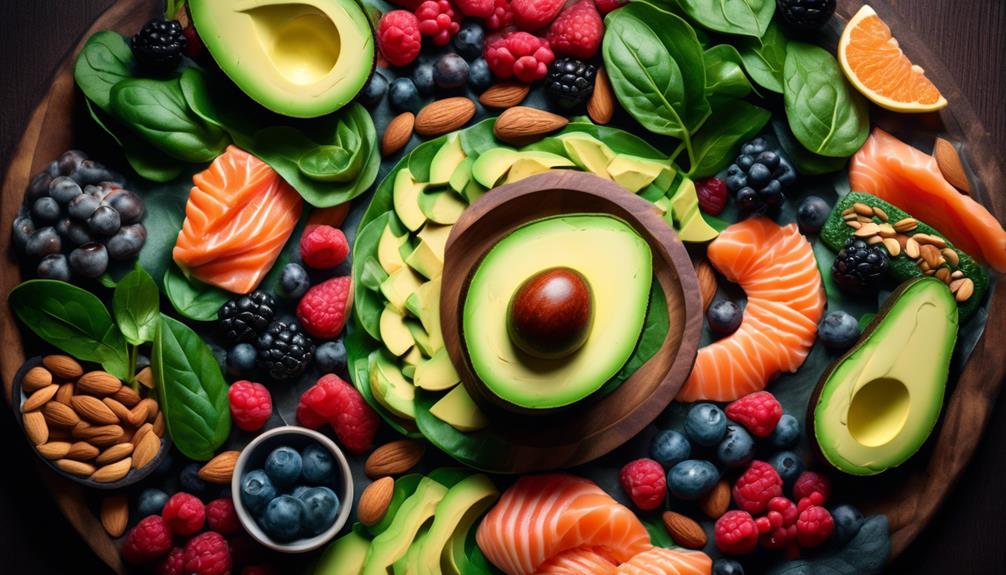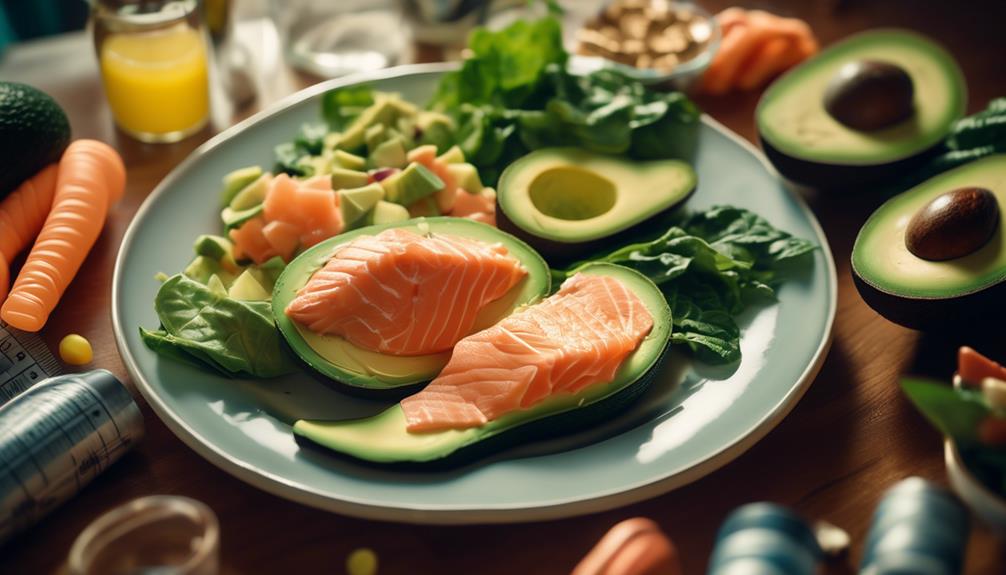

If you’re adopting a keto diet while managing high cholesterol, focus on healthy fats like olive oil, avocados, and fatty fish. Limit saturated and trans fats, and keep an eye on your cholesterol levels regularly. Incorporating fiber-rich, low-carb vegetables is also essential for heart health. Make gradual, manageable changes to guarantee long-term success. You’ll discover more about choosing the right fats and adjusting your diet for peak heart health as you explore this journey further.
What Is the Keto Diet and How Does It Work?
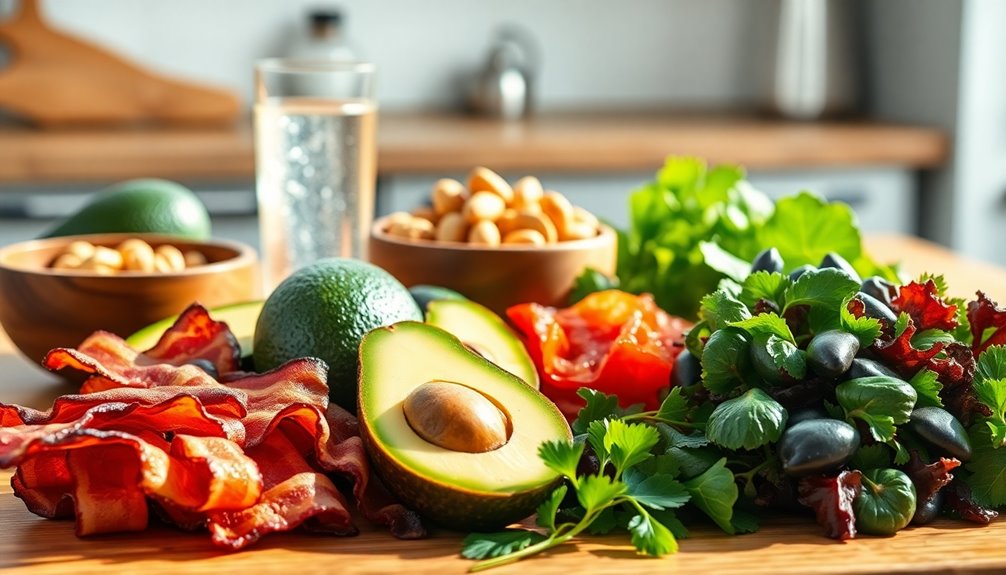
The keto diet is often viewed as a transformative eating plan that shifts your body into a state of ketosis. By limiting your carbohydrate intake to just 20-50 grams per day, you encourage your body to burn fat for fuel instead of glucose.
This low-carbohydrate diet typically comprises about 75-80% fats, 15-20% protein, and only 5-10% carbohydrates. In this state, your liver produces ketone bodies, which serve as an alternative energy source.
Many people experience rapid weight loss and improved insulin sensitivity on the ketogenic diet. However, individual responses can vary, especially regarding cholesterol levels. Research has shown that the diet can lead to a reduction in blood sugar levels, making it particularly beneficial for those with diabetes.
It’s essential to approach this diet cautiously and consult with a healthcare provider, particularly if you have preexisting health conditions.
Understanding the Role of Cholesterol in Heart Health
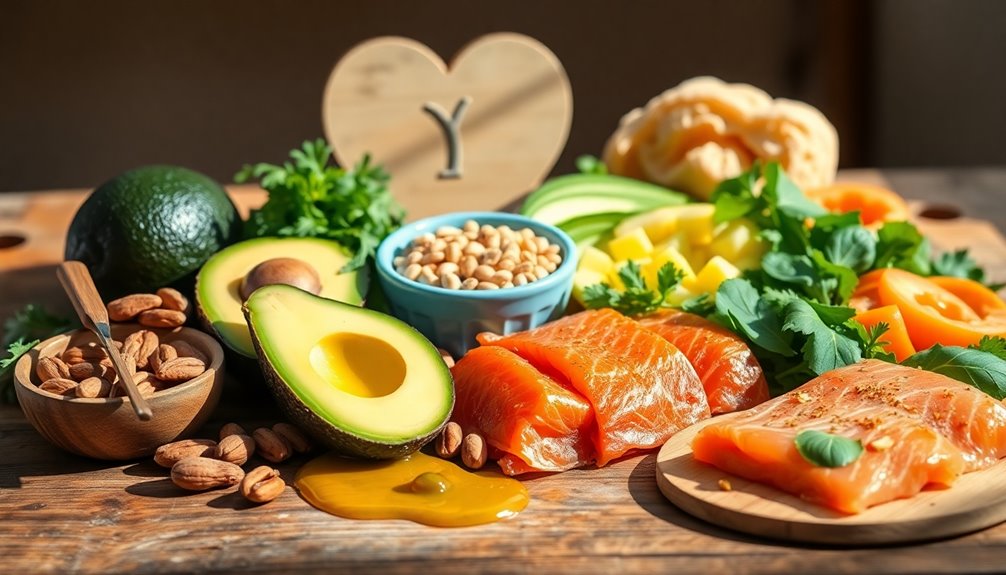
Cholesterol plays a dual role in your heart health, acting as both a building block for cells and a potential risk factor for disease.
While LDL cholesterol can contribute to plaque buildup in arteries, HDL cholesterol helps clear it away.
Understanding how to manage these levels is essential, especially if you’re following a high-fat diet like keto. Additionally, adopting healthy fats, such as avocados, nuts, and olive oil, can positively impact cholesterol levels.
Cholesterol’s Dual Role
While many people associate cholesterol exclusively with heart health issues, it actually plays a complex role in your body. Cholesterol comes in two main forms: LDL, often labeled as “bad” cholesterol, and HDL, the “good” type.
Elevated LDL levels can increase your heart disease risk, particularly if you have conditions like familial hypercholesterolemia. On a high-fat diet like keto, you might see short-term spikes in LDL cholesterol, but individual responses vary.
Research shows that while saturated fats can raise LDL levels, unsaturated fats from foods like avocados and olive oil may enhance your overall cholesterol profile and support cardiovascular health.
Regular monitoring is essential to understand how your diet impacts cholesterol levels uniquely.
Managing Cholesterol Levels
Understanding how to manage cholesterol levels is essential, especially when following a ketogenic diet. While a keto diet can elevate LDL cholesterol levels, it might also boost HDL cholesterol levels, which is beneficial for heart health.
However, high LDL levels are linked to plaque buildup in arteries, increasing health risks. It’s important to monitor your cholesterol regularly, especially if you have preexisting conditions or genetic factors like familial hypercholesterolemia.
Adjusting your fat sources is key; favor unsaturated fats over saturated fats to help manage cholesterol levels effectively. Consulting healthcare professionals can provide personalized guidance to navigate your dietary choices safely while minimizing potential risks associated with high cholesterol.
How Does the Keto Diet Affect Cholesterol Levels?
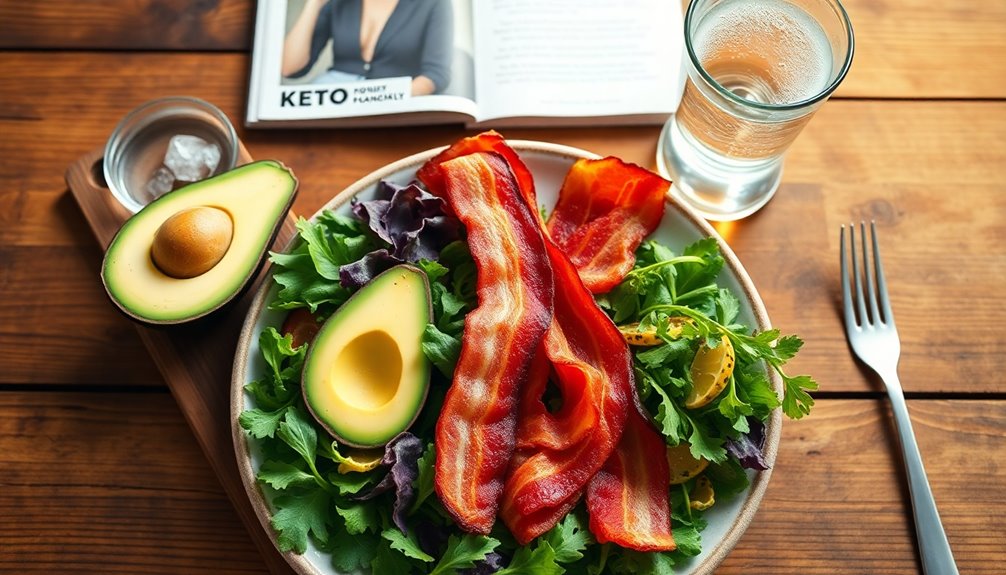
When you’re on the keto diet, you might notice changes in your cholesterol levels, especially an increase in LDL cholesterol.
Your response can vary based on factors like genetics or preexisting conditions, so it’s important to monitor your levels closely. Understanding these changes can help you make informed dietary choices that support your health. Additionally, insulin sensitivity plays a key role in how your body processes fats and carbohydrates, influencing your overall cholesterol profile.
Cholesterol Changes Explained
As you immerse yourself in the keto diet, you might notice some changes in your cholesterol levels. Many people experience an initial rise in LDL cholesterol levels, sometimes increasing by about 2.1 ± 0.6 mM. However, don’t be alarmed; this can vary based on your genetic predisposition, especially if you have familial hypercholesterolemia.
On the flip side, ketogenic diets often boost HDL good cholesterol levels, with some studies showing increases up to 1.7 ± 0.5 mM. While short-term rises in total cholesterol and LDL cholesterol are common, long-term studies suggest these diets don’t greatly heighten cardiovascular risk factors for everyone.
Regular monitoring is essential to guarantee your cholesterol changes align with your overall health.
Individual Response Variability
Cholesterol responses to the keto diet can be quite varied among individuals. Many experience increased LDL cholesterol levels, especially if they’ve preexisting conditions like familial hypercholesterolemia.
Research shows that while lean mass hyper-responders may see elevated cholesterol without considerable weight loss, overweight individuals often don’t show major changes over time. This highlights the importance of personalized dietary strategies.
Notably, studies indicate that long-term carbohydrate restriction doesn’t necessarily increase coronary plaque burden in lean mass hyper-responders compared to matched controls.
Additionally, genetic factors, such as variations in the APOE gene, can greatly influence how you metabolize fats on a keto diet, leading to differing cholesterol outcomes.
Understanding your unique response is essential for a successful keto journey.
Key Differences Between Good and Bad Fats
Understanding the key differences between good and bad fats is essential for making informed dietary choices. Good fats, like monounsaturated and polyunsaturated fats, are found in foods such as avocados, olive oil, and fatty fish. These fats can help lower LDL cholesterol levels and reduce heart disease risk.
On the other hand, bad fats, including trans fats and excessive saturated fats from processed foods and certain meats, can increase LDL cholesterol and contribute to arterial plaque buildup. The ketogenic diet should prioritize unsaturated fats while minimizing saturated fats.
Incorporating omega-3 fatty acids from sources like flaxseeds can also improve your cholesterol profile. Additionally, including healthy cooking oils like olive oil and coconut oil can further support heart health. Monitoring the types and amounts of fats you consume is vital for your overall health.
Choosing Healthy Fats for Your Keto Diet
Incorporating healthy fats into your keto diet not only supports weight loss but also promotes heart health. Focus on unsaturated fats from sources like olive oil, avocados, and fatty fish to help lower LDL cholesterol levels.
Limit saturated fats, especially from processed meats and fried foods, as they can raise heart disease risks. Include omega-3 fatty acids from flaxseeds, chia seeds, walnuts, and fatty fish to reduce triglyceride levels while staying low-carb.
Nuts and nut butters, such as almonds and cashews, offer healthy fats along with fiber, enhancing overall heart health. Additionally, consuming healthy fats can improve taste and enjoyment of meals.
Finally, regularly monitor cholesterol levels, since individual responses can vary based on personal health conditions and genetics.
The Importance of Fiber in a Keto Diet
Incorporating fiber into your keto diet is essential for maintaining digestive health and preventing nutrient deficiencies.
You’ll want to aim for at least 25 grams of fiber per day, using sources like chia seeds and avocados.
These options not only help keep you full but also support heart health by managing cholesterol levels. Additionally, a diet rich in fiber can improve insulin sensitivity and further enhance blood sugar regulation.
Benefits of Fiber Intake
Fiber plays an essential role in a keto diet, helping to counteract potential nutrient deficiencies that can arise from the low-carb, high-fat approach.
Adequate fiber intake is crucial for maintaining digestive health and preventing constipation—issues many keto dieters face. Incorporating fiber-rich foods like nuts, seeds, and low-carb vegetables not only supports gastrointestinal function but also aids in weight management by promoting feelings of fullness.
Additionally, soluble fiber, found in chia and flaxseeds, can help lower LDL cholesterol levels, enhancing heart health while you enjoy your high-fat diet.
Aiming for 25–30 grams of fiber daily can balance the effects of increased saturated fat intake, supporting your overall health on a ketogenic journey.
Sources of Keto Fiber
Maintaining a balanced keto diet means you need to focus on where your fiber comes from. High-fiber foods like avocados, chia seeds, flaxseeds, and nuts—such as almonds and walnuts—are excellent choices.
Low-carb vegetables, particularly leafy greens and broccoli, also contribute to your fiber intake while supporting digestive health. Incorporating these foods can help lower LDL cholesterol levels, which is essential for maintaining heart health on a high-fat diet.
Aim for about 25 grams of fiber daily for women and 38 grams for men, but this requires careful planning. Soluble fiber, especially from chia seeds, aids in cholesterol management by binding to bile acids.
Plus, fiber promotes satiety, helping you manage hunger effectively.
Monitoring Your Cholesterol: What You Need to Know
How often should you check your cholesterol levels while on a keto diet? Regular monitoring is vital, especially since high-fat diets can lead to a short-term increase in LDL cholesterol.
If you have preexisting conditions, like familial hypercholesterolemia, consult your healthcare provider before starting a keto diet to manage potential elevated cholesterol levels.
The American Heart Association stresses the importance of tracking cholesterol to reduce cardiovascular risk.
Consider dietary adjustments, such as adding unsaturated fats and omega-3 fatty acids, to help maintain healthy cholesterol levels. Additionally, focusing on increasing HDL cholesterol can significantly support your heart health while following a keto diet.
Individual Responses: Why Do Genetic Factors Matter?
While monitoring your cholesterol is important on a keto diet, understanding your genetic factors can provide deeper insights into how your body reacts to high-fat foods.
Individual responses to the keto diet can vary widely, especially if you have conditions like familial hypercholesterolemia, which can raise LDL cholesterol levels and heart disease risk.
The APOE gene also influences how you metabolize fats, meaning some may not handle a high-fat diet well.
Since about 10% of those with familial hypercholesterolemia are unaware of their condition, genetic testing is essential for personalized management.
Tailoring your diet based on your genetic predispositions can help you maintain healthier cholesterol levels while still enjoying the benefits of the keto lifestyle. Additionally, understanding insulin sensitivity can further guide dietary choices to improve overall metabolic health.
Common Misconceptions About Carbs and Heart Health
Many people overlook the role of carbohydrates in heart health, assuming all carbs are detrimental. This belief stems from common misconceptions, as not all carbs are created equal.
Natural carbohydrates found in whole fruits and vegetables are packed with essential nutrients and fiber that actually support heart health. The real issues arise from processed foods, which can lead to metabolic problems.
Research shows that diets rich in whole fruits and vegetables greatly lower the risk of heart disease. It’s vital to adopt a balanced approach to carbohydrates, focusing on unprocessed options while avoiding harmful refined choices. Including fiber-rich keto fruits in your diet can further enhance heart health and overall well-being.
Tips for Transitioning to a Keto Diet Safely
Focus on incorporating healthy fats like olive oil, avocados, and fatty fish, while limiting saturated fats and avoiding trans fats to support heart health. Additionally, understanding cholesterol basics can empower you to make informed dietary choices.
Incorporate healthy fats like olive oil and avocados, while limiting saturated and avoiding trans fats for optimal heart health.
It’s crucial to monitor your cholesterol levels regularly, particularly if you have pre-existing conditions, as keto diets can increase LDL cholesterol levels for some.
Always consult with a healthcare provider before beginning, especially if you have a history of high cholesterol or other cardiovascular issues, to create a tailored plan that works for you.
Integrating Non-Starchy Vegetables Into Your Meals
Integrating non-starchy vegetables into your keto meals not only adds flavor but also boosts your nutrient intake.
Vegetables like spinach, kale, broccoli, and zucchini are low in carbohydrates, making them perfect for low-carb diets. They’re packed with essential vitamins A, C, and K, along with minerals like potassium and magnesium, which support overall health and heart wellness.
Including these veggies can enhance your fiber intake, aiding digestion and preventing nutrient deficiencies often linked to low-carb eating. Aim to fill half your plate with non-starchy vegetables at each meal; this approach guarantees you meet your fiber needs while sticking to your keto macronutrient ratios.
Consulting Healthcare Professionals: When and Why?
Before diving into the keto diet, it’s essential to consult a healthcare professional, especially if you have existing health concerns. This step is vital for evaluating potential health risks, particularly if you have conditions that affect LDL cholesterol levels.
Regular check-ins with your provider can help monitor your cholesterol and overall health, allowing for necessary adjustments to your diet. If you have a history of heart disease or high cholesterol, you’ll benefit from personalized dietary recommendations tailored to your needs.
Healthcare professionals can guide you on prioritizing unsaturated fats over saturated fats for better heart health. Ongoing research emphasizes the importance of tailored management strategies, especially for those exhibiting the “lean mass hyper-responder” phenotype.
Sustainable Diet Changes: Making Keto Work for You
While adopting a keto diet can be exciting, making sustainable changes is essential for long-term success, especially when managing high cholesterol.
Focus on incorporating unsaturated fats from sources like avocados, olive oil, and fatty fish. These can help lower LDL cholesterol and boost HDL levels.
Incorporate unsaturated fats from avocados, olive oil, and fatty fish to lower LDL cholesterol and raise HDL levels.
Additionally, include fiber-rich foods such as nuts, seeds, and low-carb vegetables to balance your diet and potentially improve cholesterol levels.
Regular health check-ups are vital to monitor your cholesterol levels. If you notice an increase in LDL cholesterol, it might be time to adjust your dietary choices.
Conclusion
Embracing the keto diet with high cholesterol is like steering a winding river; it requires careful guidance to avoid rocky shores. By choosing healthy fats, integrating vibrant veggies, and consulting your healthcare team, you can craft a balanced approach that nurtures your heart. Remember, this journey isn’t just about diet; it’s about cultivating a lifestyle that harmonizes your health and well-being. So, set sail with confidence and watch your wellness flourish like a garden in full bloom.