If you’re on a ketogenic diet, be aware that it can heighten your risk of kidney stones due to increased calcium excretion and lower citrate levels. Staying hydrated with 2-3 liters of water daily is essential, along with monitoring oxalate intake from foods like spinach and nuts. Including potassium citrate can also help reduce stone formation. Understanding these factors is vital for your kidney health, and there’s more to take into account for a safe keto experience.
Understanding Kidney Stones: Causes and Symptoms

Kidney stones are painful, hard deposits that can form in your kidneys when urine becomes concentrated and mineral imbalances occur. The most common type is calcium oxalate, often influenced by your dietary habits like high oxalate intake and dehydration.
You might experience severe pain in your back or side, blood in your urine, nausea, or frequent urination when they occur.
Risk factors for developing kidney stones include dehydration, obesity, and certain medical conditions like hypercalciuria. Additionally, specific dietary habits, such as a high protein intake and low fluid consumption, can increase your risk. To prevent kidney stones, consider increasing your fluid intake and making dietary adjustments that promote a healthier balance of minerals. Furthermore, adopting a low-carbohydrate diet, like the Keto Diet, may help reduce the risk by promoting better hydration and nutrient balance.
The Ketogenic Diet Explained: What You Need to Know
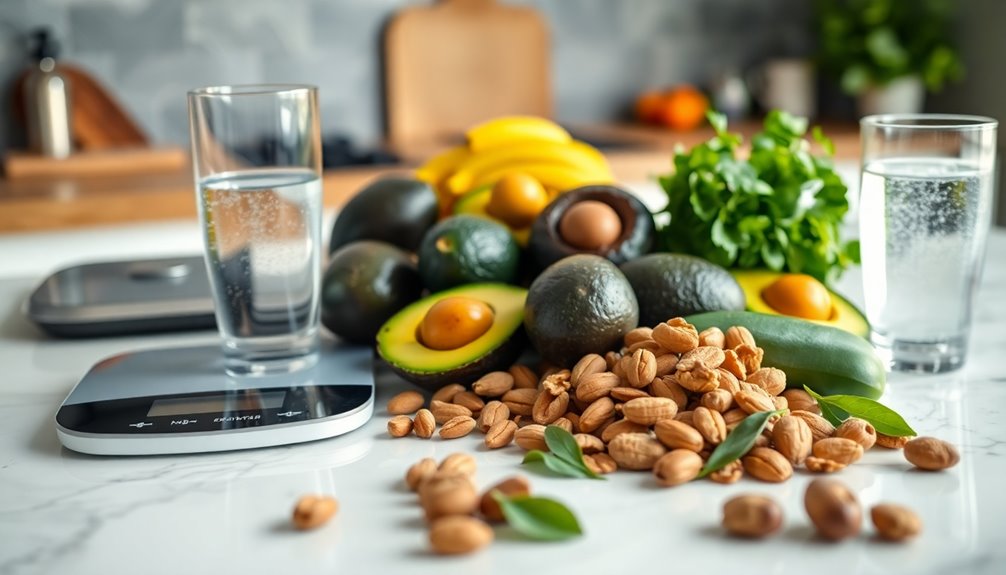
If you’re exploring effective ways to manage your weight or improve your health, the ketogenic diet might catch your attention. This low-carbohydrate, high-fat eating plan typically consists of 70-80% fat, 5-10% carbohydrates, and 10-20% protein.
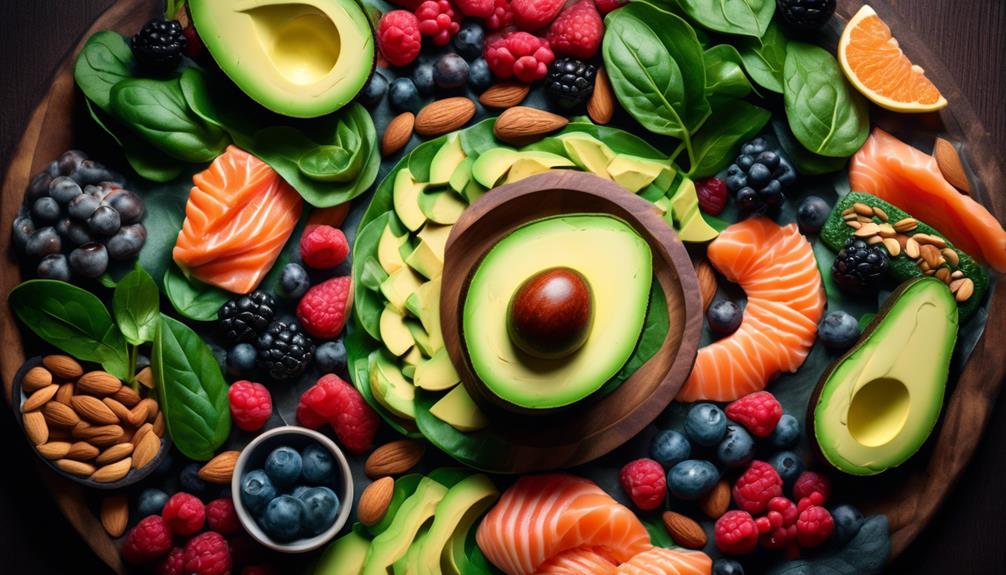
By promoting fat as your primary energy source, your body enters a state called ketosis, using ketones from stored fat. You’ll focus on foods like avocados, olive oil, grass-fed beef, and non-starchy vegetables while avoiding grains and most fruits.
While research shows short-term benefits like weight loss and improved insulin resistance, be aware of potential long-term risks, such as kidney stones and nutrient deficiencies. Additionally, the impact on cholesterol levels can vary significantly based on the types of fats consumed.
Consulting a healthcare professional is crucial before diving into the ketogenic diet to confirm it’s right for you.
How the Keto Diet Affects Kidney Health
The keto diet can markedly impact your kidney health due to its high intake of animal foods and altered nutrient composition. This dietary shift can lead to mechanisms that promote kidney stone formation, making awareness essential. However, incorporating potassium citrate may help mitigate some of these risks and support your overall kidney function. Additionally, the anti-inflammatory properties of the ketogenic diet may contribute to improved kidney health by reducing systemic inflammation.
Dietary Composition Impact
While following a ketogenic diet, you mightn’t realize how its unique dietary composition can impact your kidney health. The high-fat, low-carbohydrate nature of this diet can lead to increased calcium excretion and reduced citrate levels, heightening your risk of kidney stones.
Here are some key points to reflect on:
- 6.7% of children on the ketogenic diet develop kidney stones.
- Median duration of the diet for those affected is 26 months.
- Oral potassium citrate can greatly reduce kidney stone prevalence.
- Hypercalciuria trends higher in children with stones, indicating risk.
- Monitoring urine markers and urine alkalinization can help lower your risk.
Stay informed and take proactive steps to protect your kidney health while on the ketogenic diet.
Stone Formation Mechanisms
Understanding how the ketogenic diet affects kidney health is essential, especially concerning stone formation mechanisms. This diet can increase urine acidity, raising your risk of developing kidney stones.
Higher calcium excretion and reduced citrate levels are significant contributors to this issue. Research shows that 6.7% of children on a ketogenic diet developed kidney stones, with hypercalciuria present in 92% of those affected.
The longer you stay on the diet, the greater your risk becomes, as seen in children who followed it for a median of 26 months. While potassium citrate supplementation has proven effective in reducing stone prevalence, awareness of these mechanisms can help you make informed choices about your health while on a ketogenic diet.
Potassium Citrate Benefits
Given the potential risks of kidney stones associated with the ketogenic diet, incorporating potassium citrate can be a game-changer for your kidney health.
This supplement not only helps reduce stone formation but also enhances your overall well-being on keto.
Here are some benefits of potassium citrate:
- Decreases kidney stone prevalence considerably.
- Extends the duration on the ketogenic diet before stone development.
- Promotes urine alkalinization, reducing stone risk.
- Addresses hypercalciuria, a common concern for keto dieters.
- Supports long-term kidney health, especially in children.
Prevalence of Kidney Stones in Keto Dieters
The prevalence of kidney stones among those following a ketogenic diet raises important considerations for health and nutrition. Studies show that about 5.8% of children on the ketogenic diet develop kidney stones, closely mirroring the overall incidence of 5.9% in this population.
Significantly, 92% of those with stones had hypercalciuria, indicating a substantial link between this condition and kidney stones.
Curiously, the use of oral potassium citrate has proven effective in reducing the risk of kidney stones, lowering prevalence from 10.0% to 3.2%.
Despite these findings, many individuals continue the ketogenic diet, suggesting that the perceived benefits may outweigh the risks of kidney stones for some. Additionally, regular physical activity can help manage blood sugar levels, which is crucial for overall kidney health.
Identifying Risk Factors for Kidney Stones on Keto
While many embrace the ketogenic diet for its weight loss and health benefits, identifying the risk factors for kidney stones within this population is crucial. Understanding these risks can help you make informed choices.
Consider these key risk factors:
- Hypercalciuria: Higher calcium levels in urine can lead to stone formation.
- Diet Duration: Longer adherence to the ketogenic diet may increase risk; median duration for those with stones was 26 months.
- Young Age: Surprisingly, younger individuals didn’t show a higher prevalence of kidney stones.
- Use of Carbonic Anhydrase Inhibitors: No significant correlation was found with stone development.
- Potassium Citrate: Although it may lower stone risk, it’s essential to monitor your individual needs.
Additionally, understanding how reduced inflammation can impact kidney health may provide further insights into managing risks.
Being aware of these factors can help you manage your kidney stone risk effectively.
The Role of Potassium Citrate in Preventing Kidney Stones
Potassium citrate can be a game changer for you if you’re on a ketogenic diet and concerned about kidney stones. It helps alkalinize your urine, which reduces the risk of stone formation. Plus, studies show it markedly lowers the prevalence of stones in kids following this diet. Additionally, maintaining a low carbohydrate intake can further support kidney health by reducing the risk of stone formation associated with high oxalate levels.
Potassium Citrate Benefits
When managing kidney stones, you might find potassium citrate to be a game changer, especially if you’re on a ketogenic diet. This supplement offers several benefits that can help reduce your risk of stone formation:
- Decreased prevalence of kidney stones in children on a ketogenic diet, from 10.0% to 3.2%.
- Extended median duration on the ketogenic diet before the first stone, averaging 260 months with potassium citrate.
- Alkalinization of urine, which is essential in preventing stone formation.
- Targeting hypercalciuria, a common risk factor affecting 92% of children with stones.
- Effective intervention for mitigating kidney stone risks among pediatric patients.
Incorporating potassium citrate could greatly enhance your kidney health while enjoying your ketogenic lifestyle.
Urine Alkalinization Effects
Urine alkalinization plays an essential role in preventing kidney stones, especially for those on a ketogenic diet. By using potassium citrate, you can greatly reduce the risk of stone formation.
In fact, studies show that children on a ketogenic diet who took potassium citrate saw kidney stone prevalence drop from 10.0% to 3.2%. They also enjoyed a longer duration on the diet before encountering their first kidney stone—260 patient-months compared to 149 without potassium citrate.
This alkalinizing effect helps maintain ideal urine pH levels, effectively mitigating risks like hypercalciuria. By incorporating potassium citrate into your regimen, you’re taking a proactive step in kidney stone prevention while enjoying the benefits of a ketogenic lifestyle.
Importance of Hydration on a Ketogenic Diet
Staying well-hydrated is essential on a ketogenic diet, as dehydration can lead to more concentrated urine and increase the risk of kidney stones.
To effectively manage your hydration, consider the following:
- Aim for 2-3 liters of fluid intake daily.
- Monitor your urine color; light yellow indicates proper hydration.
- Include potassium citrate to help prevent stones, especially with ample hydration.
- Dilute urinary substances by drinking plenty of water.
- Pay attention to your body’s signals; thirst is a key indicator.
Additionally, proper hydration supports insulin sensitivity, which is crucial for blood sugar regulation on a ketogenic diet.
Dietary Choices: Foods to Avoid and Include
Making smart dietary choices is essential for anyone on a ketogenic diet, especially if you’re concerned about kidney stones. To reduce your risk, avoid high-oxalate foods like spinach, beets, and nuts, as they can lead to calcium oxalate stones.
Limit animal protein sources such as red meat and shellfish, which may increase calcium excretion and lower citrate levels, raising your risk further. Steer clear of sugary beverages and excessive caffeine, as they can dehydrate you and decrease urine volume.
Instead, include potassium-rich foods like avocados and leafy greens, as they help mitigate stone formation. Finally, prioritize hydration by drinking plenty of water to maintain clear or light-colored urine, effectively diluting potential stone-forming substances. Additionally, managing hormonal balance through dietary choices may further support kidney health and reduce the risk of stone formation.
Monitoring Oxalate Levels: Why Does It Matter?
Monitoring oxalate levels is essential if you’re following a ketogenic diet, as high oxalate intake can boost your risk of kidney stones.
Foods like nuts and spinach, common in keto, can elevate urinary oxalate levels.
Keeping track of these levels helps you make dietary adjustments to reduce your stone risk. Additionally, incorporating low-carb fruits can help maintain a balanced diet while minimizing oxalate intake.
Importance of Oxalate Monitoring
Since a ketogenic diet often includes high-oxalate foods, keeping an eye on your oxalate levels is essential to prevent kidney stone formation. Elevated oxalate can lead to calcium oxalate kidney stones, the most common type. Here’s why monitoring matters:
- High-oxalate foods like spinach and nuts may need limiting.
- Hyperoxaluria increases your risk of kidney stones considerably.
- Incorporating calcium-rich foods can bind oxalate in your gut.
- Regular urine tests help track oxalate levels.
- Dietary adjustments can prevent stone formation and promote kidney health.
Sources of Oxalate Intake
High-oxalate foods can sneak into your diet, especially when following a ketogenic plan. Spinach, rhubarb, beets, nuts, and chocolate are common culprits that can elevate your oxalate intake.
If you’re prone to kidney stones, it’s essential to monitor these foods and limit them as needed. Research shows that reducing dietary oxalate can considerably lower urinary oxalate levels, decreasing your risk of stone formation.
Proper hydration also plays a key role; drinking plenty of fluids dilutes urine oxalate concentration, further aiding in prevention.
On a ketogenic diet, you might inadvertently consume higher oxalate levels from permitted foods, making it even more important to keep track of what you eat.
Stay informed to protect your kidney health!
Long-term Health Implications of the Keto Diet
While the ketogenic diet can offer short-term benefits, its long-term implications for health warrant careful consideration, particularly regarding kidney stones. Here are some essential points to keep in mind:
- There’s a 5.9% incidence of kidney stones in individuals on the ketogenic diet.
- Nutritional deficiencies, like low calcium, vitamin D, and magnesium, can arise from its restrictive nature.
- Higher rates of hypercalciuria increase the risk of stones, especially in children.
- Potassium citrate supplementation may reduce kidney stone prevalence considerably.
- Continuous monitoring and interventions are important to mitigate risks.
- Additionally, a reduced hunger and cravings approach can help in managing dietary choices to prevent deficiencies.
Being aware of these factors can help you navigate the long-term health implications of the ketogenic diet and reduce your risk of kidney stones and nutritional deficiencies.
Strategies for Safe Keto Living: Prevention Tips
Maneuvering the ketogenic diet doesn’t have to be intimidating, especially when you take proactive steps to minimize health risks like kidney stones.
First, prioritize hydration; drinking plenty of water dilutes your urine and helps prevent stone formation, especially on a diet that’s high in fat. Incorporate oral potassium citrate to alkalinize your urine, greatly reducing the risk of kidney stones.
Prioritize hydration and consider potassium citrate to keep your urine alkaline and reduce the risk of kidney stones on a high-fat diet.
Regularly monitor urine markers to catch issues like hypercalciuria early. Also, include high-fiber, keto-friendly foods such as leafy greens, chia seeds, and flax seeds to support gut health.
Finally, focus on unsaturated fats from sources like olive oil and avocados, balancing your fat intake to reduce potential kidney stress while enjoying your keto journey.
Conclusion
In summary, while the keto diet can be beneficial for many, it’s essential to stay mindful of kidney stone risks. You might worry that cutting carbs could lead to deficiencies, but focusing on hydration and balanced nutrient intake can mitigate these concerns. By being proactive about your dietary choices and monitoring oxalate levels, you can enjoy the benefits of keto while protecting your kidney health. Don’t let fear hold you back—embrace a safe, enjoyable keto lifestyle!