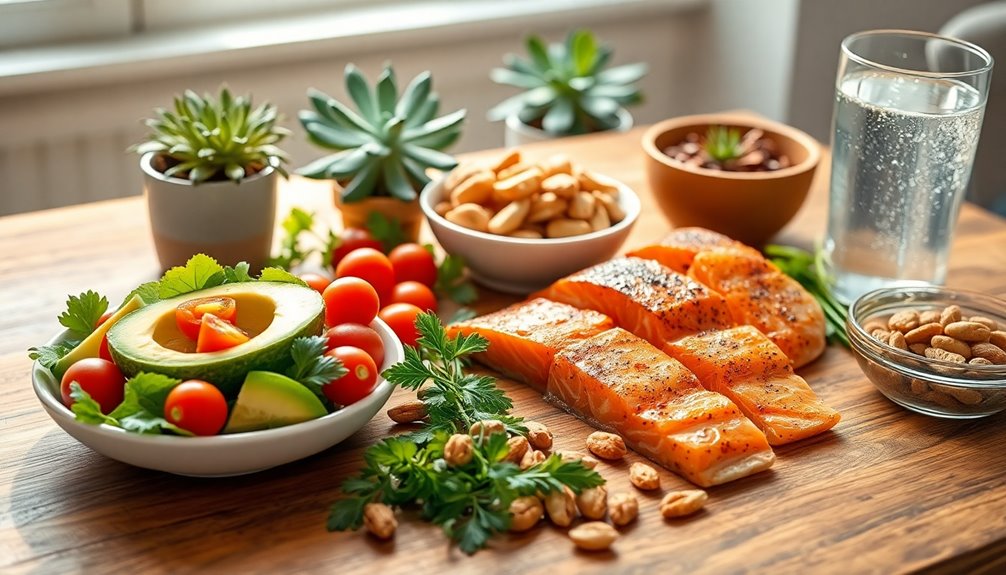
The Low Cholesterol Keto Diet mixes classic keto principles with a focus on heart health. You’ll enjoy healthy fats from sources like avocados and olive oil while minimizing saturated fats. This diet promotes good cholesterol (HDL) and aims for a high fat, low carb ratio to improve metabolic health. By choosing lean proteins and nutrient-dense foods, you can maintain heart wellness. Discover more about essential foods and tips for optimizing your cholesterol levels.
What Is the Low Cholesterol Keto Diet?
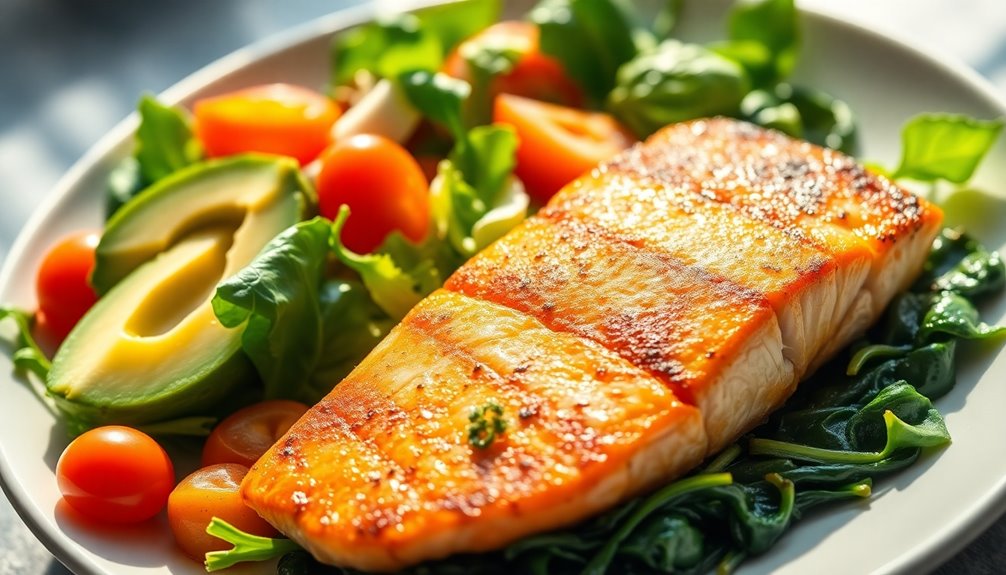
The Low Cholesterol Keto Diet blends the principles of a traditional ketogenic diet with a focus on heart health. This approach encourages you to consume healthy fats from sources like avocados, olive oil, and fatty fish while limiting saturated fat and processed meats.
You’ll aim for a macronutrient ratio of about 70–75% fats, 15–20% protein, and 5–10% carbohydrates, prioritizing nutrient-dense foods to support overall wellness. Incorporating low-carb vegetables and fiber-rich foods can help maintain your cholesterol levels while achieving ketosis. Additionally, including healthy fats like avocado oil can enhance your meals while promoting heart health.
Regularly monitoring your cholesterol levels and consulting healthcare professionals is essential to guarantee the diet remains safe and effective for promoting heart health. This way, you’re taking active steps towards a healthier lifestyle.
How Does the Keto Diet Promote Heart Health?
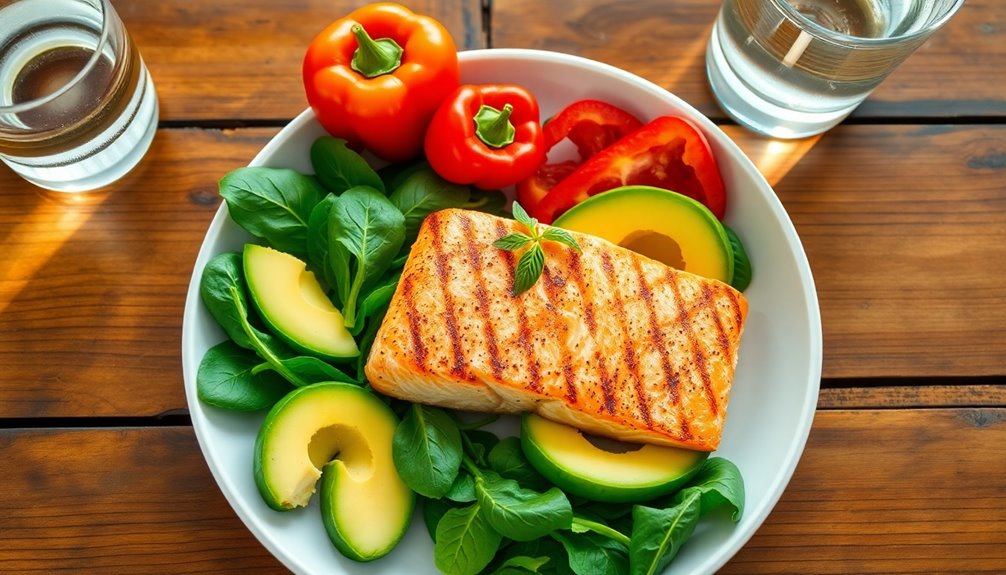
How can the keto diet enhance your heart health? This low-carb diet emphasizes healthy fats from sources like fatty fish, avocados, and olive oil, which can help increase HDL (good cholesterol) while reducing LDL (bad cholesterol) levels.
By cutting carbs, you lower insulin levels, which can decrease fat storage and improve your metabolic health—key factors for heart health. Studies show that the keto diet can lower triglycerides, a major heart disease risk factor, by using fat for energy instead of carbs.
Incorporating low-carb, nutrient-dense foods, like leafy greens and nuts, provides essential vitamins and minerals. Plus, focusing on whole, unprocessed foods helps you avoid added sugars and trans fats, further promoting heart health and reducing inflammation. Additionally, healthy fats play a crucial role in improving lipid profiles and supporting cardiovascular wellness.
Key Differences Between Traditional Keto and Low Cholesterol Keto
While both traditional keto and low cholesterol keto focus on low carb intake, their approaches to fat consumption differ considerably.
Traditional keto emphasizes high saturated fats, which can elevate LDL cholesterol levels, potentially impacting heart health.
In contrast, low cholesterol keto promotes unsaturated fats from sources like avocados and olive oil, aiming to lower cholesterol and reduce cardiovascular disease risk.
This plan favors lean proteins such as chicken and fish over red and processed meats, which are often staples in traditional keto.
Additionally, low cholesterol keto encourages the inclusion of fiber-rich vegetables, enhancing heart health and supporting cholesterol management.
Furthermore, this approach aligns with the principles of improved insulin sensitivity, which can further aid in blood sugar regulation.
Essential Foods to Include for a Heart-Healthy Keto
Incorporating heart-healthy foods into your low cholesterol keto diet is essential for maintaining ideal cardiovascular health.
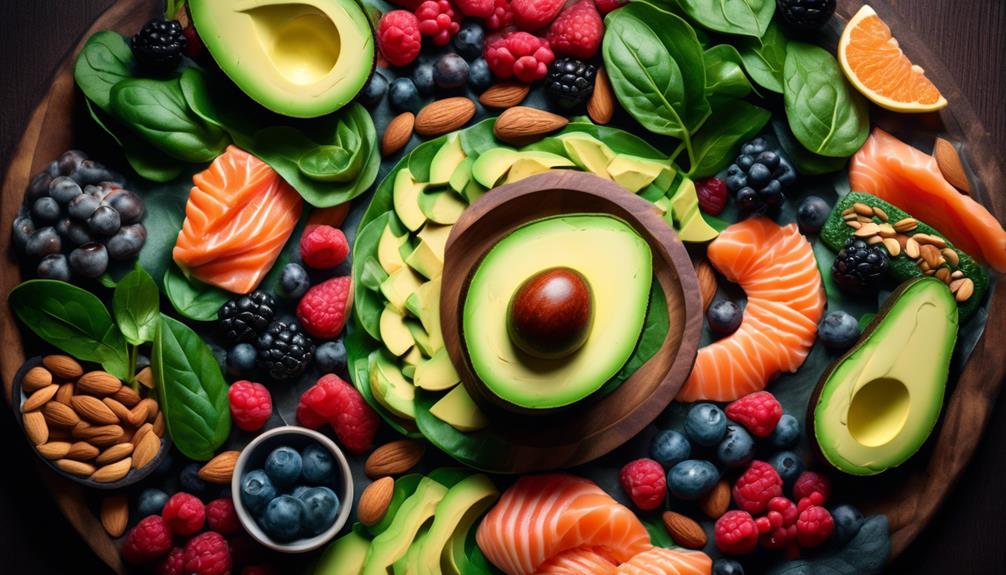
Focus on low carbohydrate options like leafy greens, including spinach and kale, which are packed with fiber and antioxidants that support heart health.
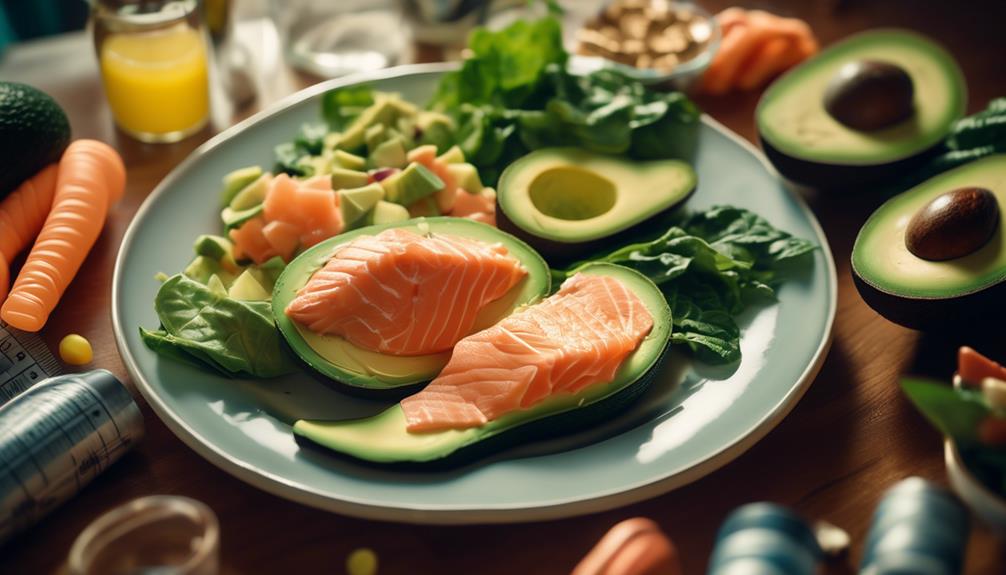
Fatty fish like salmon and mackerel supply omega-3 fatty acids, known for lowering LDL cholesterol and reducing inflammation.
Fatty fish like salmon and mackerel are rich in omega-3 fatty acids, which help lower LDL cholesterol and reduce inflammation.
Avocados are a fantastic source of healthy fats, improving cholesterol naturally while offering protective benefits.
Don’t forget nuts and seeds, such as almonds and walnuts, which contribute healthy fats, fiber, and protein to your diet.
Finally, use extra virgin olive oil as your primary fat source; it’s linked to improved heart health and lowering LDL cholesterol.
In addition, incorporating high-fiber vegetables into your meals can further enhance your overall heart health.
Foods to Avoid for Lowering Cholesterol on Keto
To successfully lower cholesterol on a low carb keto diet, it’s essential to steer clear of certain foods that can negatively impact your heart health.
First, avoid processed foods containing trans fats—these can greatly elevate LDL cholesterol levels and increase your risk of heart disease.
Limit processed meats like sausages and deli meats, as they often harbor unhealthy fats and preservatives.
Fried foods are another culprit; the cooking process adds unhealthy fats that spike cholesterol.
High-sugar snacks and desserts should also be minimized, as they can lead to weight gain and higher cholesterol levels.
Finally, steer clear of refined carbohydrates like white bread and pasta, which can spike blood sugar and contribute to heart issues. Including high-fat meats, such as certain types of pepperoni, can complicate your cholesterol management if not monitored closely.
Sample Meal Plan for a Low Cholesterol Keto Diet
Crafting a meal plan for a low cholesterol keto diet can be both delicious and heart-healthy. Start your day with avocado and eggs, loaded with healthy fats that support heart health.
For lunch, enjoy baked salmon paired with steamed broccoli; this combo offers omega-3 fatty acids, helping to lower LDL cholesterol levels.
Snack on chia seed pudding or a handful of almonds, providing fiber and healthy fats.
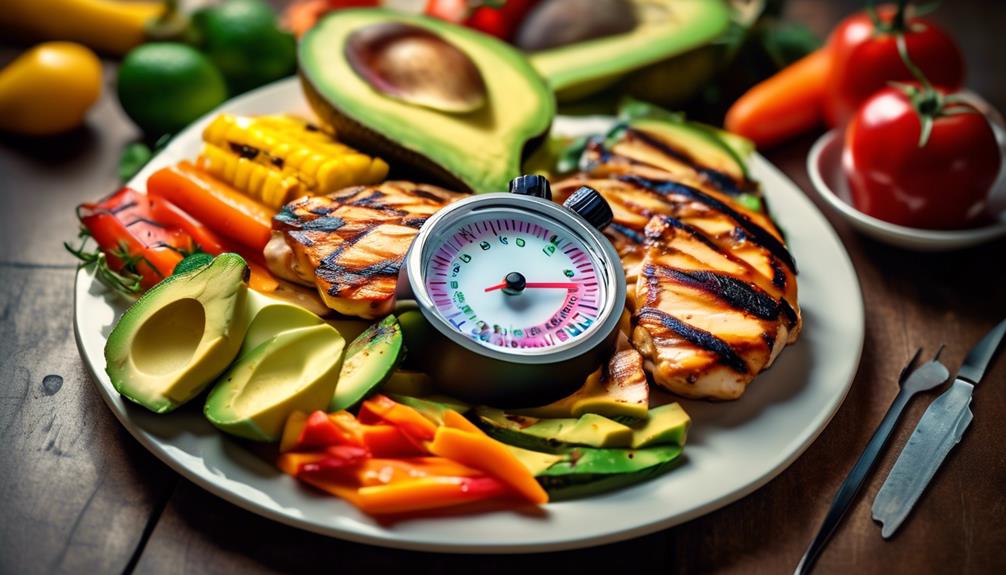
Dinner can feature sautéed spinach and grilled chicken, incorporating low-carb vegetables for essential nutrients.
Throughout the day, monitor your cholesterol levels and consult with a healthcare professional to guarantee your meal plan aligns with your health goals. Incorporating low-carb options can further enhance your heart health while stabilizing blood sugar levels.
This way, you’ll enjoy tasty meals while promoting your cardiovascular well-being.
Benefits of Combining Keto With Low Cholesterol Principles
Combining a ketogenic diet with low cholesterol principles can greatly enhance your heart health. By focusing on healthy fats from sources like avocados and fatty fish, you can minimize harmful saturated and trans fats that elevate LDL cholesterol levels.
Research shows that this low-cholesterol keto approach effectively reduces triglycerides while boosting HDL cholesterol, which is crucial for cardiovascular wellness. Incorporating high-fiber foods such as leafy greens and nuts not only supports healthy digestion but also aids in lowering LDL cholesterol.
This well-structured diet emphasizes lean proteins and heart-healthy oils, providing essential nutrients without excessive saturated fat. Adopting this combined strategy may help you achieve weight loss and metabolic benefits while promoting overall heart health. Additionally, choosing grass-fed meats can enhance your nutrient intake, supporting stable energy levels and muscle recovery on a keto diet.
Nutritional Deficiencies to Watch Out For
When you’re on a low cholesterol keto diet, you need to be mindful of potential nutritional deficiencies. Common gaps include essential vitamins and minerals like vitamin D, calcium, and B vitamins, which can impact your overall health. To avoid these issues, it’s vital to identify sources of these nutrients and incorporate them into your meal plans. Additionally, monitoring cholesterol levels is crucial to ensure that your dietary changes are having the desired effect on your heart health.
Common Nutritional Deficiencies
While following a low cholesterol keto diet can offer various health benefits, it’s important to be aware of potential nutritional deficiencies that might arise.
Common nutritional deficiencies include magnesium, potassium, and calcium, often due to limited intake of fruits and certain vegetables.
If you’re on a strict plant-based keto diet, you might also face vitamin B12 deficiency since it’s primarily found in animal products.
Omega-3 fatty acids can be lacking too, especially if you don’t consume fatty fish; consider flaxseeds or chia seeds for heart health.
Additionally, fiber deficiency is prevalent in low-carb diets, leading to digestive issues, and antioxidant deficiencies, particularly vitamins C and E, may impact overall health due to reduced fruit and vegetable intake.
Essential Nutrient Sources
Being aware of nutritional deficiencies is just the first step; knowing where to find those essential nutrients can make a big difference in your low cholesterol keto journey.
To boost your omega-3 fatty acids, include fatty fish like salmon and sardines in your meals.
Don’t forget vitamin B12, which you can get from animal products or fortified foods—crucial for red blood cell formation.
For fiber, fill your plate with low-carb vegetables like broccoli and spinach.
Magnesium is important for muscle function and can be sourced from leafy greens, nuts, and seeds.
Finally, make sure you’re getting enough potassium by enjoying avocados and more leafy greens.
Focus on these whole foods to stay heart-healthy while enjoying your keto lifestyle.
Snacks That Fit Your Low Cholesterol Keto Lifestyle
Snack time doesn’t have to derail your low cholesterol keto lifestyle. You can enjoy nutrient-dense snacks that support heart health and keep you on track.
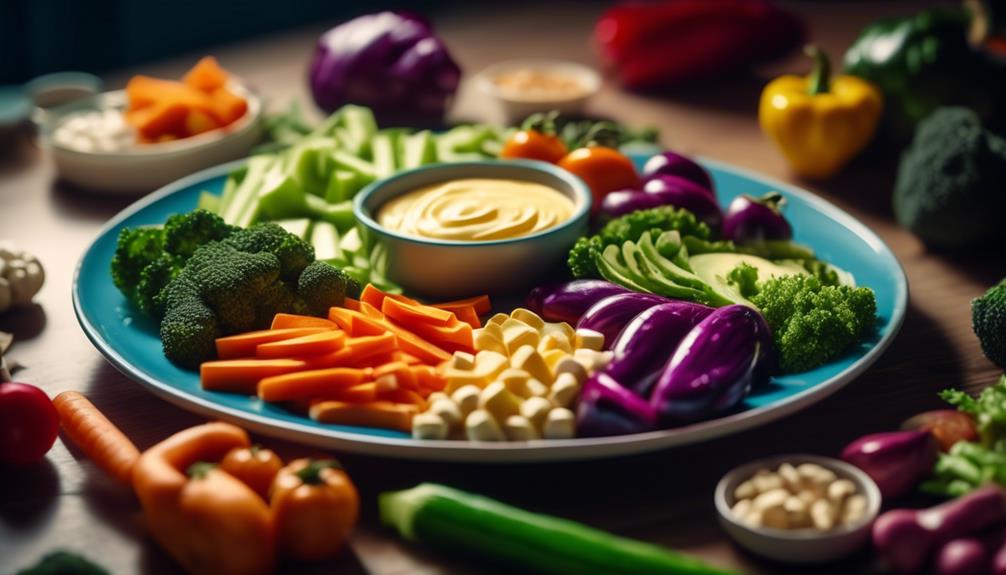
Raw almonds and walnuts are excellent choices, packed with healthy fats and omega-3s. For a crunchy option, pair raw veggies like cucumbers and bell peppers with hummus or avocado dip—fiber-rich and low-carb!
Snack smart with raw almonds, walnuts, and crunchy veggies paired with hummus or avocado dip for a heart-healthy treat!
Greek yogurt, preferably non-fat, serves as a high-protein snack that keeps you full without raising cholesterol levels. You can also whip up chia seed pudding with almond milk for a delicious treat high in fiber and omega-3s. Incorporating savory low-carb snacks such as hard-boiled eggs or beef jerky can further enhance your snacking options.
Finally, drizzle olive oil over sliced veggies or whole-grain crackers for an extra dose of heart-healthy monounsaturated fats.
Best Beverages for Heart-Healthy Ketosis
What’re the best beverages to support your heart-healthy ketosis journey? Staying hydrated is essential on a low cholesterol keto diet, and water is your top choice, as it’s calorie-free and carb-free.
Green tea is another excellent option; packed with antioxidants, it may help lower LDL cholesterol levels while keeping carbs in check. Herbal teas, like hibiscus, can also promote heart health by reducing blood pressure and cholesterol levels.
Bone broth offers nutrient density without added carbs, enhancing hydration and supporting your heart health. Finally, you can enjoy coffee in moderation, as it contains no carbs and may boost metabolic health when consumed plain. Additionally, maintaining insulin sensitivity is crucial for optimizing your overall health during your keto journey.
These are some of the best beverages for heart-healthy ketosis!
Tips for Dining Out While on a Low Cholesterol Keto Diet
Dining out on a low cholesterol keto diet can feel challenging, but it doesn’t have to be. Start by choosing grilled, baked, or steamed proteins like chicken or fish, which help you reduce saturated fats.
Opt for salads dressed with olive oil and vinegar, avoiding creamy options that can derail your heart health.
Don’t hesitate to request modifications, like swapping starchy sides for low-carb vegetables to keep your meal plan on track.
Be cautious with sauces and dressings; ask for them on the side to avoid added sugars or unhealthy fats.
Look for heart-healthy options featuring avocados or nuts, as they provide healthy fats without raising cholesterol levels.
Enjoy dining out while sticking to your healthy keto meal goals!
How to Monitor Your Cholesterol Levels Effectively?
To keep your cholesterol in check, regular monitoring is key.
You should understand your cholesterol readings, focusing on both LDL and HDL levels, and how your lifestyle choices impact them.
Tracking Cholesterol Regularly
Regularly tracking your cholesterol levels is essential for maintaining heart health, especially if you’re following a low cholesterol keto diet.
Aim for LDL levels below 100 mg/dL and HDL levels above 60 mg/dL for ideal cardiovascular function. Get a lipid panel at least every four to six years, or more often if you have risk factors.
Keep a food diary to monitor how your diet affects your cholesterol; focus on reducing saturated fats and increasing omega-3 fatty acids from sources like fish and flaxseeds.
Don’t forget that lifestyle factors, such as regular exercise and a balanced diet rich in fruits, vegetables, and whole grains, can greatly impact your cholesterol levels and overall heart health.
Understanding Cholesterol Readings
How can you make sense of your cholesterol readings? Start by knowing that cholesterol levels are measured in milligrams per deciliter (mg/dL). Desirable totals are under 200 mg/dL, with LDL (bad cholesterol) below 100 mg/dL and HDL (good cholesterol) at 60 mg/dL or higher.
Regularly monitoring these levels through a lipid panel test—preferably after fasting for 9-12 hours—is essential, especially if you have risk factors like obesity or family history of heart disease. Discuss your results with your healthcare provider, who can offer personalized recommendations.
Lifestyle Impact on Cholesterol
While many people overlook cholesterol monitoring, staying on top of your levels is essential for heart health. Regular blood tests can track LDL and HDL cholesterol levels, ideally every 4-6 years for adults.
Following a low-cholesterol keto plan can help you maintain a heart-healthy diet, where reducing saturated fats may lower LDL by 5-10%. Aim for at least 150 minutes of moderate aerobic exercise weekly to boost HDL while lowering LDL.
Keeping a food diary can highlight dietary patterns affecting cholesterol levels, allowing you to include more healthy fats and lean proteins. Regular check-ins with your healthcare provider guarantee personalized strategies for effectively monitoring cholesterol and accommodating your unique health needs.
Common Myths About Keto and Cholesterol
Many people believe that a ketogenic diet will automatically raise LDL cholesterol levels, but this isn’t the case for everyone.
In fact, focusing on healthy fats like avocados and fatty fish can improve your cholesterol profile. Research shows that a well-formulated ketogenic diet can increase HDL (good cholesterol) and lower triglycerides, promoting heart health.
Remember, not all fats are equal; saturated fats from processed sources can elevate cholesterol, while unsaturated fats from plant oils support a healthy lipid profile.
Some may see an increase in LDL cholesterol, but this often relates to individual metabolic responses rather than a universal outcome.
Adjusting Your Keto Diet for Long-Term Success
Create a meal plan tailored to your heart health by prioritizing healthy fats like avocados, olive oil, and fatty fish while limiting saturated fats from red meats and processed foods.
Incorporate plenty of low-carb vegetables, such as leafy greens and broccoli, to help lower cholesterol levels and guarantee adequate fiber intake.
Focus on reducing carbs to 5-10%, keeping fats high at 70-75%, and maintaining moderate protein intake at 15-20%.
Consider plant-based protein sources like nuts and seeds in moderation.
These dietary strategies will support ketosis while promoting overall wellness and heart health.
Regularly monitor your progress to make necessary adjustments.
Consulting With Healthcare Professionals: Why It Matters?
Maneuvering a low cholesterol keto diet can be complex, especially when considering individual health needs. Consulting with healthcare professionals guarantees your diet aligns with your unique requirements, helping to minimize risks from high saturated fat intake.
Navigating a low cholesterol keto diet requires personalized guidance to ensure health and minimize risks associated with saturated fats.
Regular check-ups allow you to monitor cholesterol levels and assess any potential impacts on heart health.
For those with pre-existing conditions like diabetes or cardiovascular disease, professional guidance is vital for safely steering through the ketogenic diet. A registered dietitian can enhance your meal planning, assuring adherence to both keto and cholesterol-lowering guidelines.
They can also recommend necessary dietary adjustments and supplements to prevent nutritional deficiencies while following your low cholesterol keto plan. Prioritizing expert advice is key to your success and well-being.
Conclusion
In the journey of health, embracing a low cholesterol keto diet can be like finding a hidden treasure chest filled with heart-healthy delights. By choosing the right foods and steering clear of cholesterol traps, you can navigate your way to vibrant well-being. Remember, monitoring your cholesterol is your compass, guiding you through this adventure. So, grab your map and set sail toward a healthier lifestyle, where every meal can be a step closer to a thriving heart.