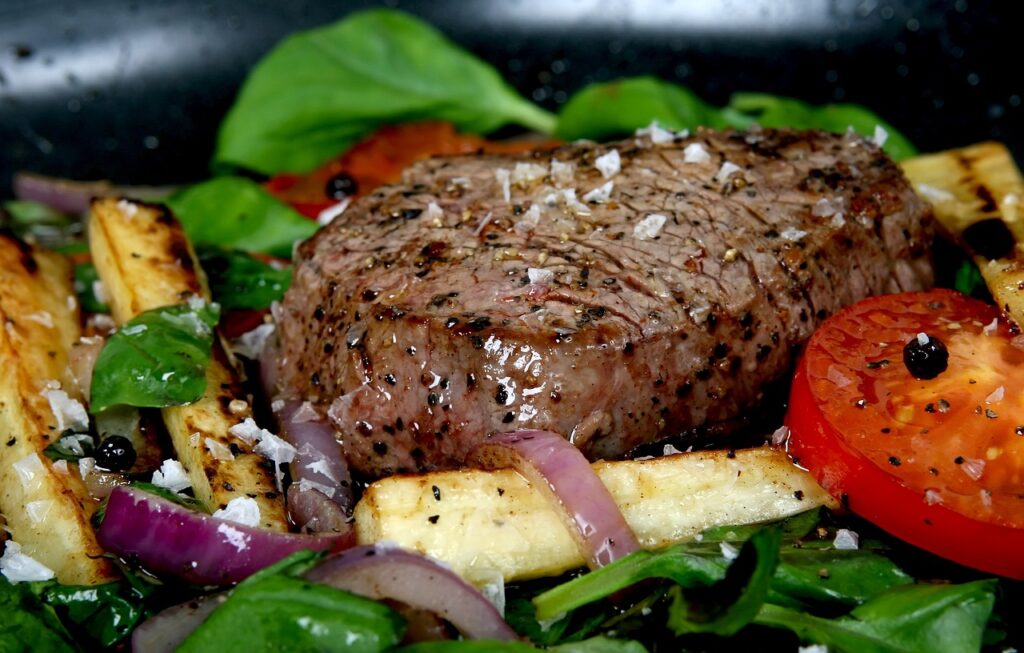

Keto 2.0 offers a flexible and balanced approach to eating, shifting from traditional ketogenic diets. With a macronutrient ratio of 50% fat, 30% protein, and 20% carbohydrates, you can enjoy around 100 grams of carbs daily. This evolution allows for more fruits, vegetables, and whole grains, promoting better health and sustainable weight loss. While it has its benefits, there are important considerations to keep in mind. Discover what more you can gain from this modern dietary evolution.
Understanding Keto 2.0: A Flexible Approach to Nutrition
While traditional keto diets often feel restrictive, Keto 2.0 introduces a more flexible approach that can make healthy eating enjoyable.
With a macronutrient breakdown of about 50% fat, 30% protein, and 20% carbohydrates, you can consume around 100 grams of carbs daily on a 2,000 calorie diet. This aligns closely with USDA dietary recommendations and encourages you to include a variety of foods like fruits, vegetables, whole grains, and legumes.
Keto 2.0 allows for 100 grams of carbs daily, promoting a balanced diet with diverse food options.
By focusing on plant-based fats and lean proteins, Keto 2.0 promotes long-term adherence and reduces health risks associated with high saturated fat intake.
Plus, it emphasizes dietary fiber, recommending 25-32 grams for women and 30-35 grams for men to support your digestive health and overall wellness. Additionally, the Keto diet significantly elevates HDL cholesterol levels, which aids in removing excess cholesterol from the bloodstream and contributes to enhanced cardiovascular health.
Key Differences Between Keto 2.0 and Traditional Keto
Keto 2.0 stands out from traditional keto by allowing for a more moderate carbohydrate intake, which makes it easier for many people to stick with over the long term.
While the traditional ketogenic diet restricts carbs to 2-10%, Keto 2.0 permits about 20%, enabling you to enjoy more fruits, vegetables, and whole grains. This approach shifts the macronutrient distribution to roughly 50% fat, 30% protein, and 20% carbs, contrasting sharply with traditional keto’s 75% fat and only 5-10% carbs.
Additionally, Keto 2.0 emphasizes healthier fat sources like plant-based oils and lean proteins, moving away from high saturated fats in traditional keto. This more balanced approach may still support improved insulin sensitivity while providing a sustainable eating pattern for long-term health.
However, research on Keto 2.0 is limited compared to the extensive studies on the traditional ketogenic diet.
Exploring the Potential Benefits of Keto 2.0

As you explore the potential benefits of Keto 2.0, you’ll find that its more flexible approach to carbohydrates can make a significant difference in your dietary experience.
With a macronutrient distribution of about 50% fat, 30% protein, and 20% carbohydrates, Keto 2.0 allows for a richer variety of fruits, vegetables, and whole grains compared to the traditional keto diet.
This balance not only supports digestive health through increased fiber intake but also enhances your chances of sustainable weight loss.
By reducing the risk of nutrient deficiencies, Keto 2.0 offers a healthier long-term option.
The greater carbohydrate allowance can help you shift away from ultra-processed foods, leading to improved overall health outcomes and making this diet more realistic for the long haul. Incorporating low-carb fruits like strawberries and avocados can provide essential nutrients while keeping you within your carbohydrate limits.
Risks and Considerations for Adopting Keto 2.0
Adopting Keto 2.0 comes with several risks and considerations that you should keep in mind.
Adopting Keto 2.0 involves important risks and considerations worth your attention.
The flexibility of this diet can lead to potential challenges, such as:
- Increased cholesterol levels: Higher saturated fat intake may elevate LDL cholesterol and triglycerides.
- Nutrient deficiencies: A less restrictive approach might result in missing out on essential vitamins and minerals if you don’t focus on nutrient-dense foods.
- Limited research: The long-term effects of Keto 2.0 are still unclear, making it wise to tread carefully.
- Weight loss effectiveness: Higher carbohydrate intake could hinder your ability to achieve ketosis, limiting weight loss benefits.
- Medical supervision: It’s vital to consult with a healthcare professional, especially if you have pre-existing conditions, to guarantee safety.
- Additionally, while some may experience improved cholesterol ratios, cholesterol dynamics can vary significantly between individuals.
Is Keto 2.0 the Right Fit for Your Lifestyle?
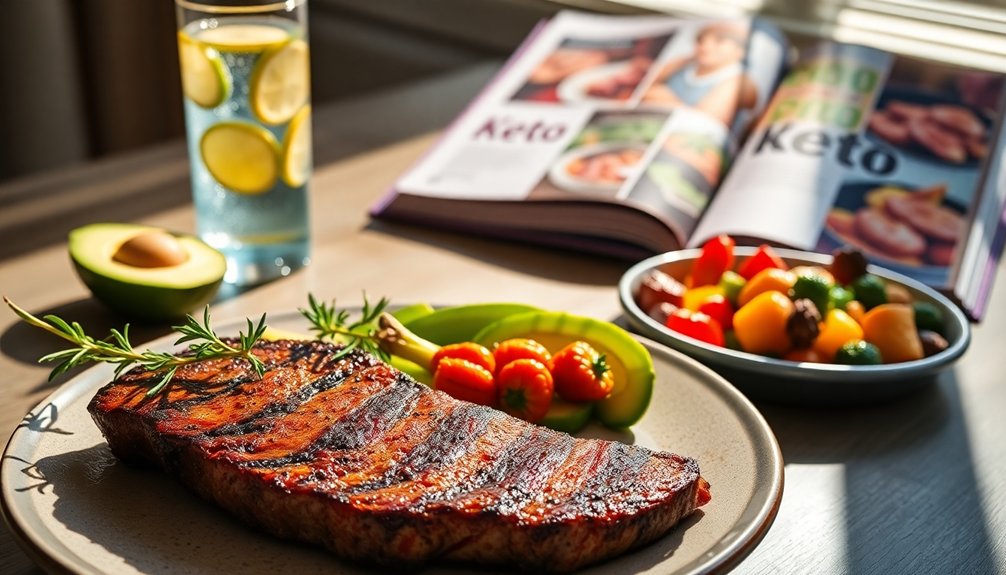
If you’re seeking a more flexible approach to your diet, Keto 2.0 might be the right fit for your lifestyle.
This version of the ketogenic diet allows for a balanced distribution of macronutrients: about 50% fat, 30% protein, and 20% carbohydrates.
With an increased carbohydrate allowance of around 100 grams daily, you can enjoy health-promoting foods like fruits, vegetables, and whole grains.
This makes it easier to maintain long-term dietary changes while supporting your overall health. Additionally, the improved insulin sensitivity associated with a lower carbohydrate intake can further enhance your metabolic flexibility.
Before diving into Keto 2.0, it’s wise to consult a registered dietitian to confirm it aligns with your individual health needs and goals.
This personalized approach can lead to sustainable results without the rigid restrictions of traditional keto.
Conclusion
In the end, Keto 2.0 offers an invigorating twist on traditional ketogenic eating, allowing you to savor flexibility while still reaping health benefits. As you weigh its potential against your lifestyle, consider this: isn’t it time to embrace a dietary approach that adapts to you, rather than the other way around? With mindful choices, you can enjoy the best of both worlds, crafting a sustainable path to better health without feeling deprived.