

If you have kidney disease, the ketogenic diet might not be safe for you. Its high fat and protein content can worsen kidney function and lead to metabolic acidosis. You could also face an increased risk of kidney stones due to dietary changes. Plus, the diet may cause nutritional deficiencies, impacting your overall health. Before making any dietary shifts, it’s essential to understand these risks and explore safer alternatives to support your kidney health.
The Real Risks of High Fat Intake in CKD

When managing chronic kidney disease (CKD), understanding the risks associated with high fat intake is essential.
A ketogenic diet, often rich in saturated fats, can lead to metabolic acidosis due to increased dietary acid load and limited fruit and vegetable consumption. This diet may elevate LDL cholesterol levels, raising your cardiovascular risk considerably.
Additionally, the incidence of nephrolithiasis can spike to 25%, largely from low urine citrate levels and high purine intake. High protein intake can further stress your kidneys, accelerating loss of kidney function and leading to serious health complications.
Plus, limited dietary fiber from excluded plant foods might hinder overall health, increasing your risk of colon cancer and unhealthy gut bacteria. Moreover, incorporating healthy fats instead of saturated options can help mitigate some health risks associated with CKD.
How the Keto Diet Affects Kidney Function?

High fat intake in a ketogenic diet can considerably impact kidney function, especially in individuals with chronic kidney disease (CKD).
The high protein intake often associated with this diet may accelerate the decline of kidney function, compounding existing issues.
Additionally, the ketogenic diet can increase the acid load on your kidneys, potentially worsening metabolic acidosis.
There’s also a significant risk of nephrolithiasis, with rates ranging from 0% to 25% among followers of this dietary pattern.
Long-term adherence might elevate your LDL cholesterol levels, straining kidney health and increasing cardiovascular risks.
Furthermore, limited fiber intake from excluded plant foods can hinder overall health benefits, further complicating your condition if you have kidney disease.
It’s important to consider that the ketogenic diet may also influence systemic inflammation by changing metabolic processes, which can have additional implications for kidney health.
Understanding Metabolic Acidosis and Its Complications
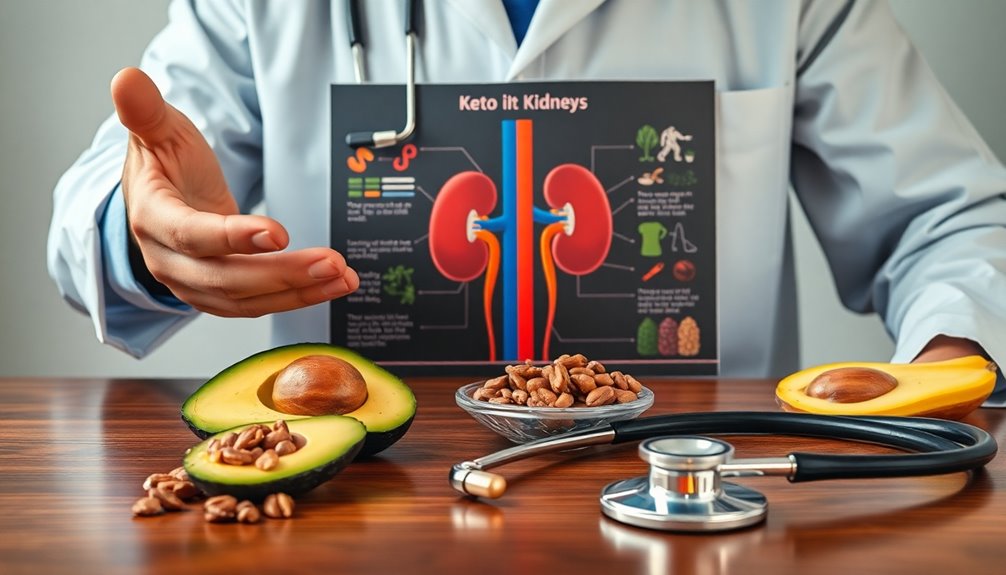
Metabolic acidosis can greatly impact your health, especially if you have kidney disease. This condition arises when your kidneys can’t adequately excrete acid or produce enough bicarbonate, which is essential for balancing your body’s pH.
The ketogenic diet, with its low intake of fruits and vegetables, may worsen metabolic acidosis, leading to complications like a decline in kidney function. Elevated ketones and dietary acids can reduce urinary citrate, increasing your risk of kidney stones.
Untreated metabolic acidosis can also escalate cardiovascular issues and bone disease. While sodium bicarbonate is a common treatment, it can cause side effects, particularly in those with chronic kidney dysfunction. Incorporating anti-inflammatory foods into your diet can help mitigate some of these risks.
Staying informed about these risks is important for managing your health effectively.
The Link Between Keto Diets and Kidney Stones?
Kidney stones are a significant concern for those following a ketogenic diet, especially given the potential for dietary acidosis to affect urine composition. The incidence of kidney stones in keto dieters ranges from 0% to 25%, with adults facing higher rates.
This diet can lead to metabolic acidosis, which reduces urine citrate levels—an important inhibitor of stone formation. Additionally, high fat intake may bind calcium and elevate urinary oxalate levels, further increasing your risk.
The low consumption of fruits and vegetables limits fiber and alkali, essential for maintaining ideal urine pH. If you have chronic kidney disease, your ability to excrete excess acids diminishes, heightening the risk of stone formation and complicating kidney health. Furthermore, incorporating heart-healthy fats can support overall health while following dietary restrictions.
Nutritional Deficiencies: What You’re Missing on Keto
Are you aware of the nutritional deficiencies that can arise from following a ketogenic diet? This restrictive eating plan often limits your intake of essential nutrients found in fruits, vegetables, and whole grains.
As a result, you might miss out on important vitamins A, C, and K, as well as magnesium and potassium. These deficiencies can exacerbate kidney disease complications and impair your metabolic health, increasing the risk of cardiovascular diseases.
Additionally, low calcium and vitamin D intake may lead to bone health issues and a higher likelihood of kidney stones. Furthermore, the ketogenic diet’s reduction in oxidative stress may not compensate for the lack of essential nutrients, potentially impacting long-term health.
Safer Dietary Alternatives for Kidney Health
When managing kidney health, you’ll want to focus on nutrient-dense plant foods that offer essential vitamins and minerals. Balancing your macronutrients with healthy fats and adequate hydration can make a significant difference. Embracing these dietary changes can help protect your kidneys and enhance overall well-being. Additionally, incorporating low-carb substitutes can further support your dietary goals while maintaining kidney health.
Nutrient-Dense Plant Foods
Exploring nutrient-dense plant foods offers a promising path for supporting kidney health. These foods not only provide essential vitamins and antioxidants but also help reduce the progression of chronic kidney disease (CKD).
Here are three key benefits of incorporating these foods into your diet:
- Lower Cardiovascular Risk: A plant-based diet is linked to reduced mortality from cardiovascular disease, making it safer than high saturated fat ketogenic diets.
- Improved Gut Health: Fiber-rich plant foods enhance gut health, lowering the risk of colon cancer, often worsened by low-fiber diets.
- Kidney Function Preservation: Adopting a low-protein diet with plant foods can improve metabolic acidosis and help maintain kidney function, supporting overall kidney health.
Balanced Macronutrient Ratios
While many diets focus on high protein and low carbs, balanced macronutrient ratios can offer a safer alternative for kidney health. By emphasizing lower protein and higher plant-based fats, you minimize acid load, reducing the risk of metabolic acidosis often linked to ketogenic diets.
A plant-dominant low-protein diet can help manage chronic kidney disease (CKD), preserving kidney function and lowering albuminuria risk. Incorporating whole grains, fruits, and vegetables provides essential fiber and antioxidants, promoting overall kidney health and reducing inflammation.
Additionally, including alkali-rich plant foods can mitigate risks of nephrolithiasis. This approach not only supports kidney function but also enhances cardiovascular health, making it a beneficial dietary choice for those concerned about kidney issues.
Hydration and Alkali Sources
Adequate hydration plays a vital role in maintaining kidney health, especially for those managing chronic kidney disease. Proper fluid intake helps dilute urine, reducing the risk of kidney stones often linked to ketogenic diets.
To support kidney function, consider these key points:
- Choose alkali sources: Incorporate plant-based diets rich in fruits and vegetables to counter metabolic acidosis from high animal protein.
- Increase potassium intake: Foods like bananas and spinach can help maintain electrolyte balance and bolster kidney health.
- Incorporate healthy fats: Include monounsaturated fats from avocados and olive oil to lower LDL cholesterol and promote cardiovascular health.
Consulting Your Doctor: What to Discuss Before Starting Keto?
Before starting a keto diet, it’s essential to talk to your doctor about your medical history and current kidney function.
Make sure to discuss any dietary preferences or restrictions you have, as they could impact your ability to follow the diet safely. This conversation can help you understand the potential risks and benefits tailored to your health needs, especially considering the diet’s impact on insulin sensitivity.
Key Medical History
When considering a ketogenic diet, it’s essential to talk to your doctor about any existing kidney conditions. High protein intake can accelerate kidney function decline in patients with chronic kidney disease (CKD).
Here are key points to discuss with your healthcare provider:
- Metabolic Acidosis: Understand how increased dietary acid loads from animal proteins can affect your condition.
- Medication Adjustments: Review any current medications, as the ketogenic diet may require changes in treatment for diabetes and hypertension.
- Alternative Diets: Explore safer options, like plant-based diets, to manage weight while minimizing risks associated with ketogenic diets.
Consulting your doctor guarantees you’re making informed decisions that safeguard your kidney health.
Kidney Function Assessment
Discussing your kidney function with your doctor is essential before starting a ketogenic diet. High protein intake can accelerate kidney decline, especially if you have chronic kidney disease (CKD).
Request a thorough metabolic panel to assess your electrolyte levels and kidney markers, as ketogenic diets can alter these and exacerbate metabolic acidosis.
It’s important to inquire about the risk of nephrolithiasis, since the diet may increase urinary oxalate and decrease citrate, raising stone formation chances.
Discuss how the dietary acid load from a ketogenic diet can worsen metabolic acidosis in CKD patients.
Your healthcare provider may suggest alternative dietary approaches, like plant-based diets, which can support kidney health while managing weight and blood sugar levels effectively.
Dietary Preferences and Restrictions
Consulting your doctor about dietary preferences and restrictions is crucial before diving into a ketogenic diet, especially if you have kidney concerns. Here are key points to discuss:
- Protein Intake: High protein consumption can worsen kidney disease, particularly in those with chronic kidney disease (CKD).
- Metabolic Acidosis: The ketogenic diet may increase dietary acid load, affecting renal health and exacerbating metabolic acidosis.
- Nutrient Deficiencies: This diet’s restrictions can limit essential fruits, vegetables, and whole grains, leading to deficiencies detrimental to kidney health.
Additionally, consider discussing alternatives like plant-based or Mediterranean diets, which might offer weight loss benefits without the risks of nephrolithiasis and other complications associated with the ketogenic diet.
Conclusion
In the grand tapestry of health, the keto diet can weave some intricate patterns, especially for those with kidney concerns. While it may seem tempting, tread carefully; the potential pitfalls could dim your sparkle. Embrace a balanced approach, and explore safer dietary options that nourish your body without the shadow of risk. Always consult your doctor before making any changes, ensuring your health journey remains a bright, vibrant path forward. Your kidneys will thank you!