

When choosing between the Carnivore and Keto diets, consider your health goals and preferences. The Carnivore diet focuses solely on animal products for rapid weight loss but may pose nutritional risks. In contrast, the Keto diet allows for low-carb vegetables, promoting balance and sustainability. Both can help with weight loss and improve blood sugar levels. Evaluate which approach fits your lifestyle better, and you’ll discover more tips to make an informed decision.
Understanding the Carnivore Diet
While many diets focus on a balanced intake of various food groups, the carnivore diet takes a starkly different approach by exclusively emphasizing animal products. This low-carb diet consists entirely of meat, fish, eggs, and some dairy, cutting out all plant-based foods.
By eliminating carbohydrates, you enter ketosis, burning fat for energy. Followers often report health benefits like weight loss and reduced inflammation. Additionally, the neuroprotective effects of the ketogenic approach may also be a consideration for those interested in cognitive health.
However, the restrictive nature raises concerns about nutrient deficiencies and long-term health effects. Limited scientific research exists to confirm the diet’s safety and efficacy over time, prompting calls for clinical trials.
If you’re considering the carnivore diet, be aware of these potential risks while weighing the reported benefits.
Understanding the Keto Diet
The keto diet offers a different approach to low-carb eating compared to the carnivore diet. This ketogenic diet restricts carbohydrates to about 20-50 grams per day, pushing your body into ketosis, where it burns fat for fuel instead of carbs.
Typically, you’ll consume around 70-75% fat, 20% protein, and no more than 10% carbohydrates. Focusing on whole foods, this diet helps improve blood sugar regulation and can aid in weight loss, especially for those with pre-diabetes or high blood pressure.
You’ll enjoy a variety of foods, including meat, fish, eggs, dairy, nuts, seeds, and low-carb vegetables. Many people report increased energy levels and enhanced cognitive function, with reduced cravings for sugar and carbs. Additionally, the ketogenic diet enhances insulin sensitivity, crucial for stable blood sugar maintenance.
Similarities Between Carnivore and Keto Diets
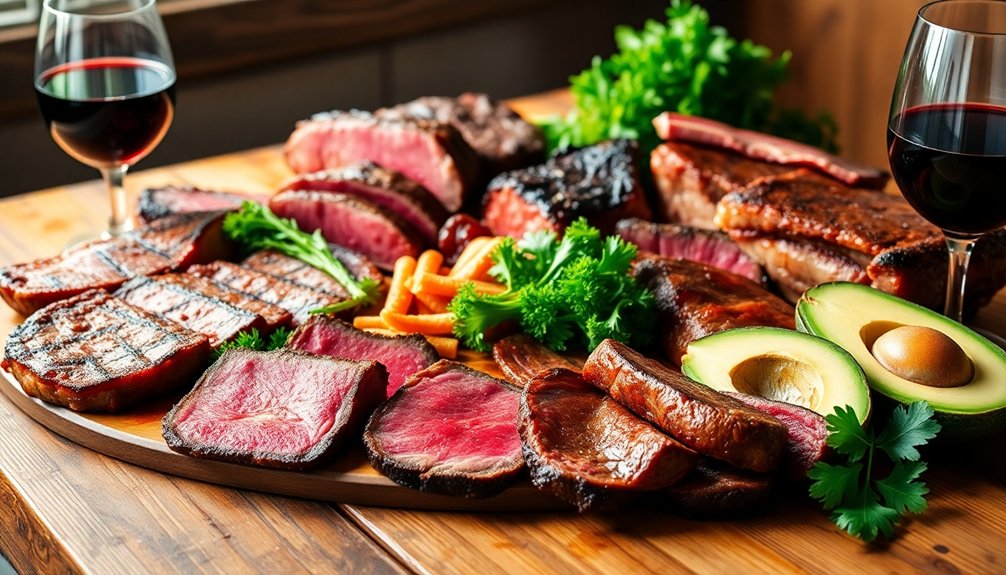
Both the carnivore and keto diets can help you shed pounds by considerably cutting carbs and promoting fat burning.
You’ll likely notice improved blood sugar regulation with either approach, as both diets minimize carbohydrate intake.
As you explore these diets, you’ll find they share some powerful benefits that can enhance your overall health. Additionally, both diets can lead to improved cholesterol levels through mechanisms such as increased HDL and decreased triglyceride levels.
Weight Loss Benefits
When you explore the weight loss benefits of the carnivore and ketogenic diets, you’ll find they share striking similarities in how they promote fat loss. Both diets induce ketosis, allowing your body to burn fat for energy instead of carbohydrates, leading to significant weight loss and improved metabolic health.
Studies show that low-carbohydrate diets like the carnivore and keto can yield quick results in just a few weeks. The high protein content in the carnivore diet enhances satiety, which helps you consume fewer calories overall.
Additionally, both diets stabilize blood sugar levels, reducing insulin spikes that can trigger cravings for high-carbohydrate foods. Many individuals report increased energy levels and reduced cravings, further supporting their weight loss efforts.
Blood Sugar Regulation
Weight loss isn’t the only area where the carnivore and ketogenic diets shine; they also excel in blood sugar regulation.
Both diets considerably limit carbohydrate intake, which helps stabilize blood sugar levels by reducing insulin spikes. Research shows that low-carb diets like the carnivore and keto diets improve glycemic control, especially in individuals with type 2 diabetes and insulin resistance.
By shifting to a high-fat, low-carb approach, you can enhance your insulin sensitivity, allowing your body to use glucose more effectively. The carnivore diet’s total exclusion of plant-based foods mirrors the keto diet’s strict carb limits, promoting ketosis and better blood sugar control.
Plus, high-protein and high-fat foods reduce hunger and cravings, further aiding in blood sugar regulation.
Key Differences Between Carnivore and Keto Diets
While both the carnivore and ketogenic diets aim to promote health and weight loss, they differ markedly in their food choices and nutritional approaches.
The carnivore diet exclusively consists of animal products, leaving no room for plant-based foods, which can lead to nutritional deficiencies.
The carnivore diet is solely based on animal products, potentially leading to significant nutritional deficiencies.
In contrast, the Keto diet allows for low-carb vegetables, nuts, and seeds, supporting a more balanced metabolic state.
While Keto focuses on maintaining a carbohydrate limit of 20-50 grams per day, the Carnivore diet aims for near-zero carbs.
The Keto diet is generally considered more sustainable due to its flexibility and broader food preferences.
However, the carnivore diet may pose potential health risks associated with long-term adherence and nutrient gaps. Additionally, the importance of insulin sensitivity is often overlooked in the carnivore approach, as it lacks the variety of foods that can help regulate blood sugar levels effectively.
Health Benefits of the Carnivore Diet
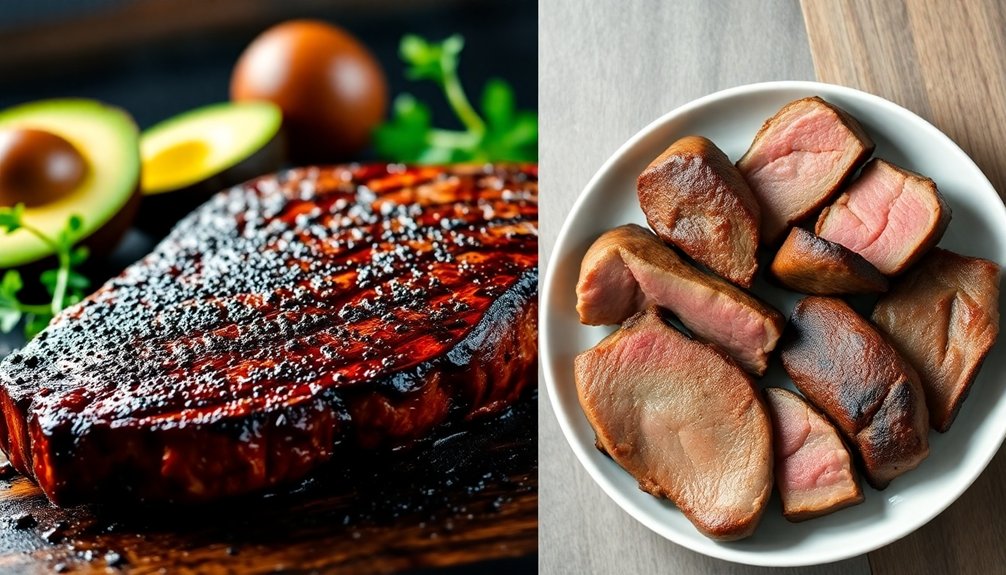
If you’re considering the carnivore diet, you might be intrigued by its potential health benefits. This diet, rich in protein, may help you achieve rapid weight loss and increased satiety.
Here are some key advantages:
- Improved autoimmune conditions: By eliminating plant-based triggers, many report reduced inflammation.
- Enhanced mental clarity: Followers often experience clearer thinking as their bodies shift to burning fat for energy.
- Better digestive health: Avoiding fibrous foods can alleviate digestive issues and promote gut comfort.
With its straightforward approach, you won’t need to count calories or plan complex meals. Additionally, enhanced insulin sensitivity is often observed as a result of high protein intake, which may further support overall metabolic health.
The carnivore diet might just offer the health benefits you’re looking for while simplifying your eating routine.
Health Benefits of the Keto Diet
The keto diet offers impressive health benefits that can transform your well-being. You might find it easier to lose weight, improve blood sugar levels, and boost mental clarity. With these advantages, many people choose keto as a sustainable lifestyle option. Additionally, the ketogenic diet enhances insulin sensitivity, making it beneficial for managing blood sugar levels and improving overall metabolic health.
Weight Loss Success
As you explore weight loss options, the ketogenic diet stands out for its potential to deliver significant results. This keto diet plan reduces carbohydrate intake, prompting your body to burn fat for energy. Research shows you may lose 1.5 to 2.2 times more weight than with low-fat diets.
Consider these benefits of the keto diet in promoting weight loss:
- Decreased hunger and improved satiety, making it easier to stick to your plan.
- Average weight loss of 5-10% over a year, with many maintaining their results.
- Reduction in body fat percentage and waist circumference, enhancing overall health outcomes.
With a balanced intake, the ketogenic diet not only supports your weight loss goals but also fosters potential health improvements.
Improved Blood Sugar
While many diets promise improved health, the ketogenic diet stands out for its remarkable ability to enhance blood sugar control. This dietary approach effectively reduces insulin resistance, helping you manage blood glucose levels more effectively, especially if you have type 2 diabetes.
Studies show that individuals on the keto diet often see fasting blood glucose reductions of 10-30% within weeks. By minimizing carbohydrate intake, the keto diet prevents blood sugar spikes after meals, leading to stable energy levels and fewer cravings for sugary foods.
Additionally, this eating style promotes metabolic flexibility, allowing your body to switch between fat and glucose as energy sources. Long-term adherence can also result in sustained improvements in hemoglobin A1c levels, aiding in overall weight loss.
Enhanced Mental Clarity
How can a shift in your diet lead to sharper thinking? By adopting the ketogenic diet, you might experience enhanced mental clarity through a steady supply of ketones, which fuel your brain more efficiently than glucose.
This approach can stabilize blood sugar levels, reduce inflammation, and improve overall brain health, leading to better cognitive function.
Consider these benefits:
- Improved focus and concentration: Reduced hunger-related distractions help you stay on task.
- Reduced inflammation: Lower inflammation levels can protect against cognitive decline.
- Enhanced mood: Many report feeling less brain fog and improved emotional well-being.
With these factors combined, the ketogenic diet could be your key to revealing a sharper, more focused mind.
Potential Drawbacks of the Carnivore Diet
Although the carnivore diet offers a unique approach to nutrition, it comes with several potential drawbacks that shouldn’t be overlooked.
One major concern is nutrient deficiencies, as the exclusion of plant-based foods cuts off essential vitamins and minerals. The high saturated fat intake can raise LDL cholesterol levels, potentially increasing your risk of cardiovascular diseases over time.
Additionally, the lack of dietary fiber often leads to digestive issues like constipation. Long-term adherence might also expose you to health risks such as kidney stones and gout due to high protein consumption. Furthermore, the restrictive nature of this diet poses sustainability challenges, making it difficult for many individuals to stick with it in the long run, especially when considering the anti-inflammatory effects of more varied diets like keto.
Finally, the restrictive nature of this diet poses sustainability challenges, making it difficult for many individuals to stick with it in the long run.
Potential Drawbacks of the Keto Diet
While the keto diet may offer weight loss benefits, it also comes with potential drawbacks you should consider.
You might face nutrient deficiencies due to limited food choices, and the initial shift can lead to uncomfortable symptoms like fatigue and digestive issues. Additionally, high-fat diets can sometimes lead to increased inflammation levels if not balanced with anti-inflammatory foods.
Plus, sticking to such a restrictive diet can make social eating challenging and impact your long-term sustainability.
Nutrient Deficiencies Risks
As you embrace the ketogenic diet, it’s important to be aware of potential nutrient deficiencies that can arise from its restrictive nature.
Since keto limits many food groups, you might miss out on significant vitamins and minerals, which can impact your health goals.
Consider the following risks:
- Insufficient intake of vitamins A, C, K, and B vitamins, primarily found in plant-based foods.
- Low fiber consumption, leading to digestive issues due to a lack of fruits and vegetables.
- Deficiencies in necessary micronutrients like magnesium and potassium, crucial for muscle function.
Regular monitoring and possible supplementation, as advised by your healthcare provider, can help you maintain balanced nutrient intake while following a keto lifestyle.
Initial Digestive Discomfort
When you start the keto diet, you might notice some initial digestive discomfort, which is a common response to the significant changes in your eating habits.
This discomfort can manifest as constipation or diarrhea, often due to reduced fiber intake from fruits and vegetables. The abrupt cut in carbohydrates can lead to gastrointestinal issues as your body adjusts to burning fat instead of glucose.
Some people even experience “keto flu,” featuring symptoms like nausea and fatigue.
To alleviate these issues, stay hydrated and gradually increase your fat intake while monitoring fiber sources.
Typically, digestive symptoms improve within a few weeks, but if problems persist, consulting a healthcare professional for dietary adjustments might be necessary.
Sustainability Challenges
Adjusting to the keto diet can bring about initial digestive discomfort, but sustainability challenges may arise as you continue.
The restrictive nature of keto can make it tough to stick with over time, leading to potential health effects. Here are some key concerns:
- Limited food choices: You might miss out on essential nutrients found in fruits and vegetables, impacting your overall nutritional needs.
- High-fat content: Maintaining a high-fat intake can be difficult, leading to cravings and possibly a return to higher carbohydrate foods.
- Weight regain: Many struggle with long-term adherence, which often results in weight regain or other health issues.
Navigating these challenges is vital for successfully maintaining the keto lifestyle.
Determining the Right Diet for Your Health Goals
How do you know which diet is best for your health goals? Start by considering your specific objectives.
If you’re aiming for weight loss or improved metabolic health, a ketogenic diet might be your best bet. However, if you’re dealing with autoimmune issues or severe inflammation, the carnivore diet could be beneficial.
For weight loss and metabolic health, consider the ketogenic diet; for autoimmune issues, the carnivore diet may be advantageous.
Think about your dietary preferences and lifestyle, as the ketogenic diet offers more variety, making it easier to stick with. Additionally, the ketogenic diet can lead to reduced insulin production, which is particularly advantageous for those managing blood sugar levels.
Don’t forget to assess potential nutrient intake; ketogenic diets provide essential vitamins through low-carb vegetables, while the carnivore diet may lack fiber.
Before making significant changes, consult healthcare professionals to verify your choice aligns with your health needs and goals.
Your well-being should always come first.
Practical Tips for Starting Your Chosen Diet
Starting your chosen diet can feel overwhelming, but with some preparation, you can set yourself up for success. Here are a few practical tips to get you started:
- Educate yourself on the fundamentals of your diet, focusing on sugar reduction for keto, or high-quality meats for carnivore.
- Meal planning is essential; make sure you include nutrient-dense foods, whether it’s low-carb vegetables for keto or a variety of meats for carnivore.
- Stay hydrated and monitor your progress; adjust your intake based on how your energy levels and overall health respond. Additionally, understanding how ketosis boosts weight loss can motivate you to stick with your diet plan.
Conclusion
So, whether you’re dreaming of bacon and steak or counting carbs like a math whiz, both the carnivore and keto diets have their allure. Ironically, you might find yourself longing for a single carrot while indulging in ribeye heaven or wishing for a slice of bread while meticulously measuring avocado. Ultimately, the right diet isn’t about what you can’t have; it’s about what fuels your body best. Choose wisely, and enjoy the delicious paradox!