Last updated: · By Emma Collins
If you have had your gallbladder removed and you follow a ketogenic diet, you can usually keep eating keto, but you will likely need to adjust how much fat you eat at one time, how you spread it across the day, and which fats you choose. Your gallbladder stored bile and released it in measured doses after meals. Without it, bile flows steadily from the liver into the small intestine, so large fatty meals can overwhelm your digestion and lead to loose stools, cramping, or gas. The good news is that most people can build a workable keto routine by increasing fat slowly and paying close attention to how their body responds.
Key Takeaways
- Many people can continue keto after gallbladder removal, but usually need to adjust how much fat they eat at one time, how they spread it across the day, and which fats they choose.
- Without a gallbladder, bile flows into the intestine continuously rather than being released after meals, so large fatty meals can overwhelm digestion and cause loose stools, cramping, or gas.
- Start with small fat additions, such as about 1 tablespoon of olive oil per meal, wait a few days between increases, and record how each change affects your symptoms.
- Spread fat across several smaller meals instead of one large dinner, since smaller, more frequent fatty meals are generally easier to digest.
- Contact your doctor promptly for diarrhea lasting more than a few weeks, signs of dehydration, unintended weight loss, blood in stool, or fever with yellowing skin or severe abdominal pain.
What Changes in Your Digestion Without a Gallbladder
Without a gallbladder, your body no longer has a reservoir that concentrates bile and releases it when you eat a fatty meal. Bile still gets made, but it drips into the intestine more continuously. That can mean less bile is available at the exact moment a high-fat meal arrives, which is one reason fatty foods are more likely to cause problems. Many people notice this most in the first few weeks to months after surgery.
Research supports the idea that changes in bile acids can cause symptoms after gallbladder removal, but the picture is not uniform. In a five-centre audit published in the World Journal of Surgery study on bile acid diarrhoea after cholecystectomy, 62.8% of patients who were tested for diarrhoea with the SeHCAT test were diagnosed with bile acid diarrhoea. That is a striking number, but it applies only to patients who were tested because they already had symptoms, so it likely overstates how common this is across everyone who has surgery.
Why Diarrhea Happens After Gallbladder Removal
When extra bile acids reach the colon, they can pull water into the bowel and speed up transit. A prospective case-control study in BMC Gastroenterology on bile acid diarrhoea and metabolic changes after cholecystectomy found that lower gallbladder PPARα concentrations were correlated with looser stools, as measured on the Bristol stool chart. The study shows an association, not proof of cause, and the sample size was modest, so it should be read as one piece of a developing picture.
An older report in the Archives of Internal Medicine on bile acid-mediated postcholecystectomy diarrhea described eight patients with chronic diarrhea after gallbladder removal. Six had elevated stool bile acids and responded dramatically to cholestyramine resin, a prescription bile acid binder. Eight patients is far too few to draw broad conclusions, but it illustrates why persistent diarrhea deserves a medical evaluation rather than just dietary guessing.
How to Start Keto After Gallbladder Removal Safely
A keto diet after gallbladder removal works best when you treat fat intake as something you build up over time, not something you switch on all at once. Most keto plans call for a large share of calories from fat, which can be a sharp change if you were eating a higher-carbohydrate diet before surgery. Starting gradually gives you a chance to learn your personal tolerance before symptoms become a problem.
- Start with small additions of fat, such as about 1 tablespoon of olive oil or a quarter of an avocado per meal, and keep everything else in your meal familiar.
- Wait a few days between increases, and record how each change affects your stools, cramping, bloating, and energy.
- If you have loose stools or cramping, step back to the last amount that felt comfortable and hold there for a week before trying again.
- Spread fat across several meals instead of loading one large dinner. Smaller, more frequent fatty meals are generally easier to digest than a single heavy one.
- Only build toward a full keto fat intake if you are tolerating the earlier steps well. If you are not, talk with your doctor or a registered dietitian before continuing to add fat.
For a broader look at fat intake strategies in this situation, see our guide to keto diet with no gallbladder and safe fat intake strategies. It covers how to pace fat increases in more detail.
Choosing the Right Fats for Your Meals
Not all fats affect digestion the same way. The National Institute of Diabetes and Digestive and Kidney Diseases (NIDDK) notes that olive oil and fish oil can help the gallbladder contract and empty regularly, and advises limiting fats found in fried foods and desserts. Those recommendations were written for people who still have a gallbladder, so they are not a direct guide for life after surgery, but the general principle of choosing less heavily processed fats and avoiding greasy, fried foods applies well to most people following keto.
The table below summarizes common keto fats and how they are usually handled during recovery. Individual tolerance varies, so use it as a starting point rather than a rule.
| Fat source | Typical digestion notes | Practical approach |
|---|---|---|
| Olive oil | Monounsaturated fat that many people tolerate well in modest amounts | Start with 1 tablespoon per meal and increase slowly |
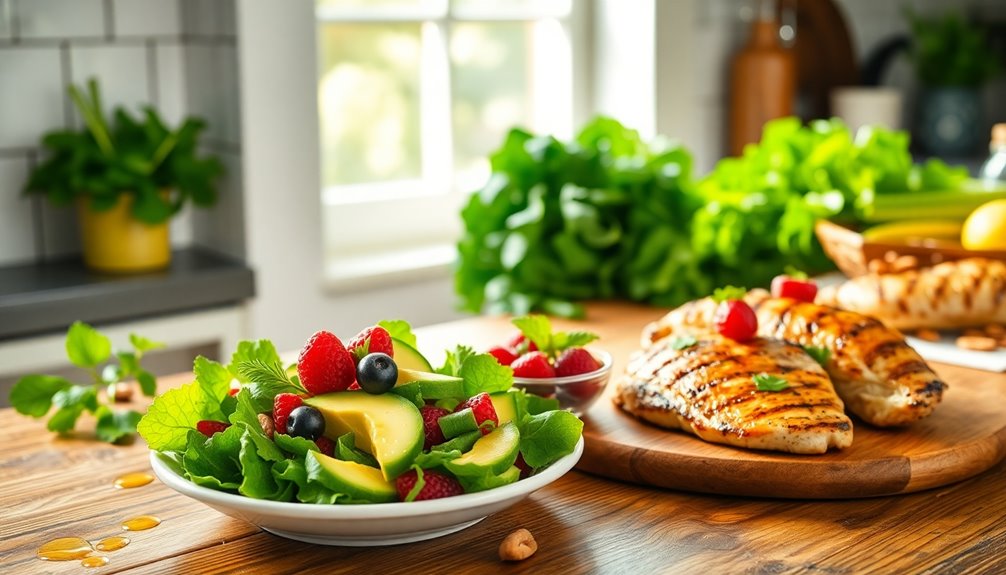
| Avocado | Fat is paired with fiber, which can help slow digestion | Try a few slices or a quarter of a fruit before increasing |
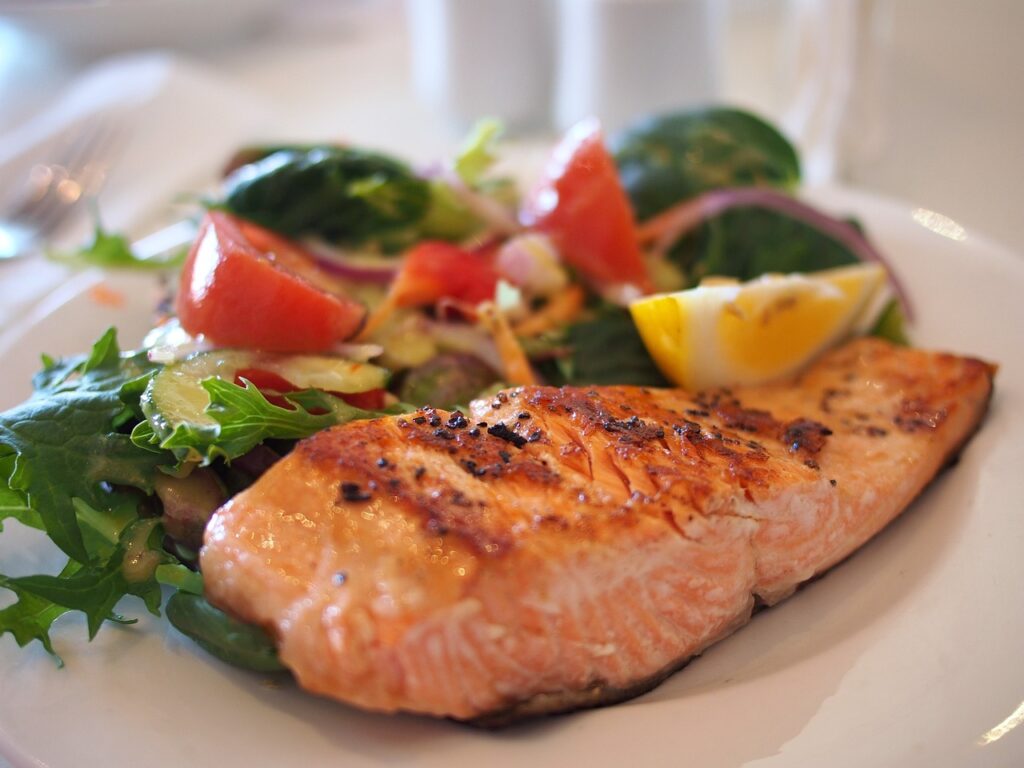
| Fatty fish (salmon, sardines) | Provides omega-3 fats and protein; usually well tolerated | Good option for regular meals; cook with minimal added fat |
| MCT oil | Medium-chain fats are absorbed more directly and rely less on bile, but large amounts can still cause diarrhea | Begin with 1 teaspoon and build up only if well tolerated |
| Red meat and full-fat dairy | Higher in long-chain saturated fats, which many people find harder to digest after surgery | Limit portions and pair with lower-fat foods |
| Fried foods and rich desserts | Large loads of fat at once are the most common trigger for symptoms | Avoid or keep very small, especially early in recovery |
MCT oil is often recommended for people without a gallbladder, and it is true that medium-chain fats do not need bile in the same way long-chain fats do. However, that does not make it harmless. Taking too much at once can cause cramping and diarrhea, so it is best added slowly and not used as a way to fit in large amounts of fat quickly.
If you find that certain foods consistently trigger symptoms, our article on the gallbladder and keto diet and why high fat can be a problem explains which patterns to watch for and how to adjust.
Meal Structure and Timing on Keto
Meal structure matters as much as the fats you choose. Many people do better with smaller meals spread through the day, sometimes with a larger meal earlier when digestion is more predictable. There is no published study that defines a single ideal meal schedule after gallbladder removal, so treat any specific pattern as a trial to test against your own symptoms.
Use this checklist to build meals that are easier to digest:
- Include a moderate amount of protein at each meal to support fullness and muscle maintenance.
- Add non-starchy vegetables and small amounts of soluble fiber, such as chia seeds or cooked vegetables, to help firm stools and support regularity.
- Keep fat portions consistent from meal to meal so you can tell which amounts are tolerable.
- Avoid eating a very large, fatty meal late at night, which can make symptoms harder to predict.
- Drink enough water, especially if you have diarrhea, to limit dehydration.
Simple, repeatable meals make this easier. If you want ideas that are quick to prepare and easy to portion, browse our collection of one-pot keto meals for quick cooking, then adjust the fat in each recipe to match your tolerance.
Supplements, Bile, and Digestive Enzymes: What the Evidence Shows
Many online sources suggest ox bile, digestive enzymes, or bile-stimulating foods such as lemon, ginger, or artichokes to help people without a gallbladder. The evidence for these approaches is limited. The studies cited in this article do not test ox bile or enzyme supplements in people after gallbladder removal, so we cannot say they reliably prevent or treat symptoms. Supplements are also not regulated for effectiveness and safety in the same way prescription medicines are.
The one treatment with direct support in the research above is a prescription bile acid binder. In the small Archives of Internal Medicine series, cholestyramine helped patients with elevated stool bile acids. That is a medical treatment that requires a diagnosis and a prescriber, so if you think you have bile acid diarrhea, ask your doctor whether testing or a trial of that medication makes sense. Do not start a bile supplement or a bile acid binder on your own, because some medications can interfere with absorption of other drugs and vitamins if taken at the wrong time.
When to Contact Your Doctor
Mild, short-lived changes in digestion are common, but some symptoms need professional care. Contact your doctor or surgeon promptly if you notice any of the following:
- Diarrhea that lasts more than a few weeks, or that keeps returning despite dietary changes
- Signs of dehydration, such as dizziness, very dark urine, or unusual thirst
- Unintended weight loss, or inability to keep food down
- Blood in your stool, black stools, or ongoing rectal bleeding
- Fever, yellowing of the skin or eyes, or severe abdominal pain, which can signal a complication and need urgent evaluation
Because keto diets change how you eat in several ways at once, it is also wise to discuss your plan with your doctor if you take medications for diabetes or blood pressure, if you have kidney or liver disease, or if you are pregnant or breastfeeding. A registered dietitian can help you design a version of keto that meets your nutrient needs without relying on high fat loads your digestion cannot handle.
Frequently Asked Questions
Can You Do Keto After Gallbladder Removal?
Many people can follow a keto diet after gallbladder removal, but it usually requires adjusting how much fat you eat at once. Starting with small amounts and increasing gradually gives you a better chance of tolerating the diet. If you have ongoing diarrhea, pain, or other symptoms, check with your doctor before continuing.
Why Does Keto Make Me Have Diarrhea Without a Gallbladder?
Without a gallbladder, bile flows into the intestine continuously instead of being released in response to meals, so a large fatty meal may not be digested as efficiently. Some people also have bile acid diarrhea, where excess bile acids reach the colon and draw water into the stool. Diarrhea that persists should be evaluated, since it can have other causes.
Is MCT Oil Safe After Gallbladder Removal?
MCT oil is often considered easier to digest than long-chain fats because it does not depend as heavily on bile. However, taking large amounts can still cause cramping and diarrhea. Start with a small dose, such as 1 teaspoon, and increase only if you tolerate it well. Ask your doctor if you have other digestive conditions.
Should I Take Ox Bile or Digestive Enzymes?
The evidence that ox bile or digestive enzymes help people after gallbladder removal is limited, and the studies that describe effective treatment for bile acid diarrhea used a prescription medication rather than supplements. Supplements are not tightly regulated, so quality varies. Talk with your doctor before taking any supplement, especially if you take other medications.
How Long Does It Take to Adjust to Keto Without a Gallbladder?
Adjustment time varies widely. Some people settle into a comfortable routine within several weeks, while others take a few months or have symptoms that persist longer. Track your meals and symptoms in a food diary so you can see patterns. If symptoms are not improving over time, medical evaluation is the next step.
Conclusion
Keto diet after gallbladder removal is possible for many people, but success depends on pacing your fat intake, choosing fats your body tolerates, and spreading meals across the day. Start small, record how you feel, and increase only when your digestion is steady. Supplements are not a substitute for a careful plan, and persistent diarrhea or warning signs should prompt a conversation with your doctor. With a gradual approach and professional guidance when needed, you can build a keto routine that works for your body.
This article is for informational purposes only and is not medical advice. Talk to your doctor or a registered dietitian before changing your diet, especially if you have a medical condition or take medication. Read our medical disclaimer and editorial policy.