On a Keto diet, you might face digestive issues like diarrhea and constipation due to increased fat intake and reduced fiber consumption. Constipation often stems from low fiber, while diarrhea can result from fat malabsorption. Hydration and electrolytes play vital roles in maintaining digestive health. If you experience persistent symptoms, it’s important to monitor your diet closely. You’ll discover effective strategies to manage these issues as you explore more in this topic.
Understanding Keto Diet Digestive Issues
When you switch to a keto diet, you might find that digestive issues can arise, primarily due to the drastic reduction in carbohydrates and fiber. This drop can lead to constipation, as your stool lacks adequate bulk. Additionally, your body may struggle with the increased fat intake, causing diarrhea in some cases. Changes in gut health and microbiota also play a role, as your digestive system adapts to the new diet. Insufficient hydration and imbalances in electrolytes, particularly potassium and magnesium, can further exacerbate constipation. Plus, be cautious with sugar alcohols found in low-carb snacks, as they can cause gastrointestinal distress for some. Staying aware of these factors can help you navigate the digestive challenges of the keto diet. Furthermore, proper hydration is crucial in maintaining regular digestion and preventing constipation.
Common Causes of Keto Constipation
Digestive issues like constipation can be a common hurdle for those on the keto diet, and understanding the underlying causes is key to finding relief.
One main keto diet cause is the drastic reduction in fiber intake, leading to inadequate stool bulk. The low carb nature of the diet often means fewer fiber-rich foods, which can negatively impact your gastrointestinal (GI) tract.
A significant factor in keto-related constipation is the drastic cut in fiber intake, impacting GI health.
Additionally, the high fat content can be tough to digest, especially if you lack sufficient fat-digesting enzymes.
Dehydration, a frequent issue on keto, can also contribute to harder stools and constipation.
Finally, dietary changes can disrupt your gut microbiome, affecting your bowel movements per week and exacerbating constipation. Furthermore, the anti-inflammatory effects of the keto diet may alter digestive function, which can also play a role in constipation.
How High Fat Intake Affects Digestion
High fat intake can greatly impact your digestion, especially when shifting to a keto diet. As you increase fat consumption, your body might struggle to keep up, leading to fat malabsorption and diarrhea.
Extra bile production from your liver can overwhelm your digestive system, resulting in gastrointestinal symptoms like discomfort.
Consider these key points:
- Your gut microbiome may take time to adjust to a high-fat diet.
- Electrolyte imbalances, particularly low potassium and magnesium, can worsen digestive issues.
- Rapid dietary changes can disrupt normal digestion, causing diarrhea.
- Some people may find it hard to digest fats initially, leading to more digestive discomfort.
- Incorporating anti-inflammatory foods into your meals can improve overall digestive health.
Understanding these factors can help you manage your keto journey better.
The Role of Fiber in Gut Health
While many focus on fat intake in a keto diet, the role of fiber is equally essential for maintaining gut health. Insufficient fiber intake can lead to gastrointestinal issues, especially constipation, which is common on low-carb diets.
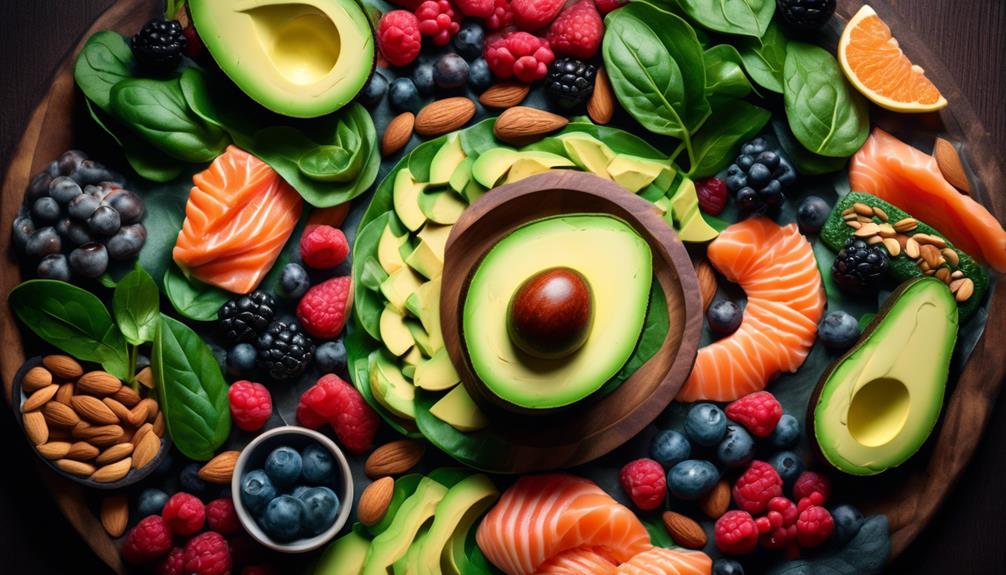
The recommended daily fiber intake is 25 grams for women and 38 grams for men, yet many find it challenging to meet these needs on a keto plan. Incorporating high-fiber foods like nonstarchy vegetables, avocados, nuts, and seeds can greatly boost your fiber intake. Additionally, including leafy greens and nutrient-dense ingredients in your meals can further enhance your fiber consumption.
If you’re struggling, consider fiber supplements like chia seeds or ground flaxseed to support your digestive health. Prioritizing fiber can help promote regular bowel movements and mitigate constipation, ensuring your keto journey is more comfortable.
Identifying Triggers for Diarrhea on Keto

Here are some common culprits:
- A sudden increase in fat intake can overwhelm your digestive system.
- Sugar alcohols, like maltitol and xylitol, may cause gastrointestinal upset for sensitive individuals.
- Rapid dietary changes can disrupt your gut microbiome, leading to diarrhea.
- If you have lactose intolerance, increased dairy consumption on a high-fat, low-carb diet might exacerbate diarrhea.
Additionally, maintaining stable blood sugar levels can support overall gut health and reduce gastrointestinal issues.
Be mindful of these factors, as they can greatly impact your overall experience on the keto diet and help you maintain a healthier gut.
Managing Gastrointestinal Symptoms Effectively
Managing gastrointestinal symptoms on the keto diet starts with what you eat and drink. Focus on incorporating fiber-rich foods while staying hydrated to keep your digestive system happy. Don’t forget to monitor your electrolytes, as balance is key to preventing discomfort. Additionally, incorporating healthy fats can further support digestive health and improve overall nutrient absorption.
Fiber-Rich Food Choices
To effectively manage gastrointestinal symptoms on the keto diet, incorporating fiber-rich food choices is key. High fiber foods help promote healthy bowel movements and prevent constipation.
Focus on adding non-starchy vegetables like broccoli, spinach, and kale to your meals. Don’t forget about avocados and nuts; they provide healthy fats while boosting fiber intake.
Consider these fiber-rich options:
- Chia seeds
- Flaxseeds
- Fermented foods like sauerkraut and kimchi
- Non-starchy vegetables
These choices support digestive health and can mitigate gastrointestinal issues.
Hydration and Electrolyte Balance
Incorporating fiber-rich foods is just one piece of the puzzle when it comes to gastrointestinal health on the keto diet. Proper hydration and electrolyte balance are equally essential.
Aim for 91 oz of fluid intake daily if you’re a woman and 125 oz if you’re a man. Dehydration can worsen constipation and other digestive issues.
Make sure to replenish electrolytes, particularly sodium and potassium, to prevent gastrointestinal symptoms like diarrhea and hard stools. Salt helps your body retain water, while magnesium draws water into the stool, easing bowel movements.
Regularly monitor your hydration and consider electrolyte supplements, such as LMNT, to support digestive health and keep your body functioning effectively on keto.
The Importance of Hydration and Electrolytes
While following a ketogenic diet, staying properly hydrated and maintaining electrolyte balance is essential for your overall well-being. Adequate hydration helps soften stools and promotes regular bowel movements, reducing the risk of constipation linked to low-fiber intake.
You should aim for 91 oz of fluid intake daily if you’re a woman and 125 oz if you’re a man.
To maintain ideal hydration and electrolyte balance, consider these tips:
- Drink plenty of water to replace lost fluids.
- Supplement with sodium, potassium, and magnesium to prevent cramps and fatigue.
- Monitor your body’s response to hydration and adjust as needed.
- Pay attention to signs of dehydration like dizziness or headaches. Additionally, electrolyte management is crucial on a keto diet to support hydration and overall well-being.
Probiotics and Gut Microbiota on a Keto Diet
How can you maintain a healthy gut while following a ketogenic diet? Incorporating probiotics is key to supporting your gut health and improving digestion during this dietary shift.
Regular intake of strains like Lactobacillus can help alleviate common issues like diarrhea and constipation often experienced on a keto diet. Fermented foods such as sauerkraut, kimchi, and yogurt serve as excellent sources of natural probiotics, enhancing your gut microbiome. Additionally, dairy’s impact on ketosis can vary, so it’s important to monitor your intake of dairy products to ensure they support your overall gut health.
As you make dietary changes, it’s vital to balance your microbial populations, and probiotics can play a significant role in this process. For ideal effectiveness, aim to include probiotics daily in your routine to guarantee your gut remains happy and healthy throughout your keto journey.
When to Seek Medical Attention for Digestive Problems
Maintaining gut health is important, but sometimes digestive problems can arise, especially when adjusting to a ketogenic diet.
It’s essential to recognize when to seek medical attention for digestive issues. If you experience any of the following symptoms, don’t hesitate to consult a healthcare provider:
- Severe diarrhea lasting more than a week, which may indicate an underlying health issue.
- Persistent or painful constipation lasting beyond three weeks.
- Blood in your stool, as this can signal serious conditions.
- Severe abdominal pain that doesn’t go away.
Monitoring your symptoms during dietary adjustments is critical. Chronic inflammation can exacerbate digestive issues, making it important to address any discomfort promptly.
Ongoing discomfort should prompt a visit to your healthcare provider to guarantee your health remains a priority while managing the keto diet.
Conclusion
In summary, steering through the digestive challenges of a keto diet can feel intimidating, but remember, “an ounce of prevention is worth a pound of cure.” By understanding how high fat intake, fiber, hydration, and probiotics play a role in your gut health, you can tackle issues like constipation and diarrhea more effectively. Stay mindful of your body’s signals, adjust your diet as needed, and don’t hesitate to seek help if problems persist. Your gut will thank you!