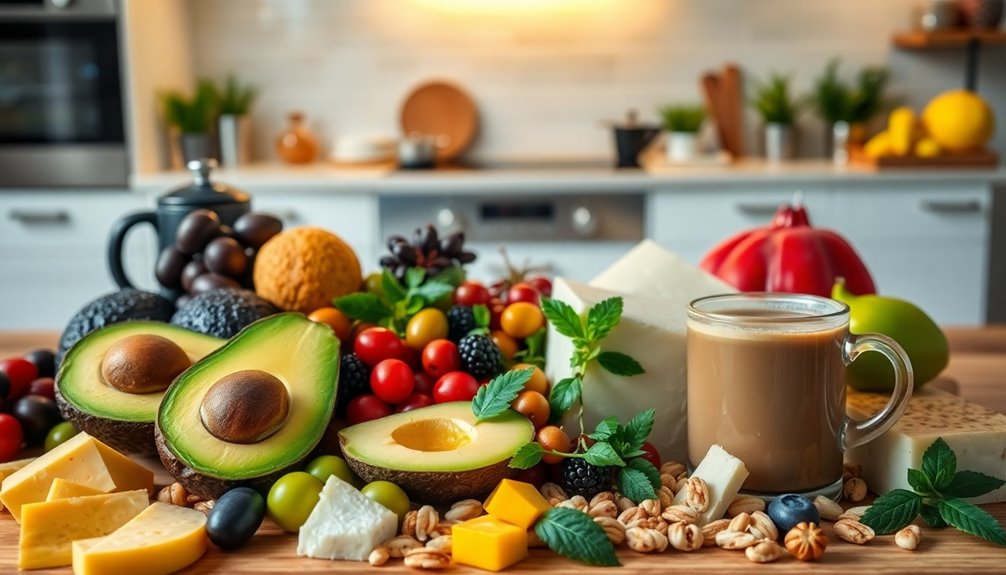

Clean Keto is all about achieving ketosis while focusing on nutrient-dense, whole foods. You’ll limit carbs to under 50 grams daily and prioritize healthy fats from sources like avocados, olive oil, and grass-fed meats. This approach not only helps with weight management but also supports gut health and overall well-being. Avoid processed foods to enhance your diet quality. If you want to learn how to shift to this lifestyle effectively, there’s more to explore.
What Is Clean Keto?
Clean Keto is a health-oriented dietary approach that focuses on whole, nutrient-dense foods while keeping your carbohydrate intake below 50 grams per day to help you achieve and maintain ketosis.
Clean Keto emphasizes whole, nutrient-dense foods while limiting carbs to under 50 grams daily for effective ketosis.
This diet prioritizes high-quality fats, making up at least 75% of your daily calorie intake. You’ll source these fats from options like grass-fed beef, wild-caught fish, avocados, and olive oil.
Clean Keto encourages incorporating low-carb vegetables, such as broccoli and spinach, to boost your micronutrient intake. Additionally, including healthy fats like avocado and olive oil can enhance overall health while on a keto diet.
Unlike Dirty Keto, it promotes home-cooked meals with whole ingredients, steering clear of processed foods filled with additives.
Importance of Clean Keto
Prioritizing whole, nutrient-dense foods in your diet offers numerous health benefits that go beyond simply achieving ketosis.
Embracing clean keto can transform your lifestyle in several ways:
- Improved Gut Health: Focusing on high-quality foods helps maintain a balanced gut microbiome, which can enhance your mood and immunity.
- Sustainable Weight Management: By emphasizing healthy fats and low-carb vegetables, you’ll feel fuller longer, naturally reducing your overall food intake.
- Long-term Health: Clean keto encourages a sustainable lifestyle, promoting better long-term health outcomes compared to processed options that often lead to nutrient deficiencies. Additionally, incorporating anti-inflammatory foods into your clean keto diet can further enhance your overall well-being.
Incorporating clean keto principles into your routine not only supports your weight goals but also fosters overall health and well-being.
Macronutrient Focus and Nutritional Quality
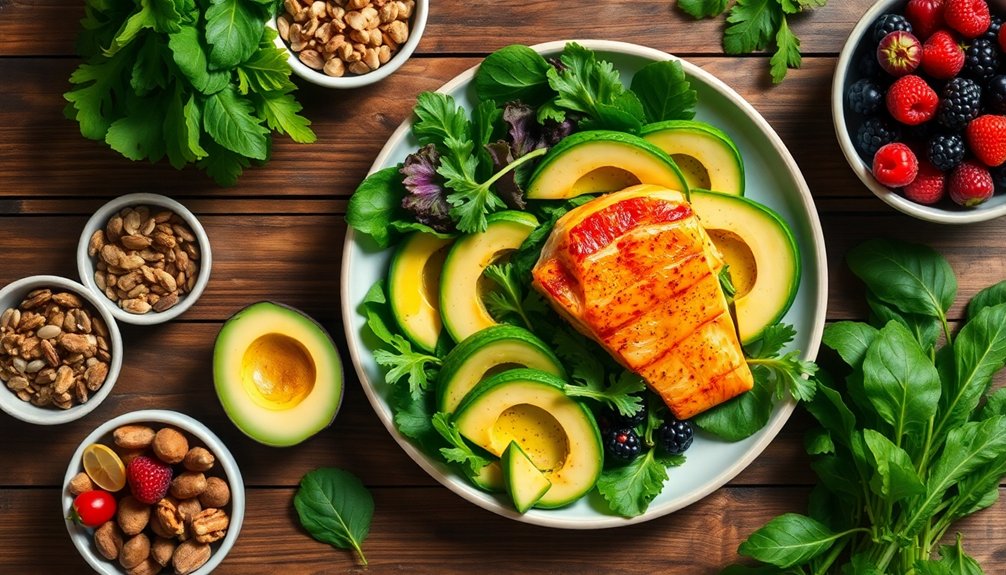
When you follow Clean Keto, focusing on macronutrient balance is essential for success. It’s not just about cutting carbs; prioritizing the quality of your food guarantees you’re fueling your body with nutrient-dense options. Additionally, a well-planned diet can enhance muscle recovery and inflammation reduction, supporting overall performance and health.
Importance of Macronutrient Balance
Achieving the right macronutrient balance is essential for anyone looking to succeed on the Clean Keto diet. This balance typically consists of around 75-80% healthy fats, 15-20% protein, and 5-10% carbohydrates.
Here are three key points to remember:
- Focus on nutrient-dense foods like avocados, olive oil, and grass-fed meats for healthy fats.
- Incorporate a variety of low-carb vegetables to boost your intake of essential vitamins and stabilize blood sugar levels.
- Maintain adequate protein intake to support overall health and promote long-term adherence to your diet.
Quality Over Quantity
While many diets focus on macronutrient ratios, Clean Keto takes it a step further by emphasizing the quality of the foods you consume. By prioritizing whole foods, you guarantee a low carbohydrate intake while maximizing essential nutrients.
Nutrient-dense options like grass-fed meats, wild-caught fish, and non-starchy vegetables not only support ketosis but also enhance your overall health, digestion, and energy levels. Clean Keto encourages healthy fats from sources such as avocados and olive oil, steering clear of unhealthy industrial oils.
This focus on food quality promotes a sustainable approach to weight management, helping you feel full longer and reducing cravings. Ultimately, Clean Keto supports long-term adherence, making it easier to achieve your health goals.
8 Tips to Eat Clean on Keto
To eat clean on keto, focus on incorporating whole foods into your meals. Swap out processed items for nutrient-dense options like grass-fed meats and fresh vegetables. Also, choose healthy fats such as olive or avocado oil to support your health goals. Incorporating healthy fats into your diet is essential for maintaining ketosis and promoting overall well-being.
Whole Foods Focus
Embracing a Clean Keto lifestyle means prioritizing whole, nutrient-dense foods that nourish your body.
To stay on track with clean keto foods, focus on these tips:
- Choose high-quality sources: Opt for grass-fed meats, wild-caught fish, and organic vegetables to maximize your nutrient intake.
- Incorporate low-carb vegetables: Fill your plate with broccoli, spinach, and zucchini to provide essential vitamins and minerals that support your health.
- Prepare homemade meals: Avoid processed foods and their harmful additives by cooking at home, ensuring your meals are fresh and wholesome.
Healthy Fats Selection
Selecting healthy fats is essential for achieving the benefits of a Clean Keto diet, as the right fats can enhance your health and support ketosis.
Focus on monounsaturated and polyunsaturated fats from sources like avocados, olive oil, and nuts, which are anti-inflammatory and healthier than processed fats. Avoid industrial oils such as canola and soybean, as they can increase inflammation.
Instead, incorporate grass-fed animal fats, which offer a superior nutrient profile and higher Omega-3 content. Don’t forget to use coconut oil, particularly C8 MCT oil, for a quick energy source that supports ketosis effectively.
Limiting processed and packaged fats will help you stay aligned with your health goals on a Clean Keto journey.
Meal Planning Strategies and Benefits of Home Cooking
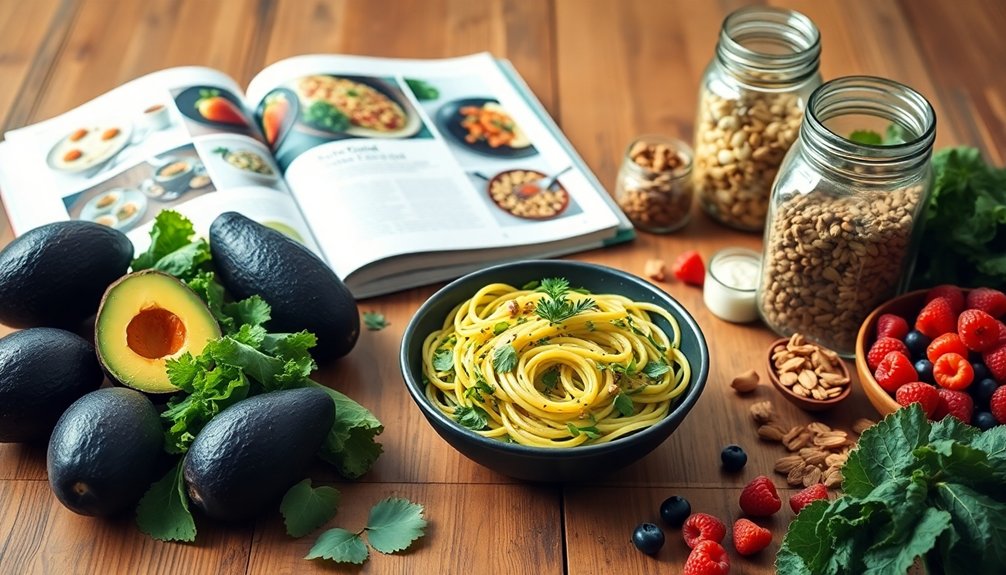
When you plan your meals in advance, you set yourself up for success on the clean keto journey. Meal planning allows you to prepare clean keto meals that align with your goals, reducing reliance on fast food.
Planning your meals ahead of time is key to thriving on the clean keto journey, helping you stay focused and avoid fast food temptations.
Here are three powerful strategies to enhance your meal prep:
- Batch Cooking: Make multiple meals at once to save time and money, ensuring you have nutritious foods ready when hunger strikes.
- Ingredient Quality: Focus on high-fat foods and fresh ingredients in your home cooking to control what goes into your meals.
- Keto-Friendly Snacks: Stock up on options like hard-boiled eggs and nuts, keeping convenient choices available for busy days. Additionally, prioritizing quality ingredients can improve insulin sensitivity and enhance your overall metabolic health while on a ketogenic diet.
Quick and Simple Keto Meals
Planning meals ahead is a great way to stay on track, but sometimes you need quick options that fit into your busy life. Quick and simple keto meals can be whipped up in under 30 minutes, focusing on high-fat protein sources like salmon, eggs, and grass-fed beef paired with non-starchy vegetables such as spinach or zucchini.
A delicious salad featuring leafy greens, avocado, and your choice of protein, drizzled with healthy fats like olive oil, makes for a nutrient-dense meal. Utilizing pre-cooked items, like rotisserie chicken or canned tuna, streamlines meal preparation. Incorporating keto-friendly ingredients into your meals can enhance flavor while keeping your carb intake low.
Batch cooking egg muffins or low-carb casseroles can guarantee you have ready-to-eat meals that adhere to clean keto principles, making your week much easier.
Mindset Shift
To truly embrace a Clean Keto lifestyle, you need to shift your mindset from viewing it as a short-term diet to seeing it as a long-term commitment to your health.
This perspective enhances your overall well-being and helps you avoid nutrient deficiencies.
Here are three key aspects to focus on:
- Food Quality: Prioritize whole, nutrient-dense foods over processed options to support your health.
- Positive Mindset: Cultivate resilience against cravings by reminding yourself of your long-term goals and the benefits of clean eating.
- Supportive Communities: Engage with like-minded individuals who share your Clean Keto journey, providing encouragement and shared knowledge. Additionally, understanding the importance of proper hydration is crucial for maintaining energy levels while on the keto diet.
Staying Informed
Embracing a Clean Keto lifestyle requires continuous learning to stay aligned with your health goals.
To thrive on the ketogenic diet, immerse yourself in research about nutrient-dense foods and their health benefits. Engage with online communities and forums where you can share experiences, recipes, and practical tips with others on the journey.
Subscribing to newsletters or following blogs focused on clean eating can keep you updated on the latest recipes and cooking techniques. Use food tracking apps to monitor your progress and see how different foods impact your energy and well-being.
Additionally, attending workshops or webinars can enhance your meal planning skills, ensuring you consistently adhere to clean keto principles while enjoying delicious meals. Incorporating low-sugar fruits is a great way to maintain stable blood sugar levels and support overall health.
Clean Keto vs. Dirty Keto
When comparing Clean Keto and Dirty Keto, you’ll quickly notice that the fundamental difference lies in food quality. Clean Keto focuses on whole, nutrient-dense foods, while Dirty Keto leans on processed foods, solely emphasizing macronutrient ratios.
Here are three key distinctions:
- Healthy Fats: Clean Keto promotes healthy fats from sources like avocados and olive oil, whereas Dirty Keto often includes unhealthy fats from processed snacks.
- Micronutrient Intake: Clean Keto prioritizes micronutrient intake to prevent nutrient deficiencies, while Dirty Keto may lead to health issues due to a lack of nutrients.
- Long-Term Health Outcomes: Clean Keto is linked to improved digestion and metabolism, while Dirty Keto can increase health risks. Additionally, following a Clean Keto approach can enhance insulin sensitivity due to its focus on nutrient-rich foods.
Transitioning to Clean Keto can enhance your overall health, but do it gradually for better adaptation.
Conclusion
Incorporating clean keto into your lifestyle can transform your health, much like planting seeds in nutrient-rich soil leads to a flourishing garden. By focusing on whole, high-quality foods and mindful eating habits, you’ll not only fuel your body but also enhance your overall well-being. Remember, the journey to wellness is personal, so stay informed and adapt these strategies to suit your needs. Embrace clean keto, and watch your health thrive!