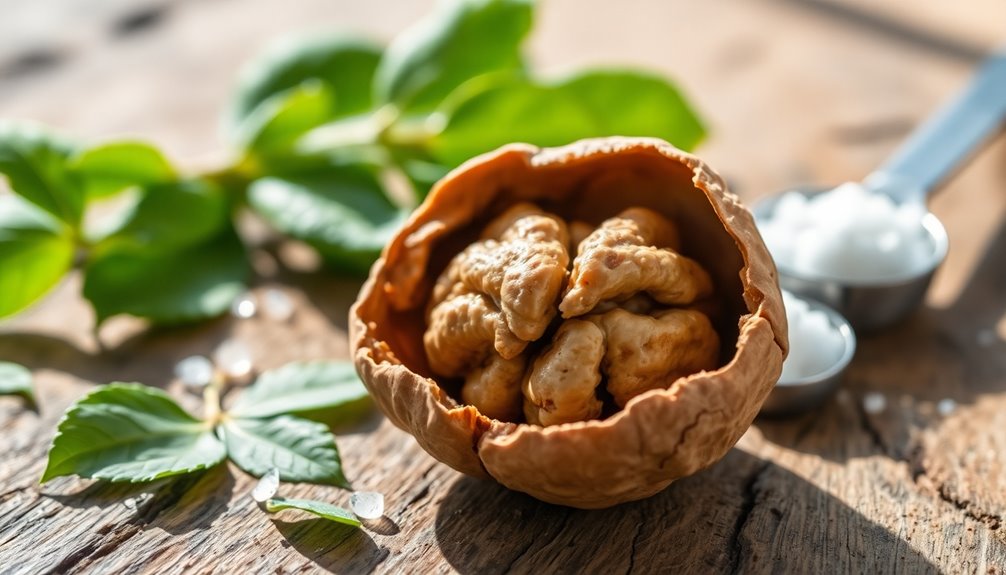
Yes, walnuts are keto-friendly! They have about 4 grams of net carbs per ounce, making them a great low-carb option. Plus, they’re packed with healthy fats and fiber, supporting stable blood sugar levels. Walnuts also have heart-healthy omega-3 fatty acids and antioxidants beneficial for brain health. Just remember to watch your portion sizes, as they’re calorie-dense. If you want to know how to incorporate walnuts into your keto meal plan, keep reading!
Are Walnuts Low in Carbs? Understanding Their Macronutrient Breakdown
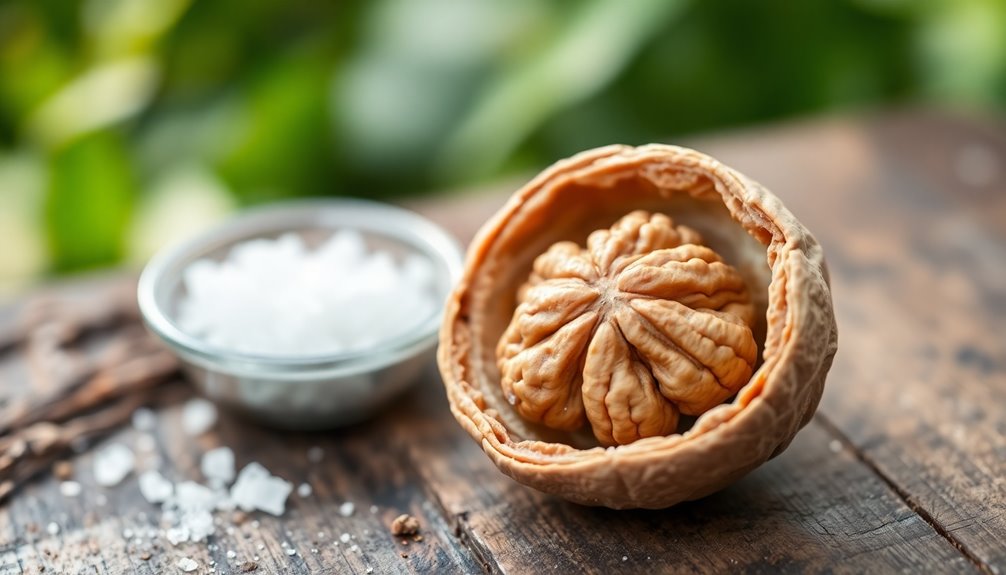
Are you curious about whether walnuts fit into a low-carb diet? You’ll be pleased to know that walnuts are low in carbohydrates, making them a great choice for your keto meals.
With about 4 grams of net carbs per ounce, they’re manageable within your daily carb limit. What’s more, walnuts boast impressive nutrient density, providing essential vitamins and minerals without packing on the carbs. Their high fiber content, around 2 grams per ounce, also helps you feel full longer and supports digestive health. By incorporating walnuts into your diet, you’re not just enjoying a tasty snack; you’re adding a nutritious element that complements your low-carb lifestyle. Furthermore, healthy fats found in walnuts can aid in maintaining stable blood sugar levels.
The Health Benefits of Walnuts for Keto Dieters
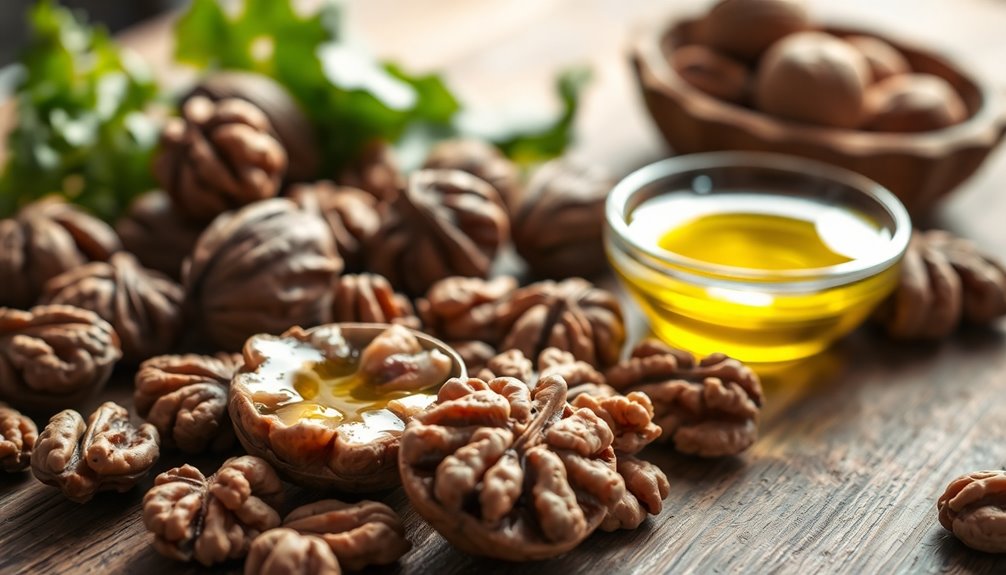
While following a keto diet, you’ll find that walnuts offer a range of health benefits that can enhance your overall well-being.
These nutrient-dense nuts are packed with healthy fats, specifically omega-3 fatty acids, which support heart health and reduce inflammation. Their high antioxidant content also promotes brain health, helping you stay sharp and focused on your keto journey.
Packed with omega-3 fatty acids, walnuts support heart health and brain function, keeping you sharp on your keto journey.
Plus, walnut health extends to improving gut health due to their fiber content, which aids digestion. Incorporating walnuts into your diet can provide sustained energy, keeping you fueled throughout the day. Additionally, consuming walnuts may help lower cholesterol levels, aligning with the benefits of a ketogenic diet for heart health.
With these keto benefits, walnuts not only satisfy your cravings but also contribute to a balanced, healthy lifestyle while you maintain your low-carb goals.
How to Incorporate Walnuts Into Your Keto Meal Plan
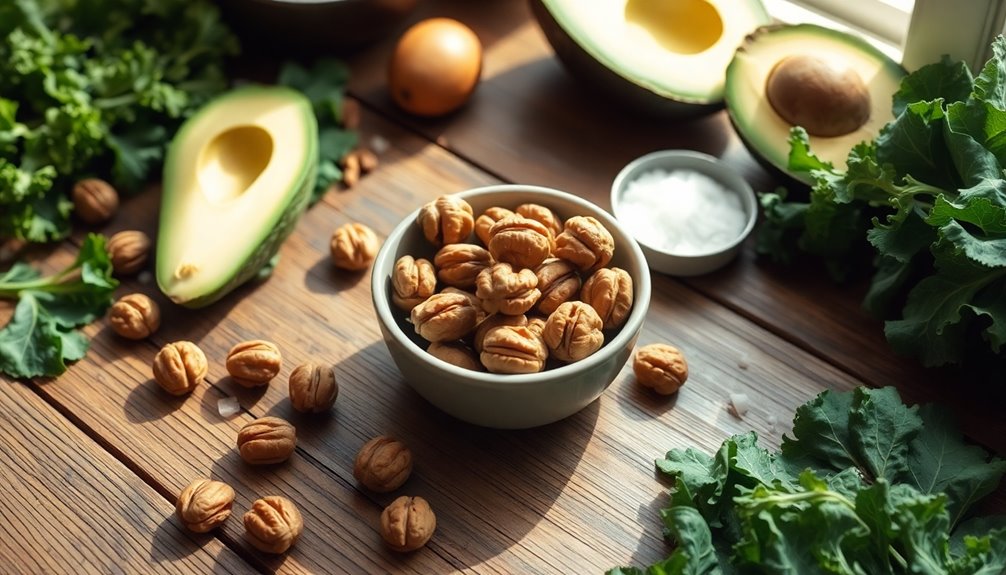
Incorporating walnuts into your keto meal plan is a delicious and straightforward way to boost your nutrient intake.
Start by adding chopped walnuts to your morning omelet or yogurt for added texture and flavor. You can also create easy walnut recipes, like walnut pesto, to enhance your salads or grilled meats.
For quick keto snacks, pair walnuts with cheese or dark chocolate for a satisfying treat. If you’re baking, consider using ground walnuts in keto-friendly cookies or muffins, replacing some flour for a nutty twist.
Keep a stash of raw or roasted walnuts handy for on-the-go snacks, ensuring you stay within your carb limits while enjoying the rich taste and health benefits they offer. Additionally, walnuts are rich in antioxidants and essential minerals, making them a great addition to any low-carb diet.
Comparing Walnuts to Other Nuts: Which Are Best for Keto?
When comparing walnuts to other nuts, which ones truly shine on a keto diet? Walnuts are a great choice due to their high fat content and low carbs, but let’s look at some other nut varieties. Almonds, for instance, are also low in carbs and packed with healthy fats, making them a solid contender. Pecans are another excellent option, boasting even fewer carbs than walnuts. Macadamia nuts take the prize for the highest fat content, ideal for keto enthusiasts. Additionally, it’s important to note that healthy fats from these nuts can help support heart health while following a ketogenic diet. In this nut comparison, it’s essential to balance your choices: while walnuts offer omega-3s, almonds provide vitamin E. Ultimately, mixing different nut varieties can help you enjoy a well-rounded diet while staying in ketosis.
Potential Drawbacks of Eating Walnuts on a Keto Diet
Even with their numerous benefits, walnuts do have potential drawbacks for those on a keto diet. While they’re high in healthy fats and offer great nutrient density, they can also be calorie-dense, which may lead to overeating if you’re not careful.
Additionally, walnuts are among the potential allergens that some individuals might react to, causing digestive issues or other allergic responses. This could limit your options if you’re sensitive or allergic.
It’s important to monitor your intake and be aware of how your body reacts to walnuts. Balancing them with other keto-friendly foods can help you enjoy their benefits without compromising your diet or health. Furthermore, it’s essential to consider the impact on cholesterol levels when incorporating walnuts into your diet, as healthy fats can contribute positively to your lipid profile.
How Many Walnuts Can You Safely Eat on Keto?
When you’re on a keto diet, it’s important to know how many walnuts you can safely enjoy each day. You’ll want to keep an eye on their carb count to guarantee you stay within your limits. Let’s explore the recommended serving size and how it fits into your daily carb goals. Additionally, walnuts are an excellent source of omega-3 fatty acids, which can improve memory and cognitive function.
Daily Serving Size
A daily serving of walnuts can be a delicious and nutritious addition to your keto diet, but moderation is key.
To guarantee you stay within your daily calorie goals, consider these tips on serving frequency:
- Portion Control: Stick to about 1 ounce (28 grams) of walnuts, which contains roughly 185 calories.
- Snack Wisely: Incorporate walnuts as a snack or in salads to keep your meals varied.
- Balance: Pair walnuts with other low-carb foods to maintain a well-rounded diet.
- Listen to Your Body: Pay attention to how your body responds and adjust your walnut intake if needed.
Carb Count Considerations
Incorporating walnuts into your keto diet requires a close look at their carb content. Each ounce of walnuts contains about 4 grams of net carbs, which is manageable within your daily limits.
However, it’s essential to focus on carb quality. Walnuts are rich in fiber, providing about 2 grams per ounce, which helps offset some of the net carb count. This fiber content also supports gut health, making walnuts a nutritious choice.
To safely enjoy walnuts on keto, consider limiting your intake to around 1 ounce per day. This allows you to savor their healthy fats without exceeding your carb limits, ensuring you stay on track with your low-carb lifestyle.
Enjoy them in moderation for maximum benefits!
Conclusion
Don’t let the fear of carbs hold you back from enjoying walnuts on your keto journey! These nutrient-dense nuts offer healthy fats and essential nutrients that can boost your overall health. With their low carb content, they fit perfectly into your meal plan. Plus, their versatility makes them easy to incorporate into snacks, salads, or desserts. So go ahead, indulge in walnuts and reap the benefits without guilt. Your keto lifestyle can thrive with this tasty addition!