
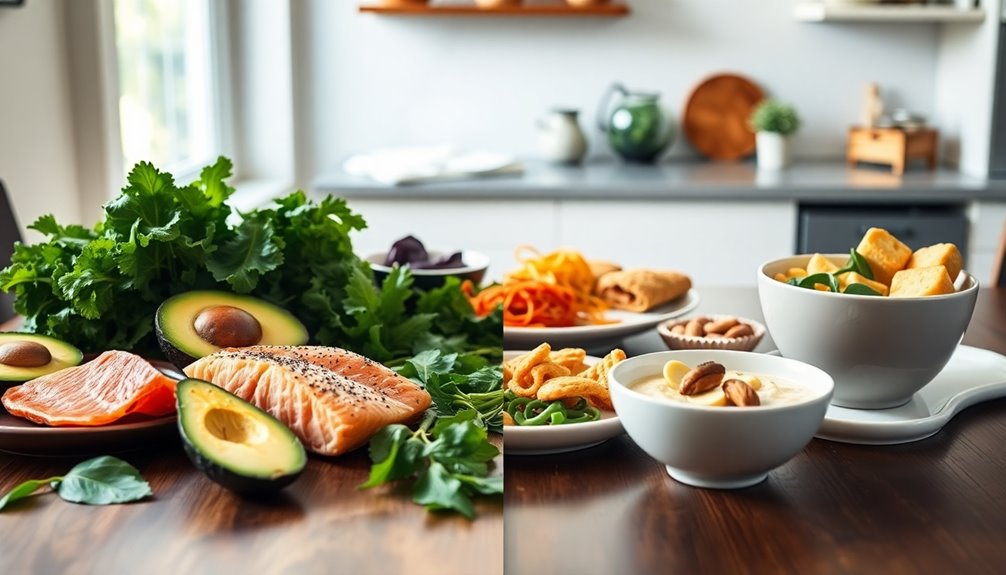
If you’re choosing between traditional Keto and Keto 2.0, consider your lifestyle and goals. Traditional Keto offers strict macros for rapid weight loss and mental clarity. In contrast, Keto 2.0 provides flexibility, allowing for whole foods and an easier approach to meal planning. If you value sustainability and a more balanced diet, Keto 2.0 might be your best fit. Want to explore these options further? You’ll find more insights on how to make the right choice for your health.
What Is the Traditional Keto Diet?
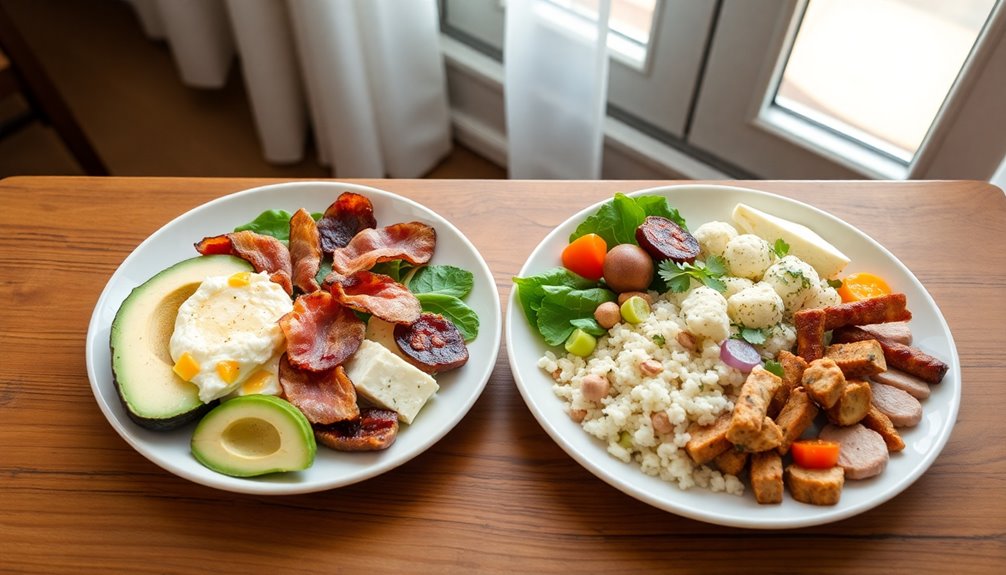
When you think about the traditional keto diet, it’s essential to understand its core principles. The traditional keto focuses on drastically reducing your carbohydrate intake while increasing fats, aiming for a typical macronutrient ratio of about 70% fat, 25% protein, and only 5% carbohydrates.
This shift forces your body into a state of ketosis, where it burns fat for fuel instead of glucose.
Keto basics include foods like avocados, nuts, seeds, and healthy oils, which provide the necessary fats. You’ll also need to limit foods high in carbs, including bread, pasta, and sugary snacks. Incorporating keto-friendly fruits like berries and avocados can enhance nutrient intake while supporting weight loss goals.
Embracing these guidelines helps you reap the benefits of the traditional keto, including weight loss and improved energy levels.
Understanding the Principles of Keto 2.0
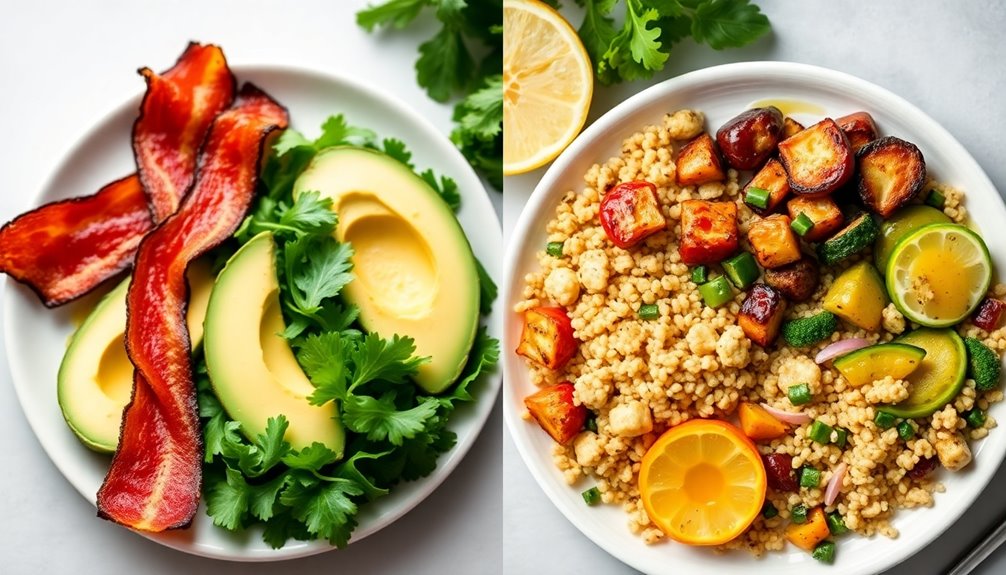
Keto 2.0 builds on the foundations of the traditional keto diet, but it introduces a more flexible approach that prioritizes whole foods and nutrient density.
This version allows you to enjoy a variety of foods, making it easier to stick with your lifestyle changes. With keto flexibility, you can focus on quality rather than just quantity, leading to a more sustainable way of eating.
Here are some key principles of Keto 2.0:
- Emphasizes whole, unprocessed foods for better nutrient density.
- Allows for occasional higher-carb days to enhance metabolic flexibility.
- Encourages mindful eating and listening to your body’s hunger cues.
Additionally, adopting a Keto 2.0 approach can still provide anti-inflammatory properties that help manage inflammation while enjoying a diverse diet.
Key Differences Between Keto and Keto 2.0
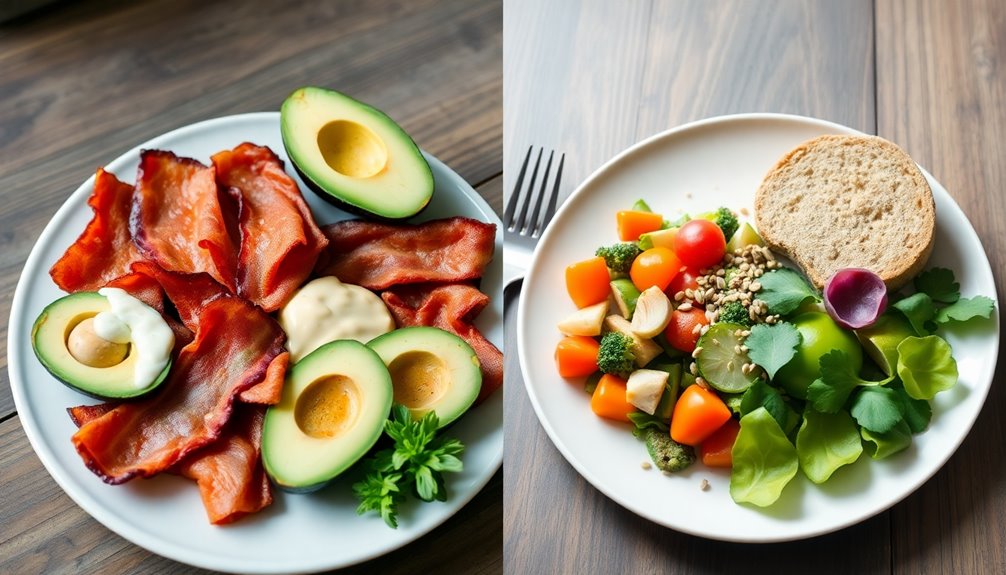
When comparing Keto and Keto 2.0, you’ll notice some key differences in macronutrient ratios and food choices. Keto 2.0 often emphasizes a more balanced approach, allowing for greater flexibility in what you eat. Understanding these distinctions can help you decide which version suits your lifestyle better. Additionally, Keto 2.0 may still provide benefits for insulin sensitivity, which can be crucial for managing blood sugar levels effectively.
Macronutrient Ratios Explained
Understanding macronutrient ratios is essential for anyone considering a low-carb lifestyle, especially when comparing traditional keto with Keto 2.0. The primary difference lies in the macronutrient balance each diet promotes.
Traditional keto typically emphasizes a higher fat intake, while Keto 2.0 allows for more flexibility.
Here’s a quick breakdown:
- Traditional Keto: About 70-75% fat, 20-25% protein, and 5-10% carbs.
- Keto 2.0: A more moderate approach, often around 60-65% fat, 30% protein, and 5-10% carbs.
- Dietary Preferences: Keto 2.0 may better suit those who prefer a bit more protein without sacrificing low carb goals.
Choosing the right macronutrient ratio can help you align your diet with your personal health objectives.
Food Choices Comparison
Choosing the right macronutrient ratio sets the stage for your food choices on either diet. On traditional keto, you’ll likely focus on high-fat foods like avocados, nuts, and fatty cuts of meat, limiting your food variety to maintain strict carb levels.
Meal planning can become repetitive, often leading to boredom.
In contrast, Keto 2.0 encourages more flexibility, allowing for moderate carbs from sources like berries and sweet potatoes. This opens up your food variety, making meal planning more enjoyable and sustainable.
You’ll find it easier to incorporate diverse foods, which can help you stick to your eating plan long-term. Ultimately, choosing between these diets depends on how much variety and flexibility you want in your food choices.
How Do Macros Differ in Each Diet?
While both Keto and Keto 2.0 emphasize low carbohydrate intake, their macro distributions differ considerably.
In the traditional Keto diet, you typically follow a strict macro ratio of around 70% fats, 25% protein, and 5% carbohydrates. This strict adherence can be challenging for some.
On the other hand, Keto 2.0 offers more flexibility with macro ratios, catering to various dietary preferences. You might see ratios like 60% fats, 30% protein, and 10% carbohydrates, allowing for a more balanced approach. Additionally, adopting a dairy-free keto diet can enhance weight loss and improve digestion by reducing inflammation and promoting nutrient absorption.
- Keto: 70% fats, 25% protein, 5% carbs
- Keto 2.0: 60% fats, 30% protein, 10% carbs
- Greater flexibility in food choices with Keto 2.0
The Role of Whole Foods in Keto 2.0
Whole foods play a significant role in the success of Keto 2.0. By focusing on these nutrient-dense options, you’ll enhance your overall health while achieving your weight loss goals.
Whole foods, such as leafy greens, avocados, and quality proteins, provide essential vitamins and minerals that processed foods often lack. Choosing these natural ingredients not only supports your body’s nutritional needs but also helps maintain steady energy levels throughout the day.
When you prioritize whole foods, you’re more likely to feel satisfied, reducing cravings and preventing unhealthy snacking. Plus, the diversity of flavors and textures in whole foods makes your meals more enjoyable. Incorporating gluten-free flours into your meals can further boost the nutritional profile and support your low-carb goals.
Embrace whole foods in your Keto 2.0 journey, and you’ll set yourself up for lasting success.
Benefits of Following the Traditional Keto Diet
Here are some traditional benefits you can expect:
- Mental clarity: You’ll experience improved focus and cognitive function as your body shifts to burning fat for energy.
- Blood sugar regulation: The diet helps stabilize blood sugar levels, reducing the risk of type 2 diabetes.
- Appetite control: You’ll feel fuller for longer, making it easier to resist unhealthy snacks.
Additionally, the traditional Keto diet promotes heart health, reduces inflammation, and provides an energy boost, making it a worthwhile choice for many. Furthermore, the diet’s ability to enhance cognitive function can lead to better retention of information and improved learning abilities.
Advantages of Adopting Keto 2.0
Adopting Keto 2.0 offers you enhanced nutritional flexibility, allowing for a wider variety of foods while still reaping the benefits of a low-carb lifestyle. This approach improves sustainability over time, making it easier to stick with your dietary goals without feeling restricted. You’ll find that these advantages can lead to better long-term health outcomes and overall satisfaction. Additionally, this version supports improved insulin sensitivity, which is crucial for effective blood sugar management and weight loss.
Enhanced Nutritional Flexibility
While traditional keto diets often require strict adherence to low-carb intake, Keto 2.0 offers a revitalizing approach that emphasizes enhanced nutritional flexibility.
This flexibility allows you to enjoy a wider range of foods while still maintaining ketosis, making it easier to incorporate nutritional variety into your meal planning.
Consider these benefits of Keto 2.0:
- Greater food options: You can include healthy carbs, like fruits and whole grains, in moderation.
- Easier meal planning: With more choices, preparing meals becomes less restrictive and more enjoyable.
- Sustainable lifestyle: You’re more likely to stick with your plan when it feels less like a diet and more like a lifestyle.
Improved Sustainability Over Time
As you embrace Keto 2.0, you’ll likely find that its improved sustainability makes it easier to stick with over time.
This version encourages you to adopt sustainable practices that align with your lifestyle, allowing you to enjoy a wider variety of foods while still achieving your health goals.
By focusing on whole, nutrient-dense options, Keto 2.0 promotes long-term adherence and helps prevent feelings of deprivation.
You’ll discover that meal planning becomes more enjoyable and manageable, enhancing your overall experience.
Additionally, the flexibility of Keto 2.0 supports social situations, making it easier to share meals with friends and family.
This adaptability is key to maintaining your commitment and fostering a healthy relationship with food for the long haul.
Who Should Consider Traditional Keto?
If you’re looking to shed pounds quickly and effectively, traditional keto might be the right fit for you. This low-carb, high-fat diet can help you reach your weight loss goals faster than many other approaches.
However, it’s essential to understand the diet suitability for your lifestyle and dispel common keto misconceptions.
Consider traditional keto if you:
- Have a specific weight loss target in mind
- Are motivated by fast results to stay committed
- Don’t mind strict dietary restrictions for a while
Traditional keto can be beneficial, but it’s not for everyone. Additionally, improved insulin sensitivity is a key benefit of the keto diet that supports weight management and overall health.
Make sure to evaluate your health conditions and consult with a healthcare professional before diving in.
Ideal Candidates for Keto 2.0
If you’re health-conscious and looking for a balanced approach to nutrition, Keto 2.0 might be a great fit for you. This version is especially appealing if you lead an active lifestyle and want to fuel your workouts without feeling deprived. Incorporating healthy fats can enhance your energy levels and support your overall health while following this diet. Let’s explore why this diet could work well for you.
Health-Conscious Individuals
While many diets promise quick results, health-conscious individuals looking for a sustainable approach often find Keto 2.0 particularly appealing. This version maintains the keto benefits while allowing for greater flexibility and a focus on whole foods.
If you’re keen on a balanced lifestyle, Keto 2.0 can seamlessly integrate into your daily routine.
Consider these aspects:
- Nutrient Variety: Enjoy a wider range of food options, promoting nutrient intake.
- Sustainable Energy: Experience stable energy levels without drastic carb cuts.
- Mental Clarity: Benefit from improved focus and cognitive function, essential for busy lifestyles.
With its thoughtful lifestyle impacts, Keto 2.0 supports long-term health without feeling overly restrictive.
Active Lifestyle Enthusiasts
Active lifestyle enthusiasts often seek diets that fuel their high-energy routines without compromising performance.
If you’re hitting the gym regularly or engaging in outdoor activities, Keto 2.0 might be the perfect fit for you. This version of keto allows for a more balanced intake of nutrients, making it easier to sustain energy levels during those intense keto workouts.
You won’t feel deprived, and you’ll likely find it simpler to maintain your lifestyle balance. Incorporating healthy carbs around your training sessions can enhance your performance and recovery, ensuring you stay energized throughout the day.
With Keto 2.0, you can enjoy the benefits of a ketogenic approach while still supporting your active lifestyle. Embrace the flexibility and reach your fitness goals!
Common Challenges of Each Diet
Steering through the challenges of both the traditional keto diet and Keto 2.0 can feel overwhelming, especially when it comes to maintaining consistency and managing cravings.
You might find dietary restrictions difficult to maneuver, particularly when meal planning.
Here are some common challenges you may face:
- Adhering to strict macros: It can be tough to keep your carb intake low while ensuring you get enough nutrients.
- Variety in meals: Sticking to a limited range of foods can lead to boredom and cravings.
- Social situations: Maneuvering meals at gatherings or restaurants can be tricky when you’re trying to adhere to your chosen keto version.
Recognizing these challenges is the first step toward successfully managing your diet. Additionally, understanding how the ketogenic diet’s impact on insulin sensitivity can help you navigate cravings and make better food choices.
Tips for Transitioning Between Keto Versions
Changing between traditional keto and Keto 2.0 can seem intimidating, but with the right approach, you can make the switch smoothly.
Start by implementing gradual change strategies. Instead of making drastic changes overnight, consider swapping some traditional keto meals for Keto 2.0 options over a week or two.
Focus on dietary adjustments that include a wider variety of whole foods, like fruits and vegetables, to guarantee you’re meeting your nutritional needs.
Keep an eye on your macronutrient ratios to stay aligned with your goals.
Don’t forget to listen to your body; it’ll guide you on how well you’re adapting.
Making the Right Choice for Your Health Goals?
How do you determine which keto version aligns best with your health goals? First, consider your personal health needs. Are you looking to lose weight, manage blood sugar, or improve energy levels? Each keto version may cater to different outcomes.
Next, think about your dietary preferences. Do you enjoy more variety in your meals, or are you comfortable with strict limitations?
- Focus on your specific health objectives.
- Evaluate how flexible you want your diet to be.
- Consider any food intolerances or preferences.
Conclusion
In the end, whether you choose traditional keto or keto 2.0, it’s all about what aligns with your health goals and lifestyle. You might find that the flexibility of keto 2.0 suits your preferences better, or perhaps the strictness of traditional keto is what you need to stay focused. Whichever path you take, remember that your journey to better health is uniquely yours—so trust your instincts and enjoy the process!