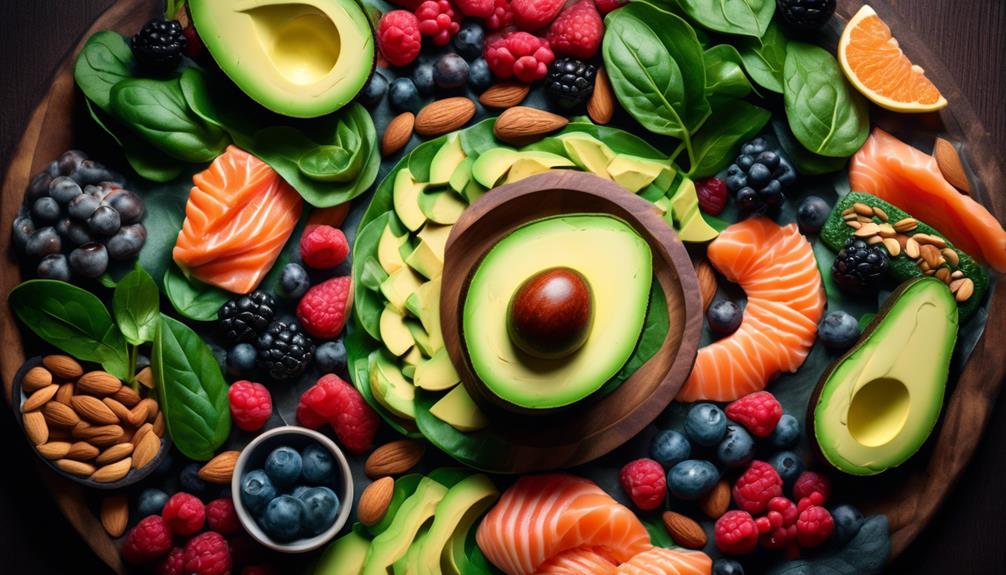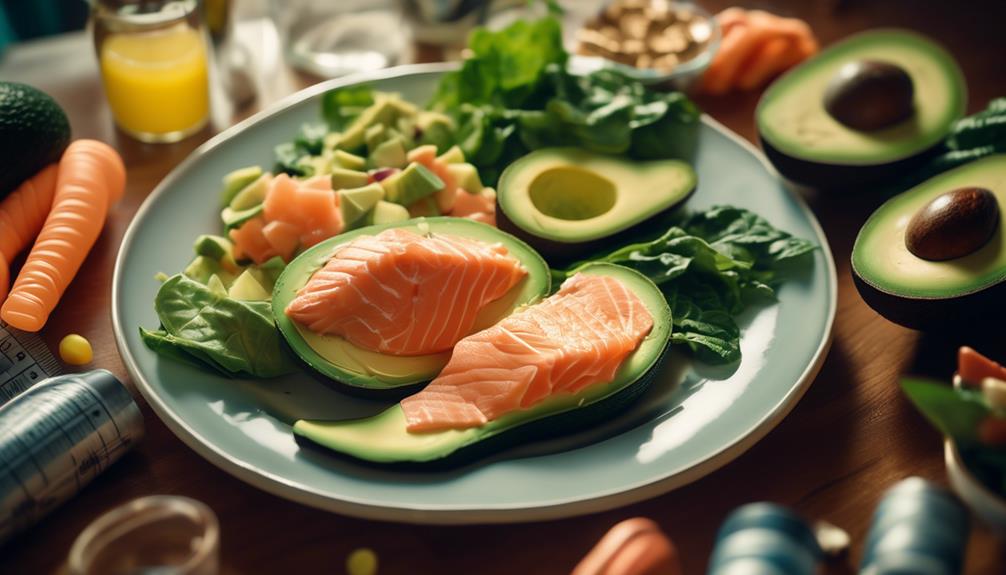

The Keto Diet can be beneficial for managing PCOS by improving hormonal balance, promoting weight loss, and enhancing fertility. By focusing on low-carb, high-fat foods, it helps improve insulin sensitivity, which is vital for managing symptoms. However, it’s essential to evaluate potential risks like nutrient deficiencies and sustainability. Shifting carefully with meal planning and expert guidance can maximize benefits. Discover how different foods and strategies can further support your journey with PCOS.
What Is Polycystic Ovary Syndrome (PCOS)?

Polycystic Ovary Syndrome (PCOS) is a common hormonal disorder that affects many women during their reproductive years. It often presents with symptoms like irregular menstrual cycles, weight gain, and acne.
Managing these symptoms can feel overwhelming, but you’re not alone. Making lifestyle changes, such as adopting a balanced diet and incorporating regular exercise, can greatly improve your well-being. The Keto Diet, known for improving insulin sensitivity, may also offer benefits for managing PCOS symptoms.
Many women find that symptom management through healthy habits helps regulate their menstrual cycles and enhances their overall health. By focusing on nutrition and physical activity, you can create a foundation for better hormonal balance.
How Does PCOS Affect Hormones and Metabolism?

When hormones become imbalanced, as often happens with PCOS, it can lead to a cascade of metabolic issues. This hormonal imbalance disrupts your metabolic function, affecting insulin dynamics and leading to weight fluctuations.
You might find that managing your weight becomes more challenging, which can exacerbate fertility challenges. Implementing lifestyle modifications, like regular exercise and stress management, can help stabilize your hormones.
Additionally, dietary adjustments, such as focusing on low-glycemic foods, can improve insulin sensitivity. These changes not only support symptom management but also enhance your overall well-being.
Understanding how PCOS impacts your body empowers you to take charge of your health, making it easier to navigate the complexities of this condition. Moreover, adopting a diet that prioritizes healthy fats can also be beneficial for managing cholesterol levels, which is crucial for overall hormonal balance.
What Is the Ketogenic Diet and How Does It Work?
The ketogenic diet, often referred to as keto, is a low-carb, high-fat eating plan that can transform your body’s energy source from glucose to fat.
By following keto principles, you greatly reduce carbohydrate intake and increase fats while maintaining a moderate protein level. This shift prompts your body to enter a state of ketosis, where it effectively burns fat for fuel.
Your dietary guidelines should focus on healthy fats like avocados, nuts, and olive oil, while minimizing grains, sugars, and starchy vegetables. This approach not only helps in weight management but also may influence overall metabolic health, as it improves insulin sensitivity and stabilizes blood sugar levels.
Can the Keto Diet Help Regulate Hormones in PCOS?
Can the ketogenic diet be a game-changer for balancing hormones in women with PCOS? By focusing on low-carb, high-fat dietary choices, you might experience improved hormonal balance and reduced insulin levels.
The ketogenic diet may enhance hormonal balance and lower insulin levels for women with PCOS through low-carb, high-fat choices.
This diet can lead to positive metabolic effects, which help with weight management and symptom relief. You may also find that the keto approach helps curb food cravings, making it easier to stick to your plan. Additionally, healthy fats can improve cholesterol levels, which may be beneficial for overall health.
However, consider the importance of long-term sustainability and lifestyle modifications. Ensuring proper nutrient absorption is vital, so pay attention to what foods you include.
Ultimately, the keto diet could support your journey towards better hormonal health, but it’s essential to personalize your approach for the best results.
How Does Keto Aid in Weight Loss for Women With PCOS?
The keto diet can help you improve insulin sensitivity, which is essential for managing PCOS. By stabilizing your blood sugar levels, it also aids in regulating your appetite, making it easier to control cravings. Together, these factors can greatly support your weight loss journey. Additionally, increased fat burning through ketosis can enhance metabolism and energy levels, further contributing to effective weight management.
Insulin Sensitivity Improvement
How does the keto diet improve insulin sensitivity for women with PCOS? By focusing on low-carb, high-fat foods, the keto diet enhances insulin signaling, leading to better glucose metabolism. This shift helps maintain hormonal balance, essential for managing PCOS symptoms.
Consider these key benefits:
- Diet effects: Reducing carbs can lower insulin levels, which may help alleviate insulin resistance.
- Lifestyle changes: Incorporating keto promotes healthy eating habits and regular nutrient timing, contributing to overall well-being.
- Improved hormonal balance: A stable insulin response can lead to more consistent hormone levels, positively impacting fertility and weight management.
Appetite Regulation Mechanisms
Maintaining improved insulin sensitivity can greatly impact appetite regulation for women with PCOS. The keto diet helps you manage hormonal feedback, reducing leptin resistance and enhancing appetite suppression.
By promoting metabolic adaptations, it allows your body to utilize fat for energy, which stabilizes blood sugar levels and curbs food cravings.
Additionally, the keto diet influences the gut microbiome, supporting a healthier balance of bacteria that can enhance satiety signals. This can reduce the likelihood of emotional eating, as stable energy levels help you feel more in control.
Ultimately, these combined effects lead to better appetite regulation, making it easier to manage weight and improve overall well-being while dealing with PCOS.
What Role Does Insulin Resistance Play in PCOS and Keto?
Insulin resistance is a key player in the complex interplay of PCOS and diet. When your body struggles with insulin signaling, it affects glucose metabolism and can lead to weight management issues. This imbalance often worsens inflammation markers and disrupts hormonal balance, impacting reproductive health.
- A low-carbohydrate diet, like keto, can improve insulin sensitivity.
- Incorporating healthy dietary fats may support hormone regulation.
- Lifestyle changes alongside dietary shifts can help manage metabolic syndrome.
Understanding how insulin resistance affects your body can empower you to make informed choices, potentially leading to better health outcomes. Additionally, the keto diet’s impact on cholesterol levels may further enhance overall metabolic health.
Can a Keto Diet Improve Fertility for Women With PCOS?
Addressing insulin resistance can pave the way for improved fertility in women with PCOS. A keto diet may enhance hormone balance, vital for effective fertility treatments.
By focusing on diet variations and nutrient timing, you can optimize your body’s response to insulin, supporting ovulation and overall reproductive health. Incorporating lifestyle modifications like stress management and tailored exercise routines can further boost your fertility potential.
Focusing on diet and lifestyle changes can enhance insulin response, supporting ovulation and boosting your fertility potential.
These changes can help regulate your menstrual cycle and improve your chances of conception. Additionally, research shows that improved insulin sensitivity can significantly benefit metabolic health, which is crucial for reproductive function. Remember, combining a keto diet with holistic approaches guarantees a thorough plan for ovulation support.
As you explore these options, consulting with healthcare professionals can provide personalized guidance tailored to your unique needs and goals.
What Are the Potential Risks of the Keto Diet for PCOS?
While the keto diet can offer benefits for women with PCOS, it’s essential to assess potential risks that may arise. Here are some key concerns to evaluate:
- Keto side effects: You might experience fatigue, headaches, or digestive issues as your body adapts.
- Nutrient deficiencies: Restricting carbs can lead to a lack of essential vitamins and minerals, impacting overall health.
- Long-term sustainability: Maintaining strict adherence may be challenging, leading to hormonal fluctuations and psychological impacts.
- Insulin sensitivity may be affected, as prolonged adherence could potentially alter metabolic responses if not managed properly.
How to Transition to a Keto Diet Safely With PCOS?
How can you shift to a keto diet safely if you have PCOS? Start with meal planning to guarantee you’re getting the right nutrients.
Incorporate easy snack ideas like nuts or cheese to keep cravings at bay. Use change tips like gradually reducing carbs instead of cutting them all at once.
Make lifestyle adjustments by prioritizing sleep and stress management, as these can impact your symptoms. Keep track of symptoms to see how your body responds.
Implement hydration strategies by drinking plenty of water throughout the day. Pay attention to nutrient timing, especially around workouts, to maximize energy.
Finally, build a support system—whether friends or online communities—so you can stay motivated and share your experiences. Additionally, focus on a balanced diet with healthy keto foods to ensure you’re meeting your nutritional needs.
What Foods to Include in a Keto Diet for PCOS Management?
When managing PCOS on a keto diet, it’s essential to focus on the right foods.
You’ll want to include healthy fats, low-carb vegetables, and balanced protein sources to support your health. These choices can make a significant difference in how you feel and function. Additionally, incorporating healthy fats can promote weight loss, which is crucial for managing PCOS symptoms.
Healthy Fats to Include
Incorporating healthy fats into your keto diet can be a game-changer for managing PCOS symptoms. Focusing on the right sources of fat can help balance hormones and support overall health.
Here are some excellent options to take into account:
- Healthy oils: Use olive and coconut oil for cooking methods that enhance flavor without extra carbs.
- Nut varieties: Almonds and walnuts make great snack ideas, packed with nutrients and healthy fats.
- Avocado benefits: This fruit isn’t only delicious but also rich in monounsaturated fats, perfect for meal prep.
Remember to practice portion control when using dairy options and fish sources to guarantee you’re meeting your nutritional goals while enjoying these tasty fats.
Low-Carb Vegetables Options
Including healthy fats in your keto diet sets a strong foundation, but pairing them with low-carb vegetables can amplify your efforts in managing PCOS.
Opt for nutrient-dense options like spinach, broccoli, zucchini, and cauliflower. These veggies not only keep your carb count low but also provide essential vitamins and minerals that support overall health.
Don’t forget to incorporate low-carb fruits like berries and avocados, which can add flavor and nutrients without spiking your blood sugar.
This combination helps maintain stable insulin levels, vital for PCOS management.
Protein Sources for Balance
Protein is a cornerstone of a balanced keto diet, especially for managing PCOS. Incorporating diverse protein sources helps guarantee nutrient balance and supports your overall health.
Focus on high-quality options like:
- Lean meats (chicken, turkey, and fish) for essential amino acids.
- Plant proteins (tofu, lentils, and chickpeas) that provide fiber and nutrients.
- Dairy sources (Greek yogurt, cheese) for calcium and probiotics.
Don’t forget about protein timing and portion control to optimize your intake.
Meal prep can help you create quick, balanced meals and snack options, such as protein smoothies, that keep you satisfied.
Finding the right balance of protein quality and quantity will support your PCOS management effectively.
What Do Experts Say About Keto and PCOS?
What do experts really think about the keto diet‘s impact on PCOS? Many agree that while the keto diet can help with weight management, it’s not a one-size-fits-all solution.
You might encounter keto misconceptions, like the idea that it automatically balances hormones. In reality, the diet can influence hormone levels differently for each person.
Some studies show that reducing carbs can improve insulin sensitivity, which is vital for hormone balance. However, others warn that a very low-carb diet mightn’t be sustainable long-term.
Reducing carbs may enhance insulin sensitivity, crucial for hormone balance, but a very low-carb diet might not be sustainable long-term.
It’s important to reflect on your unique body and consult a healthcare professional before making drastic changes.
Ultimately, finding a well-rounded approach tailored to your needs might be the best route to managing PCOS effectively.
Conclusion
So, it turns out that the keto diet, often hailed as the miracle cure for everything, might just have some perks for managing PCOS. Who would’ve thought that cutting carbs could help balance hormones and aid weight loss? Of course, it’s not a one-size-fits-all solution, and you might find maneuvering through this diet more challenging than a maze. But hey, if you’re up for the adventure, it could be worth a try—after all, what’s life without a little irony?