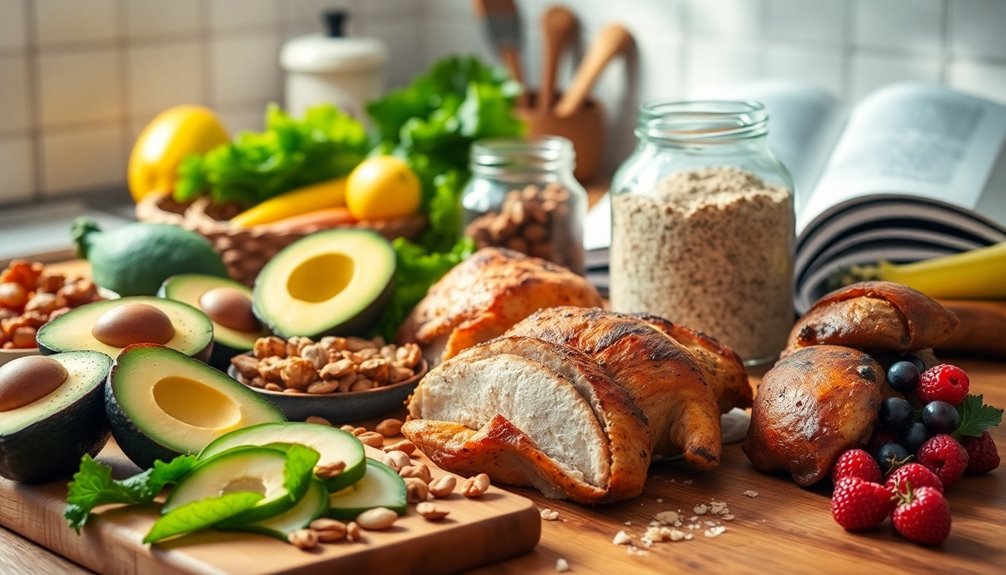
If you’re looking to improve insulin resistance, the keto diet is a great option. By cutting carbs, your body shifts to burning fat for energy, helping stabilize blood sugar levels. You’ll benefit from increased insulin sensitivity, reduced hunger, and more energy. Focus on healthy fats, low-carb veggies, and quality proteins in your meal plan. Easy meals like scrambled eggs or grilled chicken salads make the shift smoother. There’s more to discover about making keto work for you!
Understanding Insulin Resistance and Its Impact on Health
Insulin resistance can feel like a hidden roadblock on your path to good health. It occurs when your body’s insulin mechanisms struggle to effectively manage glucose levels, leading to higher blood sugar. This condition doesn’t just affect how you process sugar; it can have serious health consequences.
You might notice weight gain, fatigue, or cravings, making it tough to stay on track. Over time, insulin resistance could pave the way for type 2 diabetes, heart disease, and other metabolic issues. Understanding this connection is vital. Additionally, insulin sensitivity plays a crucial role in maintaining stable blood sugar levels and overall metabolic health.
How Does the Keto Diet Work to Improve Insulin Sensitivity?
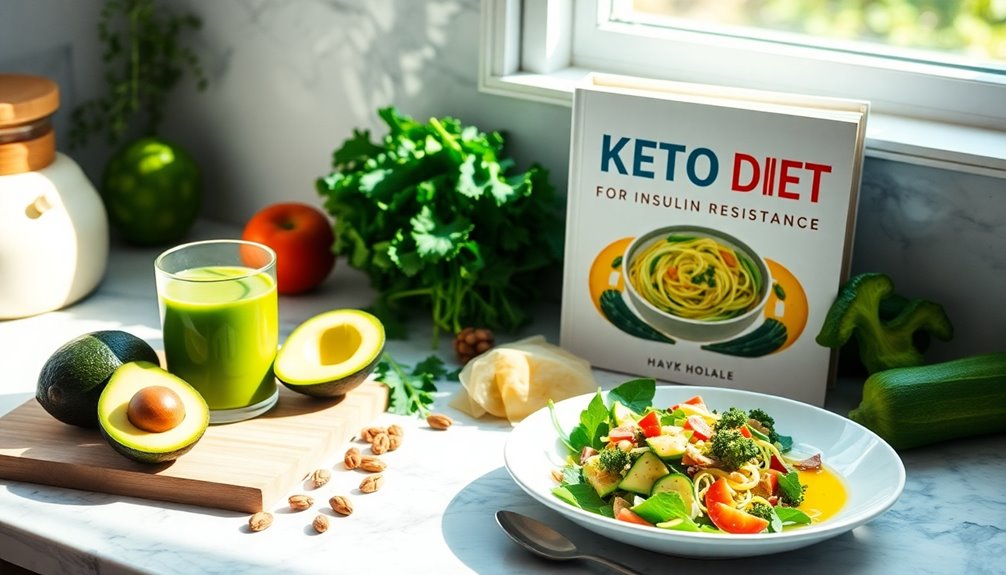
When you adopt a keto diet, your body shifts from using glucose for energy to burning fat, which can greatly enhance insulin sensitivity. This shift reduces your reliance on carbohydrates, leading to lower blood sugar levels.
As a result, your body requires less insulin for regulation, which helps improve insulin sensitivity over time. You’ll experience keto benefits such as reduced hunger and increased energy levels, making it easier to stick with the diet.
Additionally, by stabilizing your blood sugar, you lessen the risk of insulin resistance, creating a positive feedback loop. The production of ketones during ketosis also serves as an alternative energy source, further supporting blood sugar control.
Ultimately, the keto diet not only helps in weight management but also supports better insulin regulation, paving the way for improved overall health.
Essential Foods to Include in Your Keto Meal Plan
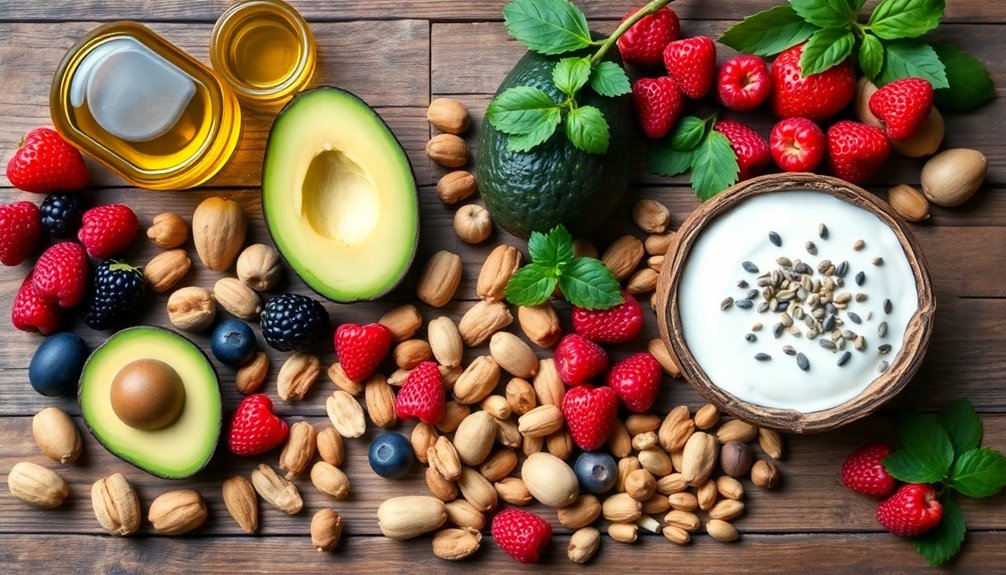
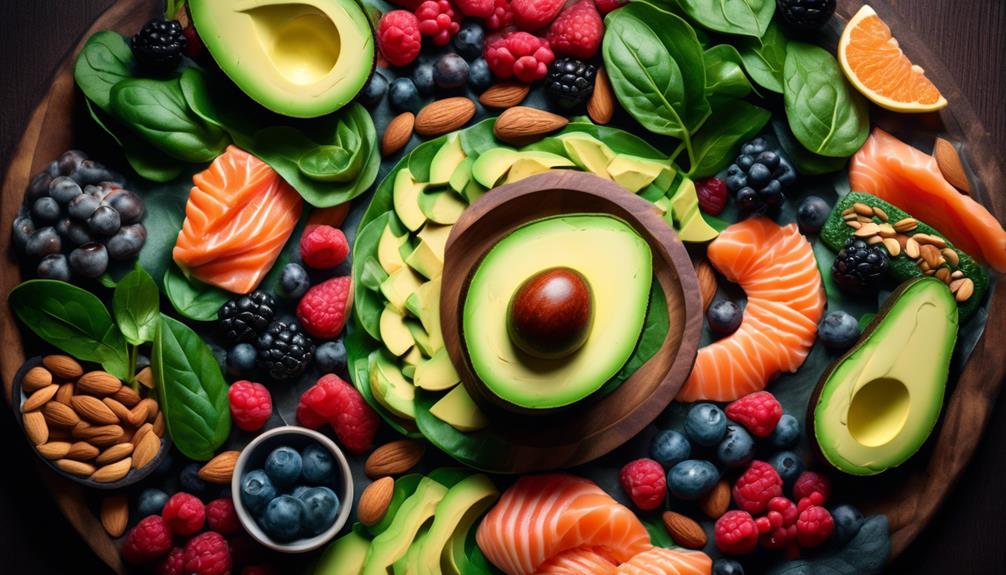
To achieve the benefits of the keto diet, it’s vital to focus on the right foods. Start by incorporating healthy fats like avocados, olive oil, and nuts.
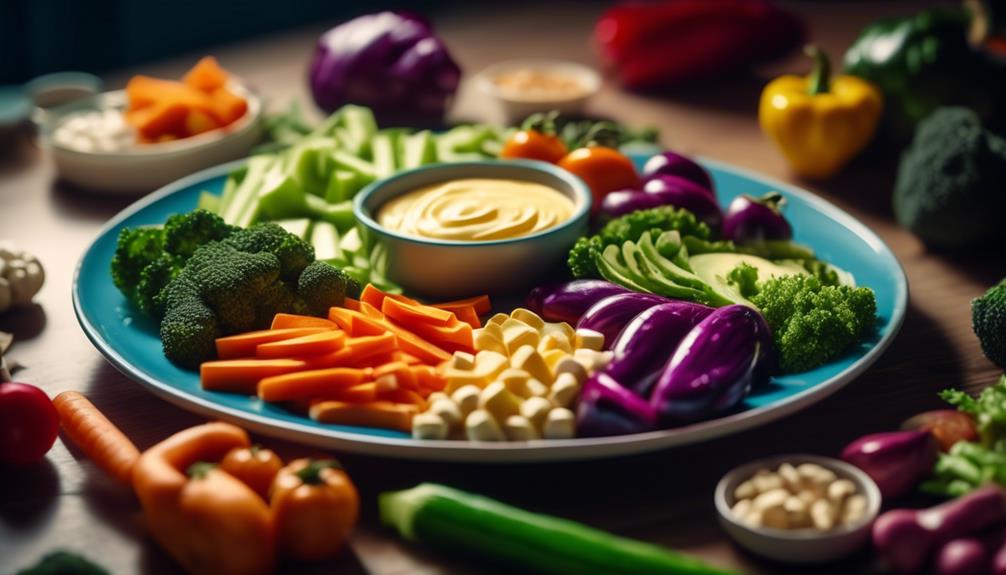
Include low carb vegetables such as spinach, zucchini, and broccoli to boost your nutrient intake. For protein sources, choose lean meats, fish, and eggs, which help maintain muscle mass. Additionally, consider including high-protein meals that support energy levels throughout the day.
Meal prepping can simplify your week and guarantee you stick to your plan. Don’t forget to plan snack options like cheese or hard-boiled eggs to curb cravings.
Practice portion control to avoid overeating, and make a habit of reading labels to identify hidden carbs.
Finally, prioritize hydration; drinking enough water is essential for overall health and can aid in your keto journey.
Simple Keto Meal Ideas for Beginners
Starting your keto journey can feel overwhelming, but simple meal ideas can make it easier.
For breakfast, whip up scrambled eggs with spinach and cheese.
Lunch could be a delicious salad topped with grilled chicken, avocado, and olive oil.
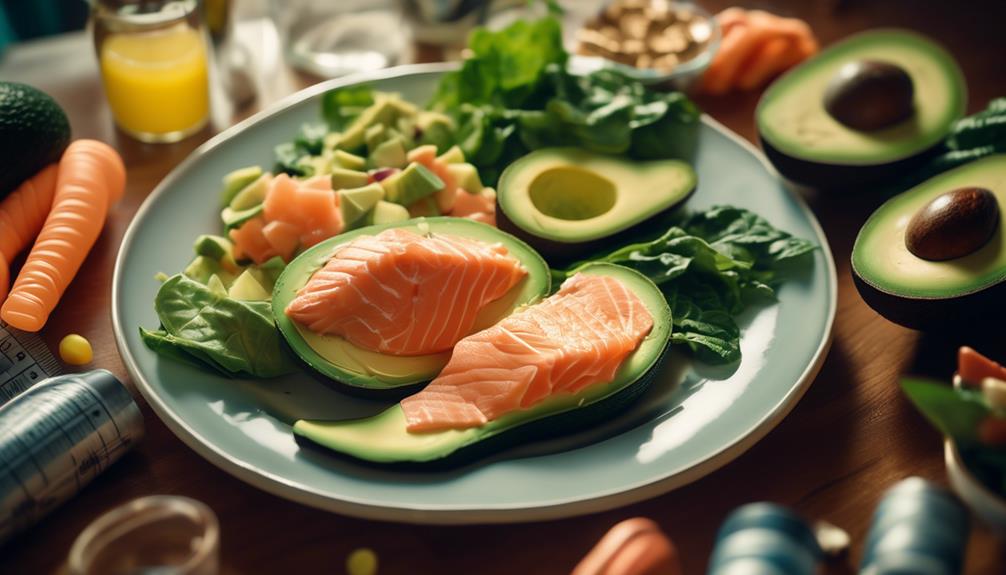
For dinner, try baked salmon with asparagus—easy and nutritious!
Don’t forget about keto snacks; almonds or cheese sticks are perfect for keeping your energy up between meals.
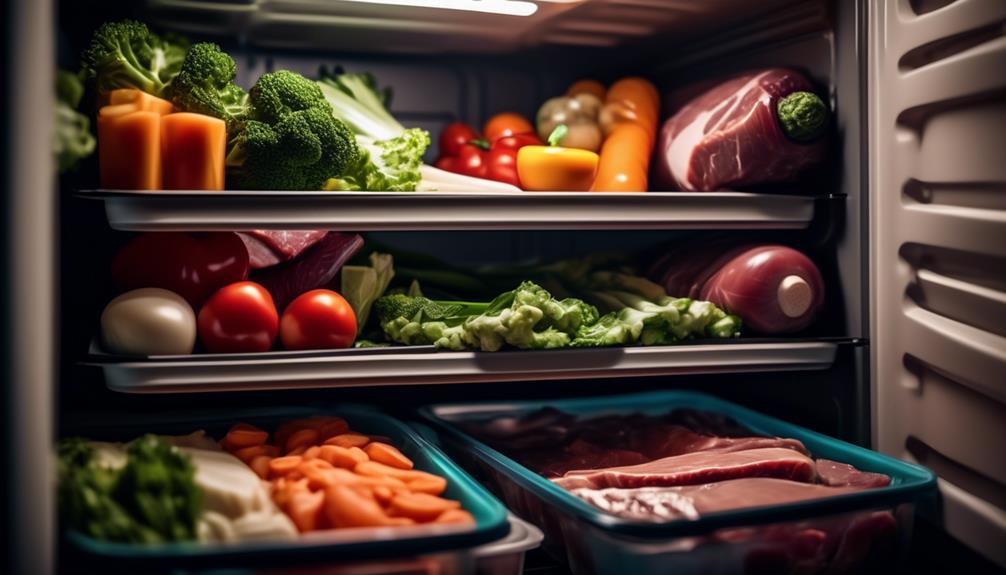
Meal prepping can save you time and stress—prepare a few meals in advance and store them in your fridge.
This way, you’ll always have a tasty option ready to go.
With these simple ideas, you’ll feel confident in sticking to your keto diet while managing insulin resistance effectively. Additionally, consider chicken and cheese omelettes for a protein-rich breakfast option that supports your keto lifestyle.
Tips for Successfully Transitioning to a Keto Lifestyle
Building on those simple meal ideas can help you smoothly embrace a keto lifestyle. Start by tackling common keto misconceptions—like the myth that you can’t enjoy tasty meals.
Focus on meal prep; batch-cooking can save you time and keep you on track. Stock your kitchen with keto-friendly staples like avocados, nuts, and leafy greens, making it easier to whip up satisfying dishes.
Meal prep is key; stock up on keto staples like avocados and nuts to simplify your cooking and stay on track.
Don’t forget to stay hydrated and consider electrolytes to combat the “keto flu.” Gradually reduce carbs instead of cutting them all at once to ease the shift. Remember that keto supplements can support your transition by enhancing fat-burning and energy levels.
Keep experimenting with recipes, and don’t hesitate to seek support from online communities or friends. Remember, it’s about finding what works best for you while enjoying the journey!
Conclusion
Incorporating a keto diet can be a game-changer for managing insulin resistance. By focusing on whole foods and reducing carbs, you’re giving your body the tools it needs to thrive. Remember, “Slow and steady wins the race.” Take your time to adapt, experiment with meals, and listen to your body. You’ve got the knowledge and resources to succeed, so embrace this journey toward better health and improved insulin sensitivity one step at a time!