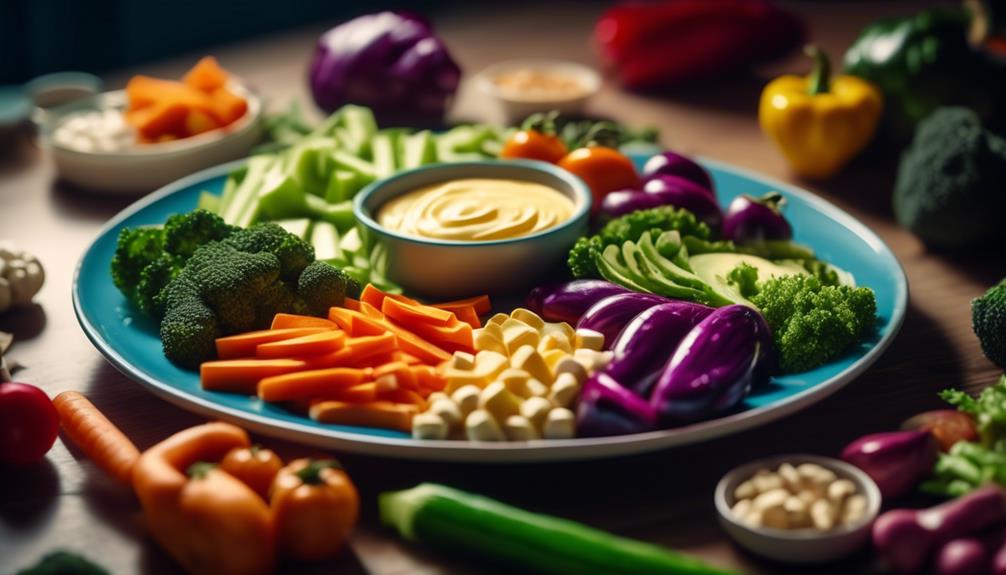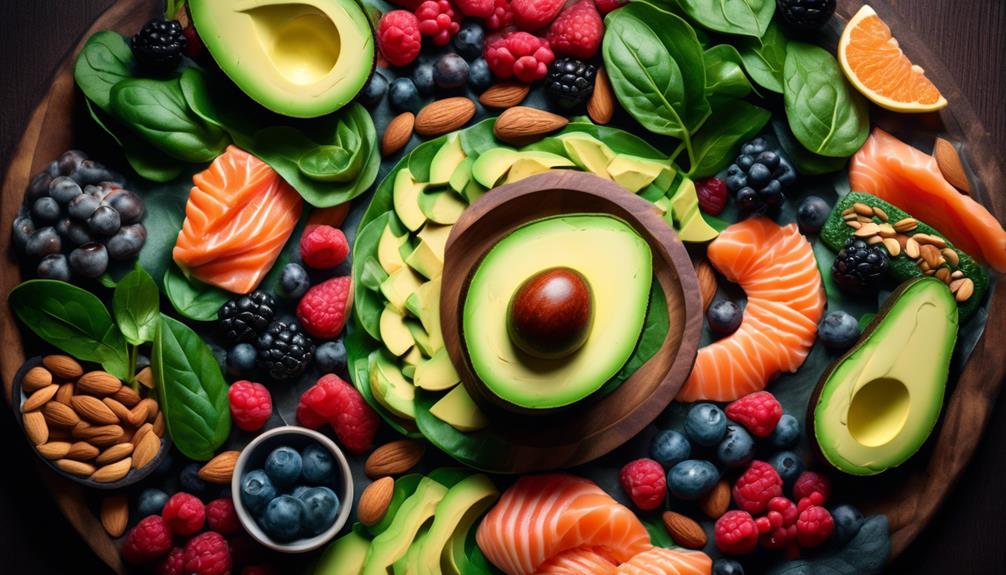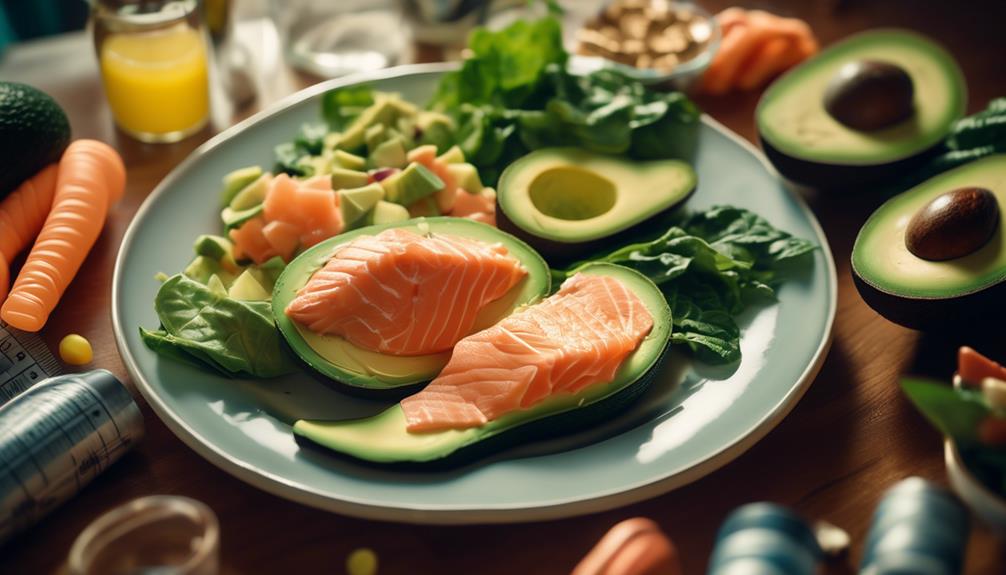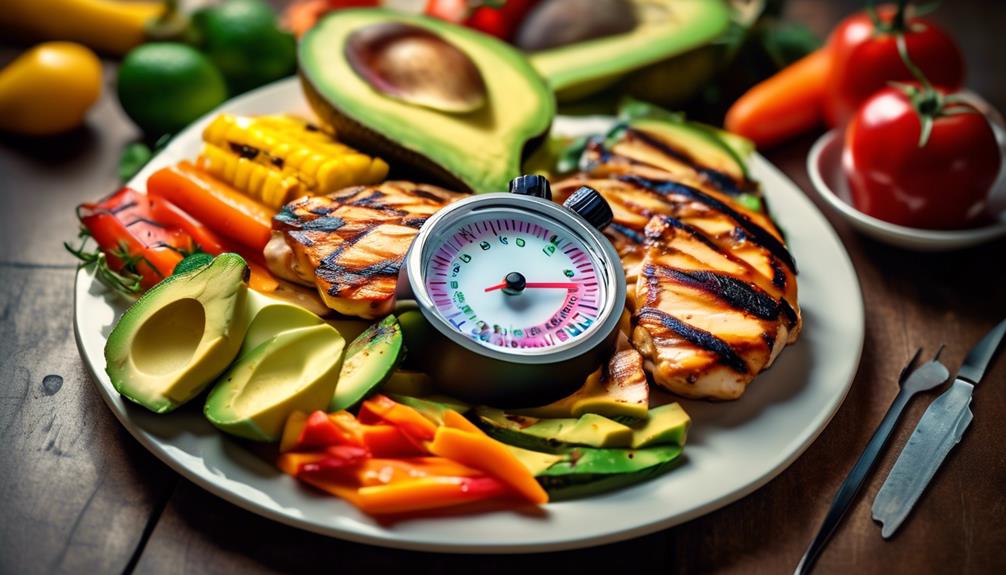
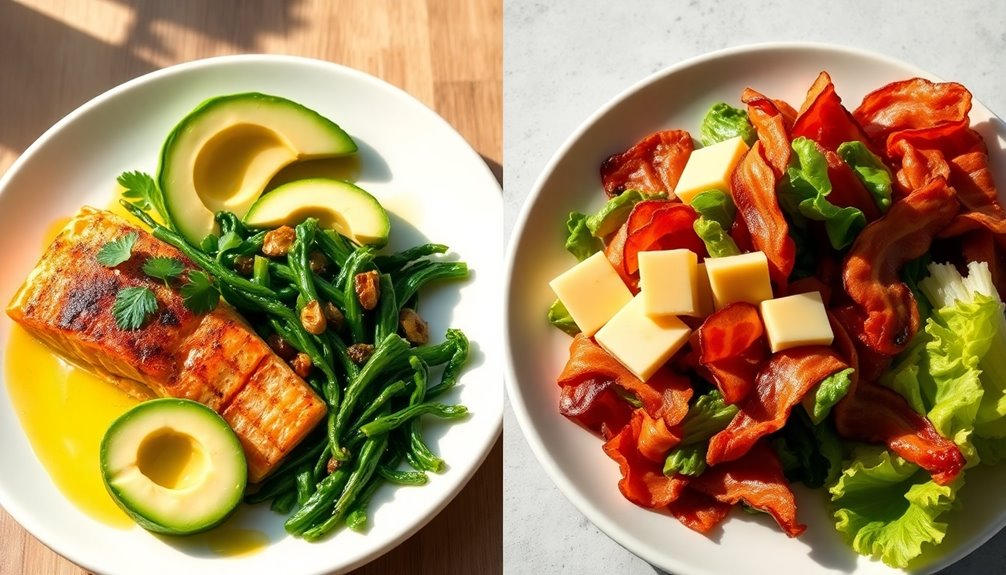
A good keto diet fuels your body with nutrient-dense foods like leafy greens, avocados, and healthy fats, supporting long-term health and energy. It avoids processed meats and bad fats, prioritizing whole, unprocessed ingredients. In contrast, a bad keto diet relies on unhealthy options, leading to potential weight gain and nutritional deficiencies. To truly understand the difference and make the best choices for your health, explore the essential principles of a good keto lifestyle.
What Is the Ketogenic Diet?

The ketogenic diet, often called keto, is a low-carb, high-fat eating plan designed to shift your body into a state of ketosis. By drastically reducing carbohydrate intake and increasing fats, you encourage your body to burn fat for fuel instead of glucose.
This process relies on key ketogenic principles, such as maintaining a high fat intake while keeping carbs low. As your body adapts to this new fuel source through fat adaptation, you may experience increased energy and potential weight loss. Additionally, focusing on whole unprocessed foods can further support your insulin sensitivity and overall health.
It’s vital to choose healthy fats, like avocados and nuts, to guarantee you’re nourishing your body. Understanding these foundational aspects helps you evaluate whether your approach aligns with effective keto practices or veers into less beneficial territory.
How Does a Good Keto Diet Work?
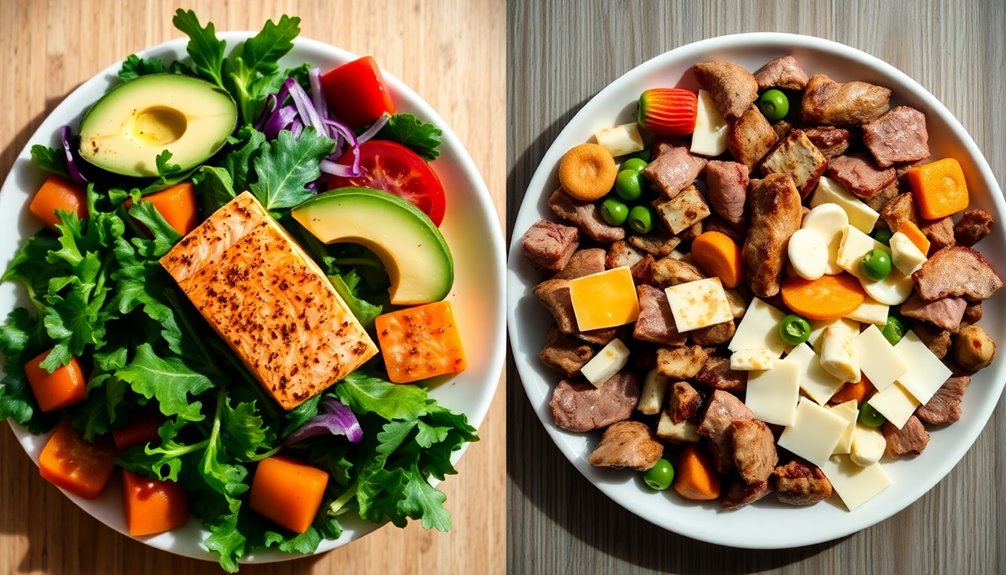
A good keto diet focuses on nutrient-dense food choices that fuel your body effectively.
By balancing macronutrient ratios, you can maintain energy levels while promoting fat loss.
Plus, adopting sustainable eating patterns helps you stick with it long-term, making it easier to achieve your health goals. Incorporating heart-healthy fats into your meals can further enhance cardiovascular benefits while following a ketogenic lifestyle.
Nutrient-Dense Food Choices
While beginning a keto diet, choosing nutrient-dense foods is crucial for achieving ideal health benefits. Focus on high-quality food sources like leafy greens, avocados, nuts, and fatty fish.
These healthy alternatives not only boost your vitamin intake but also emphasize the importance of minerals in your diet. Incorporating a variety of foods guarantees the best fiber content, which aids digestion and keeps you feeling full.
Meal options should prioritize nutrient balancing, allowing you to enjoy flavors while supporting your health goals. Remember, food quality matters—select whole, unprocessed ingredients when possible.
Balanced Macronutrient Ratios
To achieve ideal results on a keto diet, you need to focus on balanced macronutrient ratios.
Getting your macronutrient balance right is essential for maintaining ketosis and enhancing energy levels. The best ratios typically involve a higher fat intake, moderate protein, and low carbohydrates.
Here’s what you should aim for:
- Fat: 70-75% of total calories
- Protein: 20-25% of total calories
- Carbohydrates: 5-10% of total calories
- Fiber: Include non-starchy vegetables for gut health
- Hydration: Drink plenty of water to support metabolic processes
Sustainable Eating Patterns
Balanced macronutrient ratios lay the groundwork for sustainable eating patterns on a keto diet.
By embracing flexible dieting, you can tailor your meals to fit your personal preferences while still achieving your health goals.
Mindful eating encourages you to savor food variety, incorporating seasonal ingredients that not only taste better but also lower your environmental impact.
Focus on sustainable practices, such as sourcing local produce and choosing high-quality fats and proteins.
This approach supports long-term health, helping you maintain your keto lifestyle without feeling restricted.
Key Benefits of Following a Good Keto Diet

When you follow a good keto diet, you can experience enhanced energy levels that keep you active throughout the day. This way of eating also boosts your mental clarity, helping you stay focused and sharp. Additionally, the stable energy supply from ketone production supports optimal brain performance, enhancing your cognitive function and overall productivity. Let’s explore these benefits and how they can transform your daily life.
Enhanced Energy Levels
Although many people struggle with energy dips throughout the day, a good keto diet can provide a consistent source of sustained energy.
By enhancing your metabolic efficiency, you’ll experience improved glucose management and energy stability.
Here are some key benefits of following a good keto diet:
- Fat adaptation promotes a shift in how your body uses fat for fuel.
- Keto energy leads to significant fatigue reduction and fewer energy fluctuations.
- Improved nutrient absorption supports overall health and performance enhancement.
- Achieving ketogenic endurance allows for better physical performance during workouts.
- You’ll enjoy lasting energy stability, keeping you energized throughout the day.
With these benefits, you’ll feel more vibrant and focused, ready to tackle your daily challenges.
Improved Mental Clarity
As you embrace a good keto diet, you may notice a remarkable boost in your mental clarity. This dietary approach can enhance your cognitive function, making it easier to focus and think clearly.
By reducing carbohydrate intake and increasing healthy fats, your body starts to use ketones for fuel, which some studies suggest may improve mental performance. You might find that tasks requiring concentration become less intimidating, and your memory sharpens.
Unlike a bad keto diet, which could leave you feeling foggy and drained, a good keto diet provides essential nutrients that support brain health.
What Makes a Bad Keto Diet?
A bad keto diet often stems from poor food choices that can undermine your health goals. When you lean on unhealthy options, you might face issues like weight gain or nutrient deficiencies.
Here’s what to watch out for:
- Bad fats: Choosing unhealthy fats can harm your heart.
- Processed meats: These often contain additives and hidden sugars.
- Low fiber: A lack of fiber can affect digestion and overall health.
- Excessive dairy: Overdoing dairy can lead to inflammation and weight gain.
- Artificial sweeteners: These can trigger cravings and disrupt metabolism.
In addition, relying on whole, unprocessed foods is essential to ensure you’re getting the nutrients your body needs while on a keto diet.
Common Misconceptions About Keto Dieting
Many people misunderstand what a keto diet really involves, often believing myths that can lead to poor outcomes. Common beliefs suggest it’s just a high-fat diet, but it’s more about macronutrient balance.
Diet misconceptions, like the idea that all fats are bad, perpetuate social myths and keto stereotypes. Myth debunking is essential to combat misinformation sources that mislead you.
Some think keto’s only for weight loss, overlooking its potential health benefits. Public perceptions often ignore the importance of nutrient-dense foods. Additionally, understanding cholesterol profiles is crucial for evaluating the diet’s impact on heart health.
Identifying Nutrient-Dense Foods for Keto
When you’re on a keto diet, identifying nutrient-dense foods is essential for achieving your health goals.
Focusing on food quality guarantees you get the most nutrients while staying within your carb limits. Here are some key nutrient-dense options to include:
Prioritizing food quality ensures optimal nutrient intake while maintaining your carb limits.
- Leafy greens (spinach, kale, and Swiss chard)
- Avocados (rich in healthy fats and fiber)
- Nuts and seeds (like almonds and chia seeds)
- Fatty fish (salmon and sardines for omega-3s)
- Low-carb vegetables (broccoli and cauliflower)
Including keto-friendly fruits like berries and avocados can further enhance your nutrient intake while supporting weight loss.
The Role of Healthy Fats in a Good Keto Diet
Building on your focus on nutrient-dense foods, healthy fats play a pivotal role in a good keto diet. These fats are essential for fueling your body and keeping you in ketosis.
Prioritize healthy fat sources like avocados, nuts, seeds, and olive oil. These options provide not just energy but also important nutrients.
Pay attention to fat quality; not all fats are created equal. Avoid trans fats and overly processed oils, as they can negatively impact your health.
Instead, opt for high-quality fats that support your overall well-being. By making smart choices about the fats you consume, you’ll enhance your keto experience and promote better health outcomes.
Embrace the power of healthy fats for superior results! Including sources like medium-chain triglycerides can further enhance fat burning and support ketosis.
Understanding Carbohydrate Quality in Keto
Here are some key considerations:
- Fiber considerations: Opt for high-fiber veggies to aid digestion.
- Glycemic index: Select low-GI options to keep blood sugar stable.
- Whole grains: If included, choose minimally processed varieties.
- Fruit choices: Stick to berries and other low-sugar fruits.
- Vegetable types: Prioritize leafy greens and non-starchy options.
Incorporating leafy greens into your meals not only enhances nutrient intake but also boosts overall health.
Avoid processed foods and sugar alternatives that can spike your glycemic index.
Why Do Micronutrients Matter on a Keto Plan?
While starting a keto journey, you might overlook the importance of micronutrients, but they play an essential role in your overall health. Proper micronutrient absorption helps prevent vitamin deficiencies that can arise on a low-carb diet.
Maintaining mineral balance is critical for electrolyte management, especially when you cut back on carbs. Incorporating antioxidant sources boosts your immune system, while adequate fiber intake supports digestion. Additionally, understanding the role of ketones in energy production can enhance the effectiveness of your diet.
Pay attention to nutrient timing and food variety to maximize benefits. If you find it challenging to meet your needs through food alone, consider supplementation strategies. Ignoring these aspects can lead to negative health impacts, so prioritize micronutrients to guarantee a successful and balanced keto experience.
Red Flags: Signs of a Bad Keto Diet
Micronutrient deficiencies can be a significant red flag when you’re on a keto diet. If you notice any of these signs, you might be falling into common keto pitfalls:
- Fatigue or lack of energy
- Frequent cravings for sugar or carbs
- Digestive issues like constipation
- Unexplained hair loss
- Mood swings or irritability
These symptoms often stem from diet myths that suggest you can thrive solely on fats and proteins. Additionally, enhanced insulin sensitivity is crucial for maintaining energy levels and overall health, and neglecting it can exacerbate these issues.
Ignoring micronutrients can lead to serious health issues over time. It’s essential to guarantee you’re getting a balanced intake of vitamins and minerals.
If you experience these signs, it might be time to reassess your keto approach and consult a healthcare professional for guidance.
How to Avoid Keto Flu and Other Side Effects?
As you shift into a keto diet, you might experience the dreaded “keto flu,” a collection of symptoms that can make the first few weeks challenging.
To combat this, focus on keto flu remedies that help ease your adjustment. First, maintain your electrolyte balance by increasing your intake of sodium, potassium, and magnesium. These minerals are essential for reducing headaches, fatigue, and muscle cramps. Drinking bone broth or adding salt to your meals can be effective strategies.
Additionally, stay well-hydrated by drinking plenty of water, as dehydration can worsen symptoms. Gradually reducing your carbohydrate intake instead of going cold turkey may also help your body adjust more smoothly.
Embrace these tips to minimize discomfort and enjoy the benefits of your keto journey.
Meal Planning: Building a Balanced Keto Plate
When you’re planning your meals on a keto diet, it’s essential to focus on important ingredients and the right macronutrient ratios.
By understanding these key components, you can create a balanced plate that keeps you on track.
Plus, meal prep tips can make your journey easier and more enjoyable.
Essential Keto Ingredients
To create a balanced keto plate, you need to focus on essential ingredients that support your health and keep you in ketosis. Incorporating the right keto staples guarantees you’re fueling your body effectively.
Here are some key components to include in your meal planning:
- Essential fats: Avocado, olive oil, and coconut oil
- Protein choices: Grass-fed beef, chicken, or fish
- Keto friendly vegetables: Spinach, broccoli, and zucchini
- Low carb snacks: Nuts, cheese, and seeds
- Keto seasonings: Herbs, spices, and salt
These nutrient sources will help you maintain energy levels while enjoying flavorful meals.
Don’t forget fiber options for gut health and consider meal replacements when you’re short on time!
Macronutrient Ratios Explained
Understanding macronutrient ratios is essential for successfully maneuvering a keto diet. The typical macronutrient distribution for keto revolves around high fats, moderate proteins, and very low carbohydrates. You’ll aim for about 70-75% of your daily calories from fats, 20-25% from proteins, and only 5-10% from carbs. This ratio helps your body enter ketosis, a state where it burns fat for fuel.
However, dietary flexibility is vital. Everyone’s body responds differently, so you might need to adjust these ratios based on your activity level or health goals.
Experimenting with small changes can help you find what works best for you while still reaping the benefits of the keto lifestyle. Balance and individualized adjustments are key to long-term success.
Meal Prep Tips
While planning your meals, it’s essential to focus on creating a balanced keto plate that meets your macronutrient goals. Incorporating meal prep containers can streamline your food storage and help with portion control.
To save time, consider bulk cooking or batch cooking quick recipes on weekends. This way, you can enjoy nutritious meals throughout the week without stress. Don’t forget to enhance your dishes with flavor enhancements like herbs and spices to keep things interesting.
Here are some tips for effective meal prep:
- Plan your grocery shopping with a focused list
- Utilize meal prep containers for easy storage
- Experiment with snack ideas between meals
- Stick to your portion sizes
- Manage your time wisely to avoid last-minute meals
The Importance of Hydration on Keto
Hydration plays an essential role in your keto journey, especially since your body flushes out more water and electrolytes when in ketosis.
To maintain electrolyte balance, you need effective hydration strategies. Pay attention to your thirst signals and increase your water intake accordingly. Aim for at least 8-10 cups of water daily, adjusting based on activity levels.
Don’t forget about fluid sources like bone broth and herbal teas, which can enhance hydration benefits. Incorporate hydration tips like adding a pinch of salt to your water for electrolytes.
Ignoring hydration can lead to dehydration risks, impacting your energy and focus. Stay proactive about your hydration to support your overall well-being on the keto diet.
Tips for Transitioning to a Good Keto Diet
Shifting to a good keto diet can be smooth if you focus on whole foods and monitor your electrolyte intake.
Start by gradually reducing carbs to help your body adapt without feeling overwhelmed.
With these strategies, you’ll set yourself up for success on your keto journey.
Focus On Whole Foods
As you commence your keto journey, focusing on whole foods can make a significant difference in your success. Whole foods offer a myriad of benefits, including better nutrient absorption and sustained energy levels.
By prioritizing these foods, you can optimize nutrient timing, ensuring your body gets what it needs when it matters most. Here are some tips to help you make the shift:
- Choose fresh vegetables like leafy greens and cruciferous veggies.
- Opt for high-quality proteins such as grass-fed meats and wild-caught fish.
- Include healthy fats from avocados, nuts, and olive oil.
- Avoid processed foods with hidden sugars and unhealthy additives.
- Stay hydrated and incorporate bone broth for added nutrients.
Embrace whole foods, and you’ll set yourself up for keto success!
Monitor Electrolyte Intake
Monitoring your electrolyte intake is vital for a successful keto diet. As you reduce carbs, your body may experience electrolyte fluctuations, leading to fatigue or cramps.
To maintain electrolyte balance, prioritize sodium sources like bone broth and pickles, and guarantee adequate potassium intake through leafy greens and avocados.
Consider magnesium supplementation to support muscle function and energy levels. Hydration strategies play an important role, so drink plenty of water while tracking your food to understand your nutrient intake better.
Pay attention to how your body responds and adjust your diet accordingly. Being proactive about your electrolytes will help you avoid common pitfalls, making sure you stay energized and focused on your keto journey.
Gradual Carb Reduction
Maintaining electrolyte balance sets the stage for your next step: gradually reducing carbs. This approach fosters metabolic flexibility and helps you adapt without overwhelming your system.
Here are some tips for a smooth shift:
- Assess individual tolerance to carbs; everyone’s different.
- Focus on carbohydrate timing to optimize energy levels throughout the day.
- Incorporate food variety to keep meals enjoyable and nutritious.
- Practice mindful eating to understand hunger cues and promote psychological readiness.
- Align with personal goals to guarantee long-term sustainability and lifestyle integration.
Resources for Further Keto Education and Support
While maneuvering through the complexities of a keto diet, tapping into the right resources can make all the difference.
Start by exploring keto documentaries that provide visual insights and motivation. Online forums can connect you with others on the same journey, offering community support and shared experiences.
Recipe blogs are invaluable for discovering new meals that fit your plan, while nutrition podcasts can deepen your understanding of keto principles.
Recipe blogs offer a treasure trove of meal ideas, while nutrition podcasts enhance your grasp of keto fundamentals.
Don’t forget about meal planning tools and health apps to help you track your progress and stay organized.
If you prefer hands-on learning, consider cooking classes to refine your skills.
With these resources, you’ll feel empowered and informed as you navigate your keto lifestyle.
Conclusion
In the world of keto, think of your diet as a garden. A good keto diet nurtures healthy plants, while a bad one lets weeds take over. By understanding the difference, you’re not just aiming for weight loss; you’re cultivating lasting health. Just like a garden needs the right balance of sun, water, and nutrients, your body thrives on smart choices. So, dig in, stay informed, and watch your wellness bloom!