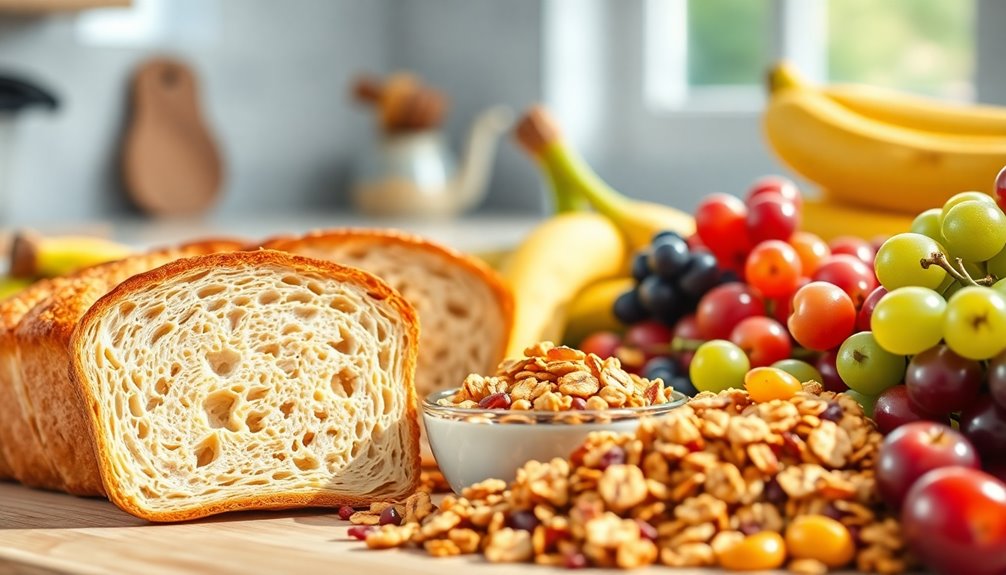
To succeed on the keto diet, you need to avoid high-carb foods like bread and seemingly healthy snacks such as granola. These can disrupt ketosis and cause energy fluctuations. Be wary of hidden sugars in processed foods, flavored yogurts, and snacks. Instead, focus on low-carb options like nuts and full-fat dairy. Choosing the right sweeteners and alcohol can also make a difference. Curious about more foods to skip and tasty alternatives? There’s plenty more to explore!
The Basics of the Keto Diet: What You Need to Know
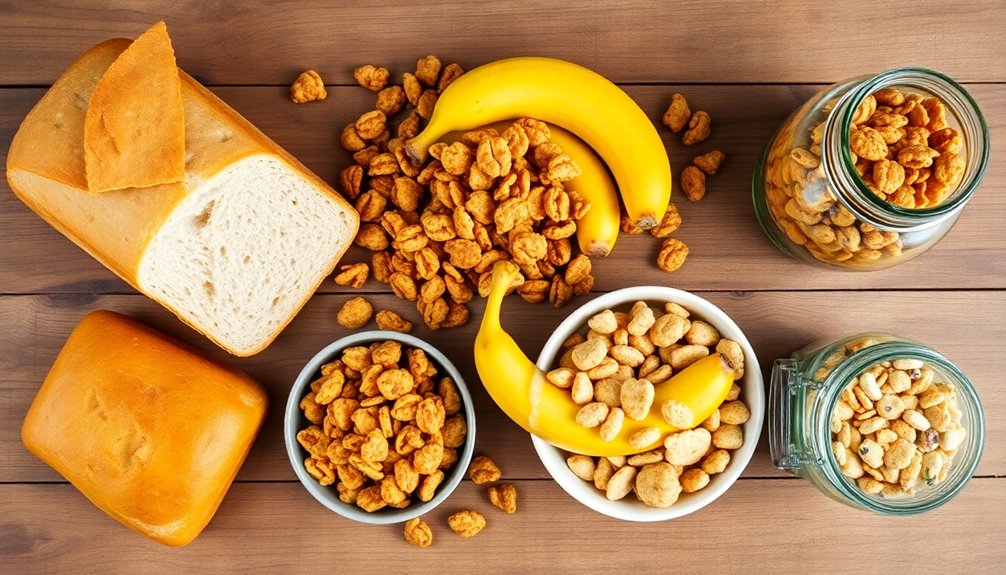
The ketogenic diet, often called keto, is a low-carb, high-fat eating plan designed to shift your body into a state of ketosis. In this state, your body burns fat for fuel instead of carbohydrates.
To succeed, you’ll need to focus on keto meal prep, ensuring you have plenty of meals ready that align with your new eating habits. Stock up on keto-friendly snacks like nuts, cheese, and avocados to keep you satisfied between meals. Additionally, understanding the macronutrient ratio is crucial for maintaining ketosis and achieving weight loss goals.
Avoid high-carb foods like bread and pasta, as they can disrupt ketosis. With the right planning, you can enjoy delicious, filling meals while reaping the benefits of the keto lifestyle.
Why Are Carbs the Enemy on Keto?
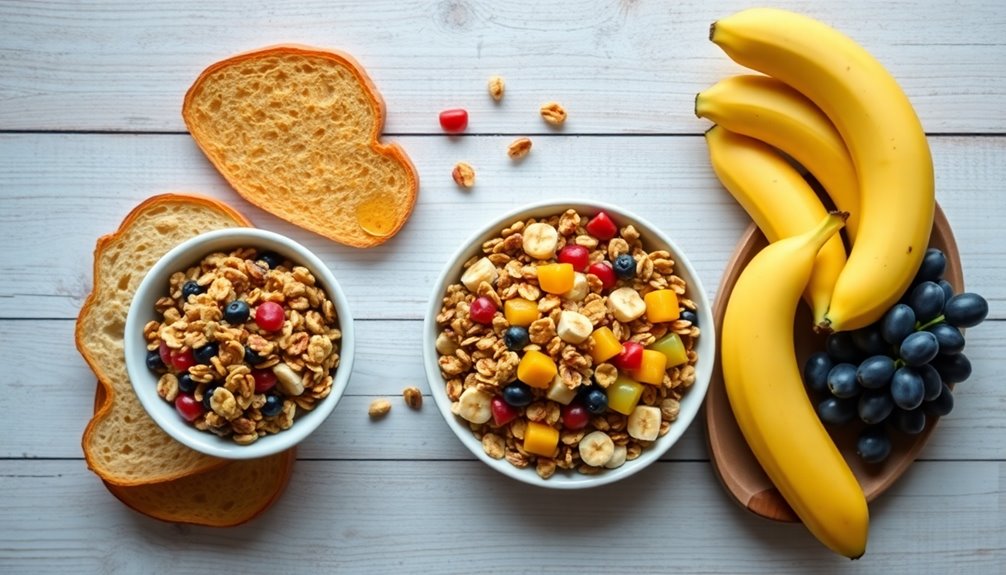
While you might love carbs, they can sabotage your efforts on the keto diet. Consuming carbs triggers an insulin response, leading to energy fluctuations and those pesky carb cravings.
When your blood sugar spikes, it disrupts your metabolic state, making it harder to maintain ketosis levels. To stay in fat-burning mode, focus on high-nutrient density foods and fiber sources that support your body without triggering insulin.
Pay attention to meal timing as well; eating carbs too close together can derail your progress. If you’re considering carb cycling, be cautious, as it may pull you out of ketosis. Ultimately, minimizing carbs helps you achieve sustained energy and better control over your cravings. Additionally, improved insulin sensitivity allows for more effective utilization of insulin, which is crucial for maintaining ketosis.
Common Misconceptions About Keto Foods
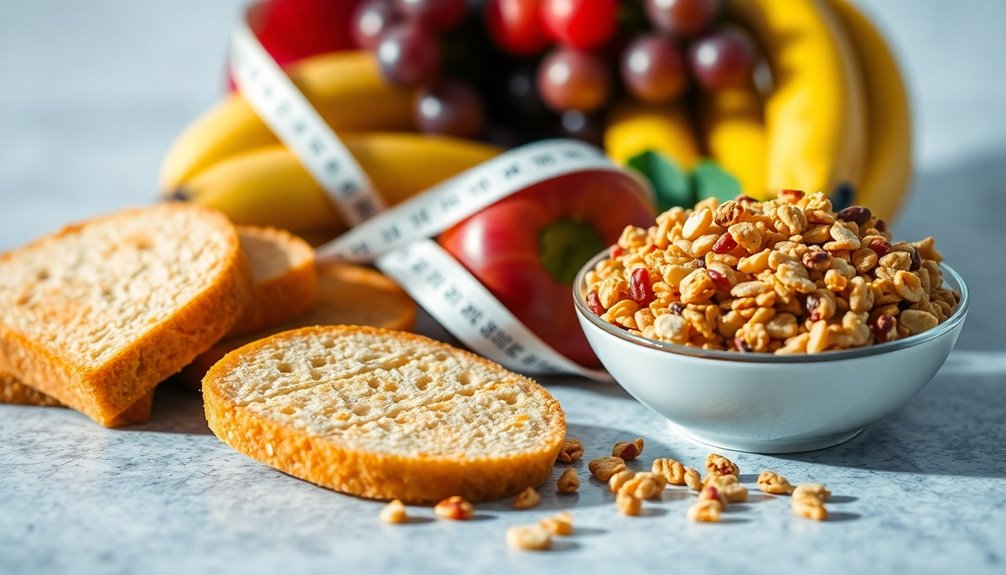
When it comes to keto, you might’ve some misconceptions about what foods are truly beneficial.
Many people think all healthy fats are good, but that’s not always the case.
Plus, hidden carbs in snacks and the idea that low-calorie options are keto-friendly can trip you up. Additionally, some may overlook the importance of low-carb sugar substitutes that can help satisfy sweet cravings without affecting blood sugar levels.
Misunderstood Healthy Fats
Many people mistakenly believe that all fats are unhealthy, especially those following a keto diet. In reality, misunderstood healthy fats play an essential role in your nutrition.
Important fatty acids from sources like avocados, nuts, and quality cooking oils enhance fat absorption and digestion. These fats are far from the fat myths you may have heard. Instead of avoiding them, embrace their omega benefits, which support heart health and brain function.
Incorporating a variety of healthy fats into your meals can provide energy and satiety. So, don’t shy away from these fat sources; they’re crucial for your keto journey and overall well-being.
Understanding the truth about healthy fats can transform your diet and enhance your results.
Hidden Carbs in Snacks
Have you ever checked the label on your favorite snack only to find hidden carbs lurking within? It’s vital to practice ingredient awareness and label reading to avoid sabotaging your keto goals.
Many snacks, even those labeled as “healthy,” can pack in unexpected carbs.
Here are some common culprits:
- Granola bars: Often loaded with sugar and flavor enhancers.
- Trail mix: Dried fruits add hidden sugars.
- Rice cakes: Surprisingly high in carbs.
- Low-fat snacks: They often substitute fats with sugars.
To stay on track, focus on mindful eating and portion control.
Consider healthy swaps and proper snack prep to create keto-friendly snack alternatives.
Low-Calorie Doesn’t Equal Keto
While you might think low-calorie foods are always keto-friendly, that’s a common misconception. Many people fall for low-calorie myths, assuming that fewer calories mean fewer carbs.
However, a food can be low in calories yet high in carbs, which isn’t ideal for your keto diet. For instance, certain low-calorie snacks, like rice cakes or fruit bars, may derail your progress because they spike insulin levels.
It’s essential to focus on high-fat, low-carb options instead. Remember, it’s not just about calorie count; it’s about the quality and type of food you consume.
The Hidden Sugars in Your Favorite Snacks
When you’re snacking on your favorites, hidden sugars could be sabotaging your keto efforts.
Many snacks cleverly disguise their sugar content, and labels can be misleading at first glance.
Plus, those sugar alternatives mightn’t be as innocent as they seem, so it’s essential to read the fine print. Additionally, some sugar substitutes, like erythritol, can lead to gastrointestinal discomfort if consumed in large quantities.
Common Snack Pitfalls
What’s lurking in your favorite snacks can often derail your keto diet without you even realizing it. Many seemingly healthy options are packed with hidden sugars and low nutrient density.
To stay on track, consider these snack pitfalls:
- Granola bars loaded with flavor enhancers
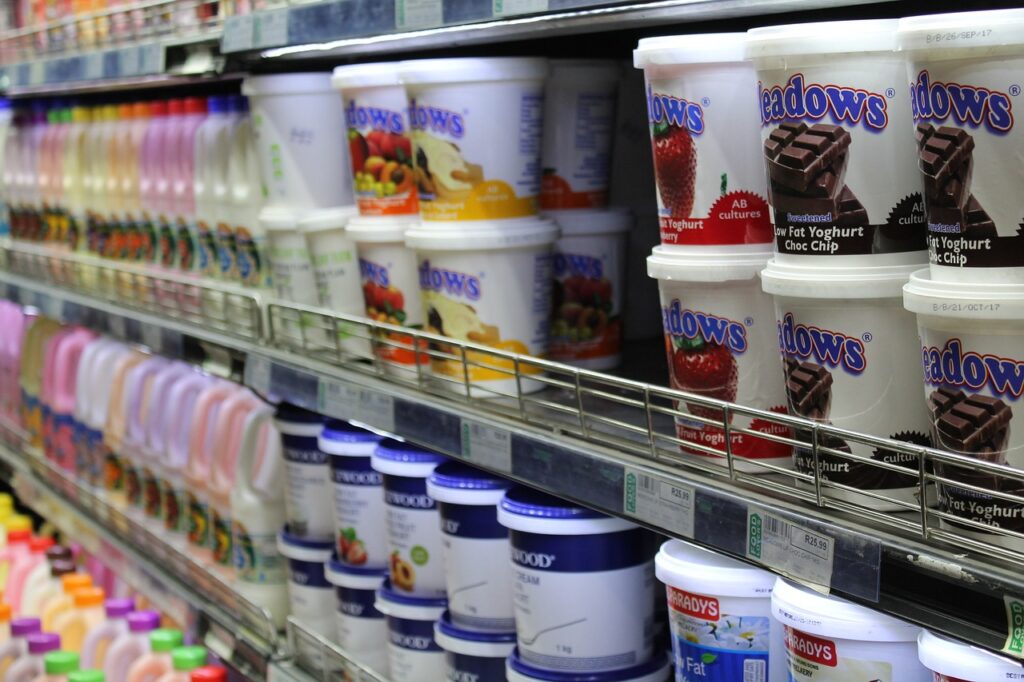
- Yogurt with added sugars, even if labeled “healthy”
- Store-bought protein bars that skimp on real protein sources
- Snack timing that leads to unnecessary energy dips
Opt for mindful eating and snack substitutions. Homemade options let you control ingredients and portion sizes, ensuring you satisfy cravings without compromising your keto goals.
Labels Can Mislead You
Even if a snack seems healthy at first glance, you could be falling prey to misleading labels that hide hidden sugars. Many products boast health claims like “low fat” or “natural,” but don’t let those words fool you.
Misleading packaging often conceals the true sugar content lurking in the ingredients. For instance, granola bars or yogurt labeled “light” might still pack a sugary punch that disrupts your keto goals.
Always check the nutrition label and ingredients list, focusing on total carbohydrates and added sugars. Remember, just because something sounds healthy doesn’t mean it is; being informed is key to avoiding these hidden pitfalls in your snacks.
Stay vigilant, and prioritize your keto journey!
Sneaky Sugar Alternatives
While you might think you’re making a healthy choice by opting for snacks with sugar alternatives, many of these substitutes can still disrupt your keto diet.
It’s essential to be aware of sneaky sugars lurking in your favorite treats.
- Sugar Alcohols: Often marketed as low-calorie, they can still spike blood sugar for some.
- Natural Sweeteners: Not all are keto-friendly; some contain hidden carbs.
- Keto Friendly Desserts: Even these can have unexpected sugars if you don’t check the ingredient lists.
- Label Reading: Always scrutinize labels; terms like “sugar-free” can be misleading.
Stay informed to make better choices and keep your keto journey on track!
Why Isn’t Bread Keto-Friendly?
Although bread is a staple in many diets, it doesn’t fit into a keto lifestyle due to its high carbohydrate content. Regular bread can quickly kick you out of ketosis, making it essential to explore keto bread alternatives.
You might consider gluten-free options or low carb wraps that keep your meals satisfying. Almond flour recipes are great for baking without carbs, allowing you to enjoy treats without derailing your diet. If you’re craving something crunchy, try keto-friendly snacks that use bread substitutes. Additionally, look for high fiber options that can help you feel full without the excess carbs.
Embracing these alternatives can make your keto journey easier and more delicious! Furthermore, using cloud bread offers a light and fluffy option that aligns perfectly with your low carb goals.
The Truth About Whole Grains and Keto
When considering a keto diet, you might think whole grains are a healthier option. However, their carbohydrate content can be a challenge for staying in ketosis. Let’s break down what whole grains really mean and their glycemic impact on your body. Additionally, many fruits like avocado and berries can provide essential nutrients while keeping carbohydrate intake low, making them suitable choices for a keto lifestyle.
Whole Grains Explained
Whole grains are often hailed as a healthy choice, but when you’re on a keto diet, they can pose a challenge. Many people cling to whole grains misconceptions, believing they’re always nutritious.
However, these grains can be high in carbs, which isn’t ideal for your keto goals. Instead, consider whole grains alternatives that fit better with your dietary needs.
- Almond flour
- Coconut flour
- Chia seeds
- Flaxseed meal
These options provide beneficial nutrients without the excess carbs. By swapping out traditional grains for these alternatives, you can maintain your keto lifestyle while still enjoying meals that are satisfying and healthy.
Carbohydrate Content Analysis
Understanding the carbohydrate content in foods is essential for anyone on a keto diet. You’ll want to master carb counting to stay within your daily limits. Focus on high-fiber sources like leafy greens, which can help with meal planning.
When it comes to protein choices, opt for lean meats and dairy while practicing portion control. Consider food swaps, like replacing rice with cauliflower or using zucchini noodles instead of pasta. Pay attention to your vegetable selection, prioritizing low-carb options.
For snack ideas, nuts and cheese are great picks. Don’t forget about recipe modifications that fit your dietary needs.
Finally, when dining out, always check the menu for keto-friendly options to keep your carb intake in check.
Glycemic Impact on Keto
Carbohydrate content isn’t the only thing to contemplate on a keto diet; the glycemic impact of foods also plays a significant role. Understanding the glycemic index can help you choose foods that won’t spike your blood sugar or trigger an insulin response.
Consider these factors:
- Fiber impact: High-fiber foods can lower the glycemic index.
- Meal timing: When you eat affects your blood sugar levels.
- Portion control: Keeping portions in check can mitigate blood sugar spikes.
- Food combinations: Pairing carbs with proteins or fats can balance your metabolic effects.
Incorporating these aspects can enhance your keto journey, especially if you’re practicing carb cycling or focusing on nutrient density.
Cereal and Granola: A Sneaky Saboteur
Many people don’t realize that cereal and granola can be hidden traps on a keto diet. While you might think of them as quick breakfast options or snack ideas, many are loaded with carbs.
Instead of reaching for traditional cereals, consider low carb cereals or cereal alternatives that align with your goals. You can also explore keto friendly granola or sugar free cereals that won’t sabotage your progress. Incorporating low-carb snacks into your routine, like homemade nut-based granola, can provide the satisfaction without the carbs.
If you enjoy granola recipes, try making nut based granola at home for a fiber-rich snack. Look for protein packed cereals to keep your energy up without the carbs.
Starchy Vegetables to Avoid on Keto
While breakfast choices like cereal and granola can sabotage your keto diet, starchy vegetables pose another threat. You might think veggies are always a safe bet, but certain starchy options can throw you off track.
Beware of starchy vegetables; they can derail your keto diet despite being seen as healthy choices.
Here are some starchy vegetables to avoid:
- Sweet potatoes: High in carbs and can spike insulin levels.
- Winter squash: Varieties like butternut squash have more carbs than you’d expect.
- Corn varieties: Whether it’s corn on the cob or cornmeal, it’s best to skip it.
- Root vegetables: Carrots and yams alternatives can be sneaky carb sources.
Additionally, glycemic index levels of certain squash can lead to insulin spikes if consumed excessively.
Instead, focus on low-carb veggies to keep your keto goals intact.
Stay mindful, and you’ll navigate your keto journey successfully!
The Lowdown on Legumes and Beans
Have you ever wondered why legumes and beans are often off-limits on a keto diet? Most legume types, like lentils and chickpeas, pack a hefty carbohydrate punch that can kick you out of ketosis.
While they offer decent protein content and fiber benefits, their carb count makes them less than ideal for keto meal planning. Cooking methods can also influence their nutrition, but the high carbs remain a concern. Instead of these carbohydrate sources, consider keto substitutions like cauliflower rice or zucchini noodles to keep your meals low-carb. Incorporating low-carb fruits into your diet can also provide essential nutrients while keeping your carb intake in check.
Dairy Dilemmas: Which Products to Skip?
Which dairy products should you really skip on a keto diet? While dairy can be a great source of fat, not all options are keto-friendly. Here are some to avoid:
- Regular yogurt types: Most contain added sugars and carbs.
- Low-fat cream varieties: These often have more carbs than full-fat options.
- Cottage cheese: It can be higher in carbs than you’d expect.
- Sour cream: Check for added sugars or starches in some brands.
If you’re lactose intolerant, consider dairy alternatives like almond or coconut milk.
Instead, focus on higher-fat butter options and specific cheese choices.
Focus on high-fat butter and select cheese options for a keto-friendly diet.
When it comes to whey protein, verify it’s low-carb.
Additionally, choosing high-fat dairy options can enhance your ketogenic experience by providing essential fats.
Stay informed to keep your keto journey on track!
Processed Foods: Why Don’t They Belong on Keto?
Processed foods can sabotage your keto journey with hidden carbs and sugars that you mightn’t even notice.
Plus, they often contain artificial ingredients and preservatives that don’t align with a clean eating approach.
To stay on track, it’s best to steer clear of these options.
Hidden Carbs and Sugars
While you might think you’re making healthy choices, hidden carbs and sugars in processed foods can sabotage your keto diet. Many snacks and meals labeled as “healthy” often contain sneaky ingredients that derail your carb counting efforts.
By improving your ingredient awareness, you can make smarter snack choices that align with your goals.
Consider these tips:
- Read food labels carefully to spot hidden sugars.
- Understand portion control to avoid overindulging.
- Choose fiber sources wisely to maintain satiety.
- Debunk health myths that suggest these foods are keto-friendly.
Stay vigilant during diet planning; those flavor enhancers and additives might seem harmless but can lead you off track.
Make informed decisions to guarantee your keto journey remains successful!
Artificial Ingredients and Preservatives
When you’re on a keto diet, steering clear of artificial ingredients and preservatives is essential for maintaining your health and staying in ketosis.
Many processed foods contain artificial flavors, food additives, and chemical sweeteners that can disrupt your metabolic state. The preservative effects of these ingredients may mask their negative health implications, leading to inflammation and other issues.
With label scrutiny, you’ll want to prioritize ingredient transparency to make informed choices. Opt for natural alternatives that support your keto goals, like whole foods rich in healthy fats.
Sweeteners: Which Ones Are Actually Keto-Friendly?
How can you satisfy your sweet tooth on a keto diet without derailing your progress? Choosing the right sweeteners is essential. Here’s a quick keto sweeteners comparison to help you navigate your options:
- Stevia: A natural sweetener option with zero carbs.
- Erythritol: A popular sugar alcohol; sugar alcohols explained show it’s low-calorie and doesn’t spike blood sugar.
- Monk Fruit: Another natural sweetener; check its sweetener serving sizes to avoid overuse.
- Allulose: A liquid sweetener; refer to a liquid sweeteners guide for recipes.
Be cautious of artificial sweeteners risks, and consider doing sweetener taste tests to find what you enjoy.
With low carb dessert ideas, you can indulge while staying on track!
Alcohol on Keto: What Should You Know?
Curious about how alcohol fits into your keto lifestyle? While you can enjoy a drink now and then, it’s important to choose wisely. Not all alcohol types are created equal.
Stick to spirits like vodka, gin, or whiskey, as they contain zero carbs. When mixing, opt for low-carb mixers to create keto-friendly cocktails that won’t derail your progress.
Avoid sugary drinks and beer, as they typically pack in unwanted carbs. Dry wines can be a decent option, too, but always check the label.
How to Identify Keto-Friendly Alternatives
What should you look for when searching for keto-friendly alternatives? Start by focusing on low-carb options that fit your meal prep strategies. Consider ingredient substitutions that maintain flavor while cutting carbs. For snacks, think about simple keto-friendly swaps like nuts or cheese instead of chips.
- Explore dairy alternatives like almond or coconut milk.
- Opt for vegetable choices like zucchini noodles instead of pasta.
- Get creative with low carb baking using almond flour.
- Keep portion control in mind, especially when dining out.
When grocery shopping, read labels carefully to verify you’re sticking to your keto goals. With these tips, you’ll easily find delicious alternatives that support your keto lifestyle.
Conclusion
Navigating the keto diet can feel overwhelming, but avoiding certain foods makes all the difference. Ditching bread, steering clear of hidden sugars, and skipping processed snacks can help you stay on track. Embrace whole foods, savor healthy fats, and relish in keto-friendly alternatives. Remember, it’s not just about what you can’t have; it’s about discovering new flavors, enjoying nourishing meals, and feeling your best. With each choice, you’re one step closer to your goals.