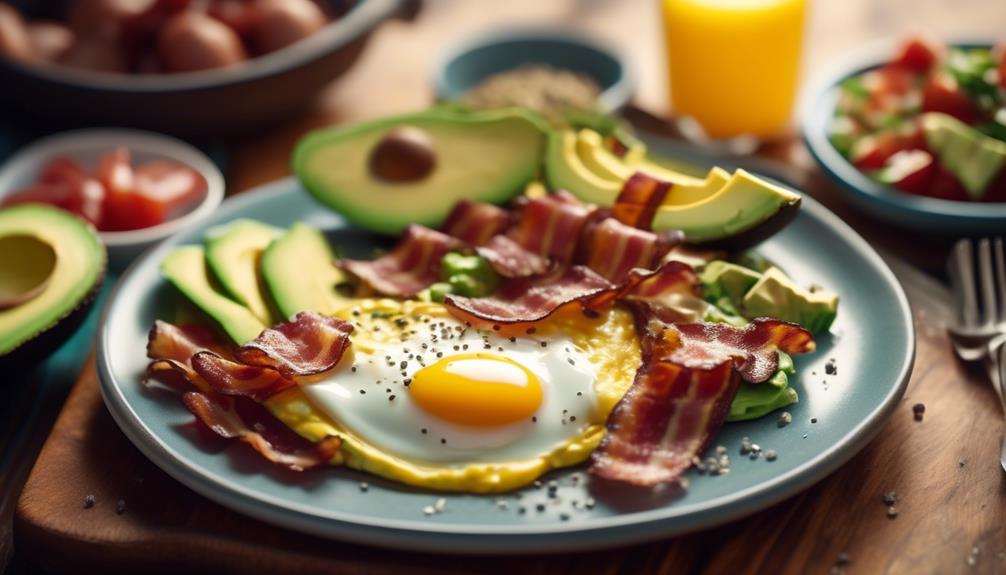
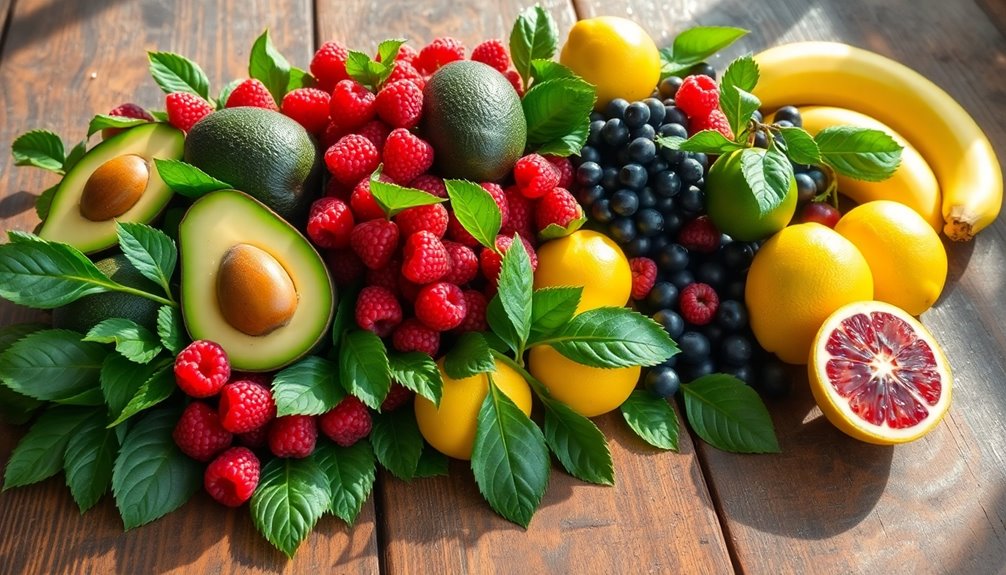
When you’re on a keto diet, knowing which fruits to enjoy and which to skip is essential. Stick to low-carb options like berries, avocados, and melons, while avoiding high-sugar fruits like bananas and grapes. Portion control matters, so be mindful of how much you eat. Pairing fruits with healthy fats can also help you feel satisfied. There’s more to discover about balancing your fruit intake on keto to keep your diet on track.
Understanding the Keto Diet and Its Principles
When you immerse yourself in the keto diet, you’ll quickly discover it’s all about drastically reducing carbs and increasing fats to push your body into ketosis. The keto basics revolve around a high-fat, moderate-protein, and low-carb approach.
By limiting your carbohydrate intake, your body shifts from burning glucose for energy to utilizing fat stores instead. This process can lead to weight loss and improved energy levels.
Limiting carbs shifts your body from burning glucose to utilizing fat, promoting weight loss and boosting energy levels.
Understanding these dietary principles is essential for success. You’ll need to be mindful of food choices, focusing on healthy fats like avocados, nuts, and olive oil while avoiding sugary snacks and grains. Additionally, monitoring cholesterol levels is crucial to ensure the diet positively impacts your heart health.
As you adapt, tracking your macronutrients helps guarantee you stay within the right ratios, keeping you on the path to ketosis and better health.
Why Some Fruits Are High in Sugar
When you think about fruits, it’s easy to overlook their sugar content. Many fruits contain natural sugars that can impact your keto diet, especially if you don’t pay attention to their glycemic index. Understanding these factors and practicing portion control can help you enjoy fruits without derailing your goals. For instance, carbohydrate limits are crucial for maintaining ketosis, making it important to choose fruits wisely.
Natural Sugar Content
While you might think all fruits are healthy, some pack a surprising amount of natural sugars. When you crave something sweet, it’s easy to overlook how certain fruits can disrupt your nutrition balance.
Fruits like bananas and grapes are delicious but high in sugar, making mindful eating essential. Instead, consider fruit alternatives or use sugar substitutes to satisfy your sweet cravings without going overboard.
Keep portion guidelines in mind to enjoy the fruit benefits while managing your intake. Opt for lower-sugar options like berries and avocados, which provide flavor options without the excess sugar.
Glycemic Index Explained
Understanding the glycemic index (GI) helps explain why some fruits are higher in sugar than others. The GI measures how quickly a food raises your blood sugar levels.
Fruits with a high GI, like watermelon or ripe bananas, can cause a rapid insulin response, leading to spikes in blood sugar. In contrast, lower-GI fruits, such as berries and cherries, release sugar more slowly, making them a better choice for a keto diet.
By paying attention to the GI, you can select fruits that won’t disrupt your ketosis. Remember, it’s not just about sugar content; how quickly that sugar hits your bloodstream matters too.
This knowledge empowers you to make smarter fruit choices on your keto journey.
Portion Control Importance
Although many fruits are nutritious, their sugar content can quickly add up if you’re not mindful of portion sizes. This is essential on a keto diet, where keeping carbs low is key.
Here are some tips to help you enjoy fruits while practicing mindful eating:
- Choose berries like strawberries and raspberries—they’re lower in sugar.
- Limit servings to a small handful, especially for higher-sugar fruits like bananas and grapes.
- Pair fruits with healthy fats, such as nuts or avocado, to balance blood sugar levels.
- Track your intake to guarantee you stay within your carb limits.
The Importance of Carbohydrate Count in Fruits
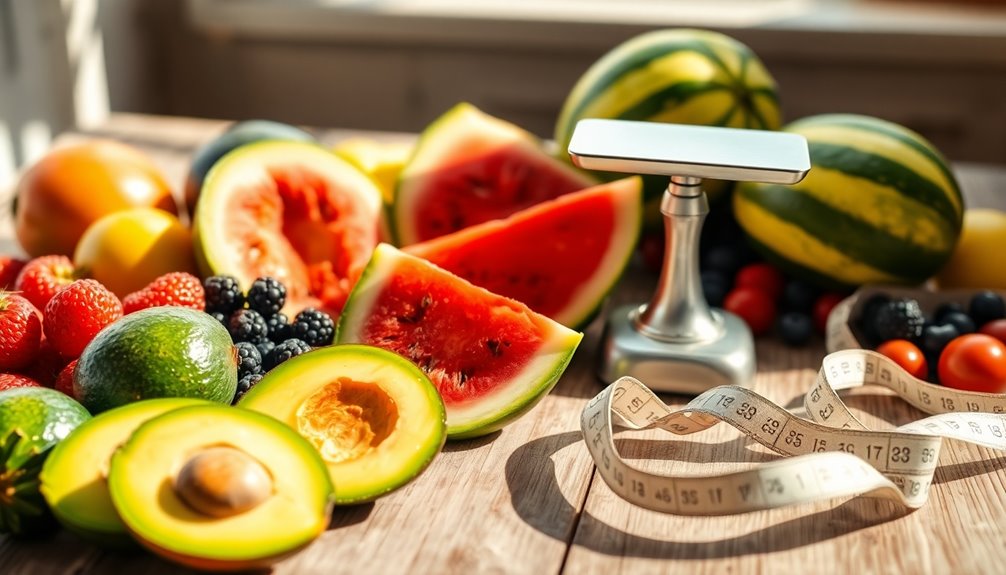
When you’re following a keto diet, knowing the carbohydrate count in fruits is essential for maintaining your state of ketosis.
Fruits can vary widely in their carb content, so being mindful of your fruit selection is vital. High-carb fruits, like bananas and grapes, can quickly push you over your daily limit, making carbohydrate awareness a key part of your strategy.
On the other hand, lower-carb options can fit into your meal plan without disrupting ketosis. By focusing on the carbohydrate count of the fruits you choose, you can enjoy a variety of flavors while staying on track with your diet. Incorporating fiber-rich keto fruits helps you reap the nutritional benefits of fruits without compromising your keto goals.
Low-Carb Fruits You Can Enjoy on Keto
When you’re on a keto diet, knowing which low-carb fruits to enjoy can make a big difference.
You’ll want to focus on the best options and pay attention to serving sizes to stay within your carb limits.
Let’s explore some delicious choices that fit perfectly into your meal plan, including nutrient-rich superfoods that can enhance your overall health.
Best Low-Carb Options
While sticking to a keto diet, you might think fruits are off-limits, but there are several low-carb options that can satisfy your sweet tooth without derailing your goals.
Incorporate these fruits into your meals for delicious, keto-friendly choices:
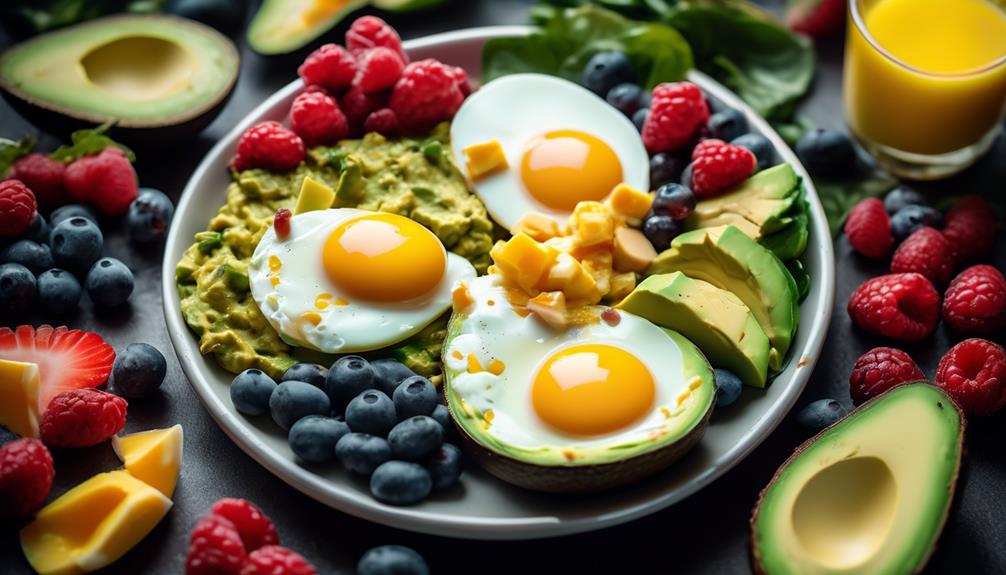
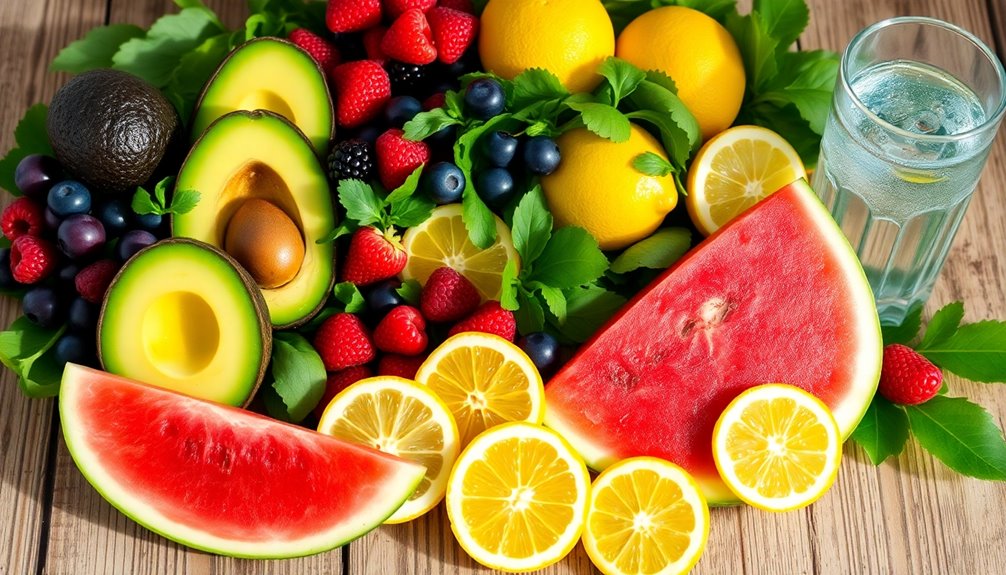
- Berries: Strawberries, raspberries, and blackberries are perfect for low-carb smoothies or as healthy fruit toppings.
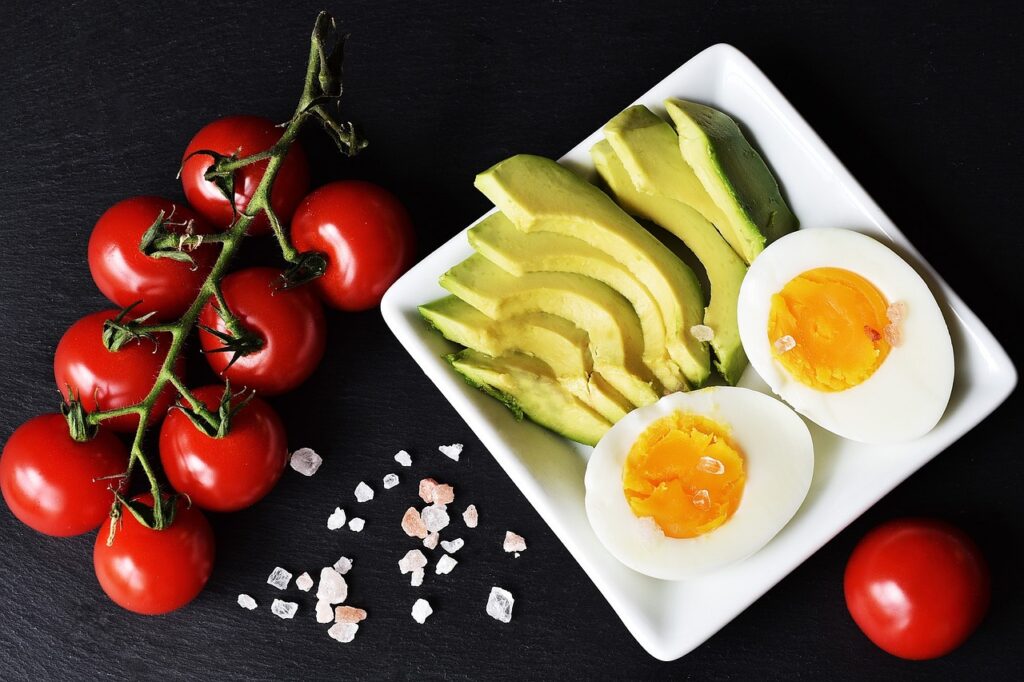
- Avocado: Technically a fruit, it’s great for fruit-based snacks and adds healthy fats.
- Melons: Cantaloupe and watermelon can be enjoyed in moderation and are invigorating in fruit-infused water.
- Lemons and Limes: Use them for flavoring keto-friendly desserts and drinks, or to sweeten with sugar substitutes.
These options keep your diet tasty while staying low in carbs!
Serving Sizes Matter
Though you may be excited to add some low-carb fruits to your keto diet, it’s crucial to pay attention to serving sizes. Enjoying berries like strawberries, raspberries, and blackberries can be a great choice, but remember to stick to small portions—about half a cup.
Using smart serving strategies, you can create delightful fruit combinations. For example, mix a few berries with unsweetened Greek yogurt for a satisfying snack without overdoing the carbs.
Avocado is another low-carb fruit that can be enjoyed in larger servings, adding healthy fats to your meals.
Berries: The Best Choice for Keto-Friendly Snacking
If you’re looking for a delicious yet keto-friendly snack, berries should be at the top of your list. These low-carb fruits offer a wealth of benefits, making them perfect for your diet.
Here are some snacking tips to enjoy various berry varieties:
- Mix berries in keto smoothies for a revitalizing treat.
- Create berry desserts like chia pudding for a sweet indulgence.
- Pair seasonal berries with nuts or cheese for a satisfying snack.
- Take advantage of their antioxidant benefits to boost your overall health. Additionally, berries are rich in essential nutrients that support overall wellness.
With their impressive berry nutrition, you can savor the flavors while staying on track.
Make berries your go-to choice for healthy snacking!
Avocado: a Fruit Packed With Healthy Fats
Avocado is a powerhouse of healthy fats that can elevate your keto diet to new heights. Packed with monounsaturated fats, it not only helps you stay in ketosis but also supports heart health.
The avocado benefits extend beyond fats; it’s rich in fiber, keeping you full and satisfied longer. Plus, its creamy texture makes it a versatile addition to your meals or snacks—think salads, smoothies, or simply as a topping. Avocados also promote ketosis by enhancing fat burning and ketone production, making them an essential part of your ketogenic lifestyle.
You’ll love how easy it’s to incorporate avocado into your diet while still indulging in its rich flavor. With low carbs and high nutritional value, it’s a fruit you won’t want to skip.
Melons: Which Varieties Fit Your Keto Plan?
When it comes to incorporating melons into your keto diet, which varieties should you choose?
Some melon varieties can be keto-friendly options, offering hydration benefits and flavor without derailing your plan.
Certain melon varieties can fit into your keto diet, providing hydration and flavor while keeping your goals on track.
Here are four to evaluate:
- Cantaloupe – This sweet melon has a moderate carb count; stick to small portions.
- Watermelon – Invigorating and hydrating, opt for small servings to keep carbs in check. Its high glycemic index may affect ketosis, so moderation is key.
- Honeydew – Slightly sweeter than cantaloupe, enjoy it in moderation for its nutrient profile.
- Bitter Melon – A unique savory option, it’s low in carbs and great for health benefits.
Citrus Fruits: Can You Include Them in Moderation?
Can you enjoy citrus fruits while sticking to your keto diet? Absolutely, but moderation is key.
Citrus fruits, like lemons and limes, offer significant citrus benefits, such as high vitamin C and antioxidants, which can boost your immune system and enhance overall health.
While oranges and grapefruits are delicious, they contain more carbs, so you’ll want to be cautious with portion sizes to maintain keto compatibility.
Incorporating small amounts of these fruits can add flavor to your meals without derailing your diet. Consider using lemon juice in dressings or zesting citrus for a burst of flavor. Additionally, high vitamin C from citrus can be beneficial for overall health.
Just remember, balance is essential; enjoy their benefits but keep an eye on your carb intake to stay on track with your keto goals.
Stone Fruits: What to Know Before You Bite
While stone fruits such as peaches, plums, and cherries can be tempting, you need to be cautious if you’re following a keto diet.
Stone fruits like peaches, plums, and cherries are delicious but should be approached with caution on a keto diet.
These stone fruit varieties can be higher in carbs than other fruits, so moderation is key. However, they also offer health benefits you shouldn’t overlook.
Here are some tips to enjoy stone fruits while staying keto-friendly:
- Choose Wisely: Opt for lower-carb varieties like black plums.
- Portion Control: Limit yourself to a small portion to manage carb intake.
- Pair with Fats: Combine with nuts or cheese for a satisfying snack.
- Stay Informed: Keep track of your daily carb limits to guarantee you’re staying on track.
Incorporating small portions of black beans can provide added nutrition without exceeding carb limits.
Enjoy the flavors while being mindful of your choices!
Fruits to Avoid on a Keto Diet
What fruits should you steer clear of on a keto diet? First off, high-sugar fruits like bananas, grapes, and cherries can quickly derail your carb count.
These fruits contain more sugar than you’d want, making them poor choices for your keto lifestyle. You’ll also want to avoid dried fruits, as they pack even more sugar per serving.
Instead of reaching for these sugary options, consider fruit alternatives like berries in moderation, as they’re lower in carbs. Plums can be consumed in moderation, but portion control is crucial to avoid exceeding daily carb limits.
If you’re craving something sweet, sugar substitutes like stevia or erythritol can help satisfy your sweet tooth without the carbs.
Staying mindful of your fruit choices will keep your keto journey on track and make it easier to meet your nutritional goals.
How to Incorporate Fruits Into Your Keto Meal Plan
Incorporating fruits into your keto meal plan can be simple when you focus on low-carb options.
Keep an eye on serving sizes to stay within your carb limits. Plus, you can get creative with recipes to enjoy the natural sweetness without derailing your diet.
Choosing Low-Carb Options
When you’re following a keto diet, choosing low-carb fruits can feel challenging, but it’s entirely doable with a bit of planning.
Focus on seasonal selections to guarantee freshness and flavor while keeping carbs low. Here are some great options to enjoy:
- Berries: Strawberries, raspberries, and blackberries are lower in sugar.
- Avocado: Technically a fruit, it’s rich in healthy fats and very low in carbs.
- Melons: Cantaloupe and watermelon are hydrating and can be enjoyed in moderation.
- Coconut: Fresh coconut or unsweetened coconut flakes make for excellent snacks.
Pair these fruits wisely with low-carb options like nuts or cheese for delicious fruit pairings that fit your keto lifestyle.
Serving Sizes Matter
Understanding how to manage serving sizes is key to successfully including fruits in your keto meal plan. Use effective serving strategies to guarantee you stay within your carb limits.
Consider fruit substitutions like berries or melons, which offer lower carbs per portion. Practice portion management by measuring out your servings instead of eyeballing them. Mindful eating can help you savor each bite while controlling your intake.
Look for snack alternatives, such as pairing nuts with seasonal fruits for a satisfying treat. Remember to keep portion sizes small—about a half-cup is often enough.
Experiment with fruit pairing to enhance flavors while keeping carbs in check. This way, you can enjoy fruits without derailing your keto goals.
Creative Recipe Ideas
While it may seem challenging to include fruits in your keto meal plan, there are plenty of creative ways to enjoy them without exceeding your carb limits. Here are some ideas to get you started:
- Smoothie Inspirations: Blend unsweetened almond milk with spinach, avocado, and a few berries for a revitalizing low-carb drink.
- Savory Dishes: Add diced avocado and strawberries to your salads for a burst of flavor and texture.
- Dessert Alternatives: Use coconut cream and a touch of vanilla to create a delicious dip for berries.
- Breakfast Toppings: Top your chia pudding or Greek yogurt with seasonal selections like raspberries or blackberries for a satisfying start.
Incorporate these fruit pairings and snack ideas to keep your meals exciting and keto-friendly!
Tips for Satisfying Your Sweet Tooth on Keto
How can you satisfy your sweet tooth without derailing your keto diet?
Start by exploring keto desserts made with sugar substitutes like erythritol or stevia, which can satisfy your cravings without the carbs.
Whip up a delicious fruit smoothie using low-carb fruits like berries, blended with unsweetened almond milk for a revitalizing treat.
For a quick fix, consider snack alternatives like cheese crisps or nut butter with a touch of cinnamon to curb those sweet cravings.
You don’t have to skip dessert; just get creative!
With the right ingredients, you can enjoy satisfying treats that keep you on track with your keto lifestyle, ensuring your sweet tooth is happy without the guilt.
The Role of Portion Control in Enjoying Fruits on Keto
When you’re following a keto diet, managing portion sizes becomes essential for enjoying fruits without exceeding your carb limits.
To maintain a proper keto balance, focus on smart fruit selection and portion control. Here are some tips to help you enjoy fruits while staying on track:
- Choose Low-Carb Fruits: Opt for berries, melons, and avocados that have lower sugar content.
- Measure Portions: Use a food scale or measuring cups to keep servings in check.
- Limit Frequency: Enjoy fruits sparingly—consider a few times a week instead of daily.
- Pair Wisely: Combine fruits with healthy fats, like nuts or yogurt, to enhance satiety and balance.
Conclusion
Incorporating fruits into your keto diet can feel like walking a tightrope—balance is key. By choosing low-carb options and practicing portion control, you can satisfy your cravings without derailing your progress. Berries, in particular, can be your sweet treat without the guilt. Remember, it’s all about making smart choices and keeping track of your carb intake. With the right approach, you can enjoy the best of both worlds—delicious fruits and a successful keto journey.