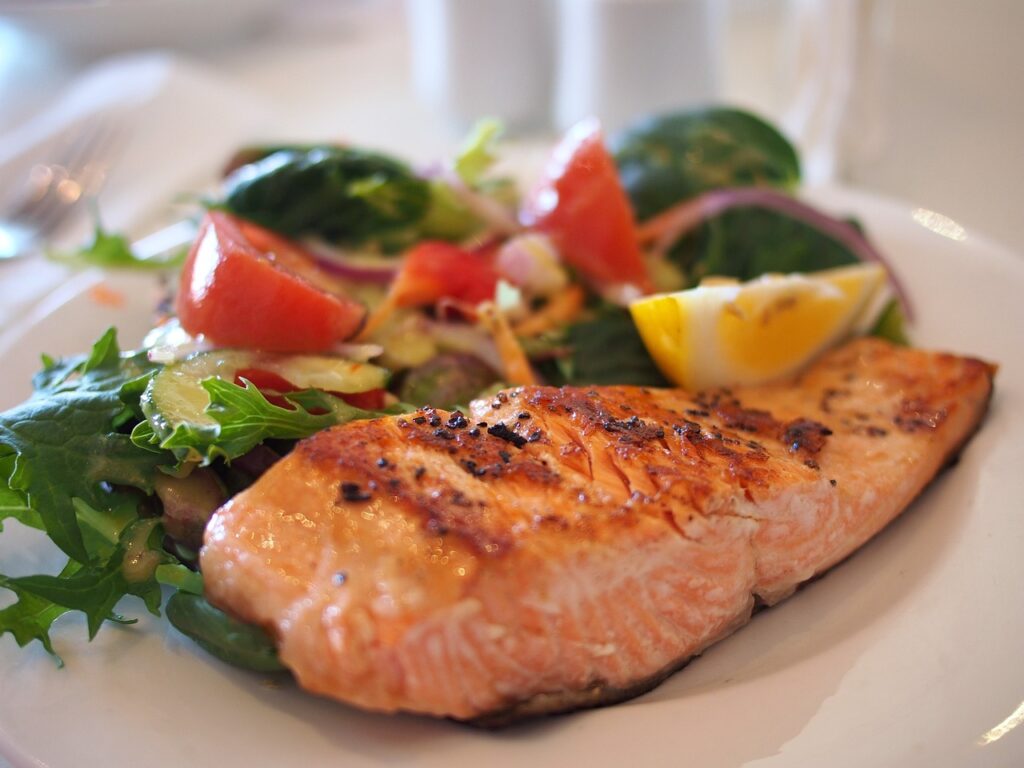

Intermittent fasting on a keto diet combines structured eating patterns with a low carb intake to enhance weight loss and metabolic health. Methods like the 16:8 schedule let you fast for 16 hours and eat within an 8-hour window, helping you regulate appetite and boost ketone production. While benefits include improved insulin sensitivity and weight loss, there are risks, like nutritional deficiencies. Discover how to begin your IF keto journey and tackle common challenges that may arise along the way.
What Is Intermittent Fasting and How Does It Work?

What’s intermittent fasting, and how does it actually work? Intermittent fasting (IF) involves cycling between periods of eating and fasting, often using the 16:8 method. This approach can reduce your overall calorie intake, leading to weight loss and improved metabolic health.
During fasting, your body experiences a metabolic switch, lowering insulin levels and promoting fat burning. After about 12 hours, it starts using stored fat for energy, entering a state similar to the ketogenic diet, where ketones fuel your brain and enhance mental clarity. Additionally, IF supports autophagy, a cellular repair process vital for longevity and disease prevention. By improving insulin sensitivity, you can maximize the benefits of calorie restriction while optimizing your health. The combination of intermittent fasting and keto can further enhance blood sugar control and weight loss outcomes.
Understanding the Ketogenic Diet Basics

Intermittent fasting can complement your journey into the ketogenic diet, making it easier to adapt to a low-carb lifestyle.
The ketogenic diet focuses on very low carbohydrate intake—around 5% or fewer—while increasing fat to 70-80% and moderate protein at 20-30%. This shift prompts your body to enter ketosis, producing ketone bodies as an alternative fuel source.
By limiting carbs to 50 grams daily, you enhance your chances for weight loss and improve blood sugar management. Foods like rice, potatoes, and sweet fruits are typically avoided.
Originally developed for managing childhood epilepsy, the ketogenic diet has gained popularity for its potential benefits in weight loss and various health conditions, including type 2 diabetes. Additionally, the combination of intermittent fasting with the keto diet may further enhance metabolic adaptation and fat burning.
Why Combine Intermittent Fasting With Keto?

Combining intermittent fasting with keto can supercharge your weight loss efforts by boosting ketone production. You’ll likely find that your appetite is more regulated, making it easier to stick to your goals without constant calorie counting. This powerful duo not only accelerates ketosis but also enhances your metabolic flexibility, leading to improved cholesterol levels.
Enhanced Ketosis Acceleration
While many seek efficient ways to enhance their weight loss journey, pairing intermittent fasting with a keto diet can greatly boost your results.
This powerful combination accelerates your entry into ketosis, typically taking just 2-4 days. Enhanced ketone levels mean your body burns fat for energy more efficiently, amplifying your weight loss efforts.
During fasting periods, you naturally reduce calorie intake without the hassle of counting every bite, which is especially useful during plateaus. Additionally, both diets work together to lower insulin levels and improve insulin sensitivity, promoting better metabolic health.
A 2024 clinical trial even showed significant body fat reductions for those combining these approaches compared to traditional diets, making this strategy a compelling choice for anyone serious about their health goals.
Improved Appetite Regulation
When you pair a keto diet with intermittent fasting, you tap into a powerful synergy that enhances your appetite regulation.
Intermittent fasting helps stabilize your blood sugar levels, reducing hunger hormones like ghrelin while boosting satiety-promoting peptide YY. This means you’re less likely to feel hungry, making it easier to stick to your low-carb, high-fat ketogenic diet.
The ketogenic diet itself also suppresses appetite due to its high fat content, which is more satisfying than carbs.
Together, these approaches not only improve appetite control but also accelerate weight loss.
Studies show significant improvements in appetite regulation among those combining these two methods, proving effective for anyone struggling with cravings during their diet journey.
Popular Intermittent Fasting Schedules to Consider
When it comes to intermittent fasting, there are several popular schedules you can try.
Each method, like the 16:8 or OMAD, offers unique benefits that can complement your keto journey.
Let’s explore these different fasting strategies to find the one that fits your lifestyle best. Additionally, incorporating intermittent fasting alongside a keto diet can enhance fat-burning efficiency and improve insulin sensitivity.
Common Fasting Methods
Intermittent fasting offers several popular methods that can fit different lifestyles and preferences.
The 16:8 Method is a favorite, where you fast for 16 hours and eat within an 8-hour window, making it easier to stick to.
Alternate-Day Fasting alternates between regular eating days and fasting days, typically limiting intake to 400-600 calories on fast days.
The 5:2 Diet allows normal eating for five days, with calorie restriction on two non-consecutive days.
If you’re up for a challenge, One Meal A Day (OMAD) involves consuming all your calories in one meal within an hour.
Finally, Time-Restricted Eating (TRE) lets you compress eating into specific time frames, aligning with your body’s natural rhythms for better metabolic benefits.
Timing Strategies for Success
Choosing the right timing strategy can greatly enhance your success with intermittent fasting, especially when combined with a keto diet.
The 16:8 method is popular for its flexibility, allowing you to fast for 16 hours and eat during an 8-hour window, promoting weight loss effectively.
If you’re up for a challenge, consider alternate-day fasting (ADF), where you consume 400-600 calories on fasting days, which can boost metabolic health.
The 5:2 diet is another option, letting you eat normally for five days while restricting calories on two non-consecutive days.
For those wanting an extreme approach, One Meal A Day (OMAD) packs all your calories into one meal.
Tailoring your time-restricted eating (TRE) can also optimize weight management and metabolic health.
How to Start Intermittent Fasting on a Keto Diet
To kick off intermittent fasting on a keto diet, start with a manageable 12-hour fasting window each day. As your body adapts, gradually increase this to 16 hours.
During your eating window, focus on nutrient-dense, keto-friendly foods like avocados, eggs, and leafy greens to guarantee you’re getting enough nutrients.
Hydration is key; drink plenty of water, herbal teas, or black coffee to help curb hunger and maintain electrolyte balance while fasting.
Pay attention to how your body responds, especially if you have any health conditions.
Combining keto with intermittent fasting can enhance weight loss by promoting quicker entry into nutritional ketosis and reducing overall calorie intake without meticulous tracking.
Enjoy the process and adjust as needed!
Potential Health Benefits of Combining IF and Keto
Combining intermittent fasting with the ketogenic diet can supercharge your weight loss efforts while improving insulin sensitivity.
You’ll likely notice sharper mental clarity, too, as your body shifts into ketosis.
This powerful duo not only helps burn fat but also supports your overall health in meaningful ways. Additionally, the reduced inflammation associated with the keto diet can further enhance your cardiovascular health.
Enhanced Weight Loss Potential
When you integrate intermittent fasting with a ketogenic diet, you greatly boost your weight loss potential.
This powerful combination promotes fat burning and helps you overcome weight loss plateaus.
Here’s what you can expect:
- Significant body fat reduction, as shown in recent studies
- Enhanced metabolic flexibility that makes calorie deficits easier
- Elevated ketone levels to fuel your body efficiently
- Improved blood sugar control, essential for managing metabolic diseases
- A natural decrease in appetite, making it simpler to stick to your goals
Improved Insulin Sensitivity
Integrating intermittent fasting with a ketogenic diet can lead to remarkable improvements in insulin sensitivity. This combination greatly lowers insulin levels, promoting better blood sugar control.
Research shows that both intermittent fasting and the ketogenic diet effectively reduce insulin resistance, which is essential for managing conditions like type 2 diabetes. A 2024 study highlighted the therapeutic benefits of this synergy, enhancing your metabolic health.
The increased ketone levels from both approaches can also help reduce inflammation, further supporting improved insulin sensitivity. Plus, the enhanced metabolic flexibility allows your body to utilize fats more efficiently, resulting in sustained energy levels and reduced hunger.
Embracing this combo could be a game-changer for your overall well-being.
Increased Mental Clarity
As you adopt both intermittent fasting and a ketogenic diet, you might notice a significant boost in mental clarity. This powerful combination enhances cognitive function by supplying your brain with stable ketone bodies.
Here are some benefits you may experience:
- Sharper focus during tasks
- Improved memory retention
- Enhanced decision-making abilities
- Increased creativity and problem-solving skills
- Better overall brain health
Intermittent fasting promotes autophagy, clearing out damaged cells, while the ketogenic diet raises levels of brain-derived neurotrophic factor (BDNF).
Together, they not only sharpen your mental clarity but also support your weight loss and health goals. You’ll find yourself more engaged and productive, making it easier to navigate your daily challenges.
Risks and Considerations When Combining IF and Keto
Combining intermittent fasting with a keto diet can offer great benefits, but it also comes with significant risks that you need to evaluate.
If you have type 2 diabetes, the combination may increase your risk of hypoglycemia, especially if you’re on blood glucose medications. Nutritional deficiencies, particularly of vitamins A, D, E, and K, can arise from limited intake during fasting periods.
Rapid weight loss may lead to loose skin, especially if you lose significant weight quickly. Additionally, if you have liver or pancreatic disorders, you should avoid this combination without medical supervision. The ketogenic diet’s emphasis on low carbohydrate intake can further complicate your nutritional balance during fasting.
Always seek consultation with a healthcare provider before starting this dietary strategy, particularly if you have pre-existing health concerns or take medications.
Who Should Avoid the IF and Keto Combination?
Who should steer clear of the IF and Keto combination? If you fall into any of the following categories, it’s best to avoid this dietary approach:
- Individuals with diabetes, especially those on medication, due to hypoglycemia risks.
- Pregnant or breastfeeding women, as calorie and nutrient restrictions can harm both mother and baby.
- Those with a history of disordered eating, since this combo might trigger unhealthy patterns.
- People who are underweight or have uncontrolled chronic conditions, to prevent further health complications.
- Anyone unsure about their health risks should consult a medical professional before trying intermittent fasting and Keto. Additionally, individuals should be cautious if they have insulin resistance, as this condition may complicate blood sugar management on such a diet.
Prioritizing your health is essential, so consider these factors carefully.
Nutritional Balance: What to Eat and Avoid
To achieve nutritional balance while following a keto diet, you’ll need to focus on high-quality fats and low-carb foods that support your energy needs. Aim for a daily intake of 70-80% fats, 20-30% protein, and 5% or fewer carbohydrates to maintain ketosis effectively.
Incorporate healthy fats like avocados, olive oil, nuts, and seeds for essential nutrients. Include low-carb vegetables such as spinach, broccoli, and cauliflower to keep your carb counts low while boosting your nutrient intake.
Avoid high-carb foods like rice, potatoes, bread, and sugary fruits, as these can disrupt ketosis. It’s also vital to monitor micronutrient intake, especially vitamins A, D, E, and K, to prevent deficiencies on your ketogenic diet journey. Additionally, focusing on healthy fats can significantly enhance your energy levels and overall well-being.
Tracking Progress: How to Measure Success on IF Keto
Tracking your progress on an intermittent fasting (IF) ketogenic diet is essential for understanding how well your efforts are paying off. Here are some effective ways to measure your success:
- Monitor weight loss: Aim for an average of 3.78 kg in three months.
- Measure ketone levels: Higher levels indicate effective ketosis, enhancing fat-burning.
- Keep a food diary: Track your dietary adherence and caloric intake.
- Assess body measurements: Regularly check waist circumference to see body composition changes.
- Utilize apps: Track fasting windows and meal times for consistency.
- Evaluate energy levels: Improved increased energy levels can be a strong indicator of the diet’s effectiveness.
Common Challenges and How to Overcome Them
Starting on an intermittent fasting ketogenic diet can present several challenges that may test your resolve. You might face hunger pangs during fasting periods; staying hydrated and snacking on high-fat, low-carb options can help during eating windows.
If you experience the keto flu with symptoms like fatigue, try easing into the diet gradually and make sure you’re getting enough electrolytes. Effective meal planning is vital—prepare nutrient-dense, keto-friendly foods to avoid impulsive eating.
Social situations can also be tricky, so plan ahead by choosing appropriate meal times and discussing your dietary needs with hosts.
Finally, monitoring progress is essential; tracking your weight loss and well-being keeps you motivated and allows for necessary adjustments if you hit a plateau.
Real-Life Success Stories: Testimonials From if Keto Practitioners
Success stories from those who’ve embraced intermittent fasting on a keto diet reveal inspiring transformations. Many practitioners report significant weight loss, improved energy, and better blood sugar levels.
Here are some highlights from their journeys:
- Over 20 pounds lost in just three months
- Enhanced mental clarity and focus throughout the day
- Reduced cravings and appetite, making adherence easier
- Quicker returns to ketosis after breaks
- Successful management of blood sugar levels for individuals with type 2 diabetes
These testimonials showcase how combining intermittent fasting with the keto diet not only fosters significant weight loss but also promotes overall well-being.
This makes it a sustainable lifestyle choice for many. Your journey could be next!
How to Stay Motivated on Your IF Keto Journey
Many people find inspiration in the success stories of those who’ve thrived on an intermittent fasting and keto diet. To stay motivated on your journey, set clear, achievable weight loss goals.
Research shows that combining intermittent fasting with a ketogenic diet can greatly enhance your results. Track your progress with regular weigh-ins and measurements; even modest losses, like 3-4 kg, can boost your motivation.
Join online communities for support and share your experiences; social interaction can help you stick to your meal plan. Focus on nutrient-dense foods to maintain energy and avoid deficiencies.
Finally, celebrate small victories, knowing that each step brings you closer to improved health and well-being.
Consulting a Healthcare Provider: Why Is It Essential?
Have you considered the importance of consulting a healthcare provider before starting an intermittent fasting and keto diet? It’s essential for your safety and success, especially if you have existing health conditions or take medications.
A professional can provide:
- Personalized advice tailored to your health history
- Risk assessment for potential blood sugar fluctuations
- Monitoring for nutritional deficiencies
- Guidance for specific groups, like pregnant individuals or those with diabetes
- Adjustments based on your progress and health outcomes
Conclusion
Incorporating intermittent fasting into your keto lifestyle can amplify your health benefits and help you reach your goals. Research shows that combining these two approaches can increase fat oxidation by up to 30%, enhancing your weight loss journey. As you navigate this path, remember to listen to your body and stay consistent. With determination and the right mindset, you can achieve remarkable results. So, embrace the challenge and enjoy the transformative effects of IF and keto together!