
To jump-start your keto diet with intermittent fasting, start by adopting a low-carb, high-fat eating plan while timing your meals. Begin with the 16/8 method, fasting for 16 hours and eating during an 8-hour window. Focus on healthy fats like avocados and fatty fish, and avoid high-carb foods. Stay hydrated and monitor your progress to maintain energy levels. By following these steps, you can enhance fat burning and overall health. There’s more to explore about managing this combination effectively.
What Is the Keto Diet and How Does It Work?
The keto diet is a transformative eating plan that flips traditional nutrition on its head. It’s a low-carbohydrate, high-fat approach, typically limiting your carb intake to just 20-50 grams daily.
By doing this, your body enters a metabolic state called ketosis, where it starts burning fat for energy instead of glucose. You can usually achieve ketosis within 2-4 days, although some may take up to a week.
The macronutrient breakdown is roughly 70% fat, 20-25% protein, and just 5% carbs. This shift not only promotes significant weight loss but also enhances insulin sensitivity, making it effective for managing conditions like type 2 diabetes. Additionally, the keto diet helps regulate blood sugar levels, further supporting weight loss and metabolic health.
This macronutrient shift encourages weight loss and boosts insulin sensitivity, making it ideal for managing type 2 diabetes.
Embracing the keto diet can truly transform your health journey.
Understanding Intermittent Fasting and Its Benefits

Intermittent fasting offers a flexible eating pattern that can boost your health in various ways.
By cycling between eating and fasting, you can lower insulin levels, promote fat burning, and enhance the benefits of the ketogenic diet. Additionally, reduced insulin levels can facilitate fat loss and improve metabolic health, making it easier to achieve your weight loss goals.
Let’s explore the popular methods and how this approach can accelerate your journey into ketosis.
Benefits of Intermittent Fasting
While many people are discovering the advantages of fasting, understanding how it enhances your health can be transformative.
Intermittent fasting (IF) offers several key benefits, especially when paired with a ketogenic diet:
- Fat Burning: Lowers insulin levels, boosting fat burning and aiding weight loss.
- Metabolic Health: The 16/8 method promotes better blood sugar control and reduces inflammation.
- Ketone Production: Initial fasting stimulates ketone production, helping you shift into ketosis faster.
- Cognitive Improvement: IF can enhance memory and decrease brain fog, supporting your mental health during dietary changes.
Incorporating these benefits of intermittent fasting into your routine can greatly enhance your overall health and weight management journey.
Popular Fasting Methods
Have you considered how different fasting methods can fit into your lifestyle? Intermittent fasting (IF) offers several popular approaches that can enhance your ketogenic diet.
The 16/8 method, where you fast for 16 hours and eat within an 8-hour window, helps lower insulin levels and promotes fat burning.
Alternatively, the 5:2 diet allows you to consume only 500-600 calories on two non-consecutive days. By reducing your eating window, you can accelerate your body’s entry into ketosis, maximizing fat utilization for energy.
Additionally, IF supports metabolic health, improves blood sugar control, and may even boost cognitive function.
Explore these methods to find what works best for you and your health goals!
Enhancing Ketosis Through Fasting
Fasting can markedly enhance your journey into ketosis by lowering insulin levels and depleting glycogen stores, making fat the primary energy source.
By incorporating intermittent fasting into your keto diet, you can experience significant benefits:
- Increased Ketone Levels: Short fasting periods boost ketone production, providing your body with an alternative fuel source.
- Enhanced Weight Loss: A 2024 study showed that combining keto with intermittent fasting leads to greater fat mass reduction.
- Reduced Cravings: Fasting helps decrease hunger, making it easier to stick to dietary restrictions.
- Improved Satiety: You’ll feel fuller for longer, which supports your weight loss goals.
Just remember, starting gradually is key to minimizing “keto flu” symptoms while fasting!
Why Combining Keto and Intermittent Fasting Can Be Effective
Combining the keto diet and intermittent fasting can supercharge your fat-burning efforts. By lowering insulin levels and enhancing fat utilization, you’ll likely see faster results. Plus, this combination can help you manage cravings, making it easier to stick to your goals. Additionally, research indicates that the ketogenic diet can significantly improve insulin sensitivity, further supporting your weight loss journey.
Enhanced Fat Burning
When you pair the keto diet with intermittent fasting, you can supercharge your fat-burning potential. This combination can lead to rapid fat loss and improved metabolic health. Here’s how:
- Lower Insulin Levels: Fasting decreases insulin, encouraging your body to use fat for energy.
- Accelerated Ketosis: You can enter ketosis in just 2-4 days, speeding up fat burning.
- Increased Ketone Production: Higher ketone levels can boost fat loss and energy.
- Muscle Preservation: This strategy helps maintain muscle mass while promoting fat loss.
Improved Insulin Sensitivity
As you explore the benefits of the keto diet alongside intermittent fasting, you’ll likely notice significant improvements in your insulin sensitivity.
When you start intermittent fasting, your body depletes glycogen stores, prompting it to burn fat for fuel, which aligns perfectly with the ketogenic diet’s low carb approach.
This combination effectively lowers insulin levels, reducing the frequency of spikes and enhancing overall blood sugar management.
Studies show that pairing these two methods can lead to a notable reduction in body fat and insulin resistance, making it particularly beneficial for those with pre-diabetes or type 2 diabetes.
Choosing the Right Intermittent Fasting Schedule for You?
How do you find the right intermittent fasting schedule for your lifestyle? Choosing the perfect fasting schedule is essential for your keto diet success. Here are some popular options to take into account:
- 16/8 Method: Eat for 8 hours and fast for 16—great for beginners.
- 14/10 Method: A gentler approach, allowing more time to adjust while still supporting fat burning and insulin regulation.
- 20/4 Method: For the more experienced, limiting eating to 4 hours can boost fat loss but may be tough to stick with.
- Eat-Stop-Eat: Fast for a full 24 hours once or twice a week, effective if you’re comfortable with fasting.
Incorporating intermittent fasting can enhance insulin sensitivity and promote fat loss, making it a powerful ally in your keto journey.
Always take into account your personal lifestyle and energy levels to find the best fit!
Essential Foods to Include in Your Keto Meal Plan
When planning your keto meals, focus on incorporating healthy fat sources like avocados and olive oil. You’ll also want to include protein-rich options such as grass-fed beef and wild-caught seafood to keep you satisfied. These foods not only support ketosis but also help maintain muscle and overall health. Including omega-3 fatty acids in your diet can enhance fat-burning potential and improve overall well-being.
Healthy Fat Sources
Healthy fats are the cornerstone of a successful keto meal plan, providing both energy and essential nutrients. To optimize your high-fat diet while incorporating intermittent fasting, focus on these healthy fat sources:
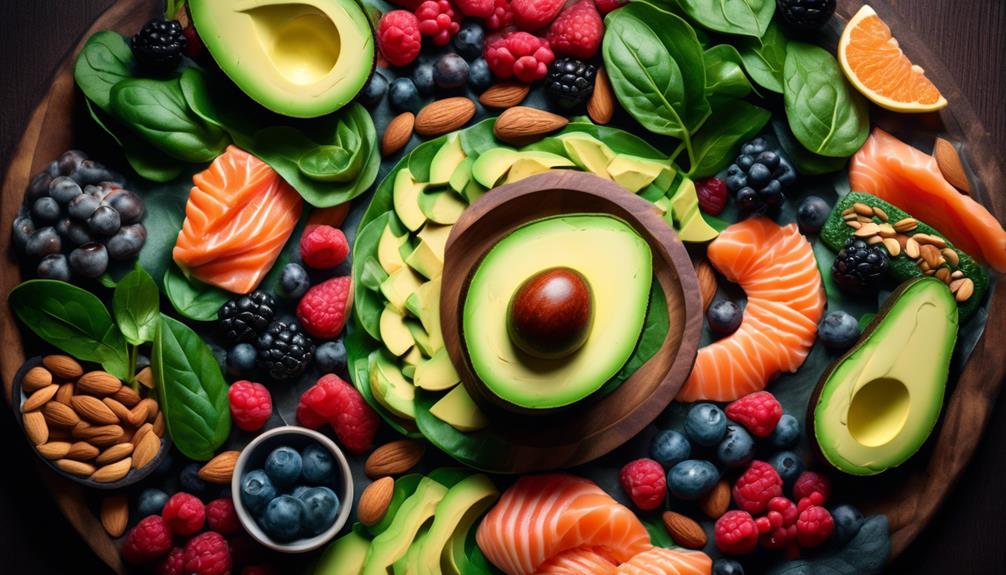
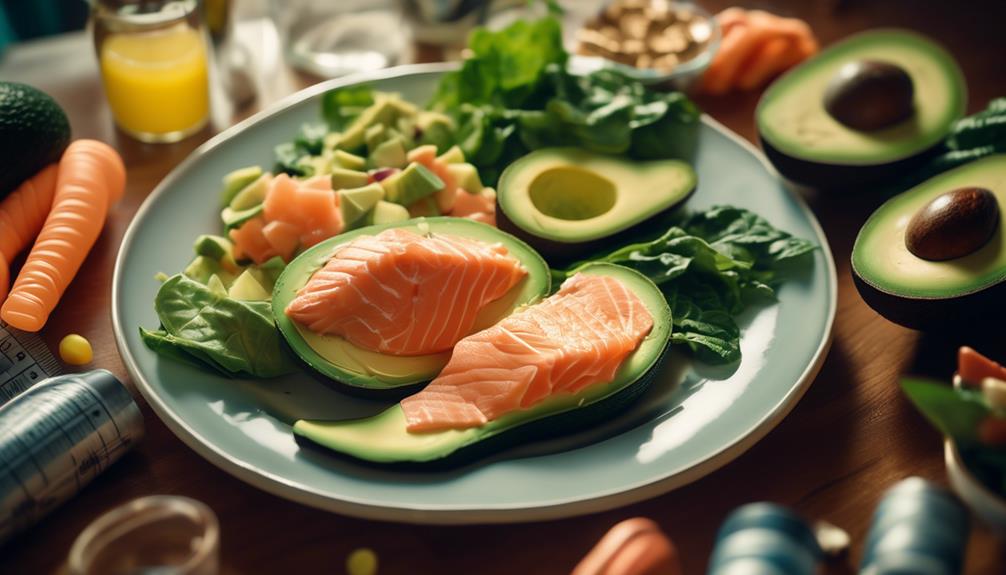
- Avocados: Packed with monounsaturated fats, offering about 15 grams of healthy fat per fruit.
- Extra Virgin Olive Oil: Rich in anti-inflammatory properties, delivering around 14 grams of fat per tablespoon.
- Nuts: Macadamia nuts contain about 21 grams of fat per ounce, while almonds offer around 14 grams.
- Fatty Fish: Salmon and mackerel provide healthy omega-3 fatty acids, with 13-20 grams of fat per 3-ounce serving.
Including these options in your keto meal plan keeps you energized and satisfied throughout the day.
Protein-Rich Options
Protein is an essential component of your keto meal plan, supporting muscle maintenance while promoting fat loss. Focus on high-quality protein sources like grass-fed beef, wild-caught seafood, and free-range eggs.
Aim for about 20-25% of your daily caloric intake from protein to stay aligned with the ketogenic diet’s emphasis on healthy fats and low carbohydrates. Full-fat dairy options, such as cheese and Greek yogurt, not only offer protein but also enhance satiety and flavor.
Don’t overlook plant-based options like nuts and seeds, but keep an eye on their carbohydrate content. For added convenience during fasting periods, snack on hard-boiled eggs or beef jerky to curb hunger while sticking to your keto guidelines.
Foods to Avoid While on Keto and Fasting
Guiding the keto diet while incorporating intermittent fasting can be tricky, especially when it comes to the foods you choose. Here are key foods to avoid:
- High-carb foods: Steer clear of bread, pasta, and rice that can spike your blood sugar.
- Sugary snacks: These can sabotage your ketosis efforts and should be eliminated.
- Starchy vegetables: Avoid potatoes, corn, and peas, as they contain too many carbs.
- Processed foods: Even “keto-friendly” snacks may have hidden sugars and unhealthy additives.
Additionally, limit your fruit intake, especially high-sugar options like bananas and grapes.
Incorporating fiber-rich foods can aid in digestion and promote fullness, supporting your fasting and keto journey effectively. Stick to low-carb berries in moderation to support your fasting and keto journey effectively.
Managing Keto Flu Symptoms During Fasting
As you navigate the challenges of the keto diet and intermittent fasting, you might encounter keto flu symptoms like nausea, fatigue, and irritability.
To manage these symptoms effectively, focus on staying hydrated by drinking plenty of water. Gradually easing into fasting can also help your body adjust, reducing the intensity of keto flu symptoms.
Staying hydrated and easing into fasting can help reduce keto flu symptoms and support a smoother transition.
During your fasting window, consider consuming small amounts of keto-friendly snacks like avocados or nuts if you feel it’s necessary.
Listening to your body is essential; if you notice increased symptoms, don’t hesitate to adjust your fasting approach or keto strictness.
This way, you can make your adjustment smoother and more comfortable while enjoying the benefits of both keto and intermittent fasting. Additionally, maintaining proper hydration and optimizing electrolyte balance can significantly help alleviate fatigue and other symptoms.
Tips for Staying Hydrated and Balanced Electrolytes
Staying hydrated and maintaining balanced electrolytes is essential when you’re on a keto diet, especially during intermittent fasting.
As your body excretes more water and electrolytes in ketosis, follow these tips to stay on track:
- Drink 2-3 liters of water daily—adjust based on your activity level.
- Incorporate electrolyte-rich foods like avocados and leafy greens to boost your electrolytes profile.
- Consider supplements for sodium, potassium, and magnesium to avoid fatigue and muscle cramps.
- Enjoy bone broth regularly; it’s a tasty way to replenish electrolytes while keeping carbs low.
Additionally, be mindful of omega-3 fatty acids as they can further support your body’s overall balance and reduce inflammation.
Monitoring Your Progress: How to Track Ketosis and Fasting Results
Hydration and balanced electrolytes lay the groundwork for your keto and intermittent fasting journey, but tracking your progress is equally important.
Start by monitoring your ketosis with urine test strips to check acetone levels, which usually indicate ketosis within 2-4 days. For more accuracy, consider using a blood ketone meter; ideal ketosis is between 0.5 to 3.0 mmol/L.
Track your fasting periods using apps or calendars to maintain adherence to your chosen schedule, like the 16/8 method. Additionally, keep a food diary to detail your daily macronutrient intake, ensuring a high-fat, low-carb ratio.
Finally, monitor body measurements, such as waist circumference and weight, to visualize your progress in both weight loss and fat reduction. Regularly measuring fasting blood glucose levels can provide insights into your overall metabolic health and insulin sensitivity.
Adjusting Your Meal Plan to Maintain Energy Levels
Maintaining energy levels during your keto diet and intermittent fasting journey is essential for long-term success. To adjust your meal plan effectively, consider these strategies:
Maintaining energy levels is crucial for long-term success on your keto diet and intermittent fasting journey.
- Prioritize healthy fats: Aim for 70% of your daily calories from sources like avocados, olive oil, and nuts.
- Choose nutrient-dense foods: These foods keep you full during fasting periods and provide essential nutrients.
- Stay hydrated: Drink plenty of water, herbal teas, or black coffee to manage hunger and maintain energy without breaking your fast.
- Monitor your protein intake: Target about 1g of protein per pound of body weight to support muscle maintenance and optimize your energy levels while on the Keto Diet with Intermittent fasting. Additionally, incorporating healthy fats can enhance your overall cholesterol profile, contributing to improved cardiovascular health.
Common Challenges When Starting Keto With Intermittent Fasting
Starting your keto diet combined with intermittent fasting can present several challenges, especially in the initial phase. You might experience “keto flu,” with symptoms like fatigue and headaches, making it tough to stick to your fasting schedule.
The restrictive nature of the ketogenic diet can also lead to heightened cravings, particularly as your body adapts to ketosis. Managing blood sugar fluctuations is another concern, especially if you have insulin sensitivity, which can impact your energy levels during fasting.
To ease these issues, consider a gradual introduction of intermittent fasting after a few days on keto. This approach helps your body adjust and may minimize discomfort, making the shift smoother and more sustainable in the long run.
Consulting Healthcare Providers: When and Why It’s Necessary?
Why should you consult a healthcare provider before diving into the combined world of keto and intermittent fasting? It’s vital to guarantee your safety and success. Here are four key reasons:
- Pre-existing health conditions: If you have diabetes, liver, or pancreatic issues, you’ll need to consult with a doctor to assess risks involved.
- History of disordered eating: Those with restrictive diet backgrounds should seek professional guidance to avoid potential setbacks.
- Pregnancy or breastfeeding: Special care is necessary for mothers and children, making consultation essential.
- Personalized dietary advice: A healthcare provider can tailor a plan that meets your unique nutritional needs while maneuvering through intermittent fasting and ketogenic diets.
Regular check-ins can further monitor your progress and any adverse effects.
Conclusion
By combining the keto diet with intermittent fasting, you can supercharge your weight loss and boost energy levels. Imagine Sarah, who struggled with stubborn weight for years. After a month of following this powerful duo, she shed 10 pounds, felt more energized, and enjoyed clearer focus. As you begin this journey, remember to stay flexible, listen to your body, and celebrate your progress. You’ve got the tools to transform your health—now it’s time to take action!