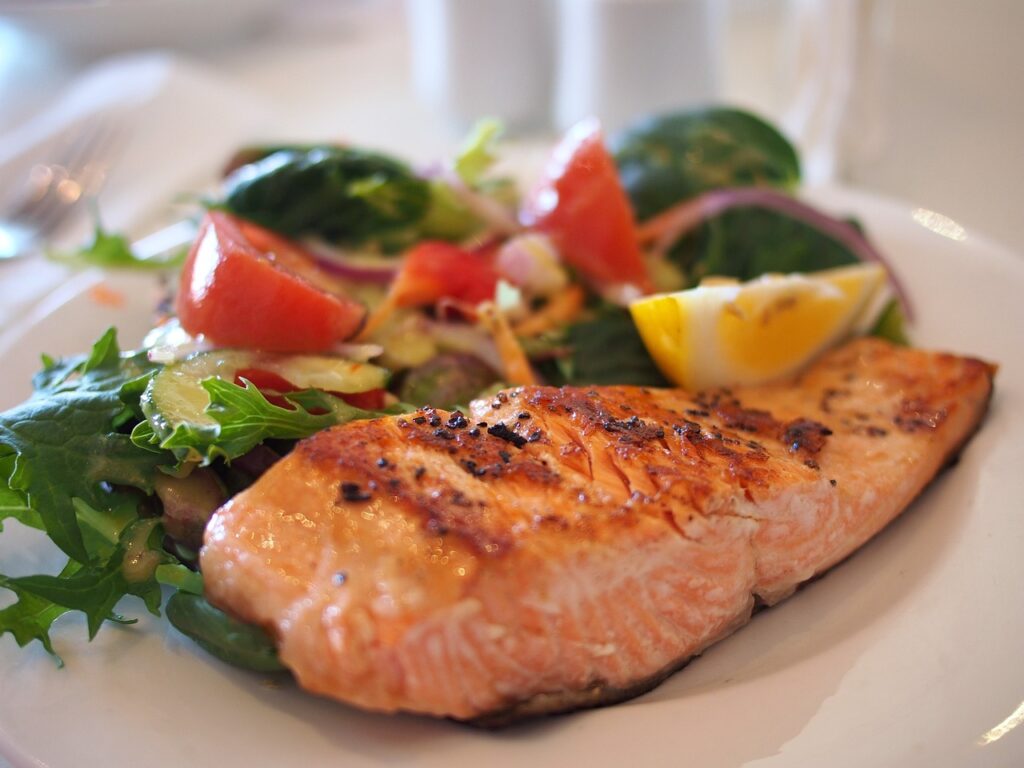

After gallbladder removal, adapting to a keto diet means adjusting your fat intake carefully. Start by introducing healthy fats like avocado and olive oil in small amounts to monitor your body’s response. Focus on smaller meals throughout the day, pairing fats with soluble fibers to ease digestion. Using digestive aids like ox bile and enzymes can also help. Stick around to discover more strategies for making your meals enjoyable and effective on your keto journey.
Understanding Your Digestive Changes Post-Surgery

After gallbladder removal, your digestive system undergoes significant changes as bile flows directly from the liver to the intestine. This adjustment can lead to digestive changes, such as a laxative effect and potential diarrhea, especially as your body learns to manage fat intake without a bile reservoir.
During this period, which may last a few weeks to a couple of months, it’s essential to monitor your symptoms, like abdominal pain and gas.
To ease discomfort, adjust your eating habits by opting for small meals—four to six a day. This approach helps your digestive enzymes work more efficiently, allowing your body to adapt gradually to new portion sizes and dietary choices after gallbladder removal. Additionally, focusing on healthy fats can support digestion and provide essential nutrients during this transition.
How to Gradually Increase Fat Intake Safely
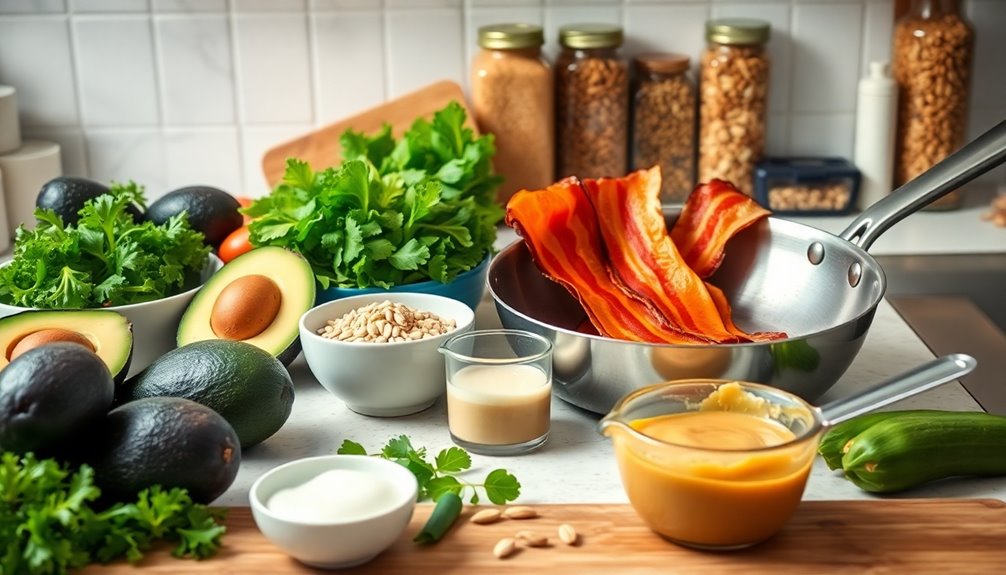
As you adjust to life without a gallbladder, it’s important to increase your fat intake gradually to avoid overwhelming your digestive system. Start by introducing healthy fats in small amounts, around 1 tablespoon, to assess your tolerance.
Monitor symptoms like diarrhea or discomfort closely, adjusting your fat intake to find your personal “sweet spot.” Pair these fats with soluble fiber-rich foods, such as avocados and Brussels sprouts, to aid digestion and nutrient absorption. Consider incorporating dairy-free keto desserts to satisfy cravings without compromising your new dietary needs.
Consider using digestive aids, like ox bile supplements, to enhance fat digestion as you gradually increase your intake. Additionally, maintain a meal frequency of 4-6 smaller meals daily to minimize strain on your digestive system while adapting to this new diet.
Choosing the Right Fats for Your Meals
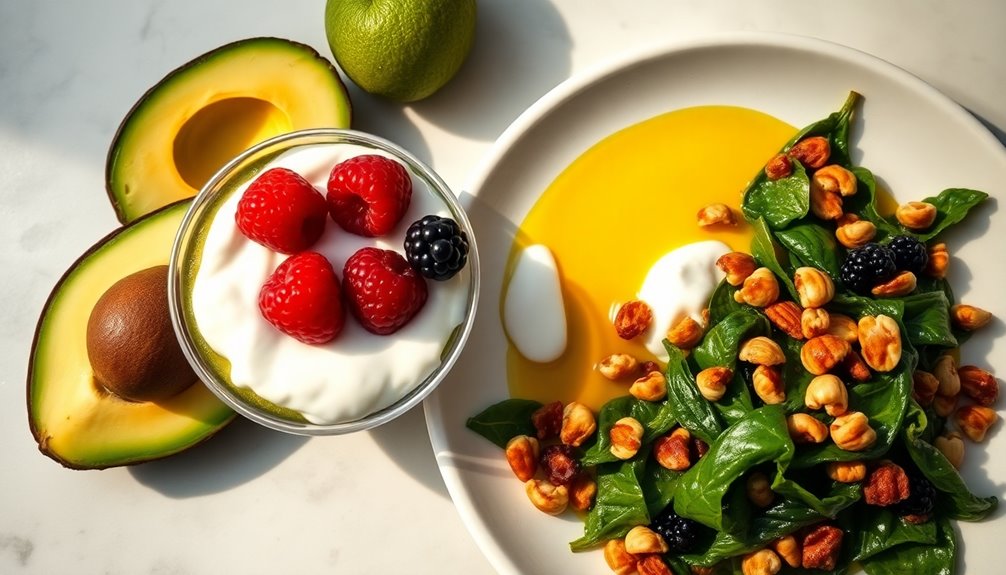
Gradually increasing your fat intake sets the stage for making informed choices about the types of fats you include in your meals.
Focus on incorporating healthy fats like MCT oil, found in coconut oil, which requires less bile for digestion and is easily absorbed. Olive oil, avocados, and fatty fish are also excellent options, providing essential nutrients while being gentle on your digestive system. Additionally, incorporating healthy fat consumption can improve overall metabolic health and support insulin sensitivity.
Incorporate healthy fats like MCT oil, olive oil, avocados, and fatty fish for gentle digestion and essential nutrients.
Limit long-chain fatty acids from red meats and full-fat dairy, as they can cause discomfort. If you’re consuming higher-fat meals, consider bile salt supplements to improve fat digestion.
Always monitor your body’s response to different fats, adjusting your intake to maintain comfort and avoid symptoms like diarrhea or bloating.
Incorporating Nutritional Aids for Better Digestion
To enhance digestion on a keto diet after gallbladder removal, consider incorporating various nutritional aids.
Digestive enzymes can help break down fats, improving nutrient absorption and reducing discomfort. Ox bile supplements are beneficial too, compensating for the lack of bile storage and enhancing fat digestion during high-fat meals.
Adding soluble fiber from sources like chia seeds can ease digestion and prevent constipation. Medium-chain triglycerides (MCTs), especially MCT oil, provide quick energy without needing bile for digestion. Additionally, using healthy fats like coconut oil can further support ketone production and enhance energy levels.
Finally, include bile-enhancing foods like lemon, ginger, and artichokes to stimulate bile production, supporting better fat digestion and overall digestive health.
These aids can make your shift smoother and more enjoyable on the keto diet.
Monitoring Your Body’s Response to Keto Adjustments
Adjusting to a keto diet after gallbladder removal can feel overwhelming, especially when it comes to monitoring how your body responds to increased fat intake. Here are a few key points to help you navigate this change:
- Track your digestive symptoms, like stool color and consistency.
- Gradually introduce healthy fats to prevent discomfort.
- Maintain a food diary to document fat intake and reactions.
Pay close attention to how your body digests fats, as malabsorption can occur without a gallbladder.
Regularly monitor your ketone levels using a blood ketone meter to guarantee you stay in ketosis while making dietary adjustments. Additionally, understanding the reduced insulin resistance that can result from a keto diet will help you tailor your meals effectively.
This proactive approach will help you identify your personal tolerance and make the keto journey smoother.
Conclusion
Adapting to a keto diet after gallbladder removal can feel like steering a ship through uncharted waters. But with patience and the right choices, you’ll guide toward smoother seas. Embrace healthy fats as your compass, guiding you toward satisfying meals. Keep an eye on your body’s signals, and don’t hesitate to adjust your sails as needed. Remember, every journey is unique, and with time, you’ll find your rhythm in this new culinary adventure.