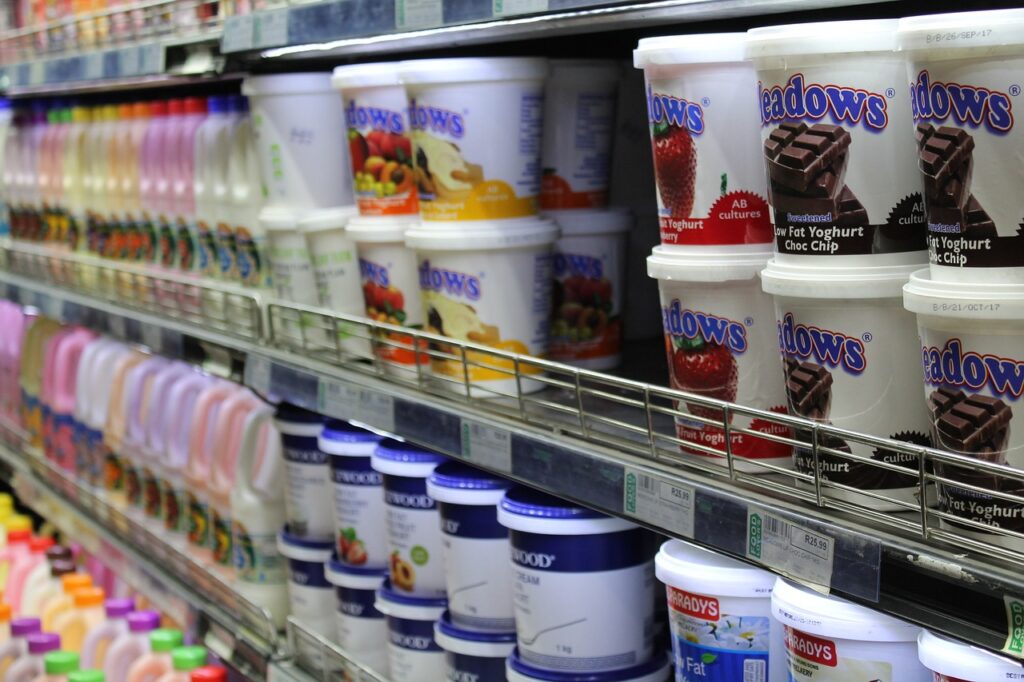

When you’re decoding keto labels, be wary of ingredients like maltodextrin. This starch derivative can spike your blood sugar and disrupt ketosis. It’s hidden in protein powders, low-carb snacks, and sugar-free sauces. Instead, opt for keto-friendly sweeteners like erythritol or monk fruit, which won’t affect your carb count. Always check labels for hidden carbs and glycemic indices to stay on track. Keep exploring to uncover more tips on steering your keto journey successfully.
What Is Maltodextrin and How Is It Made?
Maltodextrin is a versatile carbohydrate derived from starches like corn, potato, wheat, or rice. It’s created by hydrolyzing starch, a process that breaks it down using heat, enzymes, or sulfuric acid, mimicking natural digestion in your body.
The result is a fine, white powder with a slightly sweet taste, often used as a food ingredient in processed foods. While maltodextrin is commonly sourced from GMO corn, you can also find non-GMO alternatives like rice or tapioca.
Regulatory agencies, including the FDA, classify maltodextrin as safe for consumption in moderation. Its refined nature means its quality can vary based on the starch source and processing extent, but you can generally trust it as a safe addition to your diet. Additionally, it’s important to note that excessive consumption of maltodextrin can lead to increased blood sugar levels, particularly for those with insulin resistance.
The Impact of Maltodextrin on a Keto Diet
When you’re following a keto diet, you need to be cautious about ingredients that can sabotage your progress, and maltodextrin is one of those.
With a high glycemic index of 110, maltodextrin can spike your blood sugar and insulin levels, disrupting ketosis. Even small amounts can shift your body from fat-burning to sugar-burning, making it unsuitable for maintaining ketosis.
You’ll often find maltodextrin in protein powders and some sugar-free products, so it’s vital to read labels carefully. Consuming this ingredient can lead to insulin resistance and potential weight gain. Additionally, insulin sensitivity is crucial for effective appetite control while on a ketogenic diet.
Instead, consider using alternative sweeteners like erythritol or monk fruit, which won’t raise your blood sugar levels and can help keep you on track with your keto diet.
Common Foods Containing Maltodextrin to Avoid

While you’re managing the keto diet, it’s essential to stay alert for hidden sources of maltodextrin that can derail your progress.
Common foods like protein powders often contain maltodextrin, increasing carb content and making them unsuitable for your ketogenic diet. Low-carb baked goods can also surprise you with hidden carbohydrates, undermining your carb restrictions.
Processed meats and meat substitutes frequently include maltodextrin for texture, posing another risk. Even salad dressings and sauces labeled as sugar-free may contribute to blood sugar spikes.
Finally, sports performance gels and electrolyte powders often use maltodextrin for quick energy, disrupting your efforts to maintain ketosis. Always check food labels for these hidden ingredients to stay on track and ensure you’re incorporating nutrient-dense snacks that support your health goals.
Health Risks Associated With Maltodextrin Consumption
Although many people might overlook maltodextrin as just another ingredient, its consumption can pose significant health risks that are worth considering.
With a glycemic index of 110, maltodextrin can cause rapid spikes in blood sugar, increasing the risk of insulin resistance. This, in turn, can lead to weight gain as your body shifts into fat-storage mode.
Additionally, maltodextrin may negatively affect gut health by disrupting your gut microflora, allowing harmful bacteria to flourish.
Often derived from genetically modified organisms, it raises concerns about long-term health effects.
If you have corn or wheat intolerance, consuming maltodextrin could trigger allergic reactions, making it essential to be aware of these potential health risks associated with this ingredient. Furthermore, its high glycemic index can lead to elevated blood sugar levels, exacerbating health issues related to insulin sensitivity.
Keto-Friendly Sweeteners to Consider

Recognizing the potential risks of ingredients like maltodextrin opens the door to healthier alternatives that align with a keto lifestyle.
Consider incorporating keto-friendly sweeteners like erythritol and monk fruit, which have zero net carbs and won’t raise blood sugar levels. Pure stevia extract is another excellent option, but be cautious of blends containing maltodextrin or glucose.
Allulose also stands out as a low-calorie sweetener with minimal impact on blood glucose and often considered to have zero net carbs. Additionally, sweeteners like inulin can provide digestive health benefits while fitting into your keto regime.
While xylitol and sorbitol are low in calories, remember to account for half their carb content in your net carbs.
Always read labels carefully to avoid hidden sweeteners that can disrupt ketosis and affect your blood sugar levels.
Tips for Reading Labels and Making Informed Choices
When you’re maneuvering the supermarket aisle, understanding how to read labels can make all the difference in maintaining your keto lifestyle.
Here are some tips to help you make healthy food choices:
- Check Ingredients: Look for hidden carbohydrates like maltodextrin, which can disrupt ketosis.
- Understand Serving Sizes: Nutrition labels are based on set serving sizes, so be cautious to avoid overconsumption.
- Know Your Carbs: Distinguish between total carbohydrates, net carbs, and fiber, as net carbs impact your blood sugar.
- Evaluate Glycemic Index: Pay attention to the glycemic index of sweeteners; high-GI ingredients can cause insulin spikes, undermining your keto efforts.
Additionally, be mindful of cholesterol levels as they can be positively impacted by healthy fat consumption in a keto diet, promoting heart health.
Conclusion
In your quest for keto clarity, keep a keen eye on labels. Maltodextrin may masquerade as a harmless ingredient but can derail your dietary dreams. Instead, seek sweet solutions that support your low-carb lifestyle. By being bold and better informed, you’ll build a balanced plate that promotes health and happiness. Remember, making mindful choices today means a more marvelous tomorrow. So, stay savvy and savor your journey to keto success!