To start your keto diet, focus on understanding its low-carb, high-fat principles. Limit carbs to 20-50 grams daily, emphasize healthy fats like avocados and olive oil, and moderate your protein intake. Plan meals ahead to include keto-friendly options while staying hydrated. Be aware of the “keto flu” as your body adjusts, and track your progress with apps or logs. Want to explore more tips for success? There’s so much more to uncover!
What Is the Keto Diet and How Does It Work?
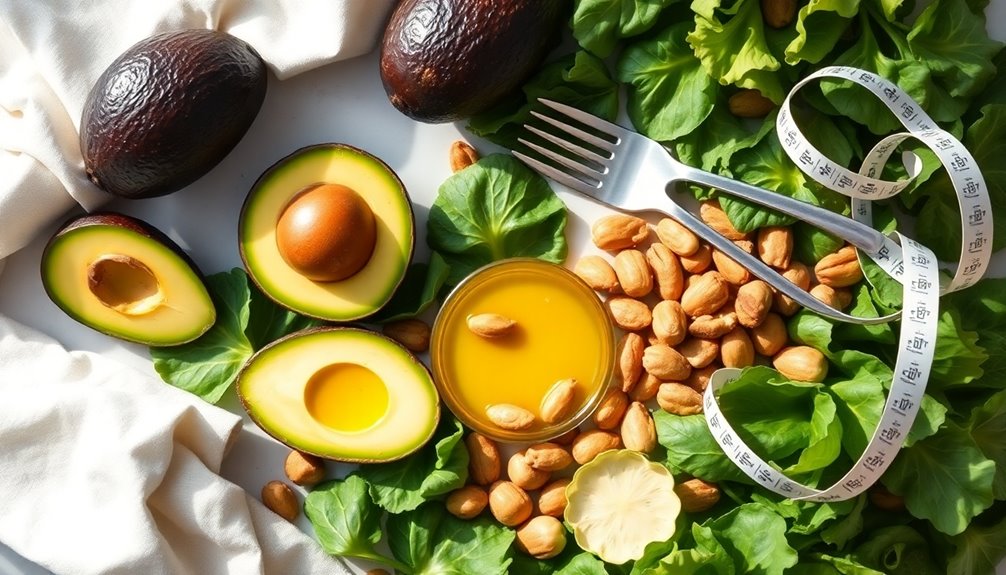
The keto diet, short for ketogenic diet, is a low-carb, high-fat eating plan designed to shift your body’s metabolism into ketosis. Its origins trace back to early 20th-century medical practices.
The ketogenic diet, a low-carb, high-fat approach, aims to transition your metabolism into ketosis, rooted in early 20th-century medicine.
You’ll find various diet variations, each emphasizing different food sources, from avocados to fatty fish. This metabolic state helps burn fat for fuel, but it’s vital to reflect on health implications, such as nutrient deficiencies. The diet’s anti-inflammatory properties can also provide significant health benefits, especially for those with chronic pain or autoimmune conditions.
Sustainability concerns arise when evaluating long-term adherence, as individual differences and cultural influences can affect your experience.
Be mindful of common pitfalls like excessive protein intake and lack of hydration. The psychological effects of such a restrictive diet can also play a role, so it’s important to approach keto with a balanced mindset.
Understanding Macronutrients: Carbs, Fats, and Proteins
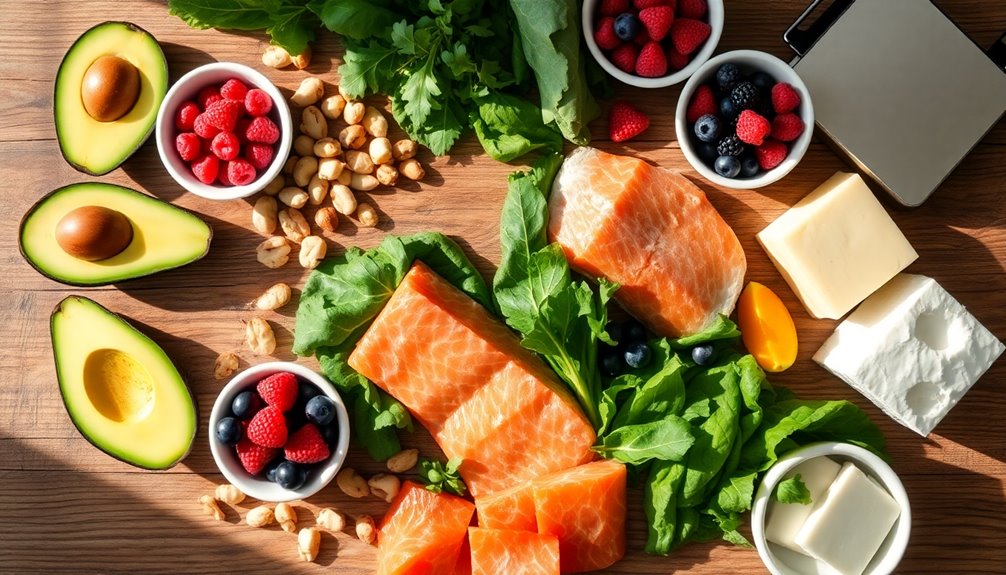
Understanding macronutrients is essential when following the keto diet, as it helps you make informed choices about what to eat. The key macronutrient ratios for keto emphasize high fats, moderate proteins, and minimal carbs.
Here’s what you need to focus on:
- Fats: Embrace healthy fats like avocados and olive oil to fuel your body. Incorporating healthy cooking oils such as coconut oil and ghee can enhance flavor while providing essential nutrients.
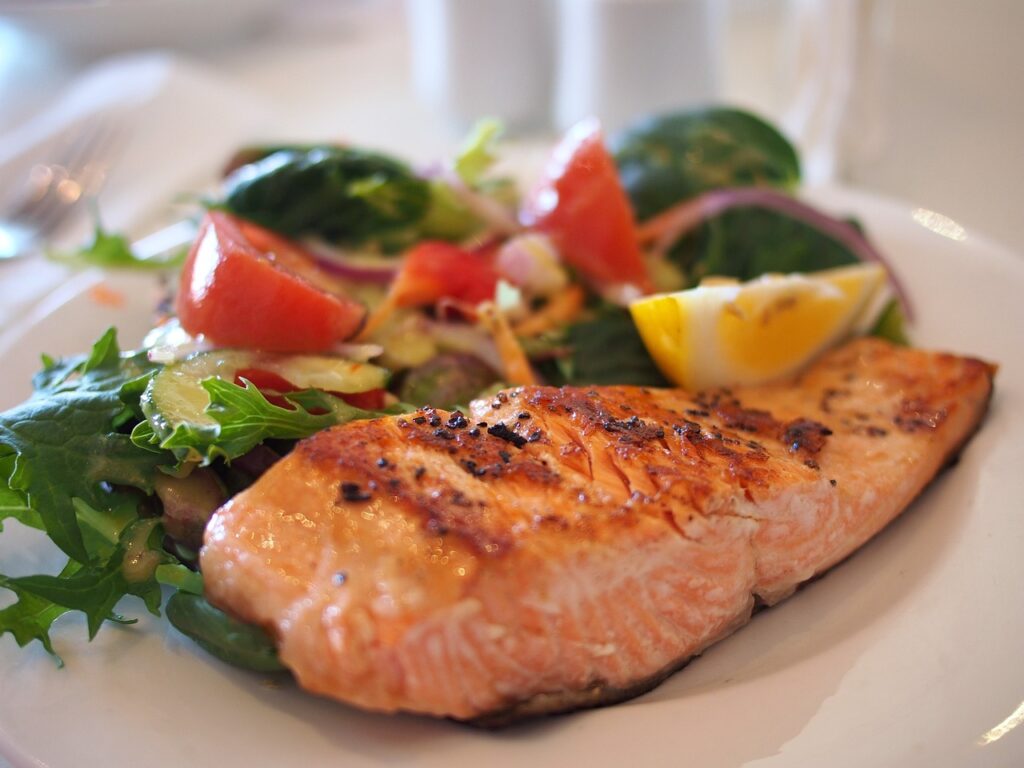
- Proteins: Choose quality protein sources, such as chicken, fish, and eggs, to maintain muscle while staying in ketosis.
- Carbs: Limit your intake to low-carb vegetables, which provide essential nutrients without kicking you out of ketosis.
Key Benefits of Following a Keto Diet
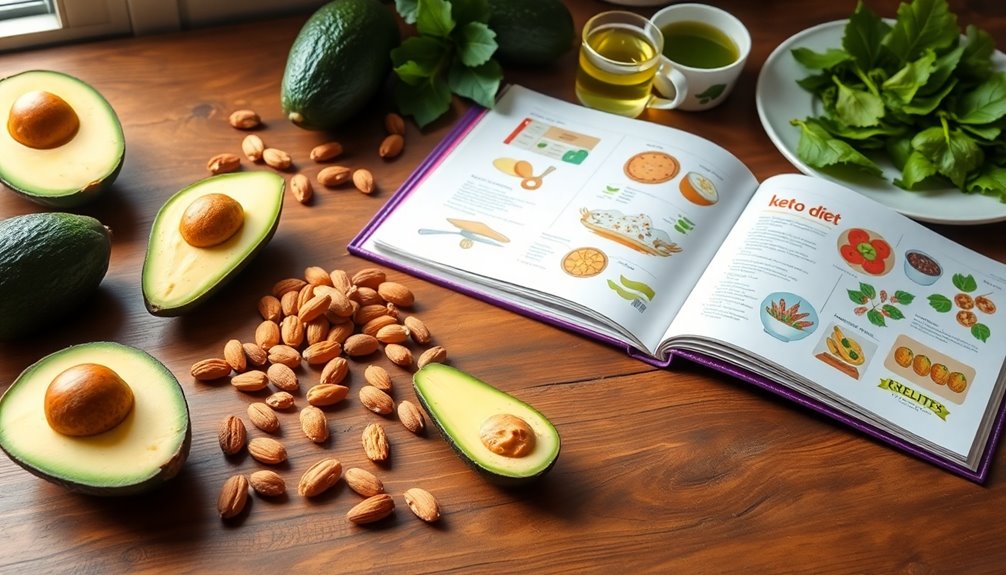
When you follow a keto diet, you can experience significant weight loss and improved mental clarity. By reducing carbs and increasing healthy fats, your body shifts into ketosis, burning fat for energy. This shift not only helps you shed pounds but also sharpens your focus and boosts your productivity. Additionally, this diet promotes stable blood sugar levels, which contributes to sustained cognitive performance throughout the day.
Weight Loss Benefits
While many diets promise quick results, the keto diet stands out for its unique approach to weight loss. By considerably reducing carbs and increasing fats, you tap into your body’s metabolic advantages, allowing it to burn fat more efficiently.
Here are three powerful weight loss benefits you can experience:
- Rapid Fat Loss: Many people share keto success stories of shedding pounds quickly, boosting motivation.
- Reduced Appetite: The high-fat content helps you feel fuller longer, making it easier to resist cravings.
- Stable Energy Levels: As your body adapts, you’ll notice consistent energy, which can enhance your workouts and daily activities.
Embracing the keto lifestyle can transform your weight loss journey and help you achieve your goals.
Enhanced Mental Clarity
As you experience the weight loss benefits of the keto diet, you might also notice a significant boost in mental clarity. This diet can enhance brain function by providing a steady supply of ketones, leading to improved cognitive benefits.
You’ll find your mental focus sharpens, giving you that clarity boost you crave. Higher energy levels from fat metabolism can elevate your mood, contributing to a productivity increase throughout your day.
Plus, the keto diet may help with stress reduction, allowing you to tackle challenges with a clearer mind. Embracing this dietary shift not only transforms your body but also enhances your mental well-being, making you feel more alert and capable in every aspect of your life.
Common Myths About the Keto Diet Debunked
When you hear about the keto diet, it’s easy to get caught up in common myths. You might think it’s all about meat, that carbs are totally off-limits, or that you’ll miss out on essential nutrients. In reality, healthy fats can positively impact your cholesterol levels and overall health, debunking the myth that keto is unhealthy. Let’s clear up these misconceptions so you can make informed choices.
Keto Is Just Meat
Many people mistakenly believe that the keto diet is all about eating meat. This keto misconception overlooks the importance of variety and balanced meals.
While protein is essential, you can enjoy a range of foods that fit within the keto framework. Here are three key points to remember:
- Healthy Fats: Incorporate avocados, olive oil, and nuts for essential nutrients.
- Low-Carb Vegetables: Leafy greens and cruciferous veggies provide fiber and vitamins.
- Dairy Options: Full-fat cheese and yogurt can enhance your meals, adding flavor and nutrition.
Embracing a variety of foods not only keeps your meals exciting but also supports your health on the keto journey.
Carbs Are Completely Banned
While variety is key in a keto diet, some people think that carbs are completely banned. This is a common keto misconception. Instead of eliminating carbs entirely, focus on choosing healthier carb alternatives, like leafy greens and non-starchy vegetables.
Incorporating healthy fats guarantees you still enjoy meal variety while maintaining ketosis. You can include keto snacks that fit within your portion sizes, making the diet more enjoyable.
Carb cycling is another option, allowing for occasional carb intake without derailing your progress. By making these lifestyle changes and learning from success stories, you’ll find that a balanced approach can provide essential nutrient sources while still adhering to keto principles.
Embrace the flexibility!
Keto Causes Nutrient Deficiencies
Although some believe the keto diet leads to nutrient deficiencies, this isn’t necessarily true. By carefully selecting your nutrient sources, you can maintain a balanced diet without missing out on essential vitamins and minerals.
Here are three ways to guarantee you’re getting what you need:
- Incorporate leafy greens: Spinach and kale are low in carbs and packed with nutrients.
- Choose healthy fats: Avocados, nuts, and seeds provide important vitamins and omega-3s.
- Consider supplementation: A good multivitamin can help fill any gaps.
Pay attention to deficiency symptoms, like fatigue or muscle cramps.
With the right planning, you can thrive on a keto diet while staying healthy and energized!
How to Calculate Your Daily Carb Limit?
How can you determine the right daily carb limit for your keto diet? Start by calculating your total daily calorie needs. Generally, a keto diet limits carbs to about 5-10% of your total intake.
For most, this translates to around 20-50 grams of net carbs per day. If you’re considering carb cycling, adjust your limits based on your activity levels. On workout days, you might increase your carb intake slightly, while keeping it lower on rest days.
Keep track of your daily intake with a food diary or app to guarantee you stay within your target. Additionally, understanding how the keto diet improves insulin sensitivity can help you make more informed choices about your carb limits. Adjust as needed to find what works for you, but always prioritize whole, nutrient-dense foods to maintain a balanced diet.
Essential Foods to Stock Up On for Keto
When starting the keto diet, stocking up on the right foods is essential for success.
Focus on high-fat options and low-carb vegetables to keep your meals satisfying and nutritious. Cucumbers, with their low carbohydrate content, are a fantastic addition to your diet, helping you stay hydrated while maintaining your nutritional balance.
Let’s explore the best choices to fill your pantry and fridge.
High-Fat Foods List
To succeed on the keto diet, stocking up on the right high-fat foods is essential.
These foods not only taste great but also help you thrive on your journey. Here’s a quick list to get you started:
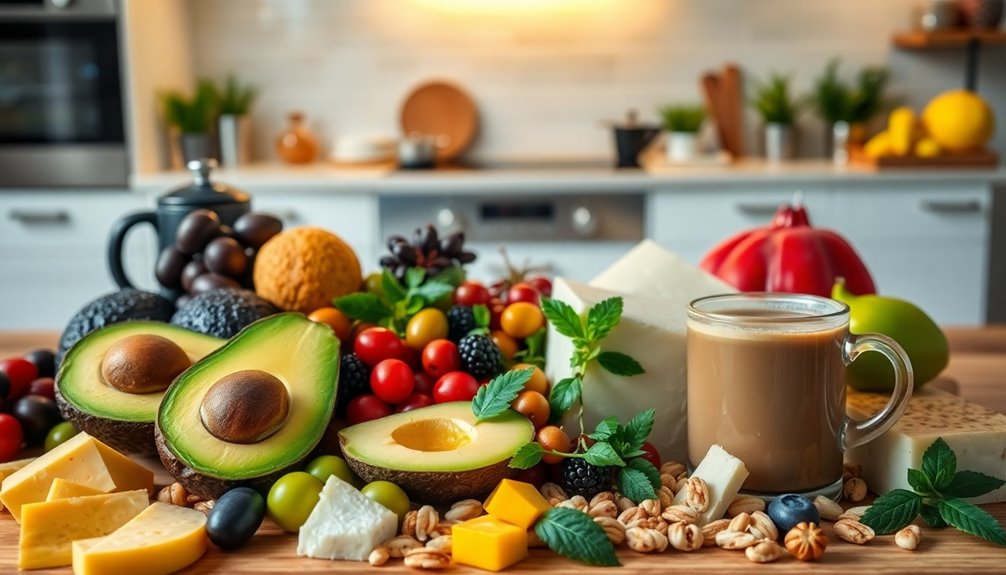
- Avocados: Packed with healthy fats, they offer incredible avocado benefits, making them perfect for salads or smoothies.
- Nut Varieties: Almonds, walnuts, and macadamias are excellent snack ideas and can be used in dessert recipes or meal combinations.
- Dairy Options: Full-fat cheese, cream, and yogurt provide rich flavors and healthy oils, ideal for various cooking methods.
Low-Carb Vegetables Choices
Incorporating low-carb vegetables into your keto diet is a smart way to enhance your meals while keeping your carb intake in check.
Focus on keto-friendly greens like spinach, kale, and Swiss chard. These options aren’t only low in carbs but also packed with essential vitamins and minerals.
Other great low-carb options include zucchini, bell peppers, and cauliflower, which can be used in various dishes.
Don’t forget about broccoli and asparagus, perfect for roasting or steaming.
By stocking up on these vegetables, you’ll add flavor and nutrition to your meals without compromising your keto goals.
Simple Keto Meal Ideas for Beginners
Starting a keto diet can feel overwhelming, but you don’t have to complicate your meals. Here are some simple ideas to get you started:
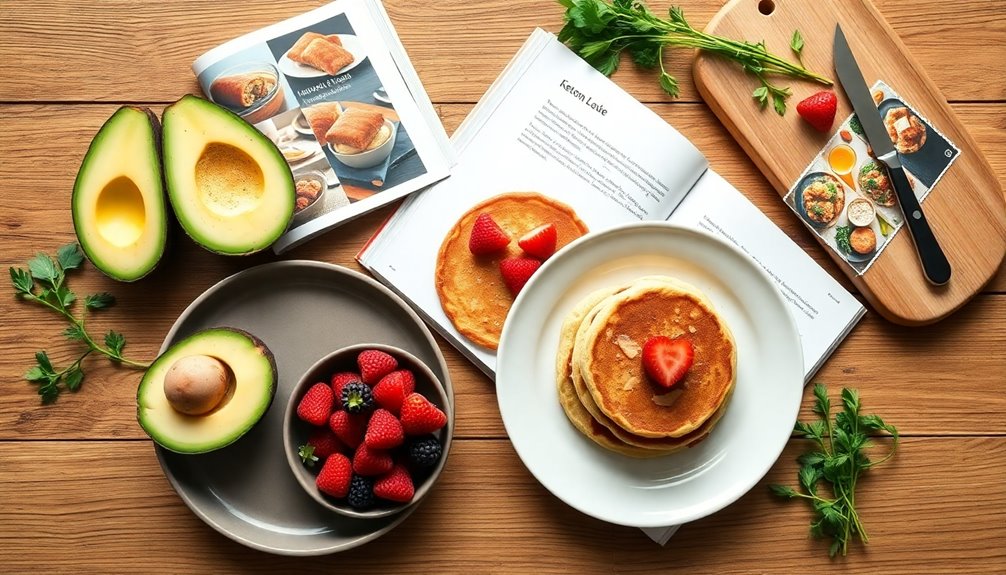
- Keto Breakfast Options: Whip up scrambled eggs with spinach and avocado for a filling start to your day.
- Quick Keto Snacks: Keep cheese sticks or mixed nuts handy for those mid-afternoon cravings.
- Easy Keto Dinners: Try zoodles with marinara sauce and grilled chicken for a satisfying meal. Incorporating high-protein meals can help support energy levels and keep you motivated.
Don’t forget about meal prep! Preparing these meals in advance can save you time and help you stick to your plan.
And for something sweet, indulge in delicious keto desserts like almond flour cookies. Enjoy the journey!
Tips for Effective Meal Prepping on Keto
When you’re prepping meals on keto, having the right ingredients is vital.
You’ll want to focus on portion control to keep your macros in check, and knowing how to store and reheat your meals can save you time during the week. Additionally, implementing batch cooking benefits can significantly reduce your weekly meal prep time.
Let’s explore these essential tips to make your keto meal prep efficient and effective.
Essential Keto Ingredients List
A well-stocked kitchen is key to successful meal prepping on the keto diet. When you have the right ingredients on hand, you’ll find it easier to whip up delicious meals that keep you on track.
Here are three keto pantry essentials you’ll love:
- Healthy Fat Sources: Avocado oil, coconut oil, and grass-fed butter are perfect for cooking and adding flavor.
- Protein Options: Stock up on chicken, beef, and eggs to create satisfying, low-carb meals.
- Snack Ideas: Keep nuts, cheese, and dark chocolate handy for quick, keto-friendly treats.
Don’t forget to invest in meal prep tools like containers and a food scale. With these staples, you’ll be well-prepared for your keto journey!
Portion Control Strategies
Having the right ingredients is just the beginning of successful meal prepping on the keto diet; mastering portion control is equally important.
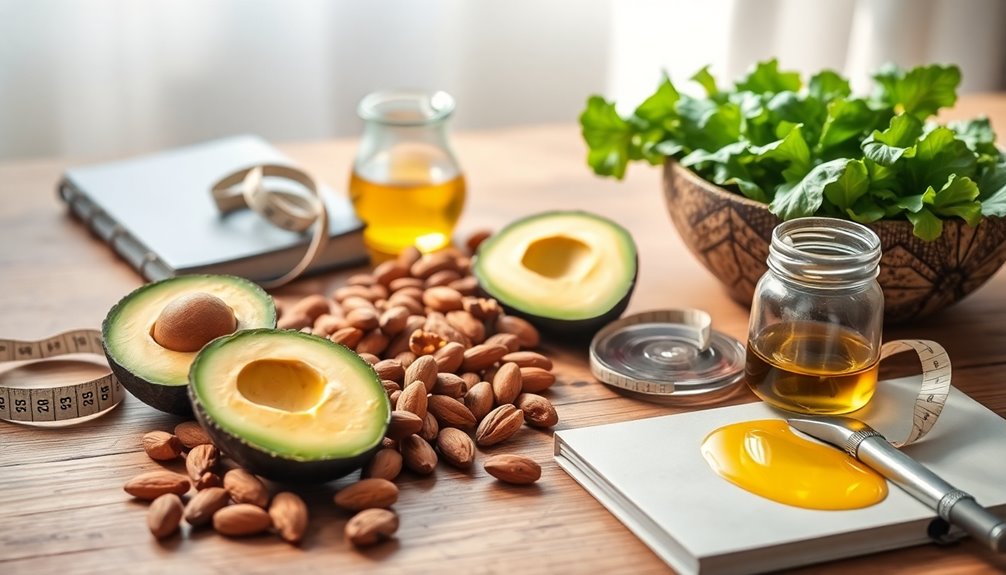
Start by determining appropriate serving sizes for your meals to help you stick to your macros. Use visual portions, like measuring cups or your hand, to guide your portion sizes.
Practice mindful eating by tuning into your hunger cues—this will prevent overeating. Adjust your meal frequency based on how you feel; some may thrive on three meals a day, while others prefer smaller, more frequent snacks.
Choose keto-friendly snack options wisely to maintain balance. By combining intuitive eating with these strategies, you’ll set yourself up for sustainable success on your keto journey.
Storage and Reheating Tips
To keep your keto meals fresh and delicious, proper storage and reheating techniques are essential. Effective meal storage not only maintains flavor but also saves you time and effort during the week.
Here are three tips to enhance your meal prepping experience:
- Use airtight containers: Invest in quality containers to keep your meals safe from moisture and air, preserving their taste.
- Label and date: Mark each container with the contents and date. This helps you track freshness and prevents waste.
- Choose the right reheating methods: Opt for stovetop or oven reheating over the microwave. This keeps your meals flavorful and avoids sogginess.
How to Stay Hydrated and Manage Electrolytes
How can you guarantee you’re staying properly hydrated while following a keto diet? Start by implementing effective hydration strategies.
Drink plenty of water throughout the day, aiming for at least 64 ounces. This helps combat the increased water loss that often occurs on keto.
Aim for at least 64 ounces of water daily to counteract increased water loss on the keto diet.
Incorporate electrolyte-rich foods like leafy greens, avocados, and nuts to maintain your electrolyte balance. You might also consider adding a pinch of salt to your meals or drinking electrolyte-enhanced beverages, especially after workouts.
Keep an eye out for symptoms of dehydration, such as fatigue or headaches, and adjust your intake as needed. Regular aerobic exercise can also help enhance glucose uptake and support hydration by improving overall metabolic function.
Staying hydrated is essential for overall health, so make it a priority on your keto journey!
Navigating Social Situations While on Keto
- Plan Ahead: Check the menu before dining out. Look for keto-friendly options or consider food substitutions.
- Communicate: Let your friends know about your dietary choices. They’ll likely support you and maybe even join in!
- Choose Your Drinks Wisely: Opt for low-carb drink options, like spirits with soda water, to avoid peer pressure with sugary cocktails.
- Bring Your Own Snack: If you’re unsure about the food options, consider bringing a keto-friendly snack like cheesy cauliflower popcorn to share, ensuring you have something to enjoy while others snack.
With these tips and a little meal planning, you can enjoy parties and social events without compromising your keto goals!
Dealing With Keto Flu: Symptoms and Solutions
As you shift into the keto diet, you might experience what’s commonly known as the keto flu. This can include symptoms like fatigue, headaches, and irritability.
For effective symptom management, focus on recovery strategies that prioritize hydration. Drink plenty of water and consider electrolyte balance; adding salt or potassium-rich foods can help.
Meal adjustments, such as incorporating more healthy fats and reducing carbs gradually, also ease your changeover.
Don’t underestimate the importance of rest during this period—your body needs it to adapt.
Finally, embrace these lifestyle changes with patience; they’ll pay off in the long run. By staying proactive, you can navigate the keto flu and set yourself up for success on your keto journey.
How to Track Your Progress on the Keto Diet?
Steering through the keto flu is just the beginning of your journey; tracking your progress is key to staying motivated and on course.
Here are three effective ways to keep tabs on your keto journey:
- Use Keto Apps: These handy tools help you log meals, track macros, and set personal benchmarks.
- Weight Logs: Regularly note your weight to visualize changes. It’s a powerful motivator!
- Progress Photos: Capture your journey visually; seeing your transformation can boost your commitment.
Utilizing measurement tools and habit tracking can enhance your accountability.
Don’t forget to engage with accountability partners for support and encouragement.
Consistent goal setting and dietary adjustments will help you stay aligned with your keto lifestyle.
Adjusting Your Keto Plan Based on Results
If you’re not seeing the desired results, consider adjusting macros to better fit your needs. Fine-tuning your diet may involve modifying intake or personalizing meals to address specific cravings.
Don’t hesitate to evaluate results weekly—this helps you stay on track. If you encounter a plateau, reassess your carb intake and adjust accordingly.
Staying Motivated: Tips for Long-Term Success
Staying motivated on your keto journey is crucial, especially when the initial excitement begins to fade. To keep your momentum going, try these strategies:
1. Set Clear Goals: Break down your long-term objectives into smaller, achievable milestones.
Celebrate each one to boost your motivation and reinforce positive behavior.
2. Find Accountability Partners****: Connect with friends or join online communities.
Sharing your progress helps you stay committed and inspired while overcoming cravings together.
3. Track Your Progress: Use a journal or app to monitor your achievements.
Seeing how far you’ve come can reignite your passion and help maintain balance in your lifestyle.
When to Consider Consulting a Professional?
As you maintain your motivation on the keto journey, it’s important to recognize when you might benefit from professional guidance.
If you’re feeling confused about food choices or struggling with meal planning, seeking keto dietician advice can help clarify your path.
Consider consulting a professional if you experience significant weight fluctuations, fatigue, or digestive issues. They can provide personalized nutritional assessments to tailor the diet to your specific needs and health goals.
Additionally, if you have underlying health conditions, it’s wise to involve a healthcare provider to guarantee the keto diet is safe for you.
Conclusion
Setting out on a keto diet can feel like setting sail on a new adventure. By understanding the essentials, tracking your progress, and staying motivated, you’ll navigate your way to success. Remember, it’s not just about cutting carbs; it’s about embracing a healthier lifestyle. So chart your course, adjust your sails when needed, and enjoy the journey. With determination and the right strategies, you’ll reach your destination and feel great along the way!