
Yes, cheese is definitely okay on the keto diet! Varieties like cheddar, mozzarella, and cream cheese are low in carbs and high in healthy fats, making them perfect for satisfying cravings. You can safely enjoy about 1 to 2 ounces per serving, aiming for 3 to 4 ounces daily. Just be mindful of lactose intolerance and sodium content. Want to know the best types of cheese and ways to include them in your meals? Keep exploring!
Can You Eat Cheese on the Keto Diet?
Can you enjoy cheese while sticking to a keto diet? Absolutely!
Cheese varieties like cheddar, mozzarella, and cream cheese fit perfectly into your low-carb lifestyle. With numerous cheese benefits, including high protein and healthy fats, you can satisfy your cheese cravings guilt-free.
Cheddar, mozzarella, and cream cheese are perfect low-carb choices, offering high protein and healthy fats for guilt-free indulgence.
Rich in cheese nutrients, these dairy delights offer essential vitamins and minerals. Explore cheese recipes that incorporate different cheese textures and flavors, enhancing your meals.
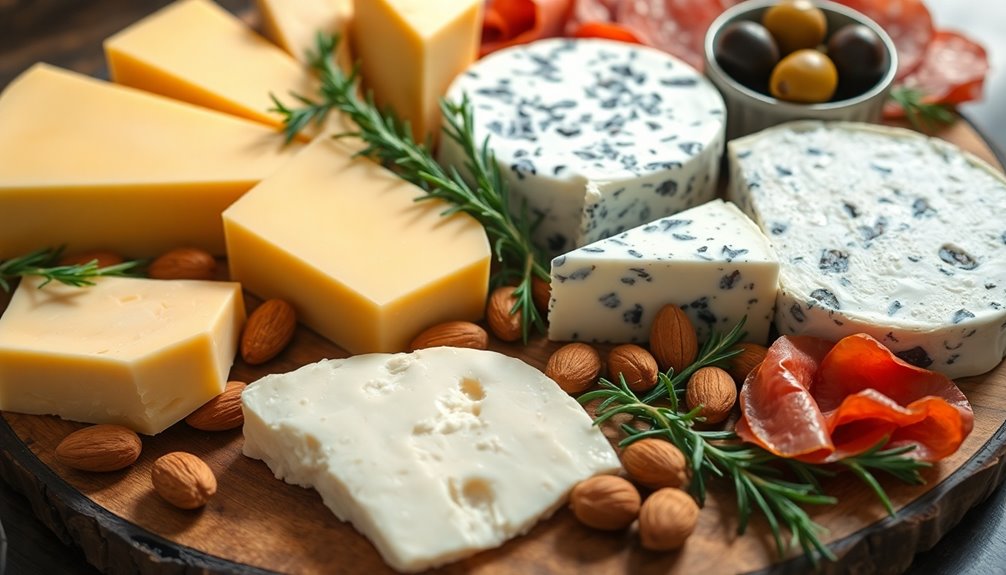
Pair cheese with keto-friendly options like olives or nuts for a delicious snack. Immerse yourself in cheese history and appreciate how various cultures have embraced it, enriching your culinary adventures. Additionally, cheese is low in carbohydrates and high in fat, making it suitable for keto diets.
Understanding Cheese’s Carb Content
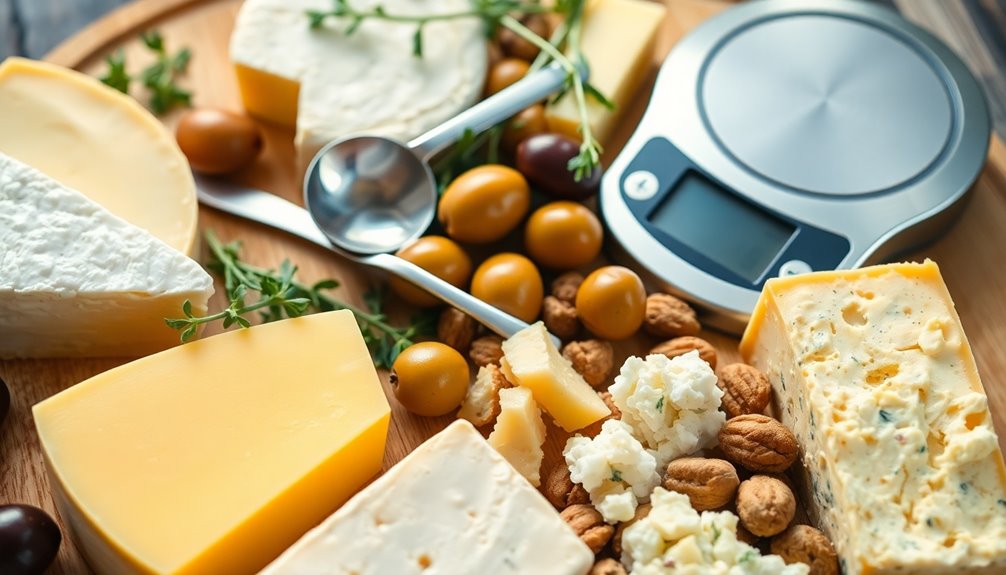
When exploring cheese’s carb content, you’ll find that most varieties are low in carbohydrates, making them ideal for a keto diet. Popular cheese varieties like cheddar, mozzarella, and cream cheese typically contain less than 1 gram of carbs per ounce. This low carb count means you can enjoy them without worrying about exceeding your daily limits.
However, it’s essential to do some carb comparisons. For instance, while ricotta may have slightly higher carbs, many aged and hard cheeses are even lower. Additionally, certain cheeses like Parmesan cheese contain less than 1 gram of carbs per ounce, providing more options for your diet.
Always check labels, as different brands can vary. By understanding these differences, you can choose the best options that fit your keto lifestyle and enjoy cheese without guilt.
The Best Types of Cheese for Keto
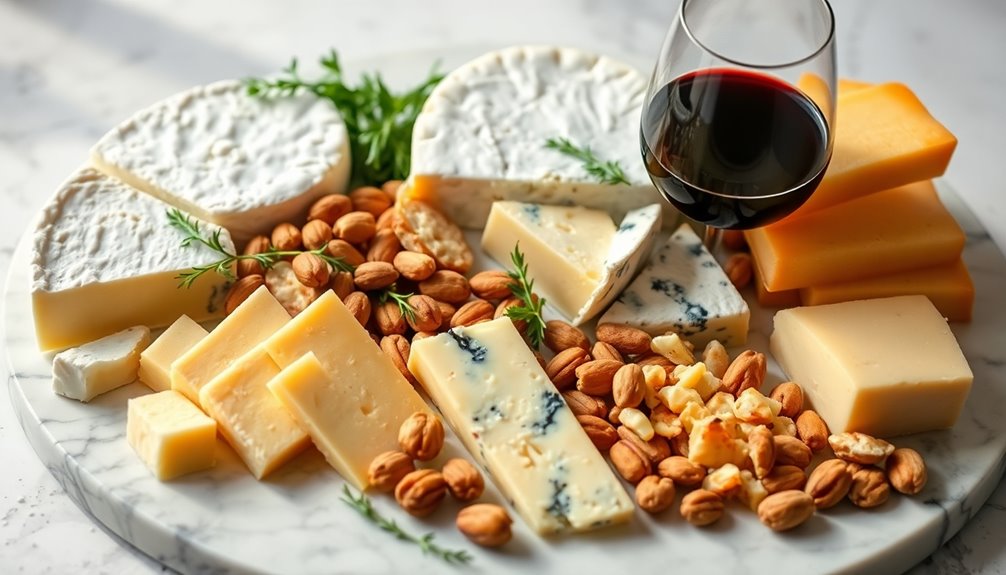
While many cheeses are keto-friendly, some stand out as the best options for your low-carb lifestyle. Hard cheeses like Parmesan and aged Cheddar are excellent choices due to their lower carb content and rich flavors.
If you prefer creamier cheese textures, go for Brie or cream cheese; they’re versatile and great for spreads. Other fantastic cheese varieties include Gouda and feta, which add distinct tastes to your meals while keeping carbs in check.
Don’t forget about mozzarella, perfect for salads or melted on dishes. These cheeses not only fit your keto plan but also enhance your culinary experience. Incorporating low-carb casseroles into your meal prep can also help you enjoy delicious cheese dishes without the guilt.
How Much Cheese Can You Safely Consume?
When it comes to cheese on a keto diet, knowing how much you can safely consume is key. You’ll want to take into account recommended serving sizes, the types of cheese you choose, and your own tolerance levels. Understanding these factors can help you enjoy cheese without compromising your goals. Additionally, selecting low-carb cheese varieties can enhance your diet while keeping you aligned with keto principles.
Recommended Daily Serving Size
How much cheese can you safely enjoy on a keto diet? To stay within your daily cheese intake, aim for about 1 to 2 ounces per serving. This amount balances flavor and nutrition without overwhelming your carb limits.
Remember that cheese serving guidelines suggest you choose full-fat varieties, as they provide healthy fats while keeping carbs low. If you’re tracking your macros, be mindful of how different cheeses fit into your overall daily goals.
For most people, 3 to 4 ounces of cheese daily can work well, but listen to your body and adjust as needed. Enjoy your cheese, but keep it in moderation to maintain the benefits of the keto lifestyle!
Cheese Types and Carb Content
Not all cheeses are created equal, especially on a keto diet. When you’re exploring cheese varieties, you’ll find significant differences in carb content.
For example, hard cheeses like Parmesan and aged cheddar usually have lower carbs, making them great options for your keto meals. In contrast, softer cheeses like ricotta and cottage cheese can pack in more carbs, so you’ll want to enjoy those in moderation.
When doing carb comparisons, remember that a one-ounce serving of Brie has about 0.1 grams of carbs, while a similar serving of feta has around 1.2 grams.
To stay within your carb limit, focus on low-carb cheeses and keep track of your portions. This way, you can indulge while maintaining your keto goals.
Individual Tolerance Levels
Understanding individual tolerance levels is key to enjoying cheese on a keto diet without overstepping your carb limits. You might’ve cheese cravings, but it’s important to practice portion control.
Start by evaluating your own lactose sensitivity; if you’re sensitive, choose aged cheeses, which are lower in lactose. Aim for a balance in your meals by incorporating different cheese pairings that enhance flavor while maintaining nutritional balance.
Experiment with various types to find what works best for your digestive health. Remember, moderation is essential—too much cheese can lead to unwanted carbs.
Cheese and Weight Loss: What the Research Says
When you consider cheese in your weight loss journey, it’s crucial to look at its nutritional profile. Research shows that cheese can impact your metabolism and help keep cravings at bay. Understanding these factors can help you make informed choices about incorporating cheese into your diet. Additionally, cheese contributes significantly to calcium intake and provides essential nutrients that support overall health.
Cheese’s Nutritional Profile
Cheese packs a powerful nutritional punch, making it a popular choice for those on the keto diet. With various cheese varieties available, you can easily find options that fit your taste and nutritional needs.
Most cheeses are high in fat and low in carbs, providing essential nutrients like calcium, protein, and vitamins A and B12.
When considering cheese storage, keep in mind that proper handling can prolong freshness and flavor. Store hard cheeses in the fridge wrapped in parchment paper or in a cheese bag, while softer cheeses are best kept in airtight containers.
Impact on Metabolism
Including cheese in your keto diet can lead to intriguing effects on metabolism and weight loss. Here’s what research shows about cheese digestion and its metabolism effects:
- Protein Boost: Cheese is high in protein, which can increase your metabolic rate as your body uses more energy to digest it.
- Fat Content: The healthy fats in cheese can promote fat oxidation, helping your body burn stored fat for energy.
- Calcium and Weight Loss: Some studies suggest that calcium may play a role in fat metabolism, making cheese a potential ally in your weight loss journey.
Satiety and Cravings
While many foods can leave you feeling hungry shortly after eating, cheese often stands out for its ability to curb cravings and enhance satiety.
Research shows that cheese can markedly impact your satiety levels, making it an excellent choice for those on a keto diet. The combination of fat and protein in cheese helps you feel fuller for longer, reducing the likelihood of snacking on high-carb options.
When you enjoy cheese, you’re less likely to experience intense cheese cravings later, which can sabotage your weight loss efforts. Incorporating moderate amounts of cheese into your meals can help you manage hunger effectively while staying within your dietary goals.
Just remember to choose quality options and watch your portion sizes!
Nutritional Benefits of Cheese on Keto
When you embrace a keto diet, the nutritional benefits of cheese can be a delightful surprise. Here’s why cheese deserves a spot in your meal plan:
- Nutrient Density: Cheese packs a punch with its protein content and fat profile, helping you meet your daily macros effectively.
- Calcium Source: It’s a fantastic calcium source, supporting bone health while keeping your diet low in carbs.
- Flavor Enhancer: Cheese adds a burst of flavor, making meals more enjoyable and satisfying, which can help with the satiety factor.
Plus, its culinary versatility allows you to use it in various dishes or as a snack option. Additionally, cheese can complement high-protein meats like chicken breast, enhancing both flavor and nutrition in your meals.
With beneficial vitamin levels and digestive benefits, cheese truly enriches your keto experience!
Potential Downsides of Eating Cheese
While cheese can be a tasty addition to your keto diet, it’s important to take into account some potential downsides. If you’re lactose intolerant, cheese might cause digestive issues, and many varieties are high in sodium, which could affect your health. Additionally, excessive cheese consumption may lead to an increase in LDL cholesterol levels, which could pose risks for heart health. Balancing your cheese intake with these factors in mind is essential for staying on track.
Lactose Intolerance Issues
If you’re considering adding cheese to your keto diet, it’s important to be aware of lactose intolerance issues that could arise. Many people experience lactose intolerance symptoms, which can lead to cheese digestion challenges.
Here are a few things to keep in mind:
- Bloating: Consuming cheese can cause uncomfortable bloating if you’re lactose intolerant.
- Gas: You might notice increased gas after eating cheese, a common symptom of lactose intolerance.
- Diarrhea: This can occur if your body struggles to digest lactose found in certain cheeses.
Choosing aged cheeses, like cheddar or Parmesan, can help since they contain lower lactose levels.
Always listen to your body and adjust your cheese intake accordingly!
High Sodium Content
How much sodium is too much when it comes to cheese on your keto diet? While cheese can be a delicious addition, it’s often high in sodium, which can impact your health.
Excess sodium can lead to issues like hypertension and water retention, so consider your sodium sources carefully. Incorporating cheese alternatives can help maintain nutrient balance without overloading on salt.
Use moderation strategies, like limiting cheese to certain meals and enhancing flavor with herbs and spices instead. Keep hydration considerations in mind, as high sodium can increase thirst.
When meal planning, think about culinary uses that reduce overall sodium intake while still satisfying your cravings. Make dietary adjustments that prioritize both enjoyment and health.
Cheese Alternatives for Keto Dieters
What do you do when you crave cheese on a keto diet? Don’t worry; there are plenty of delicious cheese alternatives to satisfy your cravings while staying on track.
Here are three popular options:
- Nut-Based Cheese: Cashew cheese and almond cheese are creamy and versatile, perfect for spreads or dips.
- Coconut Cheese: This dairy-free option offers a unique flavor and texture, making it a fun addition to your meals.
- Fermented Cheese: Soy cheese and other plant-based options provide a tangy taste, often enhanced with nutritional yeast for that cheesy flavor.
Additionally, these alternatives can help you maintain nutritional needs while enjoying your meals without compromising your keto lifestyle. Explore these alternatives, and you’ll find that you can still enjoy cheesy goodness without compromising your keto lifestyle!
Pairing Cheese With Other Keto Foods
While cheese is a delightful addition to a keto diet, pairing it with the right foods can elevate your meals even further. Consider combining different cheese flavors and textures to create a satisfying experience.
For instance, sharp cheddar pairs beautifully with creamy avocado, enhancing both taste and nutrition. Crumbled feta can add a tangy touch to fresh salads, while gooey mozzarella complements roasted vegetables perfectly.
You might also enjoy aged gouda with salty olives for a savory snack. Don’t forget about pairing cheese with low-carb nuts for a crunchy contrast.
How to Incorporate Cheese Into Your Meals
Incorporating cheese into your meals is easier than you think!
You can explore delightful cheese pairing ideas that enhance flavors and nutrition. Plus, there are plenty of easy cheese recipes that can elevate your keto cooking game. For instance, cheesy casseroles and bakes provide a satisfying way to enjoy cheese while keeping your carb intake low.
Cheese Pairing Ideas
Cheese can elevate your keto meals in delicious ways, making it easy to enjoy a variety of flavors and textures. Here are some pairing ideas that highlight different cheese types and their culinary uses:
- Savory Spreads: Pair creamy goat cheese with herb infusions like rosemary for a rich dip. Add a few cracker alternatives for crunch.
- Fruit Accompaniments: Combine sharp cheddar with sweet additions like apple slices or berries. The flavor profiles complement beautifully.
- Wine Pairings: Enjoy a glass of dry red wine alongside aged Gouda for a delightful texture contrast that enhances both.
These pairings not only make your meals more enjoyable but also help you explore the diverse world of cheese on your keto journey!
Easy Cheese Recipes
After exploring delicious cheese pairing ideas, it’s time to bring those flavors into your everyday meals with some easy recipes.
Start with cheese snacks like crispy cheese crisps or a delightful cheese platter featuring your favorite varieties.
For a comforting dish, whip up cheesy casseroles or creamy sauces to pour over veggies or meat.
Need a quick treat? Try savory dips like spinach-artichoke or a warm cheese dip with low-carb chips.
Gourmet pizzas can be topped with melted cheese and fresh herbs, while cheesy breads make great side options.
Don’t forget about stuffed vegetables filled with cheese or cheesy breakfasts like omelets.
Get creative, and let cheese elevate your meals!
The Role of Cheese in Keto Meal Prep
When planning your keto meals, cheese can be a versatile ingredient that enhances flavor and texture.
It’s not just about taste; cheese plays a significant role in meal prep. Here are three ways to incorporate cheese effectively:
- Cheese Pairings: Combine different cheeses with low-carb veggies or meats for delicious snacks or side dishes.
- Meal Bases: Use cheese as a base for sauces or casseroles, adding creaminess without the carbs.
- Storage Tips: Proper cheese storage is key. Keep cheese in the fridge wrapped in parchment or wax paper to maintain freshness. Additionally, cheese is often high in healthy fats, making it a great choice for maintaining ketosis.
Common Misconceptions About Cheese and Keto
What do you really know about cheese and its role in the keto diet? Many people hold onto cheese myths, thinking it’s a diet killer.
Cheese is often misunderstood; it can be a delicious and nutritious ally in your keto journey, not a diet killer.
In reality, cheese is often a misunderstood dairy that can fit perfectly into your keto lifestyle. Some believe all cheese is high in carbs, but many varieties are low-carb and packed with healthy fats.
Others assume dairy causes inflammation, but for many, cheese can actually be a great source of protein and calcium.
It’s important to remember that moderation is key; overindulging can lead to unwanted carbs and calories.
Testing Your Cheese Tolerance on Keto?
How can you determine your cheese tolerance on the keto diet?
It’s crucial to understand how your body reacts to cheese, especially if you have lactose sensitivity.
Here are three steps to test your cheese digestion:
- Start Small: Begin with a small serving of cheese, like a slice or a tablespoon of cream cheese, and see how your body reacts over the next few hours.
- Track Symptoms: Pay attention to any discomfort, bloating, or digestive issues that arise after eating cheese.
- Gradually Increase: If you tolerate the small amount well, gradually increase your serving size to find your personal threshold.
How to Choose Quality Cheese Options
Choosing quality cheese options can elevate your keto diet while ensuring you get the best nutrients.
Start by focusing on cheese quality—look for options that are made from grass-fed milk, as they often contain higher levels of omega-3 fatty acids and vitamins.
When making your cheese selection, opt for aged cheeses like cheddar or Parmesan, which are lower in carbs and richer in flavor.
Avoid processed cheeses, as they may contain additives and hidden sugars that can disrupt your keto goals.
Reading labels is essential; prioritize cheeses with fewer ingredients and no artificial additives.
Recipes Featuring Cheese That Are Keto-Friendly
Looking for delicious ways to incorporate cheese into your keto meals? You’re in luck! Here are three tasty options that’ll satisfy your cravings while keeping you on track:
- Cheese Dips: Whip up a creamy cheese dip using cream cheese and cheddar. Pair it with veggies for a great snack!
- Stuffed Peppers: Fill bell peppers with a mixture of cheese, ground meat, and spices, then bake until bubbly.
- Cheese Crisps: Melt cheese in the oven until crispy for a perfect low-carb snack.
Don’t forget about baked casseroles, savory muffins, or drizzling cheese sauces over creamy soups.
Don’t overlook the deliciousness of baked casseroles and savory muffins, or the joy of cheese sauces over creamy soups.
You can even create stunning charcuterie boards packed with various cheeses. Enjoy your cheesy keto journey!
Conclusion
So, can you indulge in cheese while on keto? Absolutely! Just remember, moderation is key—unless you fancy becoming a human cheese wheel. Embrace the low-carb delights of cheddar, mozzarella, and brie, but don’t overdo it unless you’re ready for a dairy drama. With the right choices, cheese can be your keto bestie, helping you savor your meals without derailing your diet. So, go ahead, celebrate that cheesy goodness, but keep the cheese wheel at bay!