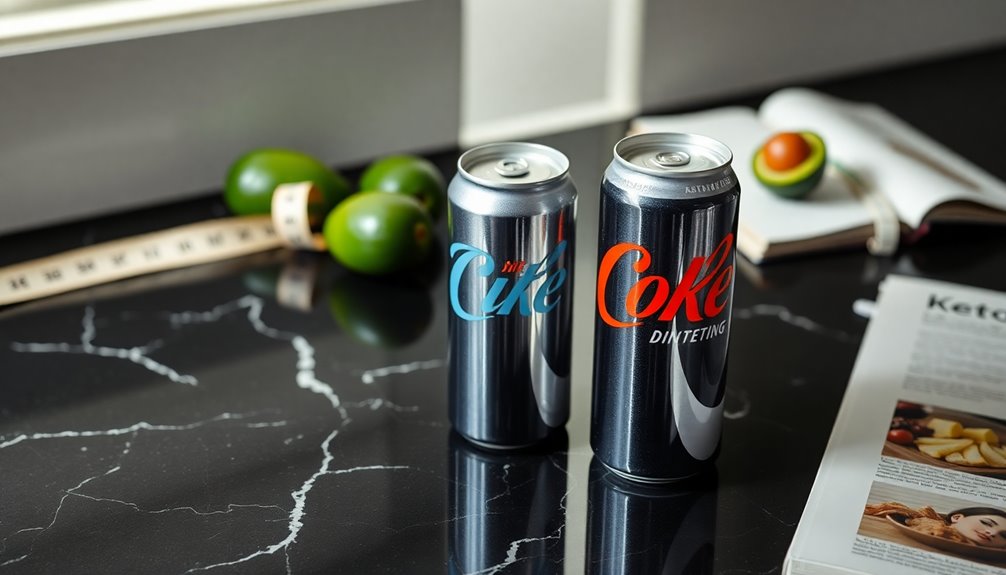
Diet Coke can fit into your keto diet since it’s calorie-free and has zero carbs. However, its artificial sweeteners, like aspartame, might disrupt your metabolism and increase cravings for sweets, potentially sabotaging your weight loss efforts. While enjoying one can daily might be fine, more could lead to unwanted health issues. Listen to your body’s signals for any negative reactions. If you’re curious about better options and tips, there’s more to discover.
The Keto Diet: A Brief Overview

The ketogenic diet, while it may sound complex, is fundamentally a low-carb, high-fat eating plan that helps your body switch from burning carbohydrates to burning fat for energy. By restricting your carb intake to around 20-50 grams per day, you encourage your body to enter ketosis, where it converts fat into ketones for fuel.
This diet emphasizes healthy fats, moderate protein, and minimal carbs, promoting not just weight loss but also improved metabolic health. Many people experience enhanced mental clarity and reduced sugar cravings, which can make sticking to the diet easier. Additionally, as you enter ketosis, the production of ketones helps stabilize blood sugar levels, contributing to better overall health.
As you explore keto, remember that the health implications of certain foods, including artificial sweeteners found in diet sodas, can also impact your overall success on this diet.
Understanding Diet Coke and Its Ingredients
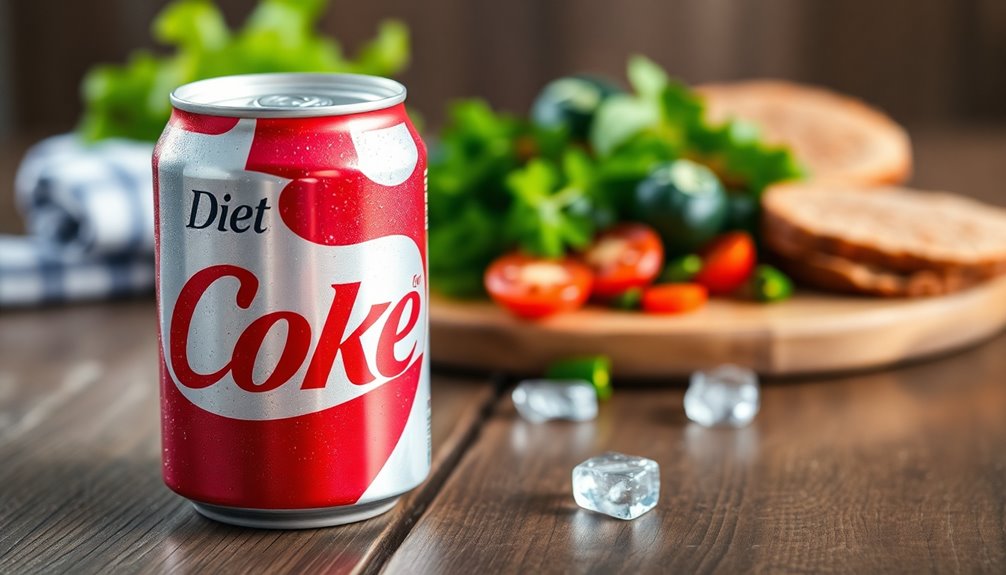
When considering beverages on a keto diet, it’s important to understand what’s in them. Diet Coke is a popular choice because it contains zero calories and zero grams of carbs, thanks to artificial sweeteners like aspartame.
Its ingredients include carbonated water, caramel color, phosphoric acid, caffeine, and artificial flavors, which give it that distinctive taste.
However, some research suggests that regular consumption of diet sodas like Diet Coke may be linked to negative health outcomes, including an increased risk of metabolic disorders and even weight gain.
While you might enjoy the health benefits of lower calories, the long-term effects of artificial sweeteners on gut health and cravings warrant caution. Additionally, monitoring blood sugar levels is crucial to assess how such beverages impact your overall dietary goals.
Always consider how it fits into your overall dietary goals.
What Is Aspartame and How Does It Work?

Aspartame is a low-calorie sweetener that packs a punch, being about 200 times sweeter than sugar.
When you consume it, your body breaks it down into components like phenylalanine and aspartic acid, which can raise some health concerns.
Understanding its chemical structure, metabolism, and potential risks is essential, especially if you’re considering how it fits into your keto lifestyle. Additionally, unlike natural sweeteners like stevia and monk fruit, aspartame may have different effects on blood sugar levels.
Chemical Composition and Structure
Artificial sweeteners like aspartame play a significant role in low-calorie diets, especially for those on keto. Aspartame, made from phenylalanine and aspartic acid, is about 200 times sweeter than sucrose.
When you consume it, aspartame breaks down into components, including methanol, which raises health concerns due to its conversion into formaldehyde. While the FDA considers aspartame safe for general consumption, studies link it to various health issues, such as an increased risk of depression and potential disruptions in metabolic processes that might lead to diabetes.
Although many enjoy diet soda for its low-calorie appeal, the ongoing debate about aspartame’s long-term impacts on health and weight management keeps you questioning its safety in your diet.
Metabolism in the Body
The breakdown of aspartame in your body reveals how this artificial sweetener interacts with your metabolism. When you consume diet soda containing aspartame, it quickly breaks down into phenylalanine, aspartic acid, and methanol, contributing minimal calories and no carbs. This makes it appealing for those on a ketogenic diet.
However, while aspartame is about 200 times sweeter than sugar, its low-calorie profile mightn’t be as beneficial as it seems. Some studies suggest that consuming aspartame can disrupt your metabolism and even increase cravings for sweets, potentially undermining your diet goals.
Health Implications and Risks
While many enjoy the sweet taste of Diet Coke, it’s important to understand what aspartame really is and how it affects your health. Aspartame, an artificially sweetened low-calorie sweetener, breaks down into phenylalanine, aspartic acid, and methanol.
Consuming it in large quantities raises concerns about health implications. Research links aspartame to negative health outcomes, like increased risks of depression, kidney function decline, and a higher likelihood of stroke and heart attack.
Additionally, it can disrupt metabolic signals, potentially leading to weight gain and cravings for sugary foods. For those on a keto diet, healthier alternatives like monk fruit, stevia, and erythritol are recommended, as they avoid these adverse effects and don’t impact blood sugar levels.
The Carbohydrate Content of Diet Coke
How does Diet Coke fit into your keto diet? With a carb count of 0 grams per 12-ounce serving, this diet soda can be a suitable zero sugar option for those following a ketogenic lifestyle.
Sweetened with aspartame, it won’t interfere with your carbohydrate intake, making it an appealing choice when you want something fizzy. However, keep in mind that Diet Coke lacks nutritional value and may contain additives some health experts recommend avoiding. Regular consumption might also increase cravings for sweetness, which could challenge your adherence to keto. While it fits within your carb limits, the long-term health effects of diet sodas remain a topic of ongoing research, so moderation is key. Additionally, some studies suggest that high sugar substitutes may affect insulin sensitivity over time, so it’s essential to monitor your overall intake.
Can Diet Coke Disrupt Ketosis?
While Diet Coke might seem keto-friendly with its zero carbs, you still need to contemplate how it affects your body. Caffeine can influence ketosis, and the sweeteners in Diet Coke may mess with your appetite and cravings. Plus, hidden ingredients could pose risks that undermine your keto goals. Additionally, dietary adjustments may be necessary to ensure you maintain optimal cholesterol levels while on the keto diet.
Caffeine’s Role In Ketosis
Caffeine plays a significant role in the ketogenic diet, as it can enhance fat oxidation and boost your physical performance.
However, it’s essential to take into account how Diet Coke fits into your keto journey.
- Caffeine can increase fat oxidation, aiding in ketosis.
- Zero calories and carbs in Diet Coke keep it keto-friendly.
- Artificial sweeteners may disrupt metabolic processes, complicating ketosis.
- Regular caffeine intake might lead to increased cravings for sweets.
While Diet Coke can provide an energy boost, monitor your body’s response.
For some, it may trigger cravings that can derail your adherence to ketosis.
Keeping these factors in mind will help you make informed choices on your keto path.
Effects On Appetite Regulation
Can Diet Coke really disrupt your appetite regulation on a ketogenic diet? While it’s calorie-free, the artificial sweeteners in diet soda, like aspartame, may trigger sweet taste receptors in your brain, leading to increased cravings.
This sweet taste can activate reward pathways, making you want more food despite having no calories. Studies suggest that regular consumption of Diet Coke might elevate hunger levels, which can be counterproductive to your weight loss goals on keto.
Additionally, these artificial sweeteners could lead to metabolic disruptions, potentially affecting insulin sensitivity and your ability to maintain ketosis.
Hidden Ingredients To Watch
If you’re on a ketogenic diet, it’s essential to scrutinize not just the calorie and carb content of beverages like Diet Coke, but also the hidden ingredients that could disrupt your progress.
While it seems like a safe choice, its artificial sweeteners may have unexpected effects:
- Aspartame: Linked to increased appetite and disrupted metabolism.
- Sugar cravings: Can make it harder to maintain your keto regimen.
- Health risks: Associated with long-term issues like heart attack and stroke.
- Weight gain potential: Regular consumption of diet soda may counteract your low-carb goals.
Considering these factors, you might want to rethink your Diet Coke habit to stay on track with your keto lifestyle.
Health Risks Associated With Artificial Sweeteners
While many choose Diet Coke as a low-calorie alternative, the health risks associated with artificial sweeteners should raise concerns.
Regular consumption of diet soda has been linked to a 30% decrease in kidney function over two decades, and daily drinkers face a higher risk of stroke and heart attack compared to non-drinkers.
Regularly consuming diet soda may reduce kidney function by 30% over two decades and increase risks of stroke and heart attack.
Artificial sweeteners can disrupt metabolic signals, which may lead to weight gain and an increased risk of diabetes.
Additionally, research shows that regular diet soda consumption correlates with a 31% higher risk of depression.
With the long-term effects of these sweeteners still under scrutiny, including potential links to neurological conditions, it’s wise to contemplate these health risks when reaching for that can of Diet Coke. Furthermore, insulin sensitivity is crucial for maintaining metabolic health, and consuming artificial sweeteners may impair this important function.
The Impact of Diet Soda on Metabolism
When you sip on Diet Coke, you might think you’re making a smart choice for your keto diet, but its impact on metabolism is worth considering. Caffeine can boost your metabolism, but the artificial sweeteners may lead to cravings and disrupt your body’s metabolic signals. You might find that the zero-calorie promise doesn’t translate to actual weight loss due to these complex interactions. Additionally, improved insulin sensitivity is crucial for effective glucose utilization, and the consumption of artificial sweeteners may interfere with this process.
Caffeine’s Role In Metabolism
Caffeine, a key ingredient in Diet Coke, plays a significant role in boosting metabolism. When consumed in moderation, it can enhance your metabolic rate by 3-11%, potentially aiding in weight loss.
Here’s how caffeine impacts your metabolism:
- Increases fat oxidation, helping you burn fat more effectively.
- Enhances physical performance by raising adrenaline levels, improving workout endurance.
- Stimulates thermogenesis, leading to increased calorie expenditure.
- Regular consumption can lead to tolerance, requiring higher doses for the same effects.
However, be cautious—excessive caffeine can hurt hydration and sleep quality, which might indirectly affect your metabolic health and weight loss efforts.
Balancing your intake is key for maximizing the benefits of diet soda like Diet Coke.
Artificial Sweeteners’ Impact
Artificial sweeteners, often found in Diet Coke, can greatly impact your metabolism and overall health.
While diet soda may seem like a keto-friendly option, these artificial sweeteners, like aspartame, can lead to metabolic issues. Research shows they may disrupt hunger signals, causing you to crave more sweet foods and potentially consume extra calories later.
Over time, regular diet soda consumption has been linked to weight gain and even a decrease in kidney function. Additionally, these sweeteners can alter gut bacteria, increasing the risk of diabetes and metabolic syndrome.
Caloric Compensation Mechanisms
Many people believe that drinking diet sodas like Diet Coke won’t affect their weight loss efforts on a ketogenic diet.
However, research shows that these beverages can trigger caloric compensation, leading to unintended weight gain. Here’s how:
- Increased appetite: Artificial sweeteners can confuse your body’s hunger signals.
- Overeating: You might consume more calories later, thinking you’ve saved some.
- Metabolic syndrome risk: Regular soda intake is linked to health issues that undermine keto benefits.
- Disrupted metabolism: Artificial sweeteners may interfere with metabolic processes, promoting weight gain.
Does Diet Coke Affect Appetite and Cravings?
How does Diet Coke influence your appetite and cravings?
Diet soda, like Diet Coke, contains artificial sweeteners such as aspartame that can activate reward pathways in your brain. This activation may lead to increased cravings for sweet foods, making it harder to resist snacks.
Research shows that regular consumption can cause your overall calorie intake to rise, with some individuals consuming up to 450 extra calories daily. You might also experience heightened hunger levels, undermining your weight loss efforts.
Regularly consuming diet sodas may increase your calorie intake by up to 450 calories daily, heightening hunger and hindering weight loss efforts.
Additionally, the sweet taste can create a dependency on sugary flavors, complicating your commitment to a low-carb or keto diet. Studies suggest that diet sodas may contribute to metabolic disruptions, further affecting appetite regulation and potentially leading to weight gain. Furthermore, the increased intake of artificial sweeteners may interfere with insulin sensitivity, making it more challenging to maintain stable blood sugar levels.
Alternatives to Diet Coke for Keto Followers
If you’re looking for healthier beverage choices on keto, there are plenty of tasty alternatives to Diet Coke. Options like sparkling water and herbal teas keep you hydrated without the carbs or artificial sweeteners. Plus, you can enjoy homemade lemonade or keto-friendly sodas for a satisfying sweetness while staying in ketosis. Consider incorporating sugar-free alcoholic beverages for a refreshing option during social gatherings.
Healthier Beverage Choices
While you might reach for Diet Coke out of habit, there are plenty of healthier beverage options that align better with your keto lifestyle.
Consider these keto-friendly drinks that won’t derail your diet:
- Sparkling Water: Zero calories and carb-free, perfect for hydration without sugars or sweeteners.
- Unsweetened Tea: Calorie-free, carb-free, and rich in antioxidants; enjoy it hot or iced.
- Bone Broth: Low in carbs, it provides hydration and a protein boost.
- Coffee with Heavy Cream: Calorie-free black coffee enhanced with unsweetened heavy cream for added fats.
These alternatives not only help you stay on track but also make your beverage choices more enjoyable!
Natural Sweetener Options
When you’re looking for alternatives to Diet Coke on a keto diet, natural sweeteners can be a game changer. Options like stevia and monk fruit provide zero calories and carbs, making them perfect for your low-carb lifestyle.
Erythritol is another great choice; it has nearly zero net carbs and won’t spike your blood sugar levels. You might also enjoy Swerve, a blend of erythritol and oligosaccharides that mimics sugar’s taste and texture, all while containing zero calories.
For a revitalizing drink, consider sweetening flavored waters or herbal teas with these natural alternatives. Even though xylitol has slightly more carbs, you can use it in moderation for keto-friendly treats.
Enjoy guilt-free sweetness without compromising your keto goals!
Evidence From Recent Research on Diet Soda
How does consuming Diet Coke impact your ketogenic journey? While it’s calorie-free and carb-free, recent research reveals that diet soda mightn’t be as innocent as it seems. Here’s what you should know:
- Regular consumption can lead to increased cravings for sweets, potentially sabotaging your weight loss efforts.
- Artificial sweeteners like aspartame may harm gut health and disrupt metabolic signals, raising the risk of insulin resistance.
- Studies link frequent diet soda intake to a heightened risk of cardiovascular disease, including stroke and heart attack.
- Diet soda might impair satiety signals, making overeating more likely, which is a concern for anyone on a ketogenic diet aiming for effective weight management.
- Additionally, high consumption of diet sodas may counteract the benefits of improved insulin sensitivity, which is crucial for maintaining metabolic health on a ketogenic diet.
Stay informed to make the best choices for your health!
The Role of Hydration in a Keto Diet
Staying hydrated plays an essential role in your ketogenic journey, especially as your body adapts to burning fat for fuel.
On a keto diet, you might experience increased water loss from glycogen depletion, so aim for daily water intake between 11.5 and 15.5 cups.
On a keto diet, aim for 11.5 to 15.5 cups of water daily to combat increased water loss from glycogen depletion.
Maintaining electrolyte balance is also important during this adaptation phase, making hydration crucial for your overall health.
While diet sodas may seem like a low-calorie option, they can lead to cravings and metabolic disruptions that hinder your hydration goals.
Instead, prioritize plain water, unsweetened tea, or sparkling water.
Incorporating nutrient-rich options like bone broth can further enhance hydration and support your weight management efforts on the keto diet.
Exploring Other Low-Carb Beverage Options
While many people gravitate toward diet sodas for a quick refreshment on a keto diet, exploring other low-carb beverage options can enhance your hydration without compromising your goals.
Here are some great alternatives:
- Unsweetened Tea and Coffee: Both are carb-free and can be enjoyed either hot or iced.
- Sparkling Water: This zero-calorie, zero-carb choice adds variety to your hydration routine.
- Bone Broth: A nutrient-rich drink that provides hydration, protein, and essential electrolytes.
- Non-Dairy Milk: Unsweetened almond or coconut milk offers creamy, low-carb options without sugars.
These keto-friendly drinks can keep you hydrated and satisfied while steering clear of too much diet soda on keto.
Moderation: How Much Diet Soda Is Too Much?
When it comes to Diet Coke on a keto diet, how much is too much? Moderation is key. Generally, consuming up to one 12 oz can daily is acceptable, but exceeding that may lead to increased cravings and potential metabolic issues.
Research shows that daily diet soda consumption can disrupt gut bacteria and result in higher overall calorie intake, countering your weight loss efforts. Additionally, studies indicate that drinking more than one can daily is linked to a greater risk of metabolic syndrome and cardiovascular issues.
To avoid negative health effects, like increased stroke risk and declining kidney function, pay attention to your body’s signals. If you notice cravings or bloating, consider cutting back or switching to healthier alternatives.
The Bottom Line: Is Diet Coke Worth It on Keto?
Considering the potential drawbacks of excessive Diet Coke consumption, it’s important to weigh whether it’s worth including in your keto diet.
While Diet Coke is low in calories and carbs, the presence of artificial sweeteners can lead to several issues:
- It may perpetuate sugar cravings, undermining your weight loss efforts.
- Research links diet sodas to increased health issues, like depression and metabolic disorders.
- Artificial ingredients could interfere with your metabolic state and overall health.
- Healthier alternatives, like flavored sparkling water or herbal teas, offer hydration without the drawbacks.
Ultimately, while Diet Coke doesn’t disrupt ketosis, its potential negative effects might outweigh its low-carb appeal.
Consider your long-term health before making it a staple in your keto journey.
Conclusion
So, is Diet Coke your keto friend or foe? While it’s low in carbs and won’t kick you out of ketosis, moderation is key. Relying too much on artificial sweeteners can lead to cravings and potential side effects. Think of Diet Coke as a treat, not a staple. Ultimately, your health journey is about balance—embrace hydration with water and explore other low-carb beverages. Choose wisely, and your keto path can be both enjoyable and effective!