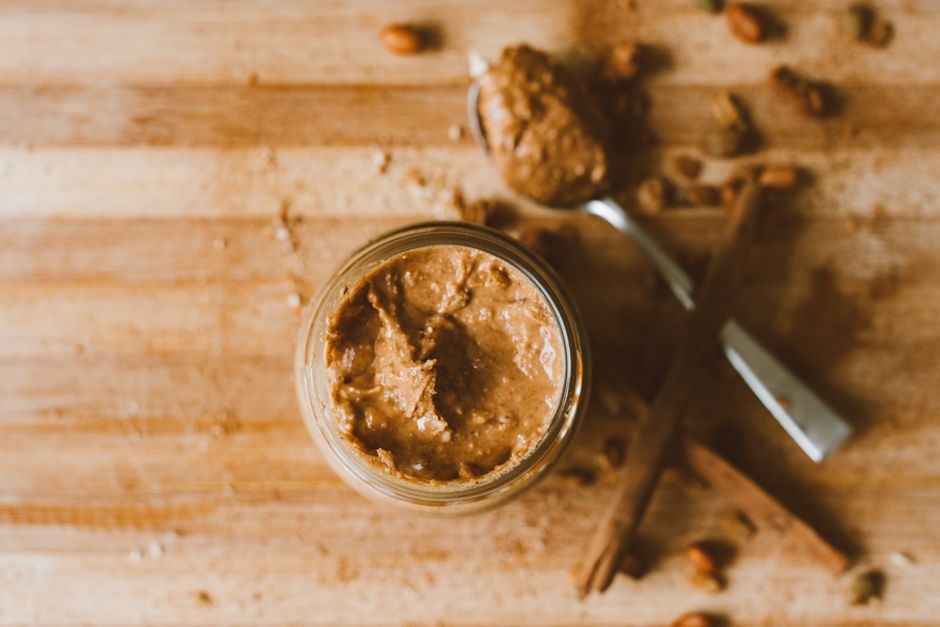
If you are following a keto diet, peanut butter is one of the most common foods people ask about. The short answer is that a keto diet with peanut butter can work, but only in measured portions, because peanut butter is relatively high in fat and carbohydrate for its volume. Two tablespoons can use up a noticeable share of a typical daily carb limit.
This guide explains the macros in a standard serving, how to estimate net carbs, how much peanut butter fits a ketogenic plan, and what can go wrong when portions drift. It is general education, not personal medical advice, so check any plan with a doctor or registered dietitian, especially if you take medications for diabetes or blood pressure.
Key Takeaways
- A 2 tablespoon serving of USDA smooth peanut butter lists about 200 calories, 16 g of fat, and 8 g of total carbohydrate.
- Net carbs are total carbohydrate minus fiber, so you need the fiber figure from the label to estimate the carbs that count toward ketosis.
- Halving the serving to 1 tablespoon cuts the listed calories, fat, and carbohydrate roughly in half, which makes it easier to fit into a small daily carb budget.
- Many keto plans cap net carbs at about 20 to 50 grams per day, so two tablespoons of peanut butter can use a large share of that limit.
- Choosing a natural peanut butter with only peanuts, or with peanuts and salt, avoids added sugars and oils that can raise carbs and reduce the diet’s quality.
How many carbs are in peanut butter on keto?
A 2 tablespoon serving of smooth peanut butter contains about 8 grams of total carbohydrate, according to a USDA Foods product specification for smooth peanut butter. That same serving lists about 200 calories, 16 g of fat, 3 g of saturated fat, and 7 g of protein. Because the spec sheet reports total carbohydrate, the net carb count depends on how much of that total is fiber.
| Nutrient (2 Tbsp smooth peanut butter) | Amount per serving |
|---|---|
| Calories | About 200 |
| Total fat | 16 g |
| Saturated fat | 3 g |
| Total carbohydrate | 8 g |
| Protein | 7 g |
These figures come from a single product specification, and brands differ. Sweetened or flavored versions can contain more sugar, and some reduced-fat versions contain more carbohydrate than standard peanut butter.
How do you calculate net carbs in peanut butter?
Net carbs are generally calculated as total carbohydrate minus dietary fiber, and this is the number most keto dieters track. Check the fiber line on your own jar, since fiber varies by brand. If you are new to the calculation, a keto net carbs chart can help you compare foods quickly.
How much peanut butter fits a keto diet?
For many people on keto, one to two tablespoons per day is a workable range, but the right amount depends on your total daily carb target. Start with your net carb limit, subtract carbs from vegetables and other foods, and see what remains for peanut butter. Many keto plans set net carbs somewhere between about 20 and 50 grams per day, though individual needs vary.
Use this process to estimate your own portion:
- Find your daily net carb target. A common starting range is 20 to 50 grams, depending on your goals and how your body responds.
- Subtract the carbs you expect from vegetables, dairy, nuts, and condiments for the day.
- Look up the net carbs in one tablespoon of your peanut butter on the label, then multiply by the number of tablespoons you plan to eat.
- If the result would consume most of your remaining carbs, reduce the portion or choose another snack.
- Track the result for two to three weeks and adjust based on how you feel and what your bloodwork or scale shows, with guidance from your clinician.
To run the numbers across all your meals, a keto macro calculator can estimate your daily fat, protein, and carb targets. Enter the peanut butter portion as part of your food log so the totals reflect what you actually eat.
What happens if you eat too much peanut butter on keto?
Eating more peanut butter than your carb budget allows can push your net carbs above the level needed to stay in ketosis, and it can also add calories that work against your goals. Peanut butter is calorie-dense, so a daily habit of several large spoonfuls can add a substantial amount of energy without much volume. Excess intake of saturated fat is another concern, especially if your plan already relies heavily on butter, cheese, or fatty meats.
The evidence specifically on peanut butter within keto diets is limited. Most of what is known comes from general research on ketogenic diets and carbohydrate restriction, which shows that results vary and that long-term effects are still being studied. Keep in mind that ketosis is a measurable state, and you can check it with urine, breath, or blood meters if you want to confirm that your portions are working for you.
Some people also experience digestive discomfort when they add nuts and nut butters, or when fiber intake changes quickly. If you have a peanut allergy, avoid peanut butter entirely and talk with an allergist about safe alternatives.
How do you choose a keto-friendly peanut butter?
A keto-friendly peanut butter is one with few added carbohydrates, minimal added sugar, and no unnecessary oils or fillers. Read the ingredient list first, because the shortest list is usually the most useful. Compare the label per tablespoon rather than per jar, since serving sizes differ across brands.
Use this checklist when you shop:
- Ingredients list only peanuts, or peanuts and salt.
- No added sugar, honey, corn syrup, or maltodextrin.
- Net carbs per tablespoon are low enough to fit your daily budget.
- Fiber is listed clearly so you can calculate net carbs yourself.
- The serving size you plan to eat matches the label serving size.
If you want brand comparisons, read this roundup of keto peanut butter brands worth trying, then verify the current label before you buy, since formulas change.
Frequently Asked Questions
Can I eat peanut butter every day on keto?
You can include peanut butter daily if the portion fits your net carb target and overall calorie needs. Many people use one measured tablespoon per day as a starting point. Discuss daily use with a doctor or dietitian if you have heart disease risk factors, kidney concerns, or other medical conditions.
Is natural peanut butter better for keto?
Natural peanut butter often has fewer additives than conventional versions, which can make it a better fit for a low-carb plan. The main differences are usually added sugar and oils, which you can see on the ingredient list. Natural does not automatically mean low in carbs, so you still need to check the label.
Does peanut butter kick you out of ketosis?
Peanut butter can affect ketosis if the portion pushes your net carbs above your personal threshold. A single measured tablespoon is less likely to do this than several spoonfuls eaten across the day. Testing ketone levels can show you how your body responds to a specific amount.
Is peanut butter a good protein source on keto?
Peanut butter provides some protein, with about 7 grams in a 2 tablespoon serving according to the USDA specification. It also brings a large amount of fat and calories, so it is not an efficient protein source on its own. Eggs, fish, poultry, and lean meats usually supply more protein per calorie.
Can peanut butter help with keto cravings?
Some people find that a small serving of peanut butter satisfies a sweet or salty craving without leading to overeating. Fat and protein can increase fullness for some people, but responses vary widely. If cravings or binge-eating feel out of control, consider talking with a healthcare professional.
Conclusion: Is a keto diet with peanut butter a good fit?
A keto diet with peanut butter can work when you measure portions, calculate net carbs from the label, and fit the serving into your daily carb budget. Two tablespoons provide about 8 grams of total carbohydrate and 200 calories, so one tablespoon is often the safer starting point. Check your plan with a qualified health professional, particularly if you have diabetes, heart disease, kidney disease, or a peanut allergy.
This article is for informational purposes only and is not medical advice. Talk to your doctor or a registered dietitian before changing your diet, especially if you have a medical condition or take medication. Read our medical disclaimer and editorial policy.