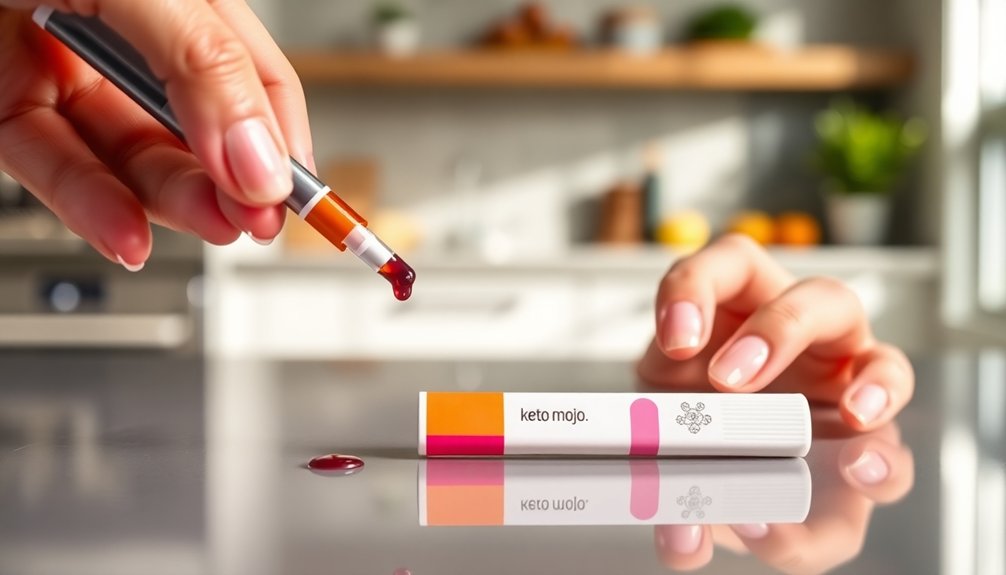
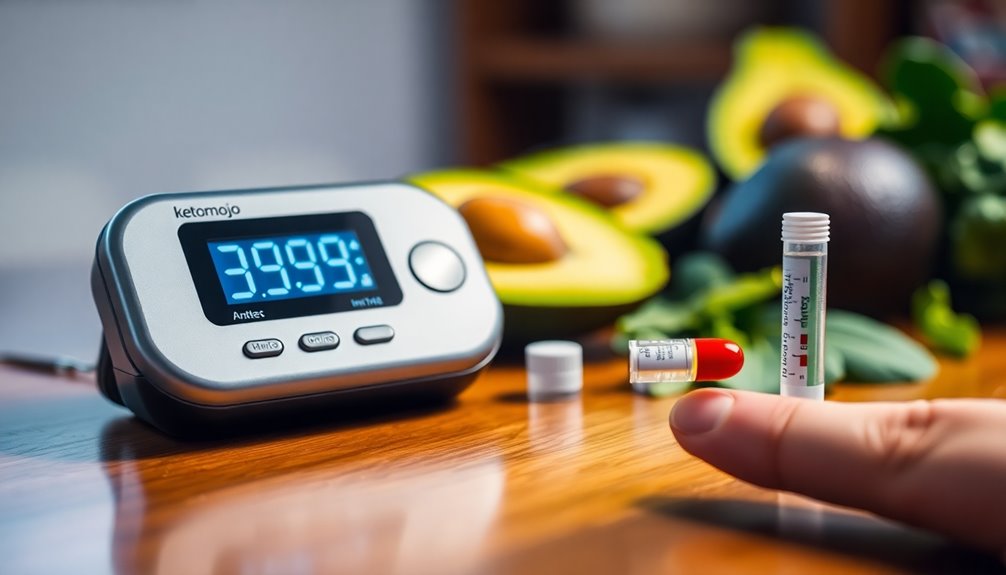
The Keto-Mojo is your go-to device for tracking blood ketone and glucose levels on your ketogenic journey. It’s easy to use: just insert a test strip, prick your fingertip, and apply a drop of blood for accurate readings. Keeping tabs on your ketone levels helps you stay in ketosis and make better dietary choices. Plus, you’ll soon understand how to troubleshoot and optimize your results for even better health outcomes. There’s a lot more to explore!
What Is the Keto-Mojo and How Does It Work?
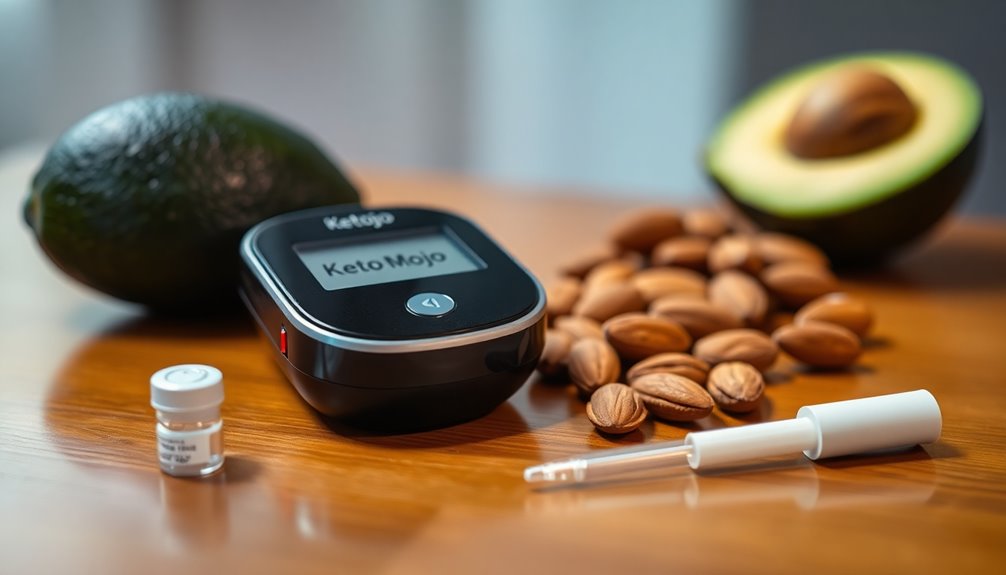
The Keto-Mojo is a cutting-edge device designed to measure your blood ketone and glucose levels, essential for those following a ketogenic diet.
The Keto-Mojo is an innovative device for tracking blood ketone and glucose levels, vital for ketogenic dieters.
This sleek meter offers impressive keto mojo features, such as an easy-to-read display and Bluetooth connectivity, allowing you to track your progress seamlessly.
When you’re ready to start ketone testing, simply insert a ketone test strip, prick your finger, and apply a drop of blood. The device quickly provides accurate readings, helping you understand how your body responds to the keto lifestyle.
With its user-friendly interface, you can easily monitor your levels over time, making adjustments to your diet as needed. Additionally, tracking blood sugar levels is crucial for maintaining stability while on keto.
Embracing the Keto-Mojo empowers you to stay on track and reach your health goals effectively.
Understanding Blood Ketones vs. Blood Glucose
When managing your health on a keto diet, it’s essential to understand the differences between blood ketones and blood glucose. Monitoring these levels can help you optimize your metabolic state and achieve your goals. Let’s explore why keeping an eye on both is important for your health journey. Maintaining stable blood sugar levels is crucial for overall metabolic health, as fluctuations can lead to increased insulin resistance and other complications.
Key Differences Explained
Understanding the key differences between blood ketones and blood glucose is essential for anyone following a ketogenic diet.
Blood glucose is your body’s primary energy source, derived from carbohydrates. When you consume fewer carbs, your glucose readings drop, prompting your body to shift to fat for fuel, producing ketones.
These ketones are a byproduct of fat metabolism and indicate that your body is in ketosis, a state critical for effective weight loss and energy levels on a keto diet.
While glucose levels fluctuate throughout the day, ketone levels provide a more stable indication of fat utilization.
Recognizing these key differences helps you adjust your diet effectively and guarantees you’re maintaining the right balance for peak health.
Importance of Monitoring
Monitoring both blood ketones and blood glucose levels is essential for anyone on a ketogenic diet. By keeping track of these metrics, you’ll gain valuable health insights that can enhance your progress.
Understanding the relationship between ketones and glucose helps you optimize your diet effectively.
Here are some key benefits of tracking both levels:
- Better understanding of your metabolism
- Improved dietary adjustments
- Enhanced energy levels
- Informed decisions about your health
Regularly checking these levels allows you to identify patterns and make necessary changes.
This proactive approach not only aids in achieving ketosis but also supports your overall well-being.
Why Monitoring Ketone Levels Is Important on Keto
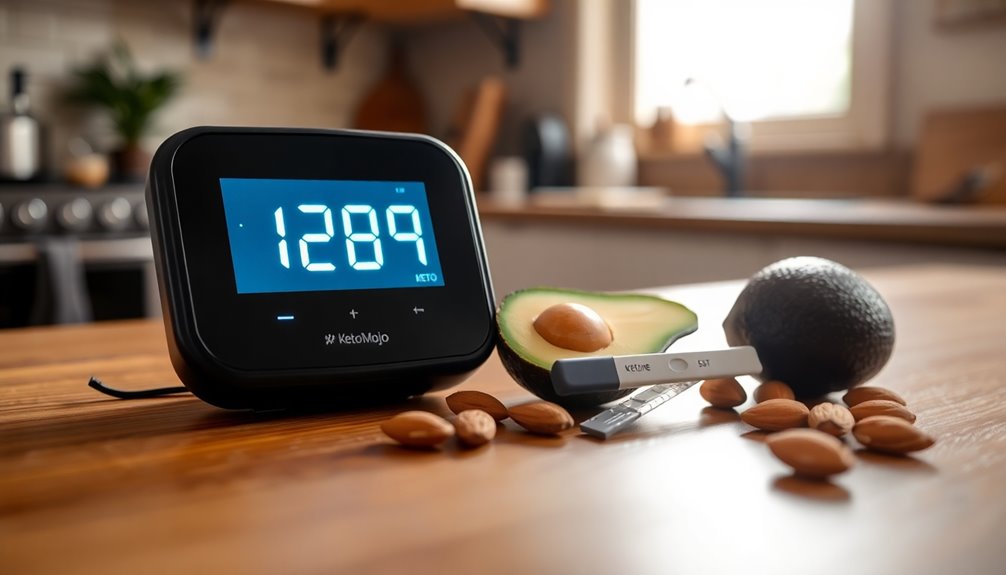
While you’re following a ketogenic diet, keeping track of your ketone levels is essential for ensuring you’re in a state of ketosis. Monitoring these levels helps you understand how well your body is utilizing fat for fuel, allowing you to reap the full ketone benefits, like increased energy and improved mental clarity. By tracking progress, you can identify what foods and habits support your ketogenic journey and make necessary adjustments to stay on track. If your ketone levels drop, it might signal that you need to tweak your diet or lifestyle choices. Ultimately, regular monitoring empowers you to optimize your keto experience and reach your health goals more effectively. Additionally, understanding how increased fat burning impacts your energy levels can further enhance your motivation to stay committed. Stay proactive, and let your ketone meter guide you on this journey!
How to Set Up Your Keto-Mojo for First Use
To get started with your Keto-Mojo, first unbox the meter and familiarize yourself with its components.
Next, make certain to insert the test strips properly for accurate readings.
Finally, calibrate the device to guarantee you’re getting the best results from your monitoring. This will help ensure that your readings reflect your blood sugar regulation effectively, allowing you to track your progress on the ketogenic diet.
Unbox Your Keto-Mojo
Unboxing your Keto-Mojo is an exciting step towards tracking your ketone levels and enhancing your keto journey.
As you peel back the packaging, you’ll find everything you need to get started. Here’s what to look for among your meter accessories:
- The Keto-Mojo meter
- Test strips
- Lancet device
- User manual
Once you have everything ready, take a moment to appreciate the unboxing excitement.
This is your tool for monitoring progress and staying on track. Make sure to familiarize yourself with the components and how they fit together before diving into testing.
With your Keto-Mojo set up, you’ll be one step closer to achieving your keto goals!
Insert Test Strips Properly
Before you start testing your ketone levels, it’s essential to insert the test strips properly into your Keto-Mojo meter.
Begin by confirming your hands are clean to avoid contamination. Take a test strip and hold it by the colored end, avoiding the sample area. Align the strip with the slot in your meter, making sure the contact points face the inside of the device. Push gently until you feel it click into place—this guarantees proper handling and accurate readings.
Once inserted, the meter will power on automatically. Remember, incorrect test strip insertion can lead to faulty results, so take your time and follow these steps carefully for the best experience with your Keto-Mojo.
Calibrate For Accurate Readings
Setting up your Keto-Mojo for the first time is essential for ensuring accurate readings, as calibration is key to reliable results.
To get started, follow these calibration techniques and accuracy tips:
- Use the provided control solution to test your meter.
- Compare the reading with the solution’s known value.
- Adjust settings if necessary to match the expected result.
- Regularly check calibration every few weeks for consistent accuracy.
Step-by-Step Guide: How to Measure Your Ketone Levels
Measuring your ketone levels can seem intimidating at first, but with the right steps, it becomes a straightforward process.
First, gather your ketone meter and test strips. Wash your hands and dry them thoroughly. Next, insert a test strip into the meter and wait for it to power on. Prick your fingertip with the lancet and squeeze gently to obtain a drop of blood. Apply the blood to the test strip and wait for the reading.
To guarantee accuracy, follow best practices by testing at the same time each day and after fasting. Regularly measuring your ketone levels can help you understand how the ketogenic diet enhances insulin sensitivity and track your progress effectively.
Interpreting Your Ketone Readings: What Do the Numbers Mean?
When you check your ketone levels, the numbers can tell you a lot about your body’s state of ketosis. Understanding what those readings mean is key to enhancing your keto journey. Let’s explore the ideal ketone ranges and how they impact your health. Additionally, maintaining healthy fats in your diet can further support your cholesterol management during ketosis.
Understanding Ketone Levels
Understanding your ketone levels is essential for effectively managing a ketogenic lifestyle, as these readings provide insight into your body’s state of ketosis.
By tracking your ketone metabolism, you can better understand how your body responds to dietary changes.
Here are a few key points to evaluate when interpreting your ketone readings:
- Higher ketone levels indicate deeper nutritional ketosis.
- Consistent readings help you gauge your diet’s effectiveness.
- Fluctuations may signal a need for dietary adjustments.
- Knowing your levels can motivate you to stay committed.
Optimal Ketone Ranges
Interpreting your ketone readings requires knowing what the numbers actually mean.
Ideal ketone levels typically range from 0.5 to 3.0 mmol/L, indicating you’re in a state of nutritional ketosis. Below 0.5 mmol/L, you mightn’t be in ketosis, while levels above 3.0 mmol/L could suggest over-ketosis, which isn’t necessary for most people.
When measuring variability, you should note that fluctuations in your ketone numbers can occur due to factors like diet, exercise, and hydration. Understanding these variations helps you tailor your approach and maintain ideal ketone levels.
Ideal Ketone Levels for Different Stages of Keto
Many people on the keto diet wonder about the ideal ketone levels to aim for at different stages of their journey.
Understanding these ideal ketone ranges can help you navigate your progress through the best ketosis phases. Here’s a quick guide to target ketone levels:
- 0.5 to 1.5 mmol/L: Light ketosis, great for fat loss.
- 1.5 to 3.0 mmol/L: Optimal ketosis, where fat burning peaks.
- 3.0 to 5.0 mmol/L: Therapeutic levels, beneficial for specific health conditions.
- Above 5.0 mmol/L: Generally too high; may lead to ketoacidosis.
Tracking these levels with your ketone meter will help you adjust your diet and maintain your desired state of ketosis effectively. Additionally, meal planning can enhance your ability to achieve and sustain these ketone levels by ensuring you meet your macro goals.
Common Mistakes When Using the Keto-Mojo
As you track your ketone levels to stay in the ideal range for your keto journey, it’s easy to make a few common mistakes when using the Keto-Mojo.
One of the most prevalent misconceptions isn’t waiting long enough after eating to test your ketones. It’s vital to allow time for your body to process food.
Another common error is using expired test strips, which can lead to inaccurate readings. Be certain to check the expiration date.
For troubleshooting tips, always verify your meter is calibrated correctly and clean the strips before use.
Finally, testing at different times of the day can yield varying results, so stick to a consistent routine for the most reliable data. Additionally, understanding how insulin sensitivity is affected by your diet can help you interpret your ketone levels more effectively.
How to Maintain Your Keto-Mojo for Accurate Readings
Maintaining your Keto-Mojo is essential for getting accurate readings and staying on track with your keto goals.
Proper maintenance of your Keto-Mojo is crucial for accuracy and achieving your keto objectives.
To guarantee your meter remains reliable, focus on these key practices:
- Regular calibration frequency: Calibrate your meter according to the manufacturer’s recommendations to guarantee accuracy.
- Proper storage: Keep your strips in a cool, dry place to prevent degradation.
- Testing consistency: Always use the same technique when testing to minimize variability in your results.
- Battery checks: Regularly check and replace the battery to avoid disruptions in your readings.
Additionally, ensure that you are following a low-carb diet to achieve the most accurate ketone levels.
Understanding Variability in Ketone Readings
Understanding the factors that lead to variability in your ketone readings is essential for accurately tracking your ketogenic progress. Several variability factors can impact your results, such as hydration levels, time of day, and even what you ate prior to testing.
For instance, testing after a meal can yield different readings compared to fasting. Additionally, stress and exercise can influence your ketone levels, leading to fluctuations in your readings.
To achieve better reading consistency, aim to test under similar conditions each time—same time of day, similar hydration, and after the same type of meal. This approach helps you identify trends and make informed adjustments to your diet, ultimately supporting your journey towards ketosis. Incorporating healthy fats into your meals can also enhance satiety and help stabilize your ketone levels.
Tips for Using Your Keto-Mojo on the Go
When you’re on the go, keeping track of your ketone levels can be a challenge, but it doesn’t have to be.
With a few tips, you can guarantee your Keto-Mojo is always ready for use.
Keep your Keto-Mojo prepared for any situation with these essential tips for on-the-go monitoring.
- Use portable storage to keep your ketone meter safe and secure.
- Pack travel essentials like extra test strips and lancets for convenience.
- Include an emergency backup battery to avoid interruptions during your travels.
- Make sure your meter is easily accessible for quick access when needed.
What to Do If Your Ketone Levels Are Not Where You Expect?
If your ketone levels aren’t where you expect them to be, it’s important to take a moment to assess the situation.
First, consider common ketone fluctuation causes, such as stress, dehydration, or changes in your activity level. Evaluate your recent meals—have you strayed from your keto diet?
If so, pinpoint what might’ve contributed to the rise or drop in your ketone levels. You might need to adjust your keto diet by refining your macronutrient ratios or incorporating more healthy fats.
Additionally, verify you’re staying well-hydrated and managing stress effectively.
Integrating Keto-Mojo Results Into Your Overall Health Strategy
Integrating your Keto-Mojo results into your overall health strategy can greatly enhance your journey toward better wellness.
By aligning your daily habits with the insights from your ketone meter, you can guarantee effective keto lifestyle integration. Here are some key steps to incorporate:
- Track Patterns: Monitor your ketone levels regularly to identify trends.
- Adjust Diet: Use results to refine your food choices and macronutrient ratios.
- Set Goals: Establish achievable health goals based on your readings.
- Consult Professionals: Share your data with healthcare providers for tailored advice.
Conclusion
Incorporating the Keto-Mojo into your keto journey can really enhance your understanding of your body’s responses. Did you know that maintaining blood ketone levels between 1.5 to 3.0 mmol/L can optimize fat burning? By regularly checking your ketone levels, you’re not just tracking progress; you’re also fine-tuning your diet for better results. So, grab your Keto-Mojo, stay consistent, and watch how your body transforms as you embrace the keto lifestyle!