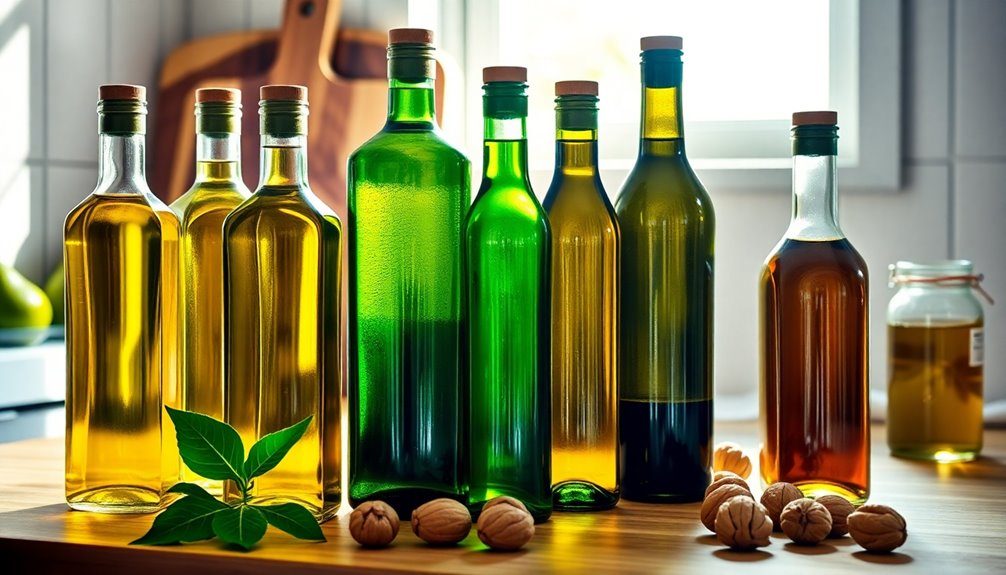
When choosing oils for your keto diet, focus on healthy fats to boost your energy and support ketosis. Coconut oil is great for quick energy due to its MCTs, while avocado oil’s high smoke point makes it versatile for cooking. Extra virgin olive oil is rich in antioxidants, and ghee adds a unique flavor without lactose. Avoid oils like canola or corn that can disrupt your health. Discover more about selecting the best oils for your keto lifestyle.
The Importance of Healthy Fats in a Keto Diet
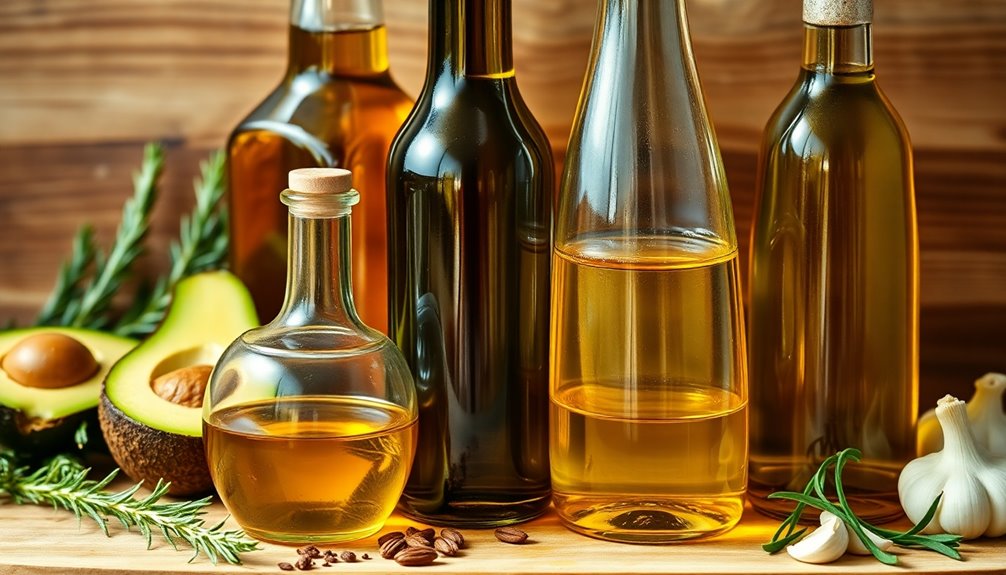
Healthy fats are essential to your success on a keto diet because they provide the bulk of your daily energy intake, promoting ketosis and aiding weight loss.
Incorporating healthy fats, like monounsaturated fats from olive oil and avocado, supports heart health and reduces inflammation.
Balancing omega-3 fatty acids with omega-6 is vital, as too much omega-6 can disrupt digestive health and increase inflammation.
You can also include moderate amounts of saturated fats from sources like coconut oil and butter to maintain energy levels and support metabolic health.
Choosing quality fats not only enhances nutrient absorption but also provides antioxidants, making your ketogenic diet more effective and holistic. Additionally, healthy fats like medium-chain triglycerides from coconut oil can significantly boost ketone production and enhance brain function.
Prioritize these fats for best results and overall well-being.
Top Cooking Oils for Keto: An Overview
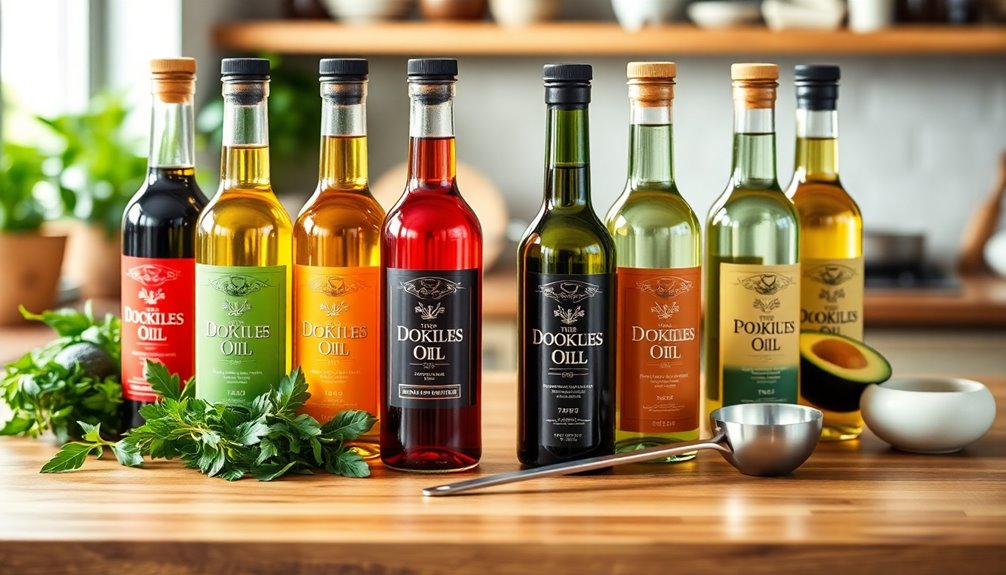
When you’re following a keto diet, choosing the right cooking oils can greatly impact your success.
Coconut Oil is a top choice thanks to its medium-chain triglycerides (MCTs), which quickly convert into ketones for energy.
Avocado Oil stands out with a high smoke point of about 500°F, making it perfect for frying and dressings while offering healthy monounsaturated fats.
On the other hand, Extra Virgin Olive Oil is rich in antioxidants but is best for cold applications due to its lower smoke point.
Ghee, or clarified butter, also has a high smoke point and adds a delicious nutty flavor.
Don’t forget about animal fats like tallow and lard, which are great for high-heat cooking and unique flavors. Incorporating healthy fats into your diet can support weight loss and improve heart health.
Why Choose Coconut Oil for Your Keto Kitchen?
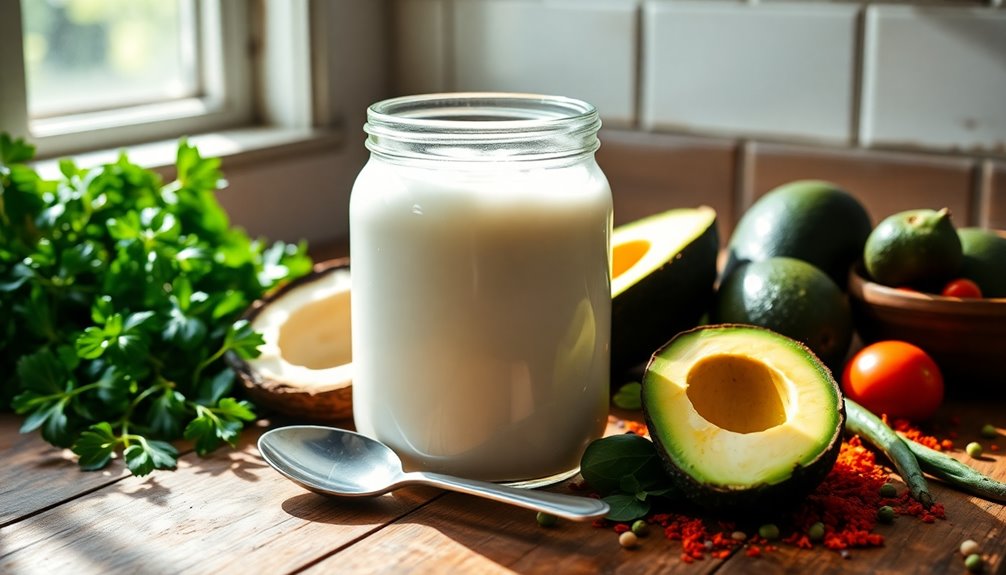
Coconut oil’s packed with medium-chain triglycerides (MCTs) that can boost your energy and support ketosis.
Its high smoke point makes it perfect for various cooking methods, from sautéing to baking, without sacrificing flavor or health benefits.
Plus, the tropical taste adds a delicious twist to your keto dishes, making it a versatile choice for your kitchen. Additionally, MCTs provide quick energy that helps enhance mental focus and physical performance.
Nutritional Benefits of Coconut Oil
In the world of keto cooking, coconut oil stands out as a powerhouse ingredient. Packed with medium-chain triglycerides (MCTs), it’s quickly converted into ketones, providing you with instant energy for your keto diet. This rapid conversion can help boost your metabolism, supporting your weight loss goals effectively.
Additionally, unrefined coconut oil retains essential nutrients and boasts antimicrobial properties, adding further health benefits to your meals. With a high smoke point of around 350°F (177°C), it’s versatile enough for sautéing or baking.
Plus, its subtle coconut flavor enhances both sweet and savory dishes, making it a delicious choice in your keto kitchen. Embrace coconut oil and elevate your culinary experience while reaping its numerous health benefits.
Versatile Cooking Applications
Why settle for just any oil in your keto kitchen when coconut oil offers unmatched versatility? This oil is packed with medium-chain triglycerides (MCTs), providing quick energy while fitting perfectly into your keto-friendly cooking oils.
With its high smoke point, coconut oil can handle various cooking methods, from sautéing to baking, without losing its beneficial properties. Its subtle tropical flavor enhances both sweet and savory dishes, making it an excellent choice for any recipe.
Plus, its antimicrobial properties support gut health and overall wellness, aligning perfectly with your ketogenic goals. By incorporating coconut oil into your meals, you’ll easily reach that recommended fat intake of 70-80% daily energy, making it a must-have in your keto kitchen.
Enhancing Ketosis Effectiveness
Choosing coconut oil for your keto kitchen can greatly enhance your ketosis effectiveness, as its high concentration of medium-chain triglycerides (MCTs) quickly converts to ketones for energy.
This unique fatty acid composition promotes fat oxidation, aiding weight loss and improving body composition.
With a high smoke point, coconut oil is perfect for various cooking methods like sautéing and baking, ensuring you don’t lose its beneficial properties.
Incorporating coconut oil into your meals not only boosts flavor but also provides essential fatty acids that support overall health.
Regular use of this versatile oil can help maintain steady energy levels and reduce cravings, making it easier to stick to your ketogenic lifestyle and effectively enhance ketosis.
The Benefits of Avocado Oil for Cooking and Dressings
Avocado oil packs a nutritional punch with its heart-healthy monounsaturated fats and essential nutrients. Its high smoke point makes it perfect for various cooking methods, while its mild flavor enhances your dishes without overshadowing them. You’ll love how easily it fits into your keto diet, promoting healthy fat intake and boosting flavor in your meals. Additionally, its rich content of antioxidants that combat oxidative stress supports overall health and well-being.
Nutritional Profile Highlights
When it comes to healthy cooking oils, avocado oil stands out for its impressive nutritional profile. It’s high in monounsaturated fats, which support heart health and improve cholesterol levels.
Rich in essential nutrients like vitamin E and antioxidants, avocado oil aids in inflammatory reduction, promoting overall wellness. Its high smoke point of approximately 500°F (260°C) makes it perfect for various cooking methods, ensuring you can fry or sauté without compromising its benefits.
Additionally, avocado oil enhances nutrient absorption, helping your body effectively utilize vitamins and minerals from other foods. With its mild, nutty flavor, it complements dishes beautifully, making it an excellent choice for dressings and dips while contributing to your health.
Cooking Versatility
With its impressive versatility, avocado oil is a top contender in the kitchen, whether you’re frying, sautéing, or preparing dressings.
Its high smoke point of approximately 500°F (260°C) makes it ideal for various cooking methods without breaking down or losing nutritional value. Packed with heart-healthy monounsaturated fats, avocado oil not only supports your wellness but also helps reduce cholesterol levels.
This versatile oil enhances nutrient absorption, making it a perfect addition to salads and dips. Plus, its mild flavor complements a range of dishes without overpowering other ingredients, whether you’re using it in hot applications or cold dressings.
Embrace avocado oil for your cooking needs and enjoy the health benefits it brings to your meals.
Flavor Enhancement Techniques
How can you elevate the taste of your dishes while sticking to your keto diet? Avocado oil is your go-to choice, offering numerous benefits for flavor enhancement.
It’s rich in monounsaturated fats, supporting heart health and cholesterol levels. Plus, with a high smoke point of about 500°F (260°C), you can use it for various cooking methods without losing its nutritional value.
Consider these benefits:
- Ideal for salad dressings and dips
- Adds a mild, nutty flavor to dishes
- Enhances nutrient absorption from other foods
- Perfect for keto cooking techniques like frying and sautéing
- Creates creamy textures in homemade dressings
Incorporate avocado oil, and watch your meals transform!
How Does Extra Virgin Olive Oil Support Heart Health?
Extra virgin olive oil stands out as a powerhouse for heart health, thanks to its high concentration of monounsaturated fats, particularly oleic acid. These fats help reduce LDL (bad) cholesterol levels, promoting better cardiovascular health.
Packed with antioxidants, such as phenolic compounds, this oil combats oxidative stress and inflammation, key factors in heart disease. Regularly using extra virgin olive oil can lower your risk of heart issues and enhance overall heart function. Its anti-inflammatory properties also contribute to reduced blood pressure, a significant risk factor for heart disease. Additionally, the vitamin E and other antioxidants in extra virgin olive oil help prevent atherosclerosis, ensuring healthy blood vessels and improved circulation.
Moreover, incorporating healthy fats like extra virgin olive oil can improve cholesterol ratios, further supporting heart health. Embrace this oil for your heart’s sake!
Exploring the Versatility of Sesame Oil
If you’re looking for a versatile oil that can elevate your keto cooking, sesame oil deserves your attention. This oil not only boasts a medium-high smoke point, making it suitable for sautéing and frying, but it also enhances your dishes with its nutty aroma.
Here’s why sesame oil is a must-have in your keto kitchen:
- Rich in healthy fats that support heart health
- Excellent for nutrient preservation when used at appropriate temperatures
- Perfect for stir-fries, adding flavor without compromising nutrition
- Great in dressings, amplifying taste while keeping it keto-friendly
- Aids in weight loss, aligning with your keto diet goals
- Incorporating sesame oil into your meals can provide essential fatty acids that contribute to overall health and well-being.
Incorporate sesame oil into your meals for a delicious, healthful upgrade!
Ghee: The Lactose-Friendly Cooking Fat You Need
Ghee, often considered a staple in many kitchens, offers a lactose-friendly alternative to traditional butter. By removing milk solids and water, ghee becomes an excellent choice for those sensitive to dairy.
With a high smoke point of around 450°F (232°C), you can confidently use ghee for sautéing and frying without worrying about burning. It’s rich in beneficial fatty acids and essential vitamins A, D, E, and K2, which support your overall health and nutrient absorption. Additionally, ghee aligns with the keto diet‘s emphasis on healthy fats that promote wellness and reduce inflammation.
Plus, its rich, nutty flavor enhances a variety of dishes, making it versatile for both traditional and modern recipes. For anyone on a keto diet, ghee is a stable cooking fat that maintains its integrity, ensuring delicious meals without compromising your health goals.
The Role of Animal Fats in Keto Cooking
Animal fats like tallow and lard are perfect for your keto cooking, thanks to their stability and high smoke points. They not only enhance the flavor of your dishes but also offer nutritional benefits, such as supporting weight loss and providing essential vitamins. Plus, their versatility means you can use them in a variety of cooking methods, from frying to roasting. Additionally, these fats can help increase HDL cholesterol, which is crucial for supporting overall cardiovascular health.
Nutritional Benefits of Animal Fats
When exploring the nutritional benefits of animal fats in keto cooking, you’ll find that these fats, like tallow and lard, offer a host of advantages. They’re not just flavorful; they’re also packed with essential nutrients.
Here are some key benefits:
- Stable at high temperatures, perfect for frying and roasting
- Rich in saturated and monounsaturated fats, supporting heart health
- Enhance absorption of fat-soluble vitamins (A, D, E, K)
- More nutrient-dense than processed vegetable oils
- Unique flavors, enriching your keto meals
Choosing animal fats can elevate your dishes while adhering to ketogenic guidelines, making them an excellent choice for your cooking needs.
Embrace their benefits to support your overall health and culinary creativity!
Cooking Methods and Versatility
While many cooking oils can leave you questioning their versatility, animal fats like tallow and lard shine in keto kitchens.
These fats are stable at high heat, making them suitable for various cooking methods like frying, sautéing, and roasting. Not only do they impart rich, savory flavors to your dishes, but they also help meet the fat requirements essential for a keto diet.
High in saturated and monounsaturated fats, animal fats contribute to satiety and energy levels, keeping you in ketosis.
Plus, they’re less processed than many vegetable oils, minimizing the risk of harmful compounds that can promote inflammation.
Incorporating these animal fats can enhance your meals while supporting overall health and the effectiveness of your keto journey.
Oils to Avoid: What Not to Use on a Keto Diet
Although many oils may seem harmless, some are best avoided on a keto diet due to their high omega-6 fatty acid content. These oils can promote inflammation and disrupt your body’s fatty acid balance.
Here are some key oils to avoid:
- Canola oil
- Corn oil
- Soybean oil
- Safflower oil
- Sunflower oil
These oils, often found in processed foods, can lead to excessive omega-6 intake, which may contribute to digestive issues and chronic diseases. Additionally, maintaining a healthy fat balance is crucial for insulin sensitivity and overall metabolic health on a keto diet.
Older versions of safflower and sunflower oils are particularly unsuitable due to their high linoleic acid content.
To maintain peak health on a keto diet, steer clear of these inflammatory oils and focus on healthier alternatives instead.
Tips for Selecting High-Quality Cooking Oils
Choosing the right cooking oils can greatly impact your health, especially on a keto diet. Start by opting for cold-pressed oils like extra virgin olive oil and avocado oil, which retain more nutrients and contain fewer harmful compounds.
Always check the oil’s smoke point to guarantee it’s suitable for your cooking method, as overheating can create toxic substances. Next, examine the fatty acid profile; choose oils that are high in monounsaturated fats and omega-3s while low in omega-6s for a balanced diet.
Finally, select reputable brands known for their purity, as many oils labeled as olive or avocado may contain undesirable additives. This careful selection guarantees you’re getting the best quality for your health. Additionally, incorporating high-fat dairy products into your diet can enhance flavor while supporting your keto goals.
Conclusion
Incorporating the right oils into your keto diet can transform your meals into flavorful, health-boosting experiences. Picture sautéing vibrant veggies in rich avocado oil or drizzling golden extra virgin olive oil over a fresh salad, enhancing both taste and nutrition. By choosing healthy fats like coconut oil and ghee, you’re not just fueling your body; you’re crafting culinary masterpieces. So, embrace these oils, let creativity flow, and savor each bite as you nourish your body on your keto journey.