
If you’re facing hair loss or plateaus on your keto journey, it’s important to understand their causes and solutions. Hair loss can stem from nutrient deficiencies, hormonal changes, or imbalances in your diet. Combat this by adding biotin and omega-3 supplements, maintaining a balanced intake of healthy fats, and keeping your scalp healthy. For plateaus, tweak your macros by increasing healthy fats and considering intermittent fasting. There are more tips to guide you through these challenges and enhance your success.
Understanding the Causes of Keto-Related Hair Loss
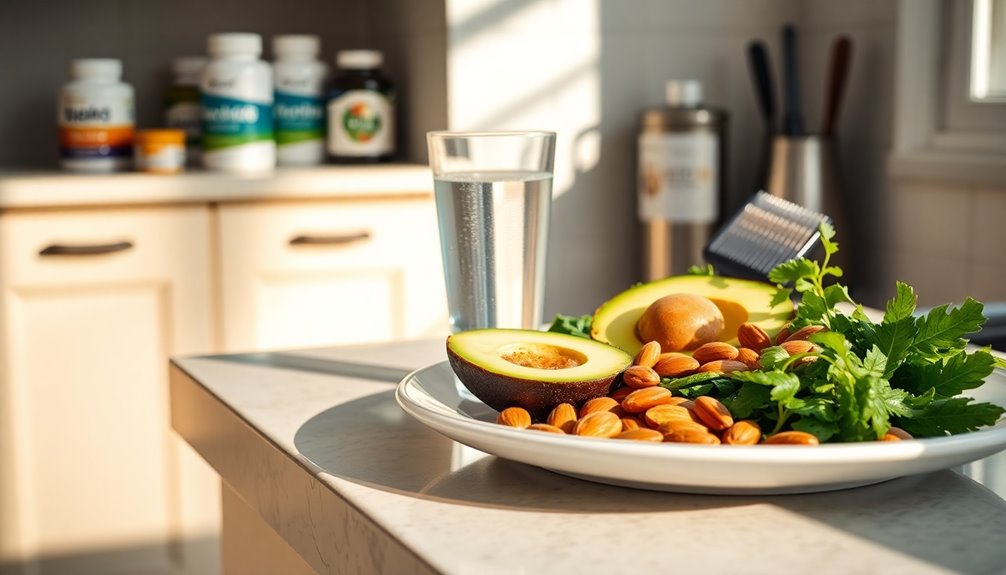
Have you noticed more hair in your brush since starting the keto diet? You’re not alone; many experience hair loss during this change. One major cause could be hormonal imbalances. The drastic shift in your diet can affect your hormones, leading to increased shedding. Additionally, nutrient deficiencies might play a significant role. On keto, you may cut out certain food groups, which can limit your intake of essential vitamins and minerals vital for healthy hair growth. For instance, low levels of biotin, zinc, and omega-3 fatty acids can contribute to hair thinning. It’s important to recognize these factors so you can address them effectively while staying committed to your keto journey. Understanding these causes is the first step toward finding solutions. Prioritize protein in your meals can also support overall health and potentially mitigate hair loss.
Effective Ways to Combat Hair Loss on Keto
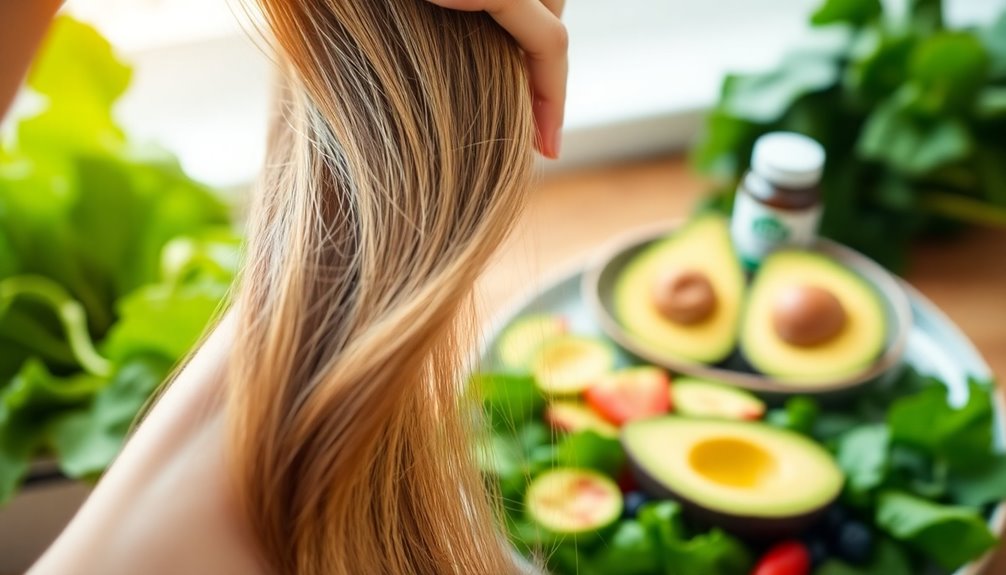
While shifting to a keto diet can lead to hair loss, there are effective strategies you can adopt to minimize this issue.
First, consider supplement options like biotin, zinc, and omega-3 fatty acids, which support hair health and growth. These nutrients can help combat deficiencies that might arise from dietary changes.
Next, pay attention to your hair care routine. Use gentle shampoos and conditioners without harsh chemicals, and consider incorporating scalp massages to boost circulation and promote growth.
Staying hydrated and maintaining a balanced intake of healthy fats can also contribute to overall hair wellness. Additionally, you might explore options like MCT oil for its potential benefits in weight management and overall energy levels, which can indirectly support your hair health as well.
Breaking Through Keto Plateaus: Tips and Tricks

If you’re hitting a keto plateau, adjusting your macronutrient ratios can make a big difference.
Incorporating intermittent fasting might also help you break through that stubborn barrier.
Let’s explore these strategies to get your progress back on track. Additionally, ensuring you’re consuming high-quality fats is crucial for maintaining stable energy levels and promoting metabolic flexibility on your keto journey.
Adjusting Macronutrient Ratios
To break through a keto plateau, adjusting your macronutrient ratios can make a significant difference. Achieving the right macronutrient balance is vital for continued success on your keto journey.
Here are three effective keto adjustments you can consider:
- Increase healthy fats: Boost your fat intake to around 75% of your daily calories, which can help your body tap into fat stores more efficiently.
- Moderate protein: Confirm you’re consuming about 20% protein—too much can kick you out of ketosis.
- Limit carbs: Keep your carb intake below 5%, focusing on low-carb vegetables to maintain ketosis.
Incorporating Intermittent Fasting
Have you considered incorporating intermittent fasting into your keto routine? This powerful strategy can help you break through plateaus and enhance your results.
By adjusting your fasting schedules, you allow your body to tap into its fat stores more effectively. Intermittent fasting benefits include improved insulin sensitivity and increased fat oxidation, making it easier for you to stay in ketosis.
Start with a simple 16:8 schedule, where you fast for 16 hours and eat during an 8-hour window. As you adapt, feel free to experiment with longer fasts, like 24-hour ones, if it feels right.
Remember to stay hydrated and listen to your body. With these techniques, you’ll reignite your progress and enjoy the benefits of both keto and fasting!
Nutritional Factors That Could Affect Your Keto Success
When you’re on your keto journey, the right balance of macronutrients is essential for success. Don’t overlook the impact of micronutrient deficiencies and how staying hydrated can influence your results. Additionally, understanding how cholesterol management is affected by dietary choices can help you optimize your keto experience. Let’s explore these nutritional factors to keep you on track.
Macronutrient Ratios Matter
Macronutrient ratios play an essential role in your keto success, influencing everything from weight loss to energy levels.
Achieving the right macronutrient balance is vital, as ideal ratios can make or break your progress on the keto diet. Here are three key factors to take into account:
- Fat: Aim for about 70-75% of your daily calories from healthy fats to fuel your body.
- Protein: Keep your protein intake around 20-25% to maintain muscle mass while losing fat.
- Carbohydrates: Limit carbs to about 5-10% of your total calories to stay in ketosis.
Micronutrient Deficiencies Impact
While focusing on macronutrient ratios is essential for your keto journey, overlooking micronutrient deficiencies can derail your progress. Achieving a healthy micronutrient balance is vital since deficiencies in vitamins and minerals can impact your energy levels, mood, and overall well-being.
On a keto diet, you may not consume enough fruits and vegetables, leading to inadequate nutrient absorption. This can result in issues like fatigue, hair loss, or muscle cramps.
To combat these deficiencies, consider incorporating low-carb vegetables, nuts, and seeds into your meals. You might also benefit from a good-quality multivitamin or specific supplements.
Hydration Levels Influence Results
Staying properly hydrated is essential for your success on the keto diet. Your hydration levels can greatly impact your results, so it’s important to confirm you’re drinking ideal water throughout the day.
Here are three ways hydration impacts your keto journey:
- Boosts Energy Levels: Proper hydration helps maintain your energy, making it easier to stick to your workout routine.
- Supports Digestion: Sufficient water intake aids digestion and can help prevent constipation, a common issue on keto.
- Enhances Nutrient Absorption: Hydration is critical for absorbing the nutrients from the low-carb foods you eat, maximizing your diet’s effectiveness.
Managing Keto Flu and Other Common Side Effects
As you commence your keto journey, it’s common to experience the “keto flu,” a collection of symptoms that can arise as your body adapts to burning fat for fuel instead of carbohydrates.
You might face fatigue, headaches, nausea, or irritability during this adjustment period. To manage these side effects, make sure you stay well-hydrated and replenish electrolytes by consuming foods rich in potassium, magnesium, and sodium.
Gradually reducing carb intake can also help ease the change. Make certain you’re eating enough healthy fats and getting sufficient rest. Additionally, focusing on anti-inflammatory foods can support your body’s transition and enhance overall well-being.
While these unpleasant symptoms are temporary, listening to your body and adjusting your approach can make the keto experience more enjoyable.
Staying Motivated: Strategies for Long-Term Keto Success
Maintaining motivation on your keto journey is essential for long-term success, especially when faced with challenges.
To keep your spirits high and stay on track, consider these strategies:
- Goal Setting: Break your larger goals into smaller, achievable milestones. Celebrate each success to keep your motivation strong.
- Accountability Partners: Find a friend or join a support group. Sharing your progress and challenges can provide encouragement and helpful tips.
- Variety in Meals: Keep your meals exciting by trying new recipes. This prevents boredom and helps you stay committed to your keto lifestyle. Incorporating keto meal prep into your routine can simplify meal planning and ensure you stick to your diet.
Conclusion
So, you’ve battled hair loss, plateaus, and the dreaded keto flu—congratulations! You’re officially a keto warrior! Remember, it’s not just about the bacon and butter; it’s a journey of epic proportions, complete with side effects that could rival a bad reality show. Keep your spirits high, your motivation higher, and maybe stock up on some hair vitamins. After all, who says you can’t have your cheese and eat it too? Now go forth and conquer your keto kingdom!