

The keto diet is a low-carb, high-fat eating plan that shifts your body into a state called ketosis. In ketosis, your body burns fat for energy instead of relying on carbohydrates. You’ll focus on consuming healthy fats, moderate proteins, and minimal carbs, which can help reduce hunger and cravings. As you start this journey, you might face challenges, but there are tips and strategies to help you succeed. Discover more about making the most of your keto experience.
What Does “Keto” Really Mean?

When you hear the term “keto,” think of a low-carb diet that shifts your body into a state called ketosis. This dietary approach stems from keto origins, primarily developed in the 1920s to treat epilepsy.
The essence of keto terminology revolves around reducing carbohydrate intake while increasing fats and moderate protein consumption. By doing this, your body becomes efficient at burning fat for energy instead of relying on carbs.
You’ll often hear terms like “net carbs,” which refer to total carbs minus fiber, and “ketones,” the energy source produced during ketosis. Understanding these basics helps you navigate the keto landscape and empowers you to make informed choices as you commence your keto journey. Additionally, improved insulin sensitivity is a key benefit of the ketogenic diet, helping to stabilize blood sugar levels.
Key Principles of the Keto Diet
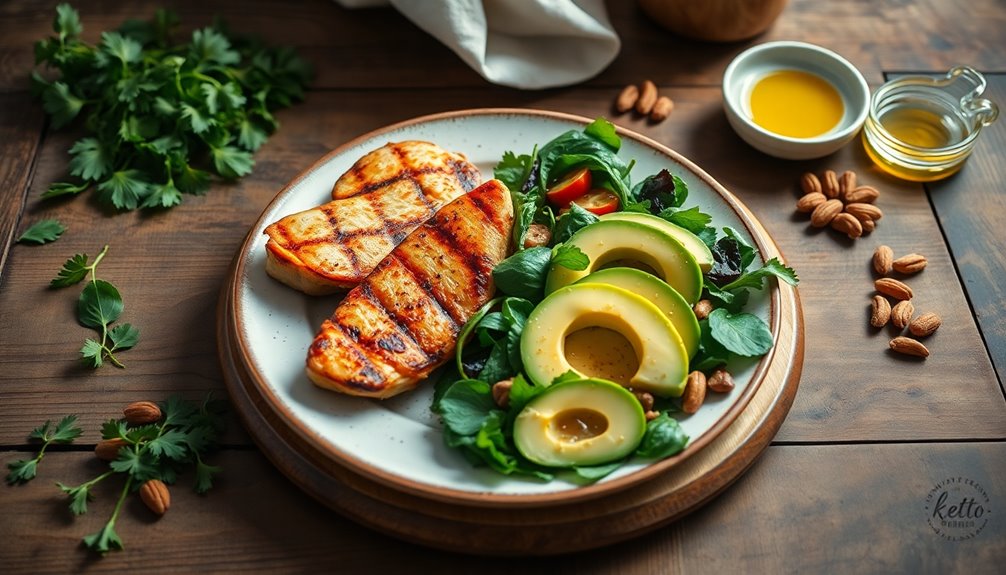
Understanding the fundamentals of the keto diet can set the stage for your success. The key principles revolve around managing your keto macronutrients, which typically consist of high fats, moderate proteins, and very low carbohydrates.
Understanding the keto diet’s fundamentals is crucial for success, focusing on high fats, moderate proteins, and very low carbs.
You’ll want to aim for a macronutrient ratio of about 70% fat, 25% protein, and 5% carbs.
Keto meal planning is essential to stay on track. Focus on incorporating healthy fats like avocados and olive oil, quality proteins such as fish and poultry, and low-carb vegetables.
Avoid sugars and grains, as they can kick you out of ketosis. By adhering to these principles, you’ll create a solid foundation for your keto journey, making it easier to achieve your health goals. Additionally, understanding how insulin sensitivity improves on a ketogenic diet can help enhance your overall metabolic health.
How Does the Keto Diet Work in Your Body?
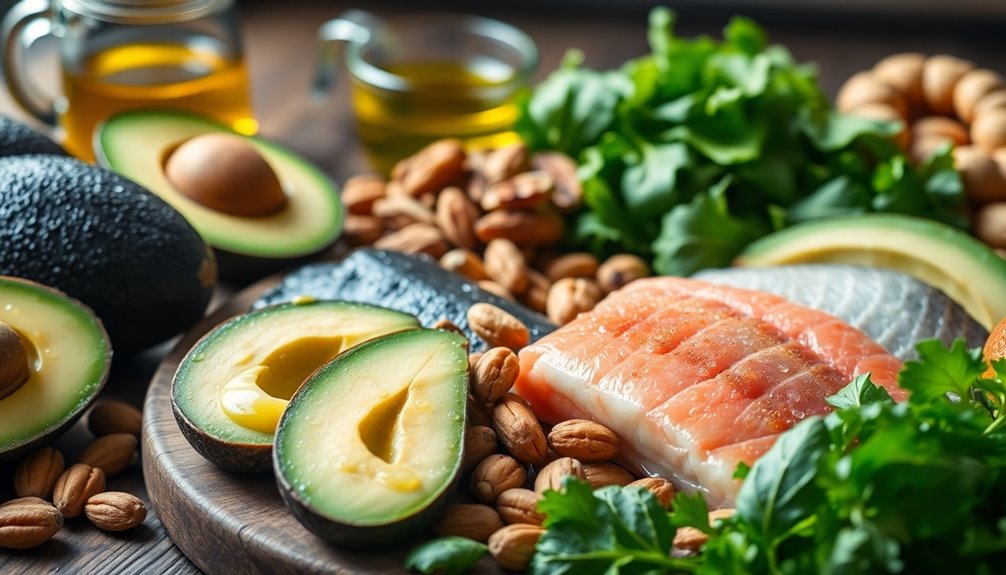
As you reduce carbohydrate intake on the keto diet, your body shifts from using glucose as its primary energy source to burning fat for fuel. This transformation initiates the ketosis process, where your liver converts fatty acids into ketones.
These ketones become your new energy source, helping you feel more energized and focused. During this phase, you’ll experience fat adaptation, where your body becomes efficient at utilizing fat instead of carbs. This adaptation can take a few days to a couple of weeks, depending on individual metabolism.
As you embrace this diet, you’ll notice reduced hunger and cravings, making it easier to stick to your goals while reaping the benefits of sustained energy and weight loss. Additionally, monitoring blood sugar levels is crucial during this transition to ensure stable energy and prevent symptoms of low blood sugar.
Common Mistakes Newbies Make on Keto
While diving into the keto diet can be exciting, many newcomers often stumble over common pitfalls that can derail their progress. One major mistake is neglecting meal planning. Without a clear plan, it’s easy to grab high-carb snacks when hunger strikes.
Additionally, improper carb counting can lead you to exceed your daily limits, preventing you from reaching ketosis. Many newbies underestimate hidden carbs in sauces and snacks, which can throw off your diet.
It’s also essential to focus on fat quality; not all fats are created equal. Remember, tracking your meals and being mindful of what you eat will set you up for success. Implementing adequate protein intake can also help enhance fat burning and muscle preservation on your keto journey.
Avoid these missteps, and you’ll find your keto journey much smoother!
Tips for Starting Your Keto Journey
Starting your keto journey can be a game changer for your health and energy levels. To set yourself up for success, focus on meal planning.
Starting your keto journey can transform your health and energy. Prioritize meal planning for lasting success.
Create a weekly menu that includes a variety of low-carb meals; this’ll help you stick to your goals. Don’t forget about snack options! Stock up on keto-friendly snacks like nuts, cheese, or avocado to keep hunger at bay.
Hydration is key, so drink plenty of water and consider electrolytes to avoid the “keto flu.” Additionally, incorporating easy keto-friendly recipes can make your meal prep enjoyable and satisfying.
Finally, track your progress to stay motivated. You’ll learn what works for you, making it easier to adjust your plan as needed.
Embrace the journey, and remember, consistency is essential for long-term success!
Conclusion
To sum up, the keto diet can be a game-changer for many looking to improve their health. Did you know that studies show about 60% of people on keto experience significant weight loss within the first month? By focusing on low carbs and high fats, you’re not just changing what you eat; you’re transforming how your body uses energy. So, as you start your keto journey, remember to embrace the process and enjoy the benefits that come with it!