

When following a keto diet, avoid popular “healthy” foods that can sabotage your efforts. Granola, whole wheat bread, and low-fat yogurt often contain hidden sugars and high carbs. Fruit juices are sugar traps, while sweet potatoes can kick you out of ketosis. Be wary of protein bars, store-bought smoothies, and low-calorie dressings—they might seem healthy but often aren’t keto-friendly. Curious about other foods to steer clear of? There’s more to uncover for your keto success.
The Misleading Appeal of Granola
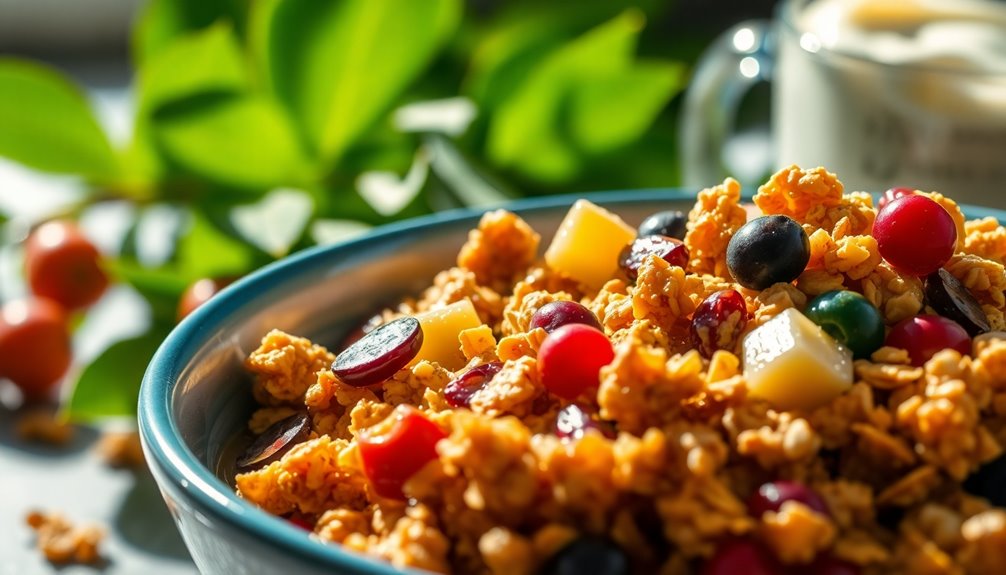
While granola might seem like a healthy option, it often hides a surprising amount of sugars and carbs that can derail your keto journey.
Many granola ingredients, like honey, maple syrup, and dried fruits, add significant sugar content. You might be drawn in by clever marketing tactics that tout granola as a wholesome snack, but don’t be fooled.
Many granola ingredients, such as honey and dried fruits, can secretly sabotage your healthy snacking intentions.
Those crunchy clusters can pack more carbs than a candy bar. Always check the nutrition label—what looks like a health food can easily sabotage your keto goals. Instead of reaching for granola, consider alternatives like nuts or seeds, which offer healthy fats without the hidden sugars. Staying informed will help you make better choices on your keto path. Additionally, opting for low-carb fruits can provide essential nutrients while keeping your carb intake in check.
Why Whole Wheat Bread Isn’t Keto-Friendly
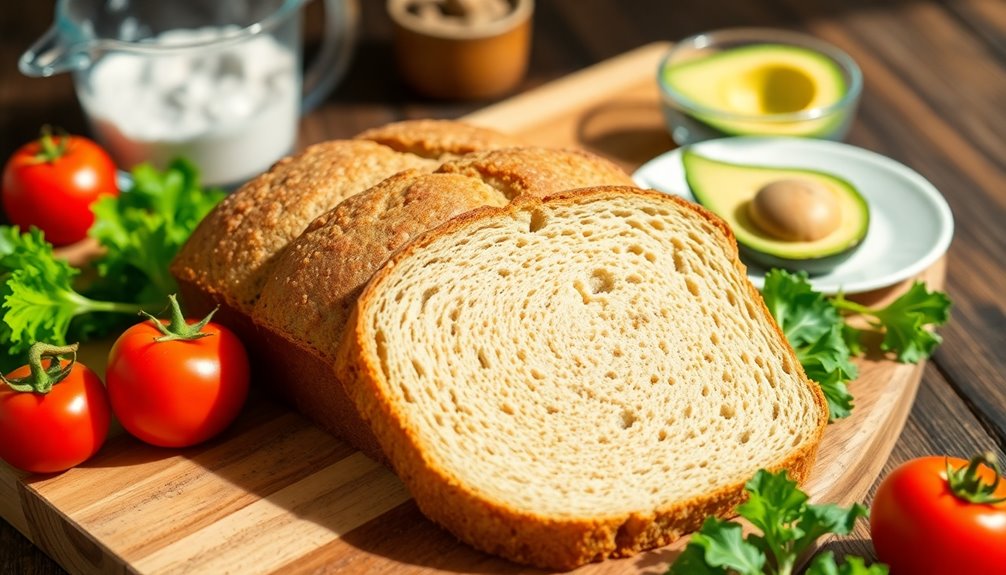
Although whole wheat bread is often marketed as a healthier alternative to white bread, it’s not compatible with a keto diet. The carbohydrate content in whole grains can disrupt your ketosis, making it challenging to maintain low blood sugar levels.
Even though it offers fiber benefits, the glycemic index remains relatively high, which can spike your blood sugar. Many people fall for health myths, believing whole wheat is a perfect choice.
However, for those on keto, it’s essential to embrace alternative breads that are lower in carbs. Portion control can also lead to unintentional carb overload. Instead, opt for keto substitutes like almond or coconut flour breads to stay aligned with your dietary goals while still enjoying delicious options. Additionally, many keto-friendly breads like almond flour bread are rich in healthy fats and protein, making them a nutritious choice.
The Truth About Low-Fat Yogurt

Many people seeking healthier options often turn to low-fat yogurt, thinking it’s a smart choice for their diet. However, this popular option can derail your keto goals.
Low-fat yogurts often contain added sugar alternatives to enhance flavor, which can spike your carb intake. These sugars can negate the benefits of probiotics, which are essential for gut health. Instead of low-fat varieties, consider full-fat Greek yogurt, which offers higher fat content and fewer carbs while still delivering those probiotic benefits.
Low-fat yogurts may seem healthy, but added sugars can increase your carb intake and undermine probiotic benefits.
Additionally, many of these sugar alternatives have low calorie content, making them seem healthier, but they can still impact your carb count. Remember, not all “healthy” foods align with the keto lifestyle. By choosing wisely, you can enjoy yogurt without compromising your diet.
Always check labels to verify you’re not unintentionally sabotaging your keto journey.
Avoiding Fruit Juices: The Sugar Trap
Since fruit juices often seem like a revitalizing choice, you mightn’t realize they can sabotage your keto diet. Packed with sugars, even seemingly healthy juices can spike your carb intake.
Instead of reaching for that glass of juice, consider these alternatives:
- Vegetable Juices: Opt for low-carb options like cucumber or spinach juice.
- Sparkling Water: Add a splash of lemon or lime for flavor without the sugar.
- Homemade Smoothies: Use avocado and unsweetened almond milk for creamy, low-carb treats.
If you crave sweetness, explore natural sweeteners like stevia or erythritol. Additionally, it’s important to be aware that carb content in pepperoni can vary, allowing you to enjoy it in moderation without exceeding your daily limit.
These fruit juice alternatives will keep your keto journey on track while satisfying your taste buds!
Why Most Protein Bars Won’t Fit Your Keto Goals
While protein bars may seem like a convenient snack option, they often contain hidden sugars and carbs that can derail your keto diet. Many bars use sugar alternatives that still impact your blood sugar levels.
Protein bars might appear convenient, but hidden sugars and carbs can disrupt your keto diet and affect blood sugar levels.
When choosing protein sources, scrutinize ingredient labels for high carb counts and low fiber content. Portion sizes can also be misleading; a small bar mightn’t be as keto-friendly as it appears.
It’s essential to make smart snack choices that align with your meal timing. Brand comparisons reveal that many popular protein bars fall short of keto standards. Always opt for bars specifically designed for keto, ensuring they fit seamlessly into your dietary goals without compromising your progress. Incorporating low-carb options like those found in keto-friendly snacks can help maintain your dietary goals.
The Hidden Carbs in Oatmeal
How can something as wholesome as oatmeal be a hidden trap for those on a keto diet? While it seems healthy, oatmeal packs a surprising carb punch, making it tough to fit into your daily limit.
If you’re carb counting, you might want to reflect on these points:
- High Carb Content: A single serving can contain over 30 grams of carbs, which can derail your keto goals.
- Sugar Additives: Many pre-packaged oatmeal products include added sugars, increasing the carb count even more.
- False Sense of Security: You might think oatmeal is healthy, but those carbs can sneak up on you.
Instead, look for oatmeal alternatives like chia seeds or flaxseed meal to keep your keto diet on track! Consider options like cauliflower rice, which is a versatile and low-carb substitute for traditional grains.
The Issue With Sweet Potatoes on Keto
Although sweet potatoes are often hailed as a nutritious option, they can pose a significant challenge for those on a keto diet. With a high carb content—around 20 grams per medium potato—they can quickly push you over your daily carb limit.
If you’re trying to maintain ketosis, it’s essential to find sweet potato alternatives that won’t derail your progress. Options like cauliflower, zucchini, or turnips can deliver similar textures and flavors without the heavy carb load. Additionally, understanding the macronutrient content of your food choices is crucial for staying in ketosis.
Why Certain “Healthy” Oils Can Sabotage Your Diet
Here are three oils to avoid:
- Canola Oil: Often highly processed, it may contain unhealthy trans fats that can hinder your weight loss goals.
- Sunflower Oil: High in omega-6 fatty acids, it can promote inflammation and disrupt your keto balance.
- Grapeseed Oil: Similar to sunflower oil, it’s rich in omega-6 and lacks the healthy fats you need for ketosis.
Instead, opt for oils like olive oil, coconut oil, or avocado oil.
These can enhance your meals and support your keto journey while keeping your health in check. Additionally, choosing the right fats can improve cholesterol levels, which is essential for heart health on a keto diet.
The Problem With Store-Bought Smoothies
Many people turn to store-bought smoothies as a quick and healthy option, but these can be deceptive. While they might seem nutritious, many contain high-sugar smoothie ingredients that can derail your keto goals.
It’s easy to overlook the hidden carbs in these pre-made drinks, especially when you’re busy. Always check the nutritional labels; you might be shocked to find that some smoothies pack more sugar than a soda!
Even “healthy” flavors can be loaded with fruit juices, sweeteners, or additives that aren’t keto-friendly. Instead of grabbing a store-bought option, consider blending your own smoothie at home. This way, you can control the ingredients and guarantee it fits perfectly into your low-carb lifestyle. Incorporating nutrient-dense seafood into your diet can also provide healthy fats and protein, supporting your overall health.
Are Low-Calorie Dressings Really Keto-Compatible?
Are low-calorie dressings really a safe bet for your keto diet? While they seem appealing, many contain low-calorie ingredients that can sabotage your progress. Here’s what to watch out for:
- Hidden Sugars: Many dressings use sugar substitutes or sweeteners, which can spike your carb intake without you realizing it.
- Emulsifiers and Stabilizers: These additives may not align with your clean eating goals and can disrupt your gut health.
- Inadequate Fats: Keto thrives on healthy fats, but low-calorie dressings often skimp on them, leaving you unsatisfied.
Before pouring that dressing on your salad, check the label carefully. You might be surprised at how many hidden sugars lurk within! Additionally, many store-bought options are often loaded with preservatives and additives, which can detract from your clean eating approach.
Stick to wholesome, high-fat options for the best results.
Conclusion
In the world of keto, it’s easy to be led down the garden path by foods that seem healthy but can derail your progress. By steering clear of granola, whole wheat bread, and other so-called health foods, you can stay on track. Remember, not everything that glitters is gold. Being mindful of what you eat is essential for achieving your goals. Keep your focus sharp, and you’ll find success on your keto journey!