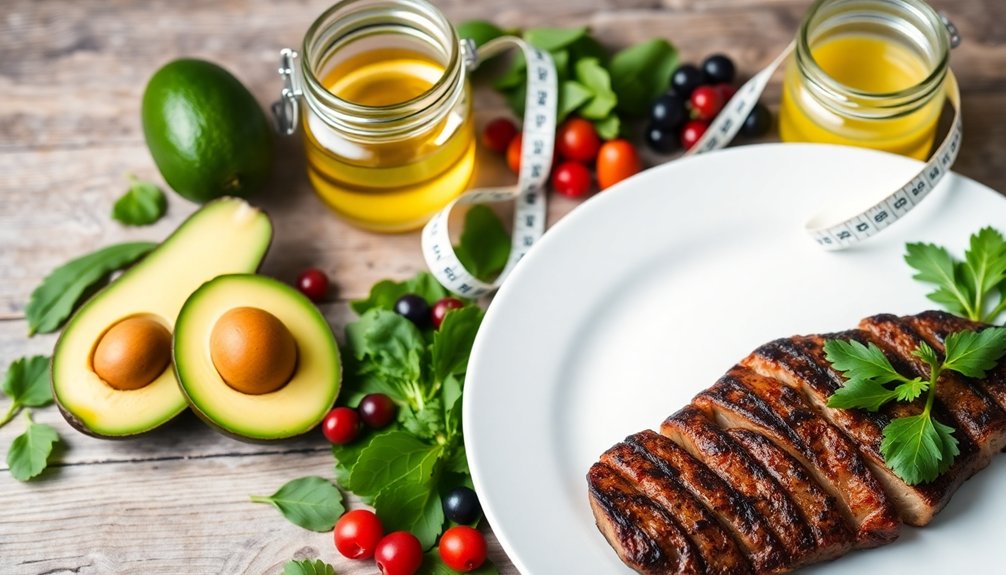
If you’ve got gallbladder issues, a high-fat ketogenic diet can trigger complications. Your gallbladder stores bile, which is essential for digesting fats. Consuming a lot of fat suddenly can lead to discomfort, gallstone attacks, or digestive problems. You might experience dull pain, nausea, or diarrhea soon after meals. It’s important to monitor your diet carefully and make gradual adjustments. Curious about safe dietary choices and tips to ease your journey? There’s more to discover.
Understanding Gallbladder Function and Its Relationship to Dietary Fat
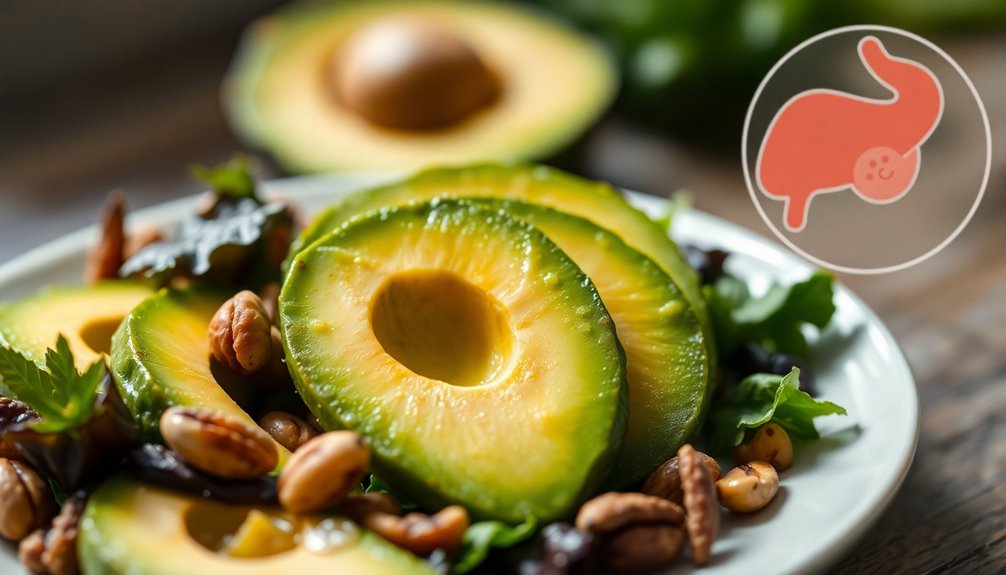
Your gallbladder plays an important role in digesting fats, as it stores bile that’s essential for breaking them down. When you consume dietary fat, your gallbladder contracts to release bile, aiding digestion.
However, a sudden shift to a high-fat diet can pose risks, especially if you have pre-existing gallstones. This might lead to discomfort or even the expulsion of stones.
On the flip side, low-fat diets can cause bile to stagnate, increasing the risk of gallstone formation due to insufficient bile release. Studies show that those on extreme low-fat diets often develop gallstones, highlighting how adequate fat intake is crucial for maintaining gallbladder health. It helps flush bile and prevents the accumulation of residues that lead to gallstones. Additionally, the ketogenic diet may help stabilize blood sugar levels, reducing the risk of inflammation that can affect gallbladder function.
Common Risks of a High-Fat Diet for Gallbladder Health
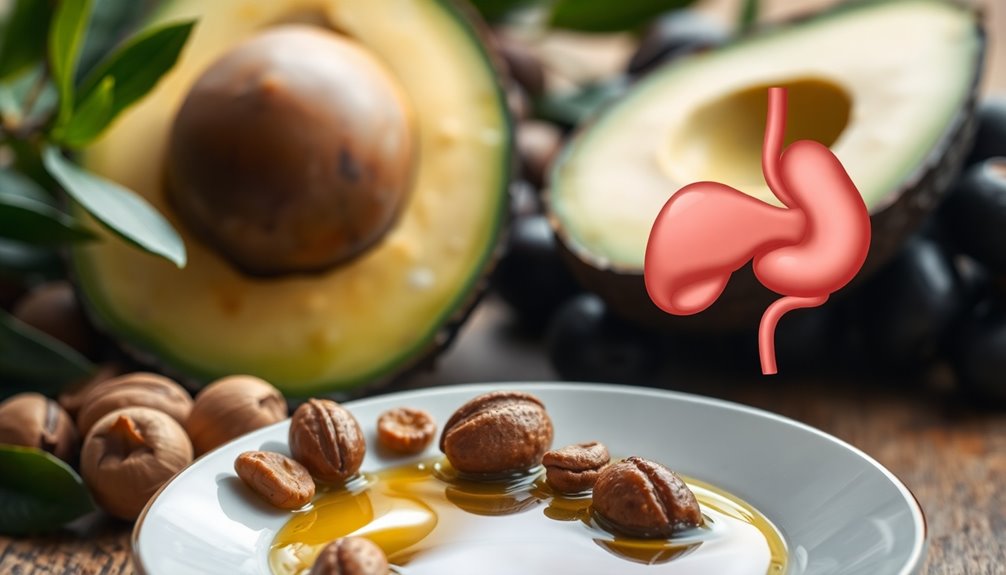
While a high-fat diet can offer benefits for some, it also carries significant risks for gallbladder health, especially for those with existing issues. Increased gallbladder contractions can trigger symptoms in individuals with gallstones or gallbladder disease.
A high-fat diet may benefit some, but it poses significant risks for gallbladder health, particularly for those with pre-existing conditions.
Rapid weight loss associated with such diets may elevate gallstone risk due to excess cholesterol released into bile. Furthermore, if your bile production is compromised, the high-fat diet can lead to digestive issues.
While studies show that low-fat diets can cause bile stagnation, high-fat diets might initially provoke gallbladder attacks before any improvement occurs. If you have gallbladder disease, monitoring your fat intake is vital, as a high-fat diet could exacerbate symptoms and lead to complications. Additionally, improved insulin sensitivity from dietary changes can influence overall metabolic health but may not mitigate the risks for those with gallbladder concerns.
Symptoms of Gallbladder Dysfunction on a Ketogenic Diet?

How can you tell if your gallbladder is struggling on a ketogenic diet? If you experience severe, dull pain in your upper right abdomen, often triggered about 30 minutes after high-fat meals, it could signal gallbladder dysfunction.
You might also face nausea, vomiting, and indigestion as your gallbladder struggles to keep up with increased fat intake. Many individuals report feeling restless or prefer to lie still during gallbladder attacks.
Additionally, persistent digestive issues like diarrhea may arise due to insufficient bile production for fat metabolism. Monitoring these symptoms is essential, especially if you’re shifting to a high-fat diet or have a history of gallbladder problems. This is particularly important since improved insulin sensitivity can also impact how your body processes fats.
Stay alert to your body’s signals to avoid complications.
Safe Dietary Adjustments for Those With Gallbladder Issues
Here are some safe dietary adjustments:
- Incorporate healthy fats, like olive oil and avocados, gradually.
- Focus on fiber-rich foods, such as vegetables and whole grains, to support digestive health.
- Stay hydrated; water aids digestion and helps with bile production.
- Monitor your symptoms, like nausea or diarrhea, after meals to identify what works for you.
- Regular blood sugar monitoring can help you understand how different foods affect your digestive health.
These steps can help you navigate smoothly while minimizing discomfort from high-fat diets.
Always listen to your body and adjust accordingly for better digestive health!
Consulting Healthcare Professionals: Why It Matters for Your Keto Journey
Before diving into a ketogenic diet, it’s vital to consult healthcare professionals, especially if you have a history of gallbladder issues.
They can provide personalized dietary recommendations tailored to your specific health needs, ensuring a safe approach to high-fat intake. Regular check-ins with your healthcare provider can help monitor any gallbladder distress that may arise from the diet.
Gradual dietary changes are essential to minimize strain on your gallbladder and reduce the risk of gallstone formation. By engaging in these consultations, you can adopt a balanced approach to fat sources, allowing you to enjoy the benefits of the ketogenic diet without exacerbating any gallbladder problems. Additionally, understanding the long-term effects of high-fat diets is crucial for making informed choices.
Prioritizing this step can lead to a healthier, more sustainable keto journey.
Conclusion
In summary, if you’ve got gallbladder issues, diving headfirst into a high-fat keto diet might not be the best idea. It’s essential to listen to your body and adjust your fat intake accordingly. By making smart dietary choices and consulting healthcare professionals, you can navigate your keto journey without running into trouble. Remember, it’s better to tread carefully than to throw caution to the wind when it comes to your health.