If you are wondering which keto diet vegetables to avoid, the short answer is the starchy ones. Potatoes, sweet potatoes, corn, peas, and beans contain enough carbohydrates that a single side dish can use up a large part of a typical keto day’s budget. Some root vegetables and certain mushrooms also add up faster than most people expect.
This guide covers the vegetables that most often push people past their carb limit, explains why carb counts differ, and shows you how to check portions and labels. For the vegetables that do fit, see our guide to what vegetables you can eat on a keto diet. This article is general education, not individualized medical advice. If you take medication for diabetes or blood pressure, have kidney disease, or are pregnant, talk with your doctor or a registered dietitian before making major changes to your diet.
Key Takeaways
- Potatoes, sweet potatoes, corn, peas, and beans are the starchy vegetables that WebMD’s keto guidance lists to avoid.
- WebMD suggests that 5% to 10% of daily calories come from carbohydrates on keto, which works out to about 25 to 50 grams on a 2,000-calorie day.
- Beets and carrots have somewhat fewer carbs per serving than other starchy vegetables, according to Healthline, but they still need portion control.
- White button mushrooms have roughly 4 grams of carbs per 100 grams, while shiitake and king oyster mushrooms have about 8 grams, according to Medical News Today.
- Many keto dieters track net carbs, which is total carbs minus fiber, so checking a nutrition database helps you estimate what a vegetable really adds to your day.
Keto Diet Vegetables to Avoid: The Starchy Ones
The most reliable rule is to limit starchy vegetables. WebMD’s keto shopping list guidance names potatoes, sweet potatoes, corn, peas, and beans as starchy vegetables to avoid, and it suggests that 5% to 10% of daily calories come from carbohydrates.
Ketogenic eating is a diet that keeps carbohydrates low enough for the body to rely mainly on fat for fuel, a state called ketosis. Because each gram of carbohydrate provides about 4 calories, a 5% to 10% carb range on a 2,000-calorie day equals roughly 25 to 50 grams. That total covers everything you eat, so one generous serving of a starchy vegetable can take a large share of it.
Are Potatoes and Sweet Potatoes Keto-Friendly?
No, potatoes and sweet potatoes are generally not keto-friendly because they are dense in starch. Mashed, roasted, baked, and fried versions all deliver similar carbohydrates, and they show up in many meals, which makes them an easy source of unplanned carbs.
If you miss the texture, lower-carb options such as cauliflower, turnips, or radishes can work in some recipes. Check their carb counts against a reference like our keto net carbs chart before you build a meal around them.
Is Corn Allowed on Keto?
Corn is usually avoided on keto because it is one of the starchy vegetables WebMD lists. Hidden corn appears in corn chips, cornbread, tortillas, and some seasoning blends, so it pays to read ingredient lists carefully.
What About Peas and Beans?
Peas and beans are on the same WebMD avoid list because they contain substantial starch. Beans do provide fiber, which lowers the net carb count, but the total carbohydrates still matter for many people on a strict plan. Canned beans, chili, and bean-heavy salads can add up quickly in a single bowl.
Beets and Carrots: Less Starchy but Still Limited
Beets and carrots are usually limited on keto, although they are less starchy than potatoes. Healthline notes that beets and carrots are the starchy options with somewhat fewer carbs per serving, which makes them a middle ground rather than a free pass. Both contain natural sugars, so a large serving can take up much of your daily allowance.
If you want to include them, measure a small portion and count it toward your total. For a closer look at how beets fit into low-carb eating, read our article on whether beets are keto.
Mushrooms Are Not All Equal
Mushrooms are generally lower in carbohydrates than starchy vegetables, but the amount depends heavily on the variety. Medical News Today’s vegetable guide reports that white button mushrooms have roughly 4 grams of carbs per 100 grams, while shiitake and king oyster mushrooms have about 8 grams.
| Mushroom type | Approximate carbs per 100 g | Keto planning note |
|---|---|---|
| White button | About 4 g | Easier to fit into a daily budget in typical portions |
| Shiitake | About 8 g | Roughly double white button per 100 g, so measure servings |
| King oyster | About 8 g | Similar to shiitake, so count it as a moderate-carb choice |
Notice that these figures are per 100 grams, not per cup or per mushroom. Many people eat far more than 100 grams in one sitting, so weighing your portion is the only way to know what you are actually eating.
Hidden Carbs in Vegetable Dishes
The vegetable itself is only part of the carb picture, because sauces, processing, and cooking methods can add carbohydrates. Many vegetable dishes carry sugar or starch that is not obvious from the name. Watch for these common sources:
- Canned or jarred vegetables with added sugar or thickeners
- Pickled vegetables in sweet brine
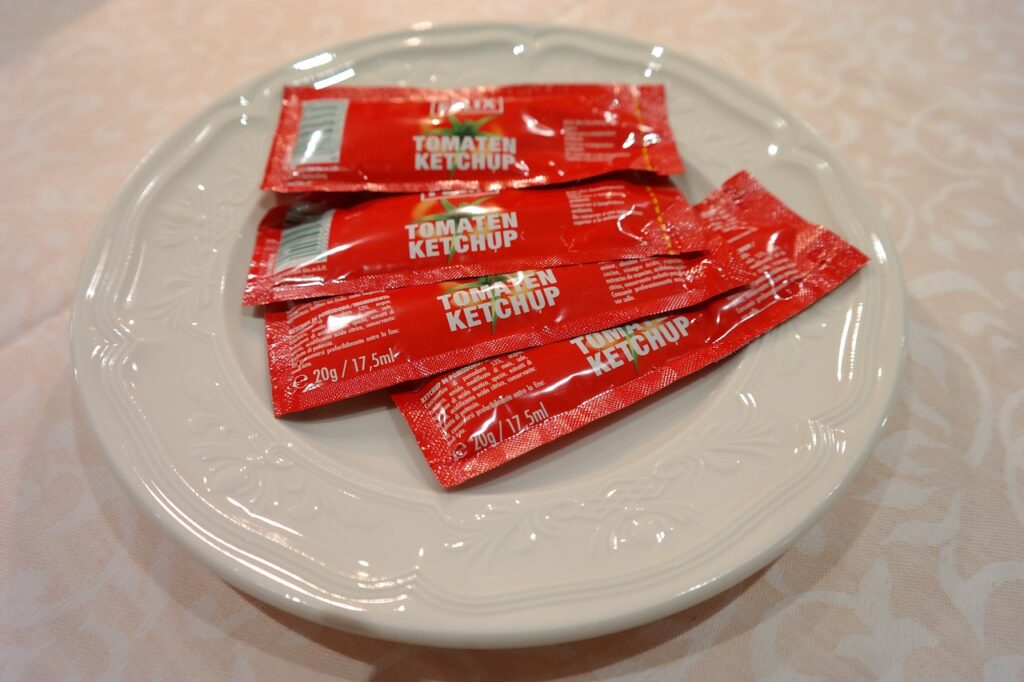
- Ketchup, barbecue sauce, and other sweet condiments
- Breaded or battered vegetables, which add flour or starch
- Frozen vegetable blends that include potatoes, corn, or peas
- Sweet potato fries and other fried starchy sides
For a broader list of everyday carb sources, see our guide to foods to avoid on keto diet, including the biggest carb traps.
How to Check the Carbs in Vegetables
You can estimate the carbs in any vegetable by weighing a portion and checking its carb count per 100 grams. Net carbs are total carbohydrates minus fiber, and many keto dieters use that number to plan meals.
- Weigh your vegetable portions with a kitchen scale for the first few weeks, until you can estimate them by eye.
- Look up the carbohydrate and fiber content per 100 grams in a database such as USDA FoodData Central, or check the product label.
- Subtract fiber from total carbohydrates to estimate net carbs for each portion.
- Add up every vegetable, sauce, and side in the meal, not just the main ingredient.
- Review your daily total and adjust portions or swap high-carb items for lower-carb options.
Using a tool such as a keto macro calculator can help you set a daily target, though the right number depends on your body, activity level, and medical history.
Lower-Carb Vegetables to Build Meals Around
Leafy greens, cruciferous vegetables, and many non-starchy vegetables are the usual foundation of keto meals because they carry fewer carbs per serving. Swapping a starchy side for a non-starchy one is often the simplest change.
If you want to add fiber without adding much starch, our roundup of high-fiber, low-carb vegetables for keto lists options worth testing. Fiber does not eliminate the need to track totals, but it can make a plan more filling and easier to sustain.
Who Should Talk to a Professional First
Anyone taking diabetes medication, blood pressure medication, or other prescriptions should talk with a clinician before cutting carbs. Lower carbohydrate intake can change blood sugar and blood pressure, which may require medication adjustments. People with kidney disease, people who are pregnant or breastfeeding, and people with a history of eating disorders also need individualized guidance.
Long-term research on ketogenic diets is still developing, and many studies are short or small. A registered dietitian can help you plan vegetable choices that meet your fiber, vitamin, and mineral needs while keeping carbs in your target range.
Frequently Asked Questions
Are sweet potatoes keto?
Sweet potatoes are generally not keto-friendly because they are starchy and carry a substantial carb load. Even a modest serving can use a large share of a typical keto daily budget. Most people on keto skip them or save them for an occasional planned meal.
Can I eat carrots on keto?
You can eat carrots in small amounts if they fit your daily carb target. Healthline notes that carrots have somewhat fewer carbs per serving than other starchy vegetables, but they are still limited on most keto plans. Measure a small portion and track it.
Are all mushrooms keto-friendly?
Most mushrooms are lower in carbs than starchy vegetables, but the amount varies by type. Medical News Today reports about 4 grams of carbs per 100 grams for white button mushrooms and about 8 grams for shiitake and king oyster. Weigh your portions and track them like any other vegetable.
Do I need to count fiber when tracking keto?
Many keto dieters subtract fiber from total carbohydrates to estimate net carbs. This approach is common but not universal, and some people prefer to track total carbs, especially if they are sensitive to carb counts. Ask your dietitian which method suits your goals.
Are green beans allowed on keto?
Green beans are often treated as a moderate-carb vegetable, so many keto plans allow them in measured portions. They are not the same as starchy dried beans, which are generally limited. Check the carb count for the exact preparation you plan to eat.
Is corn ever okay on keto?
Corn is usually avoided because it is one of the starchy vegetables that WebMD lists to limit on keto. Some people occasionally fit a very small portion into a planned day, but it can consume most of a daily carb budget quickly. Read labels carefully, since corn also appears in chips and tortillas.
Conclusion
The keto diet vegetables to avoid most are the starchy ones: potatoes, sweet potatoes, corn, peas, and beans. Beets, carrots, and some mushrooms can fit in small, measured portions, while hidden carbs in sauces and processed foods deserve as much attention. Weigh your portions, check net carbs, and build meals around non-starchy vegetables. If you have a medical condition or take medication, review your plan with your doctor or a registered dietitian first.
This article is for informational purposes only and is not medical advice. Talk to your doctor or a registered dietitian before changing your diet, especially if you have a medical condition or take medication. Read our medical disclaimer and editorial policy.