
A keto diet without nuts is fully workable. Many people skip nuts because of a tree nut allergy, digestive discomfort, or simply because they get tired of them, and the ketogenic pattern does not require them. What matters on keto is keeping carbohydrates low, getting enough fat and protein, and choosing foods you can stick with. This guide covers nut-free snack ideas, how to read labels, and when you should talk with a clinician first.
Key Takeaways
- The classic ketogenic diet is defined as 1 g of protein per kg of body weight, 10–15 g of carbohydrate per day, and the remaining calories from fat, according to a PubMed Central review.
- During the first month, carbohydrate intake is typically limited to 10–15 g per day, then often increased to about 20 g per day.
- Nut-free keto snacks rely on foods such as cheese, olives, pork rinds, eggs, and seeds, and these fit the plan when portions stay controlled.
- Nuts are not required on keto, so leaving them out changes your fat and fiber sources but not the diet’s basic structure.
- The very-low-carbohydrate ketogenic diet requires precise food weighing and close professional supervision, according to StatPearls.
Why Would You Skip Nuts on a Keto Diet?
You might skip nuts because of a true allergy, a digestive issue, or a practical concern about portion control. Nuts are calorie-dense and easy to overeat, which can make it harder to stay within your daily fat and carb targets. Some people also find them hard to digest in large amounts.

A tree nut allergy is a serious medical issue, not a preference. If you have one, avoid cross-contact by reading labels for “may contain” warnings and by asking about shared equipment when you buy packaged snacks. Peanuts are botanically legumes, but they are often avoided alongside tree nuts, so check with your allergist if you are unsure which foods to exclude.
What Does a Keto Snack Need to Do?
A keto snack should be low in net carbohydrates and fit into your daily fat and protein plan. Net carbs are total carbohydrates minus fiber, a calculation many keto followers use to estimate the carbs that affect blood sugar and ketone production. Exact targets vary by person and by the approach you follow.
Clinical references describe fairly tight limits. A PubMed Central review reports that during the first month, carbohydrate intake is limited to 10–15 g per day, then increased to about 20 g per day. A separate PubMed Central review describes the classic ketogenic diet as 1 g of protein per kg of body weight, 10–15 g of carbohydrate per day, and the remaining calories from fat.
How Much Carbohydrate Can a Snack Use?
If your daily target is around 20 g of carbohydrate, a single snack can use a meaningful share of that budget. Plan snacks around the carb total left after your meals, not as extras added on top. Keep a running count for at least the first few weeks so you can see where your carbs actually come from.
Crunchy carb-based snacks can fit at small serving sizes. For example, popcorn is a common question, and you can read about serving sizes of popcorn that can work on keto before adding it to your plan.
Which Nut-Free Keto Snacks Work Best?
The best nut-free keto snacks are whole or minimally processed foods that are naturally low in carbohydrate and high in fat or protein. Cheese, eggs, olives, and cured meats are common choices. The table below summarizes the main categories and what to check on each.
| Snack | Main Nutrient Source | What to Watch |
|---|---|---|
| Cheese crisps or cheese slices | Fat and protein | Sodium and portion size; some processed cheese products add starches or fillers |
| Pork rinds | Fat and protein | Flavored varieties may add sugar or starch; check the carb count on each bag |
| Olives | Monounsaturated fat | Sodium; brined varieties can be salty, and some marinated types contain added sugar |
| Hard-boiled eggs | Protein and fat | Pair with salt, pepper, or a fat source if you need more calories |
| Deli meat roll-ups | Protein and fat | Sodium and additives; choose plain meats without sugar-based glazes |
| Full-fat plain yogurt | Protein and fat | Lactose and flavorings; plain versions are lower in carbs than sweetened ones |
If you avoid dairy, you will need different options from the list above. A guide to dairy-free keto snack choices covers alternatives that stay nut-free and low in carbs.
Are Pork Rinds a Good Crunchy Option?
Pork rinds are a popular nut-free choice because they deliver crunch with very few carbohydrates. Check the nutrition label, since flavored varieties can contain added starches or sugars. Pair them with a protein or fat source so the snack keeps you full.
You can learn more about how pork rinds fit into a keto snack routine and which types tend to be simplest to work with.
Are Seeds a Good Replacement for Nuts?
Seeds can replace nuts in many keto snacks, but their carbohydrate content varies by type and serving size. Sunflower, pumpkin, and chia seeds are common choices, and each has a different balance of fat, protein, and fiber. Always read the label, because roasted or seasoned seeds can differ a lot from raw ones.
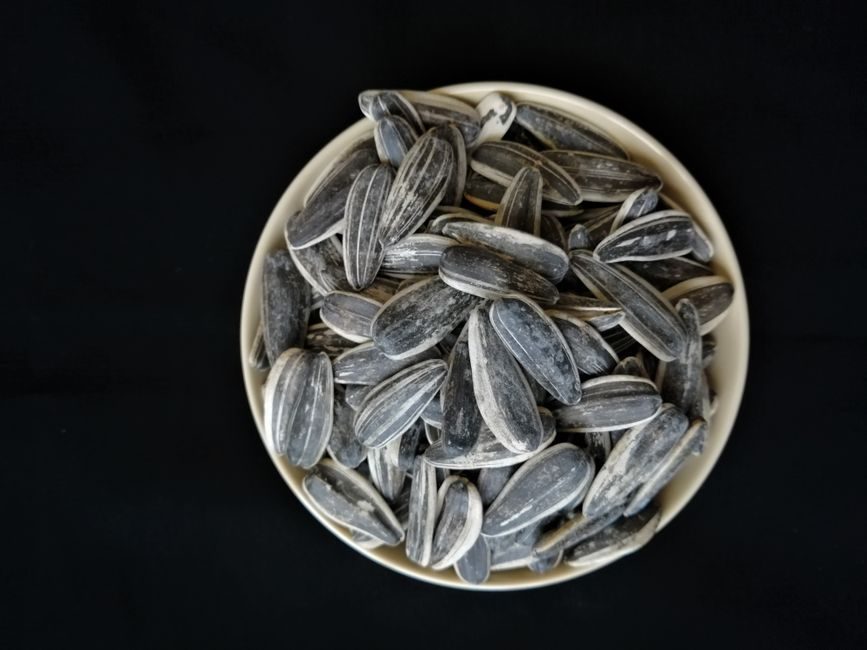
Sunflower Seeds
Sunflower seeds are a widely used nut-free option that offer crunch and healthy fats. Portion control matters, since a handful can add up quickly if you are close to your daily carbohydrate limit. Look at whether the carbohydrate figure on the label is total or net, and calculate accordingly. For more detail, see this guide on whether sunflower seeds fit a keto diet.
Pumpkin and Chia Seeds
Pumpkin and chia seeds are useful for adding texture to yogurt, salads, or homemade crackers. Chia is high in fiber, which lowers net carbs, but fiber counts still depend on the serving you actually eat. Measure a set amount instead of pouring from the bag, so your carb tracking stays accurate.
How Do You Build a Nut-Free Keto Snack Plan?
You can build a reliable nut-free keto snack plan by choosing two or three staples, measuring portions, and tracking carbs for several weeks. Work through these steps to set it up:
- Confirm your daily carbohydrate target with your clinician or dietitian, especially if you have diabetes or take medication.
- Pick two or three nut-free staples, such as cheese, olives, eggs, pork rinds, or measured seeds.
- Weigh or measure each portion for the first two weeks so you learn the true size of a serving.
- Check labels for total carbs, fiber, added sugars, and sodium, and write down the net carb count.
- Pair every snack with protein or fat to improve fullness and avoid hunger that leads to extra carbs.
- Review your log weekly and adjust portions if your carb count drifts above your target.
Keep a short checklist in your kitchen so you can make good choices quickly:
- Read the net carb count on every packaged snack before buying.
- Keep portioned containers of seeds or cheese ready.
- Stock plain, unseasoned options to avoid hidden sugars.
- Check allergy warnings and “may contain” statements.
What Are the Safety Limits of Nut-Free Keto?
A nut-free keto plan is not inherently safer or more effective than one that includes nuts, and the research on very-low-carb eating has real limits. Much of the strongest guidance describes medically supervised use. A PubMed Central review of chronic disease notes that the best-defined classic ketogenic diet is generally medically supervised and uses a 4:1 or 3:1 ratio by weight of fat to combined protein and carbohydrate.
StatPearls notes that the very-low-carbohydrate ketogenic diet is most often prescribed for obesity, type 2 diabetes, and metabolic syndrome, and that it requires precise food weighing and close professional supervision. If you have diabetes, kidney disease, a history of gallbladder problems, or take medication that affects blood sugar or blood pressure, talk with your doctor before starting or changing your diet. Ask for a plan that includes lab monitoring and medication review. Consider working with a registered dietitian who understands ketogenic eating.
Restricting food groups can also reduce variety. Dropping nuts and seeds may lower your intake of fiber, certain vitamins, and minerals, so plan other sources. Watch for constipation, low energy, or unusual symptoms, and contact a clinician if they persist.
Frequently Asked Questions
Can You Do Keto Without Any Nuts?
Yes, nuts are not required on a ketogenic diet. Many people build their keto plan around cheese, eggs, meat, fish, low-carb vegetables, olives, and seeds. The key is staying within your carbohydrate target while getting enough fat and protein.
Is Cheese Allowed on a Keto Diet?
Cheese is widely used on keto because it is high in fat and protein and typically low in carbohydrate. Choose aged or plain cheeses and check labels on processed or flavored products. Portion size still matters, because cheese is calorie-dense.
Are Sunflower Seeds Okay If I Cannot Eat Nuts?
Sunflower seeds are botanically seeds, not tree nuts, so they are often used by people with tree nut allergies. However, seeds can still be processed in facilities that handle nuts, so check the packaging. If you have a confirmed allergy, ask your allergist before adding any new food.
Do I Need to See a Doctor Before Starting Keto?
It is wise to see a doctor before starting keto, especially if you have diabetes, heart or kidney disease, or take prescription medication. A clinician can help you decide whether the diet is appropriate and how to monitor your health. A registered dietitian can help you plan meals that meet your nutrient needs.
How Many Carbs Can I Eat in a Keto Snack?
A keto snack should usually be a small share of your daily carbohydrate limit, which is often around 20 g per day after the first month of a typical plan. The exact amount depends on your goals, body, and medical needs. Track net carbs and confirm your target with a clinician.
Conclusion
A keto diet without nuts is practical and does not require giving up crunchy or satisfying snacks. Focus on cheese, eggs, olives, pork rinds, and measured seeds, and track net carbs so your daily total stays on target. Because keto is a therapeutic pattern with real limits, check with your doctor or a registered dietitian before you start, especially if you take medication or have a health condition.
This article is for informational purposes only and is not medical advice. Talk to your doctor or a registered dietitian before changing your diet, especially if you have a medical condition or take medication. Read our medical disclaimer and editorial policy.