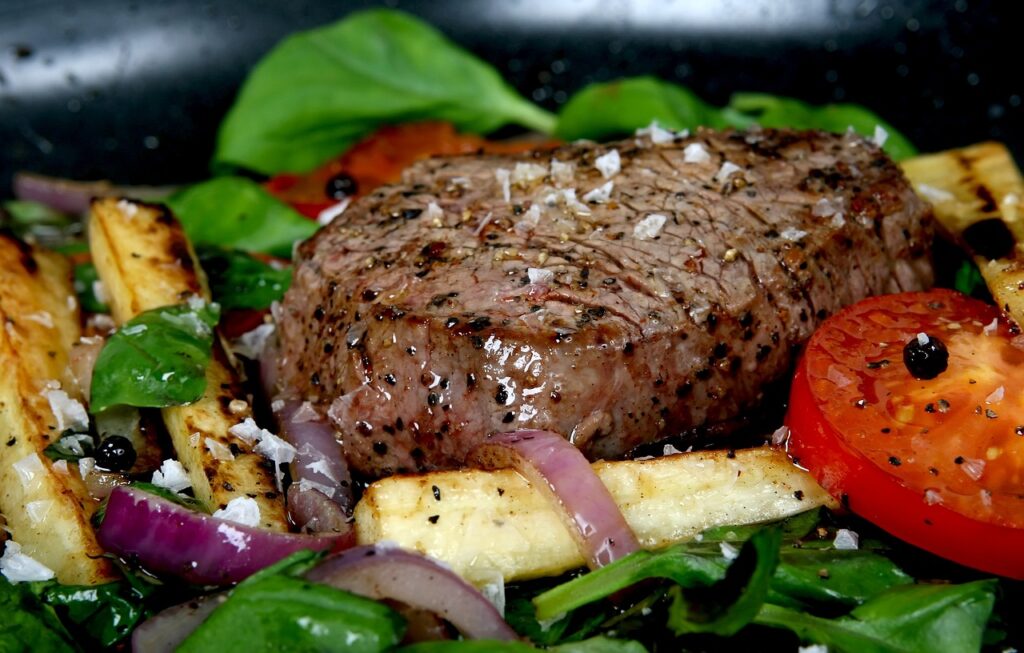
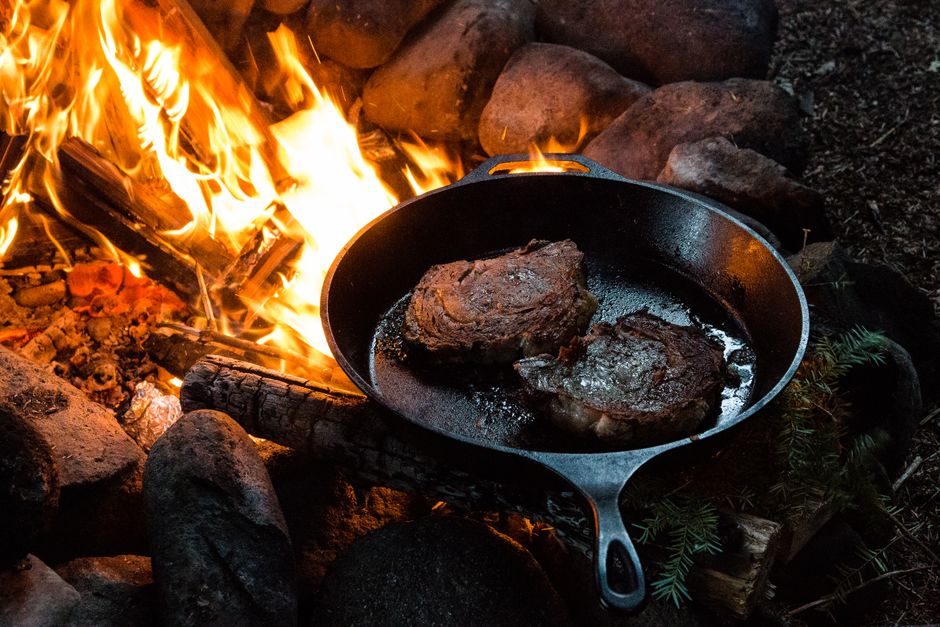
The best meat to eat on keto diet plans is usually fatty, minimally processed meat: beef chuck or ribeye, pork shoulder, chicken thighs with skin, and fatty fish such as salmon. These cuts fit the diet’s very low carbohydrate, high fat pattern and supply protein without the added sugars and starches found in many processed products. One caveat up front: no type of meat burns fat on its own, and how much fat you lose depends mostly on your total calorie intake, activity, and consistency over time.
Key Takeaways
- Fatty, unprocessed meats such as beef chuck, pork shoulder, and chicken thighs with skin are among the most practical keto staples.
- Keto protein sources typically include meat, fish, eggs, offal, and seafood, and a 2024 expert consensus sets carbohydrate intake at roughly 20–50 g per day.
- In a two-week pre–post study, replacing meat with fish and other omega-3-rich foods on a keto plan reduced intake by 500 kcal/day and produced no significant adverse effects.
- Red meat, processed meat, and saturated fat tend to rise on ketogenic diets, and a 2021 Frontiers in Nutrition review links these patterns to higher risks of several chronic diseases.
- Meat choice alone does not guarantee maximum fat burn, because total calories and long-term consistency matter most.
What Makes a Meat Good for Keto?
A meat fits a keto diet when it contains little or no carbohydrate, has no added sugar or breading, and provides enough fat to help you meet your daily fat target. A ketogenic diet is a high-fat, very low-carbohydrate eating pattern that shifts the body toward using fat and ketones for fuel.
Protein sources commonly used on keto include meat, fish, eggs, offal, and seafood. A PubMed Central review of ketogenic diet contraindications and side effects cites a 2024 expert consensus that sets carbohydrates at roughly 20–50 g per day, so most of your carbs should come from vegetables rather than from meat itself.
Which Meats Are the Best Choices on Keto?
The best options are fatty cuts of beef, lamb, pork, and poultry, plus fatty fish, because they supply more fat per serving and very little carbohydrate. Lean cuts can work too, but you will usually need to add fat from cooking oils, butter, or pan drippings to meet keto targets.
| Meat type | Typical keto fit | Good examples | Watch for |
|---|---|---|---|
| Fatty beef and lamb | High fat and high protein | Ribeye, short ribs, lamb shoulder, 80/20 ground beef | Higher saturated fat; leaner grinds may suit you better if your doctor advises limiting it |
| Pork | Flexible and often fatty | Pork shoulder, pork belly in moderation, plain bacon without added sugar | Cured versions are processed; check labels for sugar and nitrates |
| Chicken and turkey | Versatile and easy to prepare | Thighs and drumsticks with skin, whole roasted chicken | Breast is very lean and needs added fat |
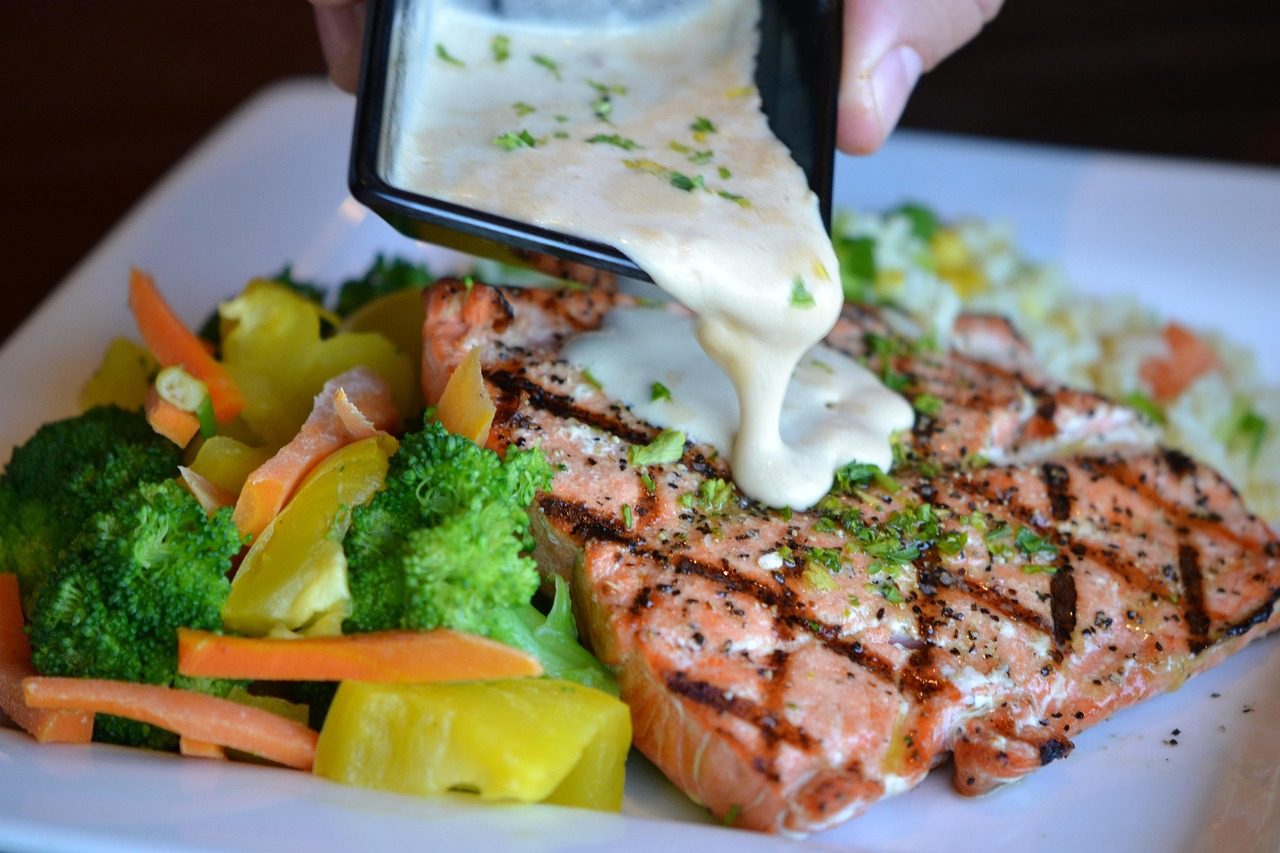
| Fatty fish and seafood | High fat with omega-3 fats | Salmon, sardines, mackerel, trout, shrimp | Breaded or fried versions add carbs and extra oil |
| Organ meats (offal) | Nutrient-dense | Liver, heart | Strong flavor; discuss portions with a clinician if you have gout or take medications that interact with vitamin A |
Are Fatty Cuts Better Than Lean Cuts?
Fattier cuts are usually easier to use on keto because they meet fat targets without extra measuring. Lean cuts are not off-limits, but they require you to add fat deliberately. Choose the cut that fits your fat and protein goals and your heart health guidance.
Is Fish the Best Keto Meat?
Fatty fish is a strong option because it combines high fat with omega-3 fats, and the fish-based study discussed below found good tolerability. Seafood is not automatically low in everything, so check preparation methods. For a closer look at one common seafood question, read this quick guide to shrimp on keto and how it fits your carb budget.
For a deeper list of options, see this guide to healthy high-fat keto meats.
Does Fattier Meat Burn More Fat?
No. Eating fattier meat does not directly increase fat burning. Fat loss on keto mostly reflects an overall calorie deficit, and the University of Florida IFAS Extension notes that calorie-restricted keto may produce short-term weight loss similar to other restrictive diets.
Evidence on specific meat choices is limited. A two-week pre–post study on PubMed Central replaced meat with fish and other omega-3-rich foods in a ketogenic plan with a 500 kcal/day reduction, and it found no significant adverse effects. That suggests good short-term tolerability, but it was a small, brief study and does not show long-term fat loss or superiority over other proteins. You can read the details in the full fish-based keto study.
Which Meats Should You Limit on Keto?
Limit processed meats such as sausage, salami, hot dogs, and deli slices, and keep large servings of red meat to a minimum. A 2021 review in Frontiers in Nutrition found that red meat, processed meat, and saturated fat tend to rise on ketogenic diets, and it linked these patterns to higher risks of cardiovascular disease, cancer, diabetes, kidney disease, and Alzheimer’s disease.
That review describes associations and risks, so it does not prove that keto itself causes these conditions. Its findings are still a reason to vary your protein sources. Cured meats are a common question; see this guide to whether ham fits a keto diet and how to check labels.
How Do You Build a Keto Meat Plan?
Start with one fatty protein at each main meal, add non-starchy vegetables, and cook with fats you enjoy. This keeps your carbohydrate intake in the 20–50 g per day range from the expert consensus while making meals easy to repeat.

- Choose a fatty cut or fatty fish as the default protein for each meal.
- Read labels on sausages, deli meats, and marinades for added sugar, starch, and breading.
- Cook with visible fat such as olive oil, butter, or rendered meat fat.
- Pair the protein with low-carb vegetables and track total carbohydrates against your target.
- Rotate between beef, poultry, pork, and fish across the week to vary nutrients and limit reliance on red and processed meat.
- Use a keto macro calculator to estimate your personal fat, protein, and carb targets before making big changes.
Who Should Talk to a Doctor Before Changing Their Meat Intake?
People with kidney disease, gallbladder problems, heart disease, or diabetes, as well as people who take medications, should speak with a doctor or registered dietitian before starting keto. Diabetes and blood pressure medications may need dose adjustments as your eating pattern changes. Pregnant people and those with a history of eating disorders should also seek individualized advice.
If you have had gallbladder issues, high-fat meals may cause discomfort. Read this overview of why high fat can be a problem for gallbladder health on keto and discuss your plan with your clinician.
Frequently Asked Questions
Is salmon the best meat for keto?
Salmon is one of the strongest choices because it is high in fat and provides omega-3 fats with very few carbohydrates. It is not uniquely superior to other options, though, and variety helps. Many people do well rotating salmon with beef, pork, and poultry.
Can I eat bacon on keto?
Yes, plain bacon without added sugar can fit a keto plan in moderation. Bacon is a processed meat, and the 2021 Frontiers in Nutrition review links processed meat intake to higher long-term disease risks. Check labels and keep portions occasional.
Is chicken or beef better for keto?
Neither is better in every case. Chicken thighs with skin and fatty beef cuts both supply fat and protein with minimal carbohydrate. Choosing poultry more often can reduce reliance on red meat, which the Frontiers review associates with higher risks.
Does eating more meat help you lose weight faster on keto?
No. Weight loss depends mainly on total calories, and eating more meat can raise your calorie intake. The University of Florida IFAS Extension notes that calorie-restricted keto may produce short-term weight loss similar to other restrictive diets, so results are not unique to keto.
Is red meat safe on keto long term?
The evidence links high red and processed meat intake with higher risks of several chronic diseases, but most of that evidence is observational. Keto diets can also raise saturated fat, so long-term safety depends on your health profile. Talk with your doctor about periodic blood work and any changes you notice.
Conclusion
The best meat to eat on keto diet plans is fatty, minimally processed beef, pork, poultry with skin, and fatty fish, eaten in varied portions. Use processed meats sparingly, track your total carbohydrates and calories, and remember that meat choice alone does not guarantee fat loss. If you have kidney, gallbladder, heart, or diabetes concerns, or take medications, review your plan with a healthcare professional first.
This article is for informational purposes only and is not medical advice. Talk to your doctor or a registered dietitian before changing your diet, especially if you have a medical condition or take medication. Read our medical disclaimer and editorial policy.