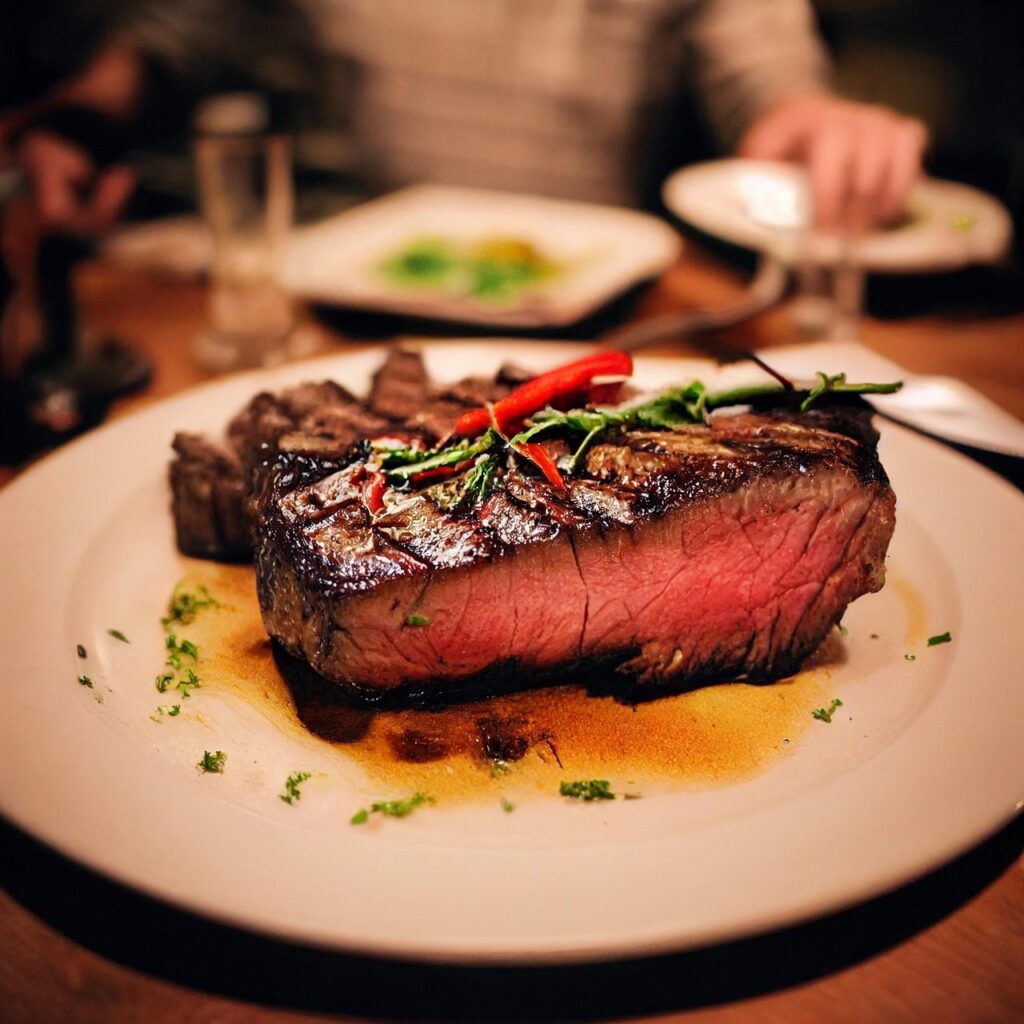
A keto diet with steak is a practical, filling combination because beef provides high-quality protein and contains almost no carbohydrates. The ketogenic diet is a high-fat, very low-carbohydrate eating plan, and steak can serve as your main protein as long as you pair it with enough fat and keep the portion matched to your needs. The approach works best when you choose a cut that fits your fat goals, add fat on purpose, and track your daily totals.
This guide explains how steak fits into keto, how much protein and carbohydrate research supports, which cuts and sides work, and who should be cautious. It is general education, not individual medical advice. If you have diabetes, kidney disease, gallbladder problems, or take medications, talk with your doctor or a registered dietitian before you change how you eat.
Key Takeaways
- The ketogenic diet is a high-fat, very low-carbohydrate plan in which protein is adjusted to each person’s needs, so steak can be the core protein source.
- A 2026 narrative review describes the ketogenic diet as very low in carbohydrate, moderate in protein, and high in fat, with the body shifting from glucose to fat as its main fuel.
- One narrative review defines very low-calorie ketogenic diets as under 50 g of daily carbohydrate, with protein of roughly 1 to 1.5 g per kg of ideal body weight.
- Steak ranges from very lean to heavily marbled depending on the cut, so your cut choice determines how much fat you get without adding sauces or oil.
- A review in Frontiers in Nutrition concluded that for most people the risks of ketogenic diets may outweigh the benefits, because long-term safety data are inadequate.
Is Steak Keto-Friendly?
Yes. Steak is a whole-food animal protein with no added sugar and very little carbohydrate, which makes it a natural fit for a keto eating pattern. A review in PubMed Central on ketogenic diet composition notes that protein amounts on the diet are adjusted to each person’s needs, so steak counts as a protein source within the plan rather than a food to avoid.
The bigger question is how steak fits your macros. Protein that is too high can slow the shift into ketosis for some people, while protein that is too low can leave you hungry and short on nutrients. The right balance depends on your body size, activity, and goals, which is why the protein targets in the next section matter.
Keep in mind that steak is only keto-friendly in the context of the whole day. A steak dinner with starchy sides, sweet sauces, or a low-fat preparation can push your carbohydrate total up or leave you short on fat.
How Much Steak and Protein Should You Eat on Keto?
Protein targets on keto are individualized, but one clinical review gives a concrete reference point. It defines very low-calorie ketogenic diets by under 50 g of daily carbohydrate and a protein intake of roughly 1 to 1.5 g per kg of ideal body weight, a range that is useful for planning steak portions. That definition applies to a specific type of very low-calorie plan, so use it as a reference rather than a universal rule.
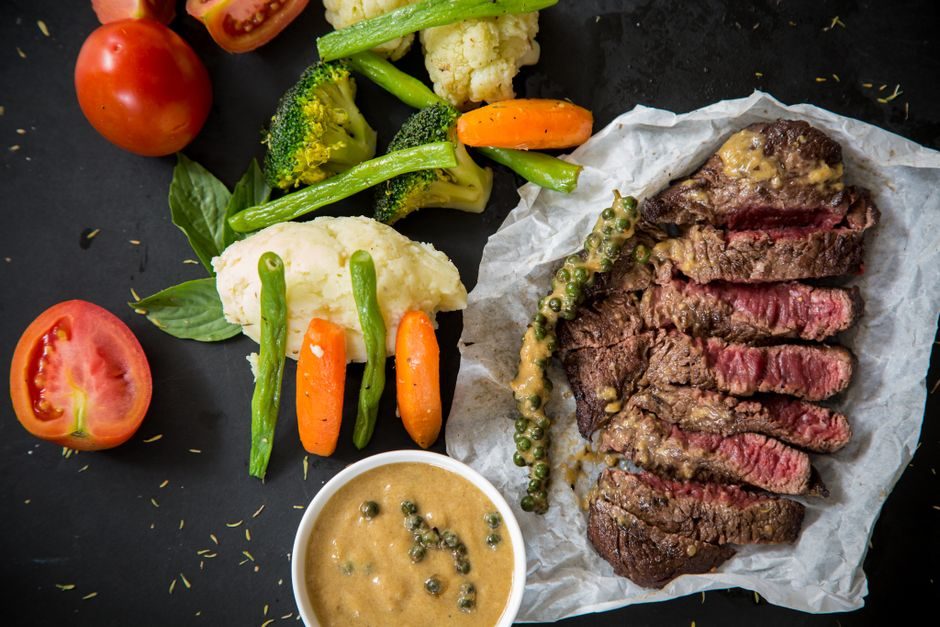
To apply that range, you need your ideal body weight, not your current weight. Multiply that number by 1 and by 1.5 to see your general range in grams. A person with an ideal body weight of 70 kg, for example, would fall between about 70 and 105 g of protein per day under that reference. Your doctor or dietitian can confirm a target that fits your kidney function, activity, and health history.
A cooked steak portion can supply a large share of that daily protein, which is why it is useful on keto. Measuring a cooked portion on a food scale is more accurate than estimating by eye, because steak weights vary a lot between cuts and cooking methods.
Which Steak Cuts Work Best on Keto?
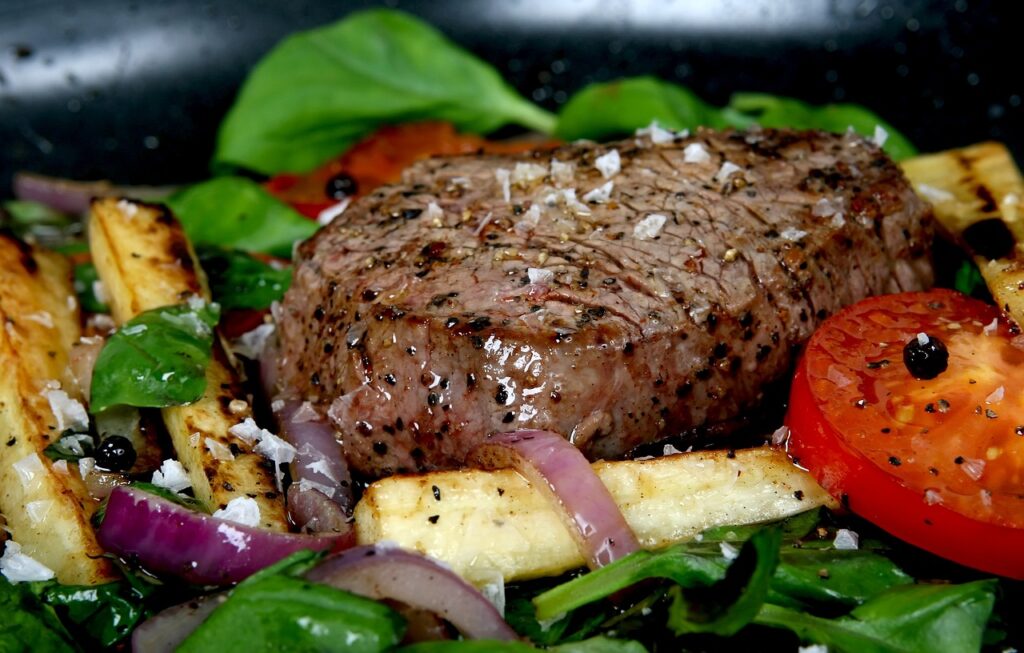
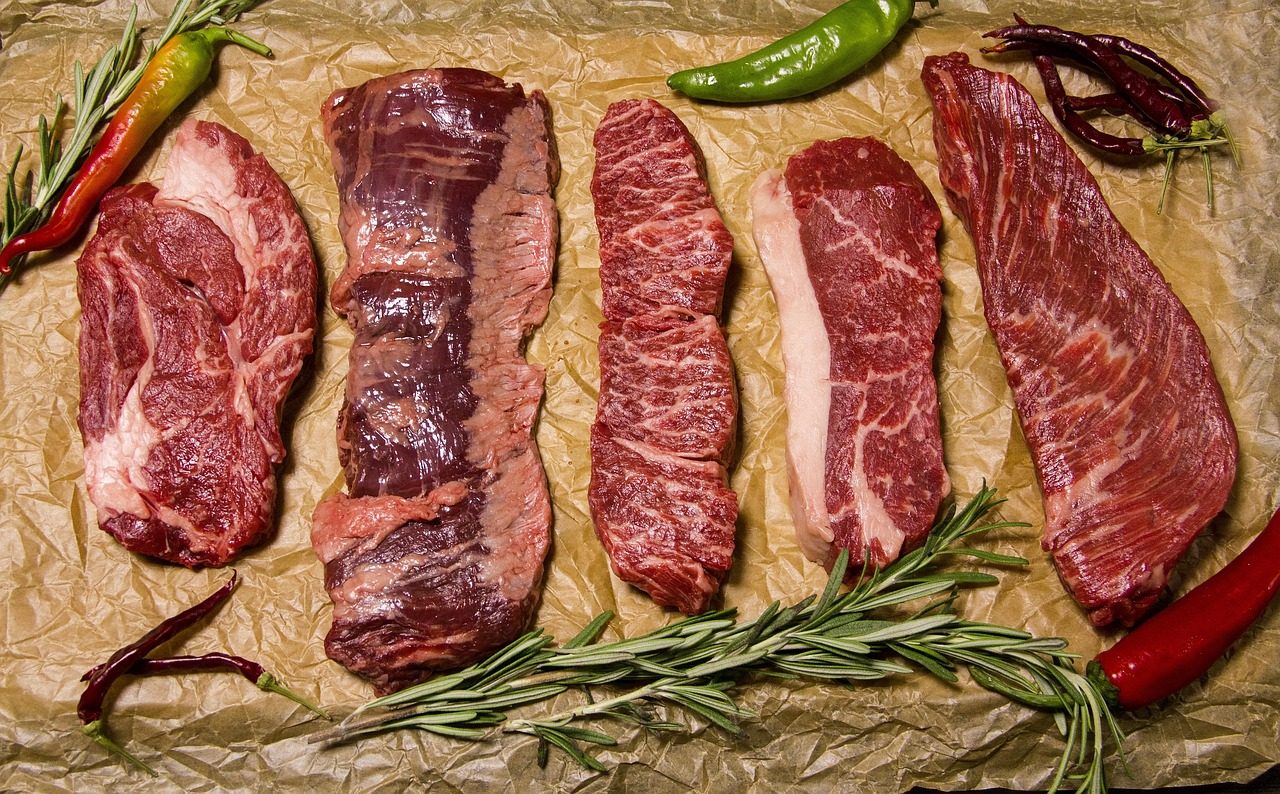
The best cut is the one that gives you the fat level you need without excess saturated fat for your health profile. Fattier cuts make it easier to hit fat targets, while leaner cuts require you to add fat through cooking or sides. Use the table below as a general guide.
| Steak cut | General fat level | Keto consideration |
|---|---|---|
| Ribeye | High, heavily marbled | Helps meet fat goals; watch total saturated fat if your doctor has advised limits |
| New York strip | Moderate to high | Balanced option that works well for most keto meal plans |
| Top sirloin | Moderate, leaner | Add butter, olive oil, or a fat-based sauce to reach fat targets |
| Filet mignon | Low, very lean | Needs added fat for keto; often a higher-cost, smaller portion |
| Flank or skirt steak | Low to moderate | Good protein-to-fat balance when cooked and sliced against the grain |
Trimmed and untrimmed cuts also differ. Visible fat on the edge adds calories and fat that you can count, so decide in advance whether you will eat it or trim it. For a broader look at fatty and lean options, see this guide to healthy high-fat keto meats.
How Do You Pair Steak With Fat on Keto?
To pair steak with fat, add a measured fat source to every steak meal so that fat, not protein, provides most of your calories. This matters because the ketogenic diet relies on fat as the main fuel. A 2026 narrative review on the diet explains that the body shifts from glucose to fat as its main fuel, which is why fat intake is central to the plan rather than an optional extra.
Follow these steps to build a balanced steak plate:
- Pick your cut based on your fat target, using the table above as a starting point.
- Weigh the cooked portion and check it against your protein range for the day.
- Add a fat source that you can measure, such as butter, olive oil, avocado oil, or tallow, cooked into the steak or served on top.
- Choose low-carb vegetables such as leafy greens, zucchini, or green beans, and limit starchy sides like potatoes, rice, and bread.
- Log the meal in your tracker and adjust the next meal if your day runs high in protein or low in fat.
Cooking method changes the fat in your meal. Searing a lean steak in butter adds fat that you can count, while grilling a fatty cut lets some fat drip off. Either approach works if you measure what you eat, but guessing leads to large errors.
What Sides and Sauces Keep Steak Keto?
Keto-friendly sides and sauces keep carbohydrates low while adding fat and flavor. Most traditional steakhouse accompaniments contain sugar, flour, or starch, so check labels or make your own. Use this checklist when building the plate:
- Low-carb vegetables cooked in butter or olive oil, such as broccoli, asparagus, mushrooms, or spinach.
- A fat-based sauce like chimichurri, compound butter, or hollandaise made without added sugar. This roundup of high-fat sauces for keto dishes covers more options.
- A salad with olive oil or a full-fat dressing, avoiding sugary vinaigrettes and croutons.
- Full-fat dairy toppings like blue cheese or sour cream, which add fat and some protein.
- Avoid barbecue sauce, teriyaki glaze, steak sauce with added sugar, and breaded or starchy sides unless you have verified the carbohydrate count.
Use a net carbs calculation when you read labels, but confirm the method with your own tracking app or a dietitian, since counting rules vary.
Who Should Be Careful With a Keto Diet With Steak?
Some people should not start a keto diet, or should do so only with medical supervision. The clearest concern in the research is that long-term safety data are limited. A review in Frontiers in Nutrition on ketogenic diets and chronic disease concluded that for most people the risks may outweigh the benefits, partly because long-term safety data are inadequate and diet quality can suffer.
A narrative review of ketogenic diets in type 2 diabetes and obesity describes the diet’s clinical use in these conditions, but clinical studies vary in length, design, and population. Evidence of benefit in some groups does not establish safety for everyone, and it does not replace individual monitoring.
Talk to your doctor before starting if you have any of the following:
- Diabetes or prediabetes, especially if you take insulin or medications that can lower blood sugar, since your doses may need adjustment.
- Kidney disease, because high protein intake can place extra demands on the kidneys.
- Gallbladder problems or a history of gallstones, since high-fat meals can cause symptoms. Read more in this explanation of why high fat can be a problem with gallbladder issues.
- High LDL cholesterol or heart disease, because some people see changes in blood lipids on a high-fat diet.
- Pregnancy, breastfeeding, or a history of eating disorders.
If you have had your gallbladder removed, fat tolerance may change. This guide to keto with no gallbladder outlines fat intake strategies, but it does not replace advice from your own clinician.
How Do You Track Steak Meals on Keto?
Tracking steak meals means logging weight, carbohydrate, protein, and fat for each meal, then reviewing the totals across several days. Weighing your steak after cooking and entering the cooked weight in your app gives more reliable numbers than estimating. Start with a tracker for two to four weeks to learn your portion sizes.
You can estimate your daily fat, protein, and carbohydrate ranges with a keto macro calculator, then compare those results with the protein reference above. Use a separate reference for carbohydrate counts, such as this keto net carbs chart, when you check packaged sides and sauces.
Watch for warning signs that your plan needs adjustment. Persistent fatigue, constipation, dizziness, digestive pain, or unexplained changes in blood sugar should prompt a call to your doctor. Do not treat these as normal side effects of keto.
Frequently Asked Questions
Can you eat steak every day on keto?
You can include steak most days, but variety matters for nutrition and cost. Rotating in fish, eggs, poultry, and plant-based options can help you cover different nutrients. Keep your total protein within the range your doctor or dietitian recommends.
Is ribeye better than sirloin for keto?
Ribeye is usually higher in fat, which can help you meet fat targets without adding oil. Sirloin is leaner and may need butter, olive oil, or a fat sauce to reach your goals. Neither cut is automatically better, so choose based on your macros and any heart-health advice you have received.
Does eating steak stop ketosis?
Steak itself contains almost no carbohydrate, so it does not directly end ketosis. Problems usually come from high protein portions or from carbohydrates in sides and sauces. Eating more protein than your target can shift the balance for some people, so measure portions.
How much protein from steak is too much on keto?
One clinical review uses a reference range of roughly 1 to 1.5 g of protein per kg of ideal body weight for very low-calorie ketogenic diets. Going well above that range is not recommended without medical guidance, especially if you have kidney disease. Your individual limit should come from your clinician.
Should I see a doctor before starting keto with steak?
Yes, especially if you have diabetes, kidney disease, gallbladder disease, heart disease, or take medications. A doctor can check your labs, adjust medication, and set safe protein and fat targets. A registered dietitian can help you build meals that fit your health needs.
Conclusion
A keto diet with steak can work well because steak supplies protein with almost no carbohydrate, and the diet’s fat needs can be met by choosing the right cut and adding measured fat. Use the reference ranges from clinical reviews as starting points, measure your portions, and keep sides and sauces low in sugar and starch. Because long-term safety data are limited, check with your doctor before you start and monitor how you feel over time.
This article is for informational purposes only and is not medical advice. Talk to your doctor or a registered dietitian before changing your diet, especially if you have a medical condition or take medication. Read our medical disclaimer and editorial policy.